



A facelift is an advanced cosmetic procedure that effectively corrects facial sagging and loose skin. Although it delivers excellent results, many individuals still wonder, is a facelift painful? This concern is common because many individuals are afraid of pain during cosmetic surgery, but there is no need to worry, as this article will give you a detailed answer.
Is a facelift painful?
In reality, facelift surgery is not as painful or frightening as many individuals imagine. During the procedure, your surgeon will use local anesthesia or IV sedation. This keeps you completely relaxed, and you will not feel the facelift procedure.
After the surgery, as the anesthesia gradually wears off, you may feel mild tightness, soreness, or swelling around the incision sites. This is a normal healing response and is usually well within a manageable level. Your surgeon will prescribe pain relief and anti-inflammatory medications to keep you comfortable. The discomfort usually improves within the first 3 to 5 days if you carefully follow the instructions for wound care, cold compresses, and post-operative care at home.
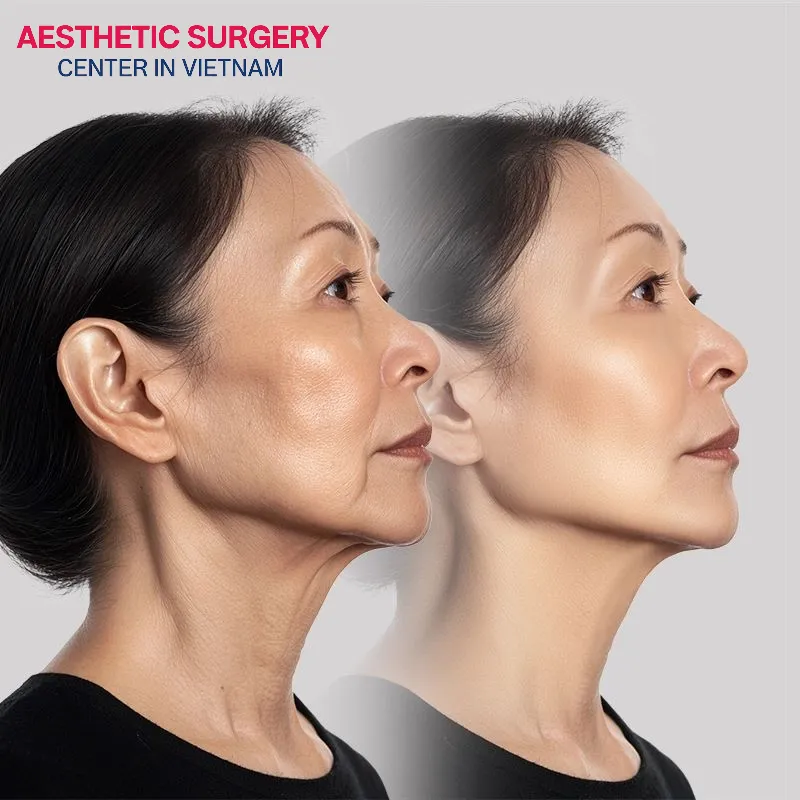
Why does facelift recovery hurt?
The recovery period after facelift surgery is often accompanied by mild soreness, tightness, and discomfort. This happens because the procedure directly affects the tissues beneath the skin during lifting and repositioning.
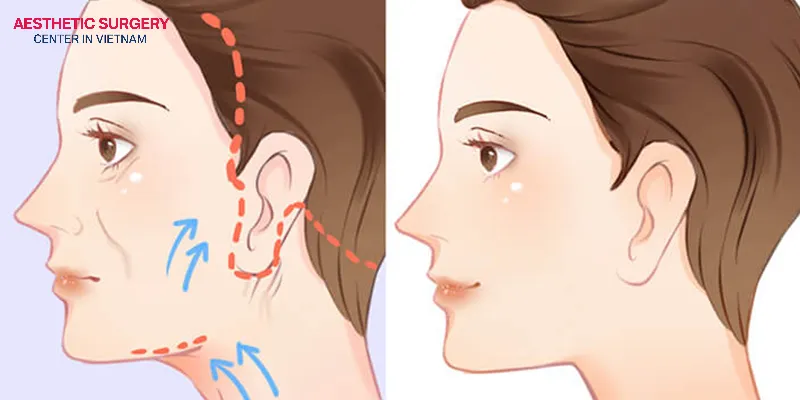
To tighten the skin and remove sagging tissue, the surgeon must work on the superficial musculoaponeurotic system (SMAS). This temporarily affects the soft tissues and the sensory nerves around the face. At the same time, the body’s natural inflammatory response begins the healing process. This causes swelling and fluid buildup, which creates pressure on the surrounding tissues and leads to a feeling of tightness.
In addition, the facial muscles and skin are secured and repositioned during surgery. Your body needs time to adjust to these new positions. As a result, you may experience mild soreness during the first few days after surgery until the tissues gradually stabilize and heal completely.
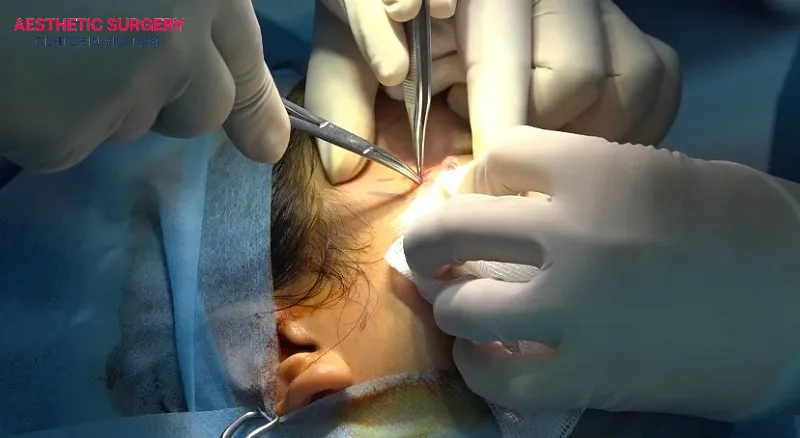
Factors that affect pain after facelift surgery
Although tightness is a normal part of the healing process, the level of pain and soreness varies from person to person. The following factors have the greatest impact on your recovery experience after facelift surgery.
Surgical technique and procedure type
The surgical technique used by your surgeon plays a major role in the amount of soft tissue trauma and post-operative discomfort. A traditional full facelift requires longer incisions and more extensive tissue dissection, so swelling and soreness are usually more noticeable.
In contrast, minimally invasive endoscopic facelift techniques or a mini facelift with smaller incisions reduce trauma to the facial nerves and surrounding tissues. This allows for a smoother and more comfortable recovery.
Individual pain tolerance and health
Every person’s body responds differently to pain and healing. Even when the same surgical technique is used, individuals with a lower pain tolerance or those who feel anxious or stressed may experience more discomfort than those who are more relaxed. Good overall health and a strong immune system also support faster tissue repair, helping reduce swelling, soreness, and recovery time.
Extent of surgery and other procedures
The level of discomfort after surgery generally increases with the size of the treatment area and the number of procedures performed at the same time. If your facelift is combined with other facial rejuvenation procedures, such as eyelid surgery, a brow lift, or chin liposuction, your body will need to recover from a greater amount of surgical trauma. As a result, tightness, swelling, and soreness may last slightly longer than with a facelift alone.
Solutions for managing pain after a facelift
Although recovery may cause some discomfort during the first few days, you can manage the pain effectively by following your surgeon’s post-operative care instructions. The following measures can help make your recovery more comfortable.
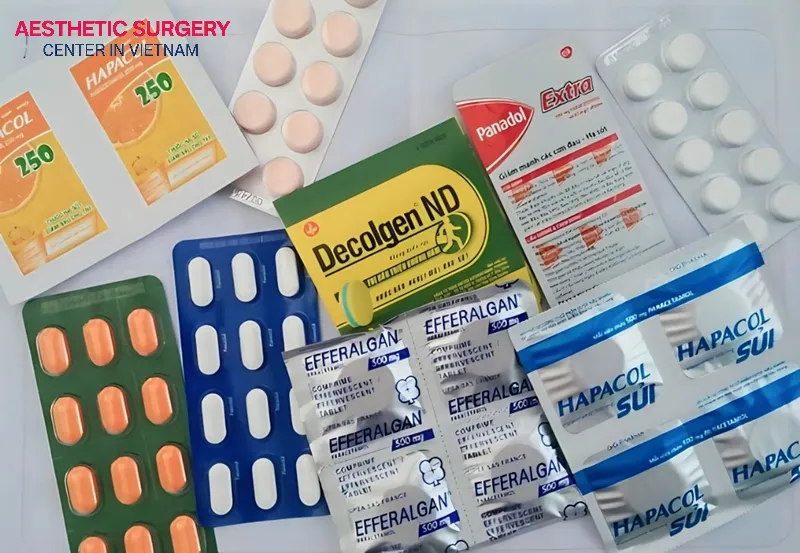
Prescription pain medication
Prescription medication is the fastest and most effective way to control pain during the first 3 to 5 days after surgery. Depending on your condition, your surgeon will prescribe the appropriate pain relievers, anti-inflammatory medications, and medicines to reduce swelling. These medications help you recover more comfortably.
Do not take over-the-counter medications or use products containing aspirin or ibuprofen unless your surgeon approves them. These medications can increase the risk of blood thinning and bleeding at the incision sites.
Cold compresses
Cold therapy is one of the most effective ways to reduce swelling, bruising, and discomfort after facelift surgery. It helps constrict blood vessels, reducing inflammation around the surgical area.
During the first 48 to 72 hours, apply a cold pack gently to the skin around the incision sites for 15 to 20 minutes at a time, several times a day. Do not place the cold pack directly on the incisions. Cold compresses temporarily numb the sensory nerves to relieve pain while also helping prevent excessive fluid buildup.

Head elevation
Your sleeping and resting position plays an important role in reducing swelling and relieving pressure in the head, face, and neck. To prevent blood from pooling in the face and causing tightness or discomfort, keep your head elevated at a 30- to 45-degree angle above your chest. You can use a soft U-shaped pillow or a wedge pillow for support.
Maintaining this position is especially important during the first week after surgery. It promotes better lymphatic drainage, helping reduce swelling and shorten the period of soreness and discomfort.

Rest and gentle facial movements
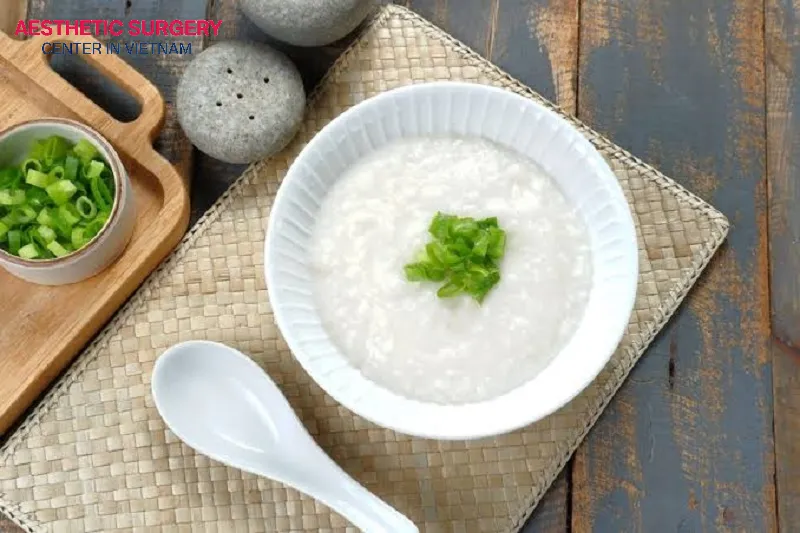
Getting enough rest and sleep allows your body to focus its energy on healing the surgical tissues. During recovery, choose soft, easy-to-chew foods and avoid excessive facial movements such as laughing loudly, chewing forcefully, or yawning widely.
Sudden or exaggerated facial movements can place tension on the newly repaired superficial musculoaponeurotic system (SMAS). This may cause sharp pain and, in some cases, put stress on the incision sites.
Avoid heavy lifting
Avoiding strenuous physical activity is essential to protect your surgical results and prevent increased pain during recovery. Bending over, straining, or lifting heavy objects can suddenly increase blood pressure and pressure in the head. This may raise the risk of wound separation, internal bleeding, and increased tightness or discomfort in the face. It is best to avoid heavy activities for at least 2 to 4 weeks before gradually returning to light exercise, as recommended by your surgeon.

How long does pain last after a facelift surgery?
Pain after facelift surgery usually does not last long. It is most noticeable during the first 2 to 3 days and is typically described as soreness and tightness rather than severe pain. During facelift recovery, the discomfort can be effectively managed with the prescription pain relievers and anti-inflammatory medications provided by your surgeon.
From the fourth day onward, the pain usually improves quickly and becomes much less noticeable. Mild swelling or slight itching may replace the discomfort as the incisions heal and the soft tissues continue to recover.
Most patients no longer experience pain after 7 to 10 days. However, a mild feeling of tightness or temporary numbness around the treated area may last for several weeks or up to one or two months before the facial tissues fully settle and heal.
In summary, facelift surgery is not as painful or intimidating as many individuals believe. Thanks to modern anesthesia techniques and minimally invasive surgical methods, post-operative discomfort can be kept to a minimum. The smoothest recovery, however, depends on choosing an experienced facial plastic surgeon and a reputable aesthetic clinic.
We hope this article has answered your question: Is a facelift painful? Contact us today to schedule a consultation with one of our surgeons and receive a personalized facial rejuvenation treatment plan.





















Comment on the post