


Thorough preparation before entering the operating room plays an important role in the success of the surgery and the speed of recovery. Understanding how to prepare for breast augmentation surgery—from health checks and arranging your living space to preparing mentally—will help you feel more in control. Join the Aesthetic Surgery Center to explore the complete preparation process in the article below.
Medical and physical preparation
Thorough medical and physical preparation is essential for helping the surgery go smoothly, minimizing the risk of complications, and supporting faster recovery after surgery. Patients preparing for surgery should work closely with their medical team to assess their health, review all medications they are taking, and adjust their daily habits. These steps help the body reach an optimal physical condition and provide a strong foundation for a smoother surgical experience.
Review medications and medical clearance
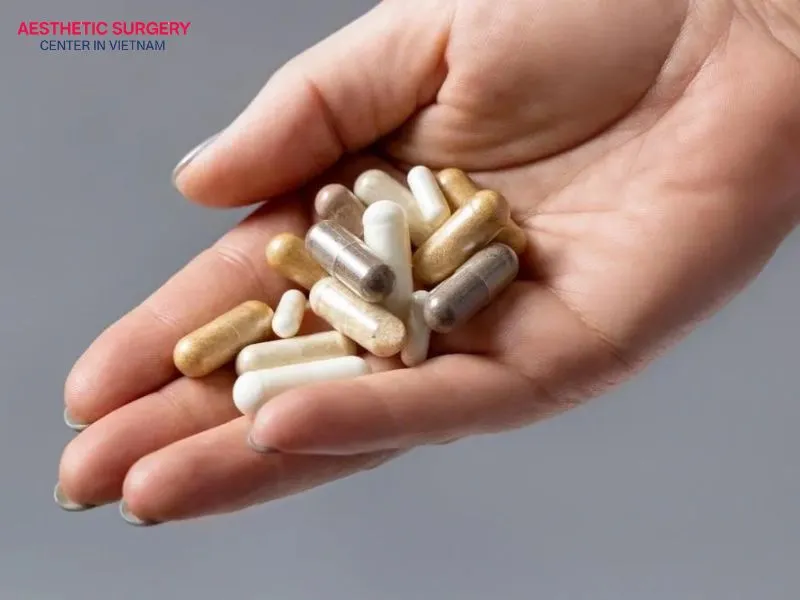
Reviewing medications and undergoing a general health screening are the first essential steps when learning how to prepare for breast augmentation surgery. Patients should provide their surgeon with a detailed list of all prescription medications, over-the-counter medications, supplements, herbal products, and other health-support products they are currently using.
According to many medical experts, blood-thinning medications such as aspirin, ibuprofen, and other nonsteroidal anti-inflammatory drugs, along with certain herbal products such as garlic, ginseng, or concentrated green tea, may need to be stopped at least 2 weeks before surgery. This helps reduce the risk of prolonged bleeding during and after surgery. In addition, blood tests, an electrocardiogram, and a general medical examination may be performed to carefully assess cardiovascular and respiratory health and biochemical indicators before anesthesia.
Adopt a healthy lifestyle and quit smoking
Daily lifestyle habits directly affect the body’s ability to heal after surgery. One strict recommendation from cosmetic surgery specialists is to stop smoking cigarettes and using e-cigarettes. Patients should also avoid secondhand smoke. Nicotine and other harmful substances can constrict blood vessels and significantly reduce oxygen supply to breast tissues. This can increase the risk of skin necrosis, nipple necrosis, or surgical wound infections.
Medical literature indicates that patients should stop using nicotine for at least 4 weeks before surgery to allow the body to eliminate nicotine and improve circulation, as these are critical factors affecting breast augmentation treatment. In addition, maintaining good personal hygiene, avoiding crowded places, and taking precautions against common respiratory illnesses are important preparation steps. These measures help prevent health problems from affecting the surgical process.

Maintain good nutrition and hydration
A healthy diet helps strengthen the immune system and provides the body with enough energy to prepare for surgery. In the weeks leading up to surgery, patients should follow a balanced diet. Lean protein sources such as chicken, fish, and eggs should be prioritized. Green vegetables and fresh fruits rich in vitamin C should also be included to support tissue repair.
Before surgery, patients should avoid overly restrictive diets or rapid weight-loss plans that may weaken the body. Drinking enough water each day also helps maintain a stable metabolism and supports the body’s natural waste removal process. Proper hydration also helps keep the skin and cells adequately hydrated before surgery.

Logistical planning for your recovery
Planning for your breast augmentation recovery early can help reduce stress and ensure that daily activities during the initial recovery period go smoothly.
Arrange transportation and support at home
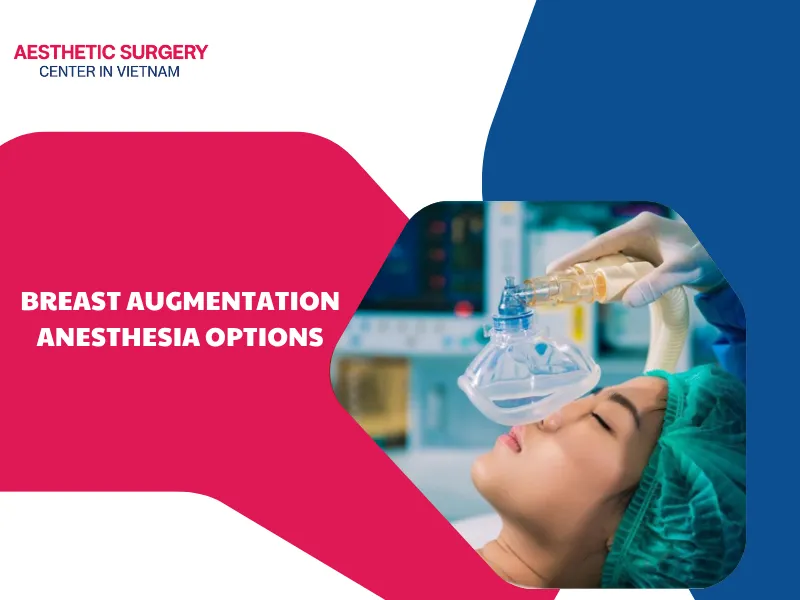
Having someone to assist you is required for outpatient cosmetic surgery performed under general sedation or breast augmentation anesthesia. According to medical guidelines and policies at reputable medical facilities, patients should arrange for a responsible adult to drive them home from the hospital and provide continuous assistance for at least the first 24 hours after discharge.
During this period, side effects from anesthesia may cause dizziness, nausea, or temporary loss of balance. The person assisting you can monitor for unusual symptoms, help you take medications on time, assist you when going to the bathroom, and prepare light meals.
Prepare your living space for comfort
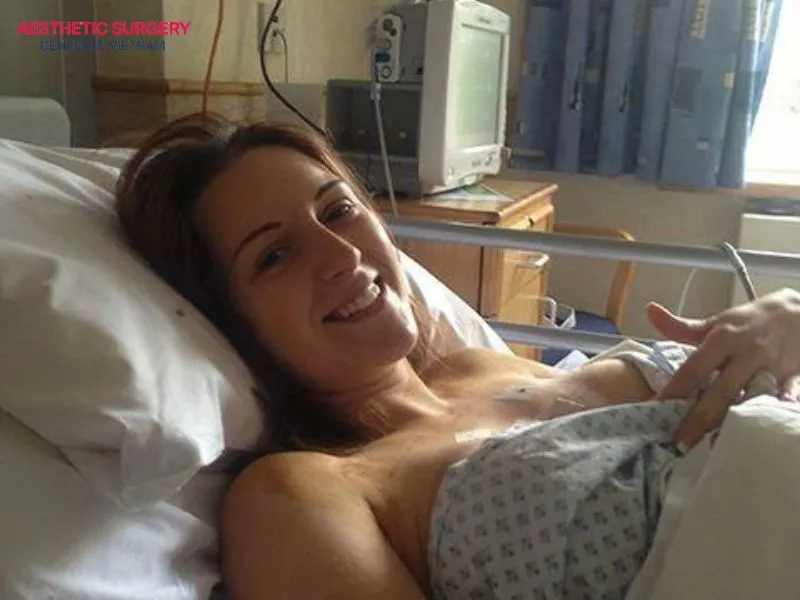
Your recovery space at home should be arranged carefully to make it easier to rest in a semi-reclined position. Specialists recommend preparing a wedge pillow or several soft pillows to keep the upper body elevated at an angle of about 30 to 45 degrees. This can help reduce swelling and prevent you from sleeping on your stomach.
A useful tip is to place frequently used personal items such as your phone, remote control, drinking water, books, and medications at chest level. This helps you avoid reaching overhead or stretching your body. It also prevents sudden pressure on the chest muscles and newly closed incisions.
Schedule time off work and daily responsibilities
Work and a busy daily schedule should be set aside to prioritize recovery after breast augmentation surgery. Depending on whether you have an office job or perform physical work, you should arrange at least 1 to 2 weeks off with your employer. Individuals who work at a computer for several hours may be able to return after about 10 days, once chest tightness has significantly improved.
However, heavy lifting, high-intensity exercise, and long-distance driving should be postponed for about 4 to 6 weeks. Follow the specific instructions provided by your surgeon.
Instructions for the days surrounding surgery
In the days leading up to breast augmentation surgery, you should strictly follow personal hygiene instructions and fasting requirements before surgery. You should also prepare your postoperative medications in advance. These steps help the procedure go smoothly and safely while minimizing the risk of infection.
Guidelines for the night before your procedure
The night before surgery, you should carefully follow hygiene guidelines to remove bacteria and dirt from the skin. At this time, you should:
- Shower thoroughly with a specialized antibacterial soap or an antiseptic solution provided by the medical facility. Pay particular attention to cleaning the underarm area and the skin around the breasts.
- Do not apply body lotion, moisturizing oil, strongly scented body wash, or perfume after showering. These products may affect the adhesion of medical tape or interfere with equipment used in the operating room.
- Purchase all prescribed postoperative medications before the day of surgery, including antibiotics and pain medication. This ensures they are ready for use as soon as you return home.

What to do on the day of surgery
- Stay calm and relaxed on the day of surgery. Arrive on time and follow the fasting instructions provided by your anesthesiologist.
- Wear loose, comfortable clothing with buttons or a zipper in the front. This prevents you from having to raise your arms over your head when changing clothes after surgery.
- Important items to bring include identification documents, an insurance card, complete medical records, reading glasses, a mobile phone, and a portable charger.
- Avoid wearing jewelry, artificial nails, or nail polish. Do not bring valuable items to the surgical facility. This helps make the preparation process as smooth as possible.
Mental and emotional preparation
Feeling slightly anxious before major surgery is a completely normal emotional response. However, learning to manage your emotions, setting realistic expectations, and building a strong support system can help you enter the operating room feeling more confident, relaxed, and positive.
Set realistic expectations for your results
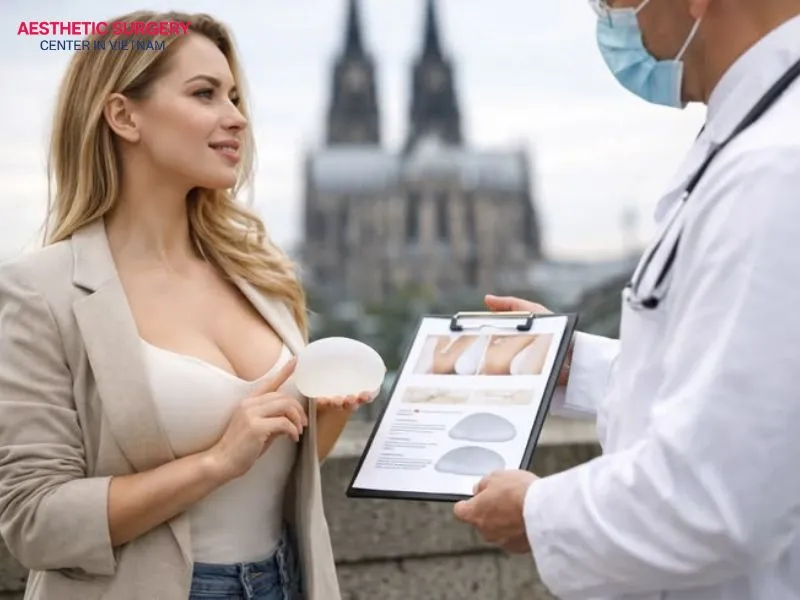
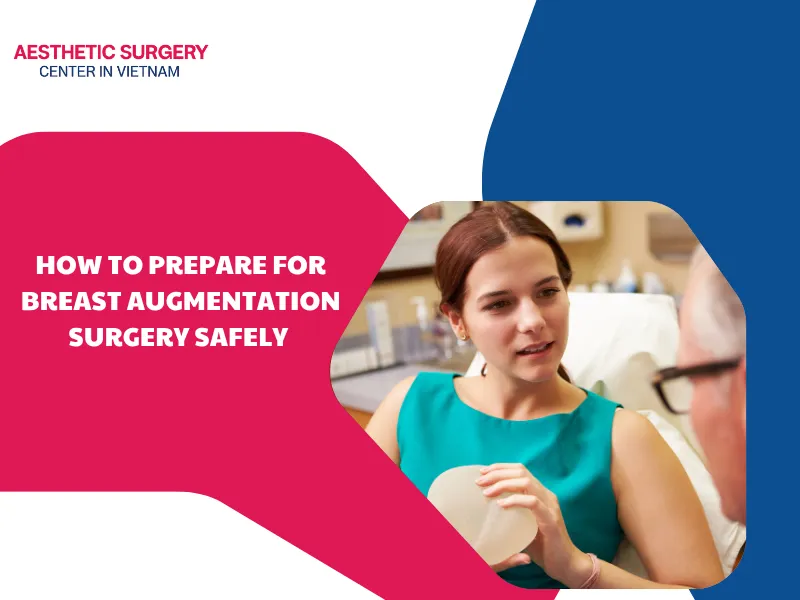
Understanding your body’s anatomical limitations and the cosmetic results that can realistically be achieved is important for avoiding disappointment after surgery. During detailed consultations, the surgeon will recommend a breast shape based on your body frame, skin elasticity, and existing breast tissue. You should discuss your desired breast size and shape in detail with your surgeon to receive realistic professional advice. This will help you set appropriate expectations for changes to your figure instead of pursuing an excessively large result that may not suit your body.

Build a positive support system
Emotional stress can be greatly reduced when you receive understanding and support from loved ones. Sharing your fears and concerns with your spouse, family members, or close friends can help you feel more relaxed instead of keeping everything to yourself.
If stress becomes overwhelming, contacting the medical team or nurses at the surgical facility is an effective way to get clear answers to your concerns. In addition, practicing deep breathing exercises, short meditation sessions, or listening to relaxing music for a few days before surgery can help calm the nervous system and bring the body into a more balanced state.
As discussed above, understanding how to prepare for breast augmentation surgery is extremely important because preparation directly affects your mental well-being, physical readiness, and the outcome of the procedure. Carefully following medical and physical preparation instructions and arranging a suitable recovery space can provide a strong foundation for safe surgery and a smoother recovery. Always discuss your preparation in detail with a qualified surgeon to receive advice that suits your individual condition. If you are considering breast augmentation in Vietnam but are unsure where to have the procedure, contact Aesthetic Surgery Center in Vietnam for a detailed consultation and a surgical plan tailored to your individual needs.











Comment on the post