


Breast augmentation with implants has long been a popular cosmetic procedure that helps women achieve fuller, more confident-looking breasts. However, like any surgical procedure, it carries certain medical risks if not properly managed. The body’s reaction to a foreign object or postoperative complications may lead to breast implant illness symptoms ranging from mild to severe. Read the detailed information below to better recognize the warning signs and protect your health.
What is breast implant illness?
Breast Implant Illness (BII) is a medical term used to describe a group of autoimmune reactions and systemic symptoms that occur in some women after breast implant surgery. This condition can develop whether the implants are intact or ruptured. Symptoms may appear soon after surgery or develop gradually over many years.
The clinical presentation of breast implant illness symptoms varies widely, from mild discomfort to severe symptoms that cause long-term physical exhaustion. One of the greatest challenges in diagnosing this condition is that routine diagnostic tests, including blood tests, ultrasound, and X-rays, often produce completely normal results.
Because of this discrepancy, many patients may be overlooked or misdiagnosed with musculoskeletal or neurological disorders. Understanding the nature of this condition helps patients make informed decisions and seek evaluation from experienced medical specialists for timely diagnosis and appropriate treatment.
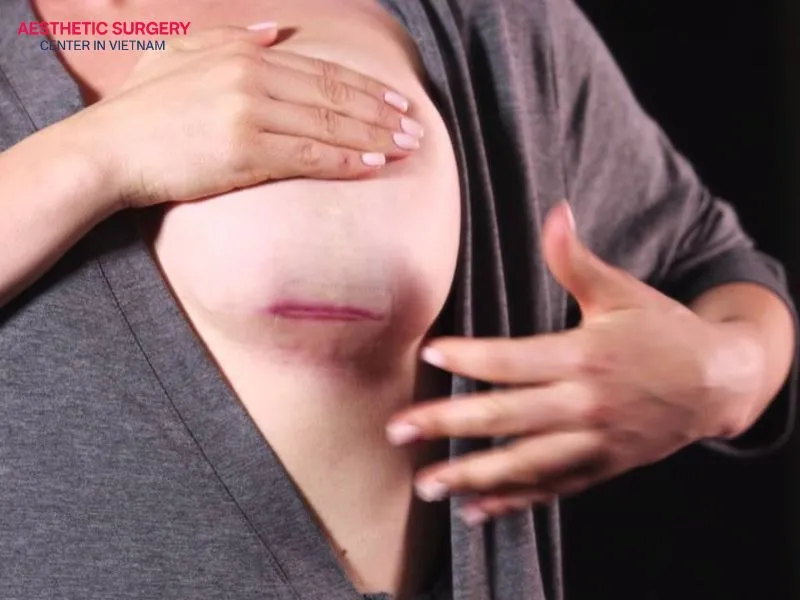
Common breast implant illness symptoms to watch for
Recognizing breast implant illness symptoms early plays an important role in protecting your health and preventing serious postoperative complications. Because the immune system can trigger a body-wide response, breast implant illness symptoms are often not limited to the breasts but may affect multiple organs throughout the body.
Systemic and autoimmune symptoms
This group of symptoms usually develops when the immune system remains in a constant state of activation in response to a foreign object, leading to chronic systemic inflammation:
- Persistent fatigue: A constant feeling of exhaustion, even without strenuous activity, that does not improve with rest.
- Brain fog: Short-term memory problems, difficulty concentrating, and reduced ability to process daily information.
- Muscle and joint pain: Widespread muscle aches and joint pain that resemble the symptoms of autoimmune diseases.
- Hair loss and skin allergies: Excessive hair shedding along with skin that is prone to rashes, hives, and increased sensitivity to changes in the weather.
Medical explanation: When a breast implant interacts with the surrounding tissue, the body naturally creates an inflammatory response to isolate the foreign material. If the immune system is overly sensitive, this response can continuously stimulate white blood cells to release cytokines into the bloodstream. These inflammatory substances may then attack healthy tissues, leading to a wide range of systemic autoimmune symptoms.

Localized breast and physical changes
In addition to systemic reactions, mechanical stress and structural changes in the implant pocket can directly indicate underlying problems:
- Chest pain and tightness: A persistent dull ache, tightness, or occasional sharp pain affecting one or both breasts.
- Breast deformity: The breasts may become asymmetrical, develop contracture, appear misshapen, or feel unusually firm to the touch.
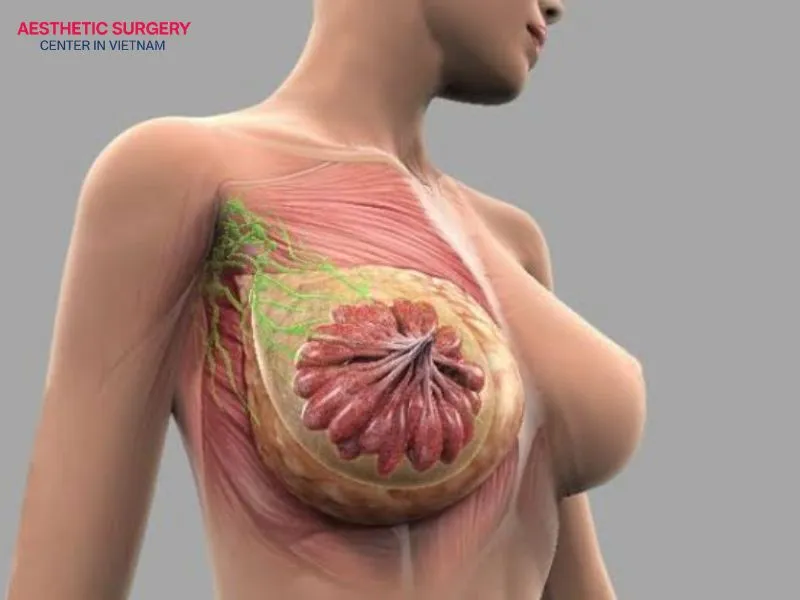
- Swollen nearby lymph nodes: Painful, enlarged lymph nodes may develop in the armpits or around the collarbone.
- Sleep disturbances and shortness of breath: Inflammation and tightening around the implant pocket may create a sensation of restricted breathing and disrupt deep sleep.
Medical explanation: These localized changes are most commonly caused by capsular contracture or microscopic implant leakage. As the collagen capsule surrounding the implant thickens and tightens excessively, it can compress nearby sensory nerves and blood vessels, resulting in localized pain and significant changes to the natural shape of the breasts.
How is breast implant illness diagnosed?
There is currently no specific test that can confirm breast implant illness symptoms. Therefore, surgeons primarily diagnose the condition by ruling out other possible diseases. The evaluation usually begins with a detailed medical history, an assessment of how the symptoms affect the patient’s quality of life, and imaging studies to examine the condition of the breast implants.
To rule out autoimmune or endocrine disorders, surgeons may recommend several tests, including:
- Antinuclear antibody (ANA) testing to detect signs of autoimmune disease.
- Thyroid function and hormone testing.
- Blood tests to assess inflammatory markers.
- Referral to a rheumatologist or neurologist if symptoms mainly involve musculoskeletal pain or cognitive impairment.
Because the symptoms of this condition closely resemble those of other autoimmune disorders, surgeons often order additional laboratory tests, such as autoimmune blood panels, erythrocyte sedimentation rate (ESR) testing, and diagnostic imaging. The primary goal is to rule out conditions with similar symptoms, including rheumatoid arthritis, systemic lupus erythematosus, and Lyme disease.
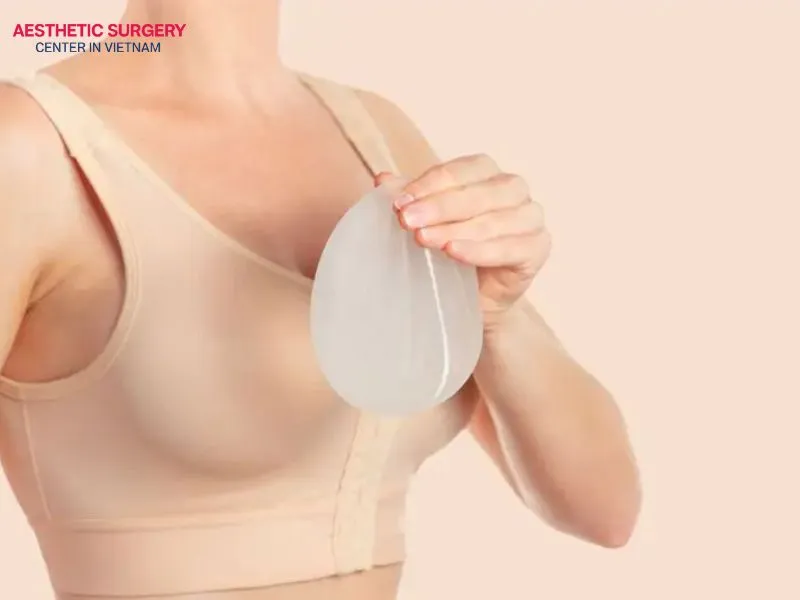
An important medical consideration is that breast implant removal or replacement surgery may significantly relieve symptoms in many patients. However, there is no guarantee that all symptoms will completely resolve, as breast augmentation recovery depends on each individual’s immune system sensitivity.
Treatment options for breast implant illness symptoms
When breast implant illness symptoms become persistent and significantly affect quality of life, a personalized treatment plan is essential. Depending on the severity of the immune response and the patient’s overall condition, the specialist may recommend definitive surgical treatment or combine it with supportive medical therapies.
Breast implant removal and capsulectomy
This is considered the most effective and definitive treatment for completely removing the source of irritation from the body.
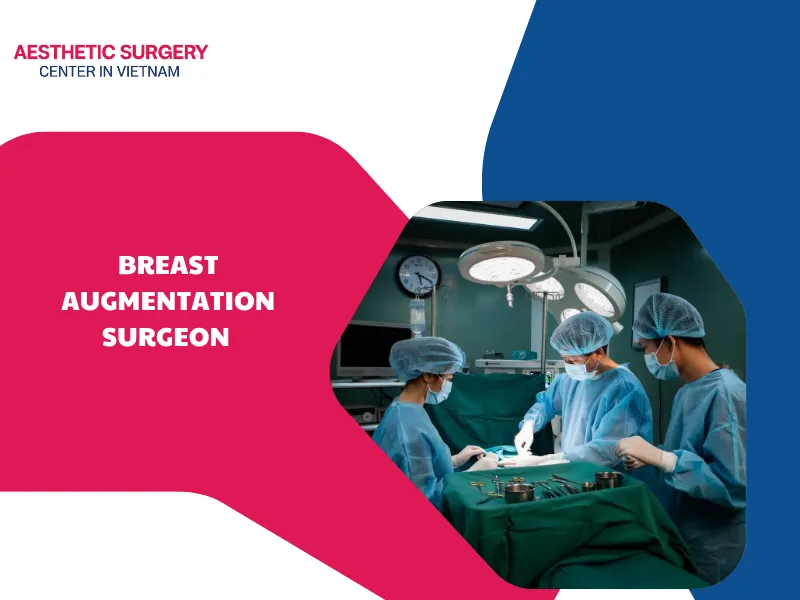
- Implant removal: The surgeon reopens the previous incision, carefully accesses the implant pocket, and gently removes the breast implant while preserving the surrounding healthy tissue.
- Total capsulectomy: This is regarded as the gold standard treatment. The surgeon removes the entire fibrous capsule together with the breast implant. This technique helps prevent leaked silicone gel from remaining in the breast tissue and reduces the risk of inflammatory fluid spreading beyond the implant pocket.
- Clinical outcomes: Completely removing the source of chronic inflammation has been shown to significantly relieve persistent fatigue, brain fog, and joint pain in many patients.
Non-surgical symptom management
For patients with mild symptoms, or as supportive care following breast implant removal surgery to promote full recovery:
- Anti-inflammatory and immune-modulating therapy: Nonsteroidal anti-inflammatory drugs (NSAIDs) or immune-modulating medications may be prescribed to reduce acute systemic inflammation.
- Anti-inflammatory nutrition plan: A structured diet that minimizes sugar intake, follows a gluten-free approach, and includes antioxidant-rich foods may help neutralize free radicals and reduce the burden on the immune system.
- Detoxification support and overall health optimization: Supplements that support liver and kidney function, together with probiotics to promote gut health, may help enhance the body’s natural detoxification processes.
When to consult a specialist?
Listening to your body and responding promptly to unusual symptoms is essential for protecting your health after breast augmentation. You should schedule an evaluation with a plastic surgeon or an immunology specialist if you experience any of the following:
- Worsening symptoms: Chest pain, shortness of breath, brain fog, or chronic fatigue become more frequent or more severe and begin to interfere with your daily activities.
- New abnormal signs: Any sudden change in breast shape, such as contracture or asymmetry, swollen lymph nodes in the armpit, or an unexplained skin rash.
- Do not ignore these symptoms or attempt to self-treat at home: Early medical evaluation allows surgeons to assess for complications such as capsular contracture, fluid accumulation, or implant leakage and provide appropriate treatment to protect both your health and the aesthetic outcome of your breasts.
To make your medical consultation more effective, you should prepare the following medical information:
- A detailed list of your symptoms and when they first appeared.
- Information about your breast implants, including the implant type, the date of surgery, and the medical facility where the procedure was performed.
- Any previous test results or medications that have been prescribed.
Overall, recognizing breast implant illness symptoms early is essential for protecting your immune health and maintaining the long-term appearance of your breasts. If you notice any unusual symptoms affecting your body or changes in your breasts, seek medical attention at a reputable healthcare facility as soon as possible for proper evaluation and timely treatment. If you are looking for a trusted breast surgery center in Vietnam with a comprehensive complication screening protocol, contact Aesthetic Surgery Center in Vietnam today. We are committed to helping you achieve beautiful, natural-looking breasts while protecting your health after surgery.











Comment on the post