


After undergoing breast surgery, your daily diet and the restrictions you follow have a significant impact on the aesthetic outcome and the recovery process. This leads many women to wonder if it is safe to consume alcohol after breast augmentation. The detailed answer to this question, along with other related information, will be explained in this article.
Can I drink alcohol after breast augmentation?
According to cosmetic surgeons, women should not drink alcohol following breast surgery and must strictly abstain for at least 4 weeks. This is a crucial period when the body needs to focus its energy on healing wounds and avoiding any negative impacts from alcoholic beverages. Furthermore, this abstinence period depends on each individual’s body constitution and recovery speed; you may need to abstain for longer, potentially up to 6–8 weeks.
To ensure the breast shaping process goes smoothly, safely, and achieves the highest aesthetic results, strictly follow your surgeon’s instructions. Prioritize drinking plenty of filtered water and fresh fruit juices to support your body in healing quickly.
When is it safe to drink alcohol after surgery?
The safest time to start drinking alcohol after breast augmentation is about 1 month post-surgery. At this stage, the breasts have gradually stabilized in most cases. Although you can resume drinking, remember that you should only start with a small, moderate amount to gauge your body’s reaction.
However, the healing speed and implant stabilization vary from person to person. To maximize the protection of your aesthetic results, you should always consult directly with your specialist during regular follow-up visits before deciding to drink alcohol again.

The effects of alcohol on the body after breast augmentation surgery
The reason you should avoid drinking alcohol after breast augmentation is that alcoholic beverages can cause numerous negative effects on your body and the surgical wounds. These include thinning the blood, increasing the risk of bleeding, causing swelling and bruising at the incision site, and leading to dehydration, all of which slow down the body’s recovery process. Specifically:
Slows down the recovery process
Alcohol impairs the immune system and hinders the body’s natural cell regeneration capabilities. When consuming alcoholic beverages, the body prioritizes breaking down and eliminating toxins from the alcohol instead of focusing its energy on healing the wound. This significantly prolongs your recovery time.
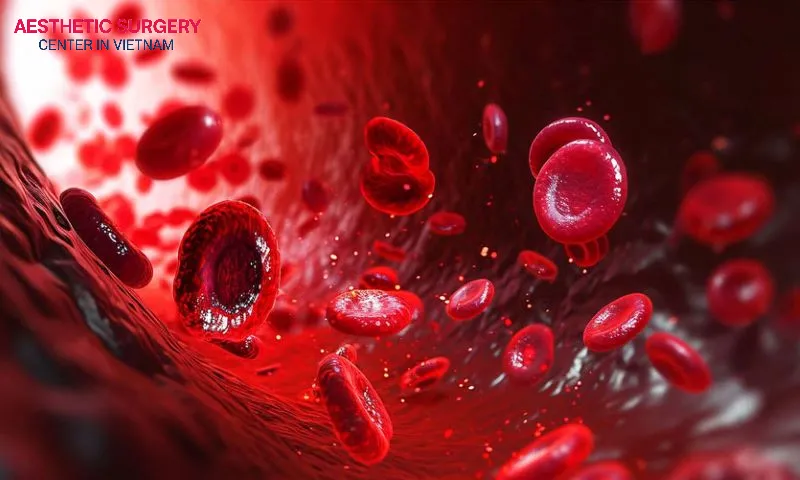
Blood thinning
Alcohol acts as a blood thinner, which is highly dangerous for anyone who has just undergone surgery. Impaired blood clotting not only increases the risk of bleeding and oozing at the incision line but can also lead to hematomas (blood pooling) inside the chest cavity, which sometimes requires medical intervention to resolve.
Adverse reactions with medications
After surgery, doctors often prescribe painkillers and antibiotics to manage pain and prevent infection. Drinking alcohol while taking these medications can cause dangerous interactions, neutralize the drugs’ effectiveness, or cause toxicity, placing heavy pressure on liver and kidney functions.
Increased swelling
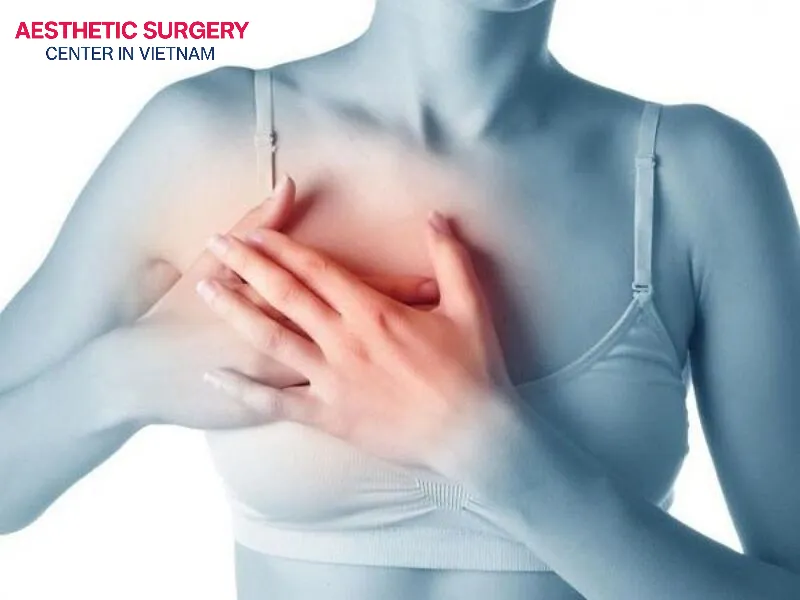
Alcoholic beverages dilate blood vessels, causing more blood to flow to the tissues surrounding the wound. As a result, inflammation and swelling in the chest area will become more severe and take longer to subside, causing unnecessary tightness and pain.
Dehydration
Alcohol is a strong diuretic, causing the body to rapidly excrete water. Dehydration not only dries out the skin, affecting its elasticity and the scar-healing process, but also hinders the circulation of essential nutrients needed to nourish the new breast tissue.
Fatigue
Deep sleep is a prerequisite for the body to restore energy after major surgery. Alcohol can disrupt your natural sleep cycle, making you toss and turn and preventing restful sleep. This ultimately leads to fatigue, lethargy, and both mental and physical exhaustion.
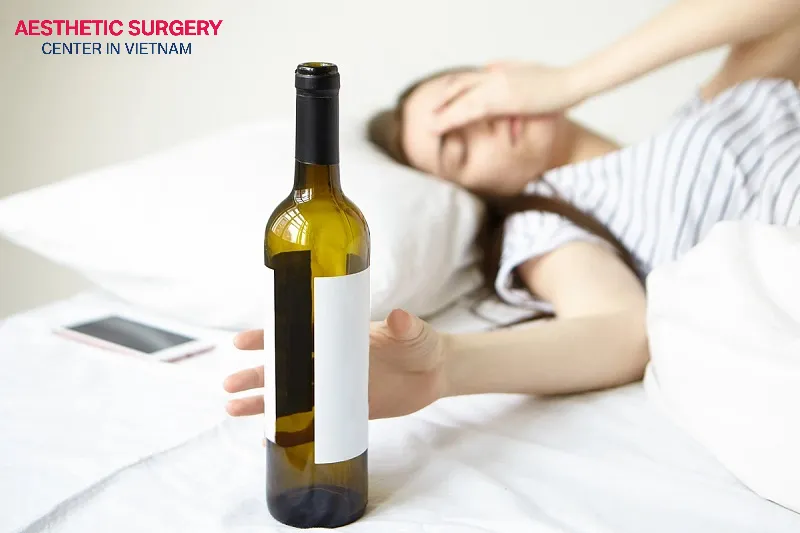
Tips to control alcohol cravings during recovery
Abstaining from alcoholic beverages can sometimes cause restlessness, especially if you have a habit of social drinking or sipping a drink to relax. To ensure maximum safety and help your bust quickly settle into a perfect shape, here are some helpful tips to gently control your alcohol cravings:
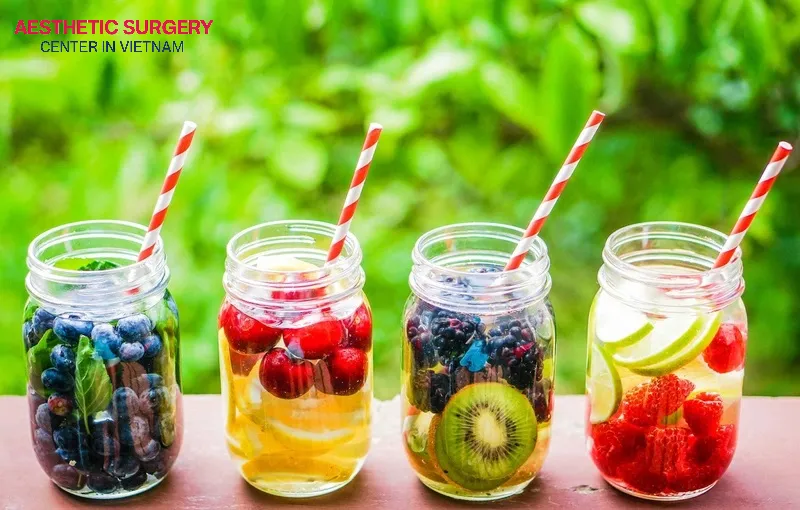
- Find appealing alternative drinks: “Trick” your taste buds with sophisticated non-alcoholic beverages. A glass of fresh fruit juice, detox herbal tea, or a fragrant Cold Brew (be sure to choose decaf so it doesn’t cause insomnia) can provide a relaxing, satisfying sipping experience while keeping your body fully hydrated.
- Stay away from “temptations” in the early stages: Minimize attending parties, bars, or pubs for at least the first 2–4 weeks after surgery. Temporarily put away any alcohol bottles in your house out of sight to minimize visual triggers.
- Inform friends and family in advance: Don’t hesitate to share information about your breast augmentation recovery process. When people around you know you are in an abstinence phase following cosmetic surgery, they will proactively avoid offering you drinks, won’t apply peer pressure, and may even support you in maintaining healthy habits.
- Distract your mind with personal hobbies: When a craving strikes, redirect your focus immediately. Spend time on self-care or immerse yourself in thrilling movies, mystery novels, or survival games to keep your brain busy and forget the urge to drink.
- Visualize your physique goals: Whenever you want to break the rules, remind yourself of the reason you decided to undergo surgery in the first place. Visualizing the final result-a perfect figure with your desired contours-will create a solid psychological barrier, helping you firmly say no to stimulants.
Undergoing breast augmentation surgery is a significant investment of time, effort, and finances to elevate your beauty. Therefore, strictly avoiding alcohol after breast augmentation during the post-operative period is crucial to ensure that your recovery process is as fast and safe as possible.If you experience any difficulties in managing your daily lifestyle routine or notice any abnormal signs in the breast area, please contact your plastic surgeon directly for timely advice and intervention.
>>> See more: Breast augmentation questions?












Comment on the post