



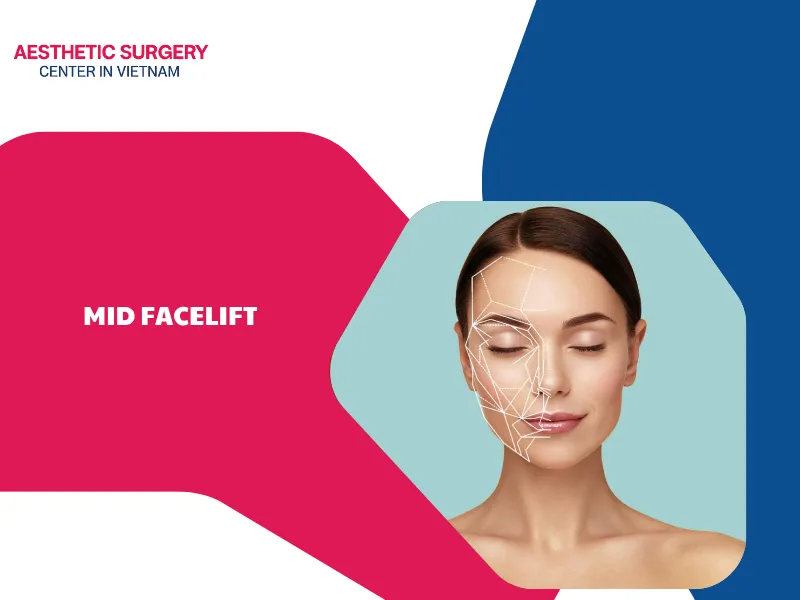
A mid facelift is an advanced aesthetic procedure that helps improve sagging in the middle area of the face without treating the entire face. This technique focuses on restructuring the soft tissues from the lower eyelids to the corners of the mouth. It provides a brighter and more natural appearance. Understanding the technique and procedure will help you feel more prepared throughout your beauty journey.
What is a mid facelift?
A mid facelift is a surgical aesthetic procedure that directly treats the area from below the lower eyelids to the corners of the mouth to improve early signs of aging. This technique focuses on reshaping the soft tissues and deeper structures underneath instead of simply tightening the surface of the skin.
Target areas in the midface region
The midface includes anatomical structures that are greatly affected by the natural aging process. The main treatment areas usually include under-eye bags, deep tear troughs, sagging cheeks, and the upper part of the nasolabial folds. The surgeon focuses on these areas to restore volume to the sunken central part of the face. Precise treatment helps the skin around the eyes and cheeks regain firmness without changing the patient’s natural facial expressions
Differences between a mid facelift and a full facelift
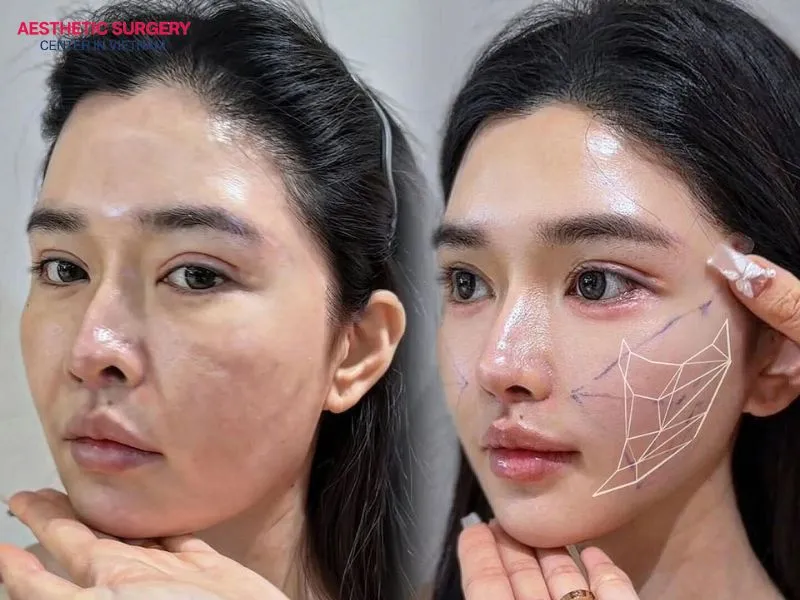
The main difference between a mid-facelift and a full facelift lies in the treatment area. A mid facelift only focuses on the middle area of the face, from the lower eyelids to the corners of the mouth. It does not affect the forehead or lower jawline.
In contrast, a full facelift requires longer incisions and more extensive tissue dissection to treat the neck, double chin, and upper face at the same time. Choosing a mid-facelift can help shorten the facelift recovery process for individuals who only want to improve concerns around the cheeks and smile lines.
Key benefits of midface lift surgery
A mid facelift provides many aesthetic and practical benefits because it can improve several facial concerns in a single procedure. Instead of undergoing multiple smaller procedures that take more time, this technique helps comprehensively restructure the midface with long-lasting results. Understanding these specific benefits can help patients have a more objective view before making an aesthetic decision.
Restores youthful volume to sagging cheeks
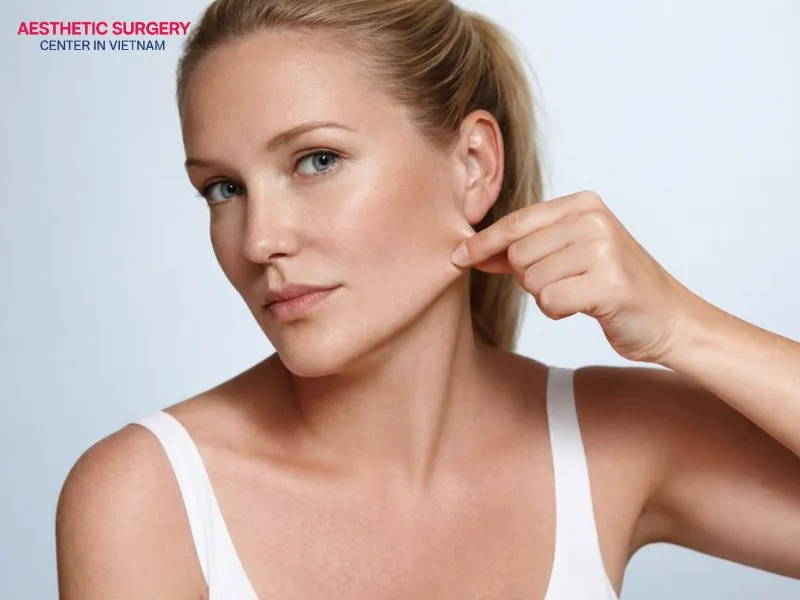
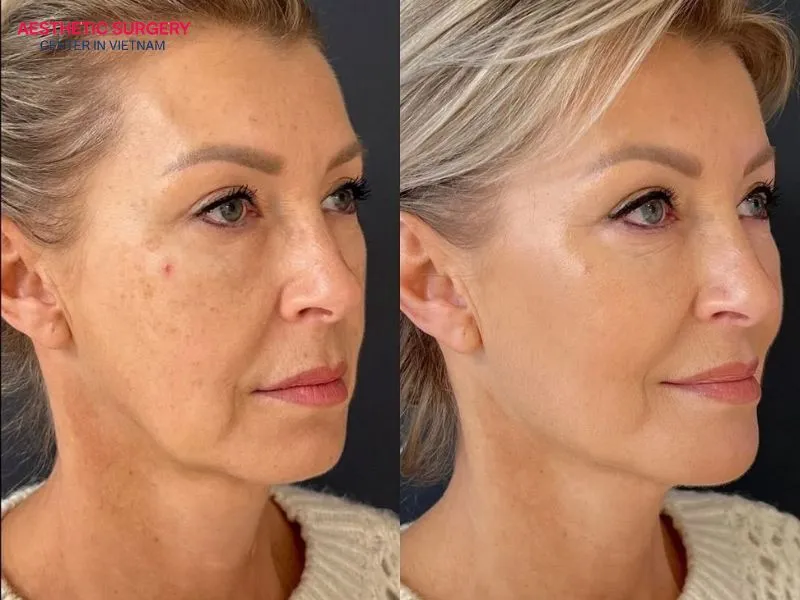
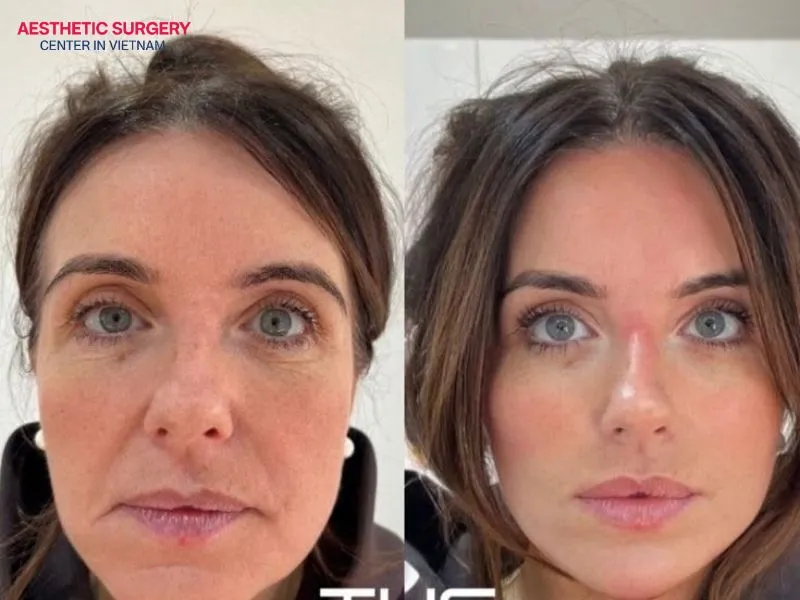
The gradual shifting of cheek fat over time is a major reason the face may look hollow and older. A mid-facelift helps reposition these fat pads to their original anatomical position and maintain the results for a long time. As a result, the cheeks are not only lifted but also regain their natural fullness and youthful appearance.
Smooths deep smile lines and nasolabial folds
Deep smile lines become more noticeable when the surrounding soft tissues lose support and begin to sag. This procedure targets the underlying fascial layer to lift the tissues and release the tension affecting the corners of the mouth. As a result, smile lines are significantly reduced, helping the overall face look more refined.
Who is an ideal candidate for a mid-facelift?
A mid facelift is a safe and effective aesthetic solution that may be suitable for many individuals, including:
- Individuals between the ages of 30 and 55 who have noticeable signs of facial aging.
- Individuals with deep tear troughs, sagging cheeks, or those who have previously received dermal fillers without achieving the desired results.
- Patients who have experienced mild complications after lower eyelid surgery, such as eyelid turning outward, or those who want facial rejuvenation but do not yet need a full facelift may find this technique suitable.
Before the procedure, medical professionals always perform a thorough health screening to help ensure patient safety. This procedure is not recommended for individuals with serious underlying conditions related to blood clotting, cardiovascular health, or unstable psychological conditions.
How is the mid facelift procedure performed?
The mid-facelift procedure requires careful preparation, from the initial examination to advanced surgical techniques performed in a sterile operating room. The use of modern technology helps minimize tissue damage and supports a smoother healing process.
Anesthesia and surgical incision placement
The surgeon will use general anesthesia or deep sedation so that the patient does not feel pain throughout the surgery. The incisions are carefully designed and hidden close to the lower eyelid margin or extended slightly into the natural crease near the ear. As a result, postoperative scars are barely noticeable and gradually fade over time.
Surgical steps of midface tissue elevation
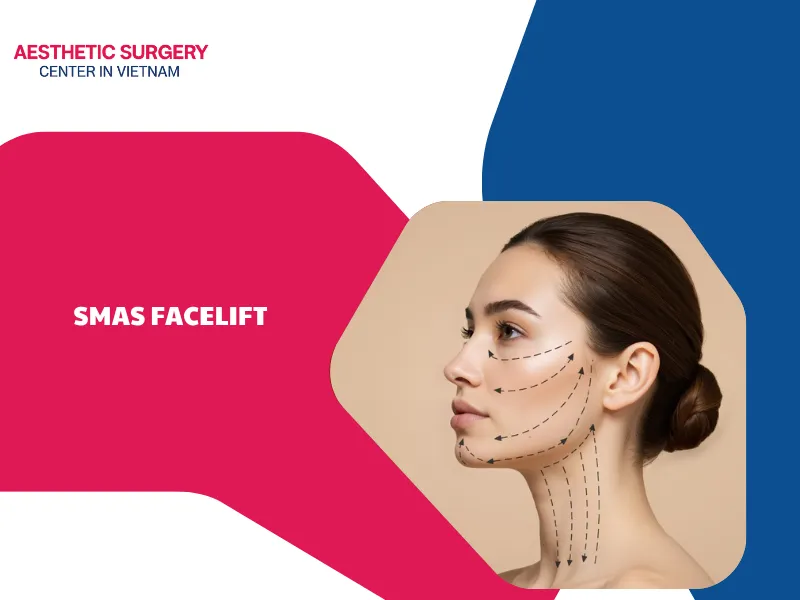
The advanced technique involves subperiosteal dissection or lifting the superficial musculoaponeurotic system (SMAS) to reposition the soft tissues to their original position. A specialized endoscope helps the surgeon clearly see the anatomical structures and protect the facial nerve branches during the procedure. After repositioning the tissue layers, the surgeon secures them with specialized sutures and closes the incisions with fine stitches.
What to expect during mid facelift recovery?
The recovery process after a mid facelift takes place in several clear stages. Patients should understand these stages to take proper care of themselves during recovery.
Timeline for healing and side effects
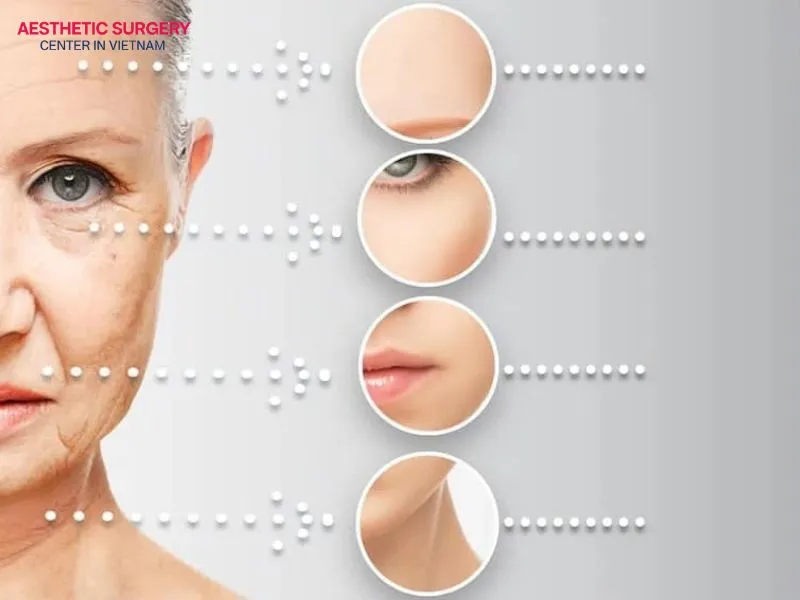
During the first few days, mild swelling and bruising may appear in the midface area between the eyes and mouth due to tissue dissection. After about 7 days, patients will return to the medical facility to have non-dissolvable sutures removed. These side effects will gradually improve if patients follow proper wound care instructions and take anti-inflammatory medication as prescribed by their doctor.
Essential tips to support a smooth recovery
Keeping the head elevated with a soft pillow while sleeping during the first few weeks helps reduce fluid buildup and swelling in the midface. Patients should avoid strenuous physical activities, gym workouts, and swimming for at least the first 3 weeks after surgery. In addition, avoiding foods that may cause raised scars, such as beef, water spinach, and seafood, can also help support the healing process.

How much does a mid facelift cost?
The cost of a mid-facelift varies depending on several professional factors and the quality of the medical facility. The reference price in the international market usually ranges from 25,000,000 VND to 60,000,000 VND, depending on the complexity of the surgery.
This is an elective aesthetic procedure, so it is not covered by current health insurance programs. Patients should also prepare an additional budget for follow-up visits, medications, and living expenses during the recovery period.
Key factors influencing surgical fees
The cost of a mid facelift is affected by many factors. The surgeon’s skills and experience are among the main factors that determine the overall cost of the procedure. In addition, fees for sterile operating room equipment, modern endoscopic facelift technology, and the quality of postoperative care also directly affect the price.
Longevity of midface lift results
The results of a mid-facelift usually last from 5 to 10 years and may even last longer. The longevity of the results depends on a healthy lifestyle, a balanced diet, and each person’s natural aging process. Protecting the skin from sun exposure and maintaining a stable weight can help prolong the results of the repositioned facial tissues.
Frequently asked questions about mid-facelift
How long do mid facelift results typically last?
The results of mid-facelift surgery usually remain stable for about 10 years, depending on each person’s condition and daily skincare routine. Although the body’s natural aging process continues afterward, the tissues in the midface will not completely return to their original position.
Is a mid facelift safe and minimally invasive?
A mid-facelift is considered safe and moderately invasive when performed by an experienced plastic surgeon in a qualified medical facility. Endoscopic technology allows the surgeon to precisely dissect each tissue layer without damaging important surrounding nerves. However, patients should still consult a medical professional to understand the potential risks before deciding to undergo the procedure.
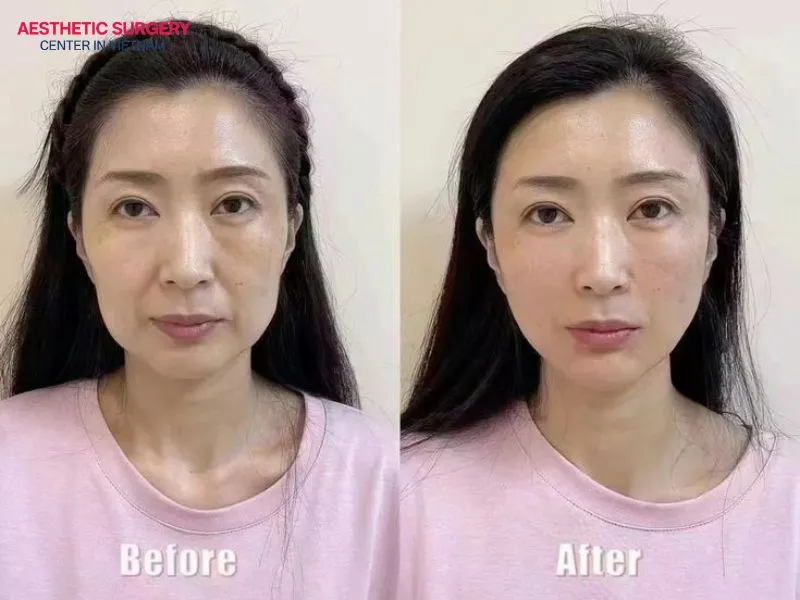
A mid facelift is an effective solution that helps naturally restructure the central area of the face and provides long-lasting results. However, any aesthetic procedure may involve certain risks. Therefore, it is important to understand the recovery timeline and follow medical instructions to achieve the desired aesthetic results.



















Comment on the post