



If you want to reduce smile lines, lift the eyebrows, and add volume to the temples but are afraid of pain or visible scars, an endoscopic facelift may be worth considering. This method helps thousands of women restore a youthful appearance in just 60 minutes, without skin excision or visible scars, and with rapid recovery within 5–7 days. This article will help you clearly understand what an endoscopic facelift is and provide comprehensive information related to this procedure.
What is an endoscopic facelift?
An endoscopic facelift is a minimally invasive facial rejuvenation surgical technique that uses specialized endoscopic equipment with a magnified camera to access the underlying muscle structures through very small incisions (about 1–2 cm) hidden within the hairline. The procedure involves dissecting, lifting, and tightening the muscle layers, then fixing them in a higher position.
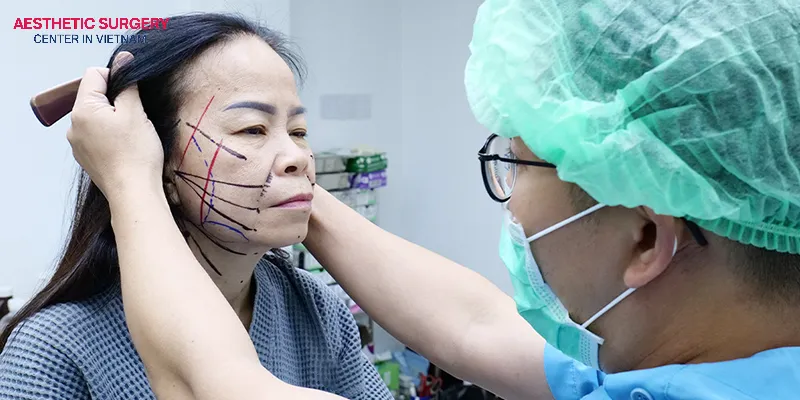
Unlike traditional techniques that require removing large amounts of excess skin, this approach focuses on precise dissection, releasing ligament attachment points, and lifting sagging muscle tissues to a higher position, then securely fixing them to the periosteum. This method is especially effective for lifting the eyebrows, tightening the forehead area, and reducing smile lines, while delivering natural-looking results, no visible scarring, and significantly shorter recovery time.
Do you recommend an endoscopic facelift?
Recommendations for an endoscopic facelift should be based on the degree of aging and the patient’s anatomical structure. This method is generally most suitable for patients with minimal sagging skin, good skin elasticity, and little to no excess wrinkled skin. In contrast, it is not recommended for individuals with excessive tissue, loose skin, or severe sagging, as this technique does not deliver optimal results for these cases.
If you need more reliable advice before undergoing an endoscopic facelift, you should contact a reputable aesthetic clinic to receive detailed consultation from qualified surgeons or specialists and have all your questions answered.
Is an endoscopic facelift right for you?
An endoscopic facelift is usually suitable for patients between 40 and 50 years old. At this age, the skin begins to show signs of aging such as deep smile lines, drooping brows, and sagging eye corners, while skin elasticity is still relatively good. Suitable candidates often have mild to moderate sagging in the mid-face area, early-stage wrinkles around the chin, and gradually less defined cheek contours and jawlines.
In addition, if you are seeking natural-looking rejuvenation and are in good overall health, an endoscopic facelift can be an ideal solution.
It is also important that candidates for an endoscopic facelift maintain a healthy lifestyle, follow a proper skincare routine, and do not smoke.
Benefits of an endoscopic facelift vs traditional facelift
Compared to traditional facelift surgery, an endoscopic facelift offers superior advantages for those who want facial rejuvenation but are concerned about extensive surgery, such as minimal invasiveness, high precision, and natural-looking results. Below are the detailed benefits of an endoscopic facelift:
Minimally invasive approach
This is one of the greatest advantages of an endoscopic facelift. Instead of a long incision from the temple to behind the ear as in traditional methods, the endoscopic technique uses magnified camera technology. The surgeon only needs to make 2–3 small incisions of about 1.5–2 cm, completely hidden within the hairline.
Because the endoscopic device allows the surgeon to clearly see blood vessels and nerves on a large screen, the targeted tissues can be dissected and lifted precisely without causing widespread damage to surrounding areas. This helps minimize pain and blood loss during surgery.
Faster recovery time
An endoscopic facelift is ideal for busy individuals. Since the procedure does not remove excess skin and causes minimal disruption to blood vessels, postoperative swelling and bruising are significantly reduced. While a traditional facelift may take 2–3 weeks for swelling to subside and the face to look normal, endoscopic facelift patients usually recover within 5–7 days and can return to work and light social activities.
More natural-looking results
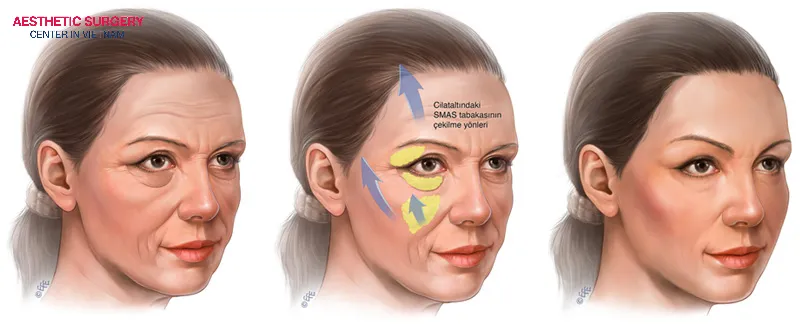
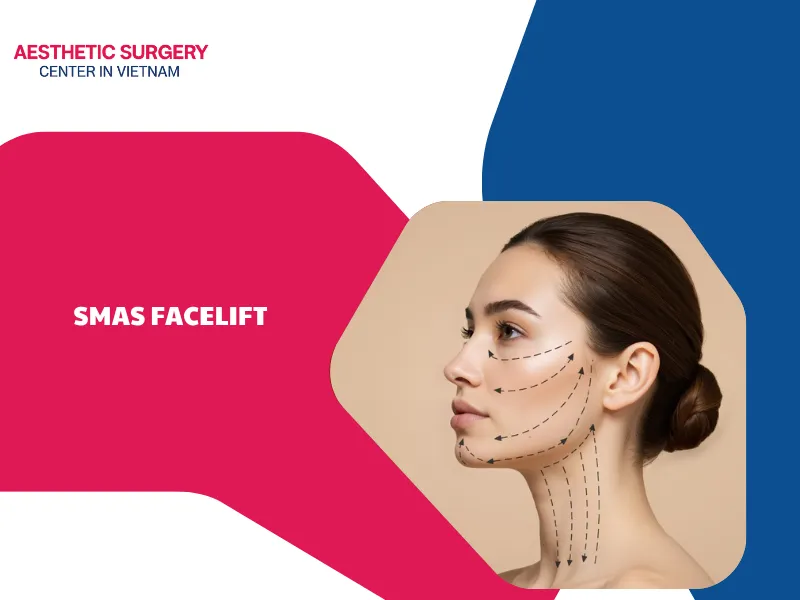
An endoscopic facelift addresses one of the biggest concerns of patients, which is a stiff or distorted facial appearance. Traditional methods often pull the skin laterally toward the ears, making the face look flat and losing its natural contours. In contrast, the endoscopic technique lifts and suspends the tissues in a vertical or upward diagonal direction.
In addition, this technique helps reposition the cheek fat pads and eyebrows to their youthful positions without over-tightening the skin surface, allowing you to maintain natural facial expressions and your original facial vitality.
Lower risk of complications
With the support of advanced optical equipment, the risk of complications is significantly reduced. The endoscopic camera magnifies the surgical field multiple times, enabling the surgeon to clearly identify and avoid sensitive facial nerve branches, thereby minimizing the risk of facial paralysis or permanent numbness.
Moreover, because no large skin flaps are excised and the incision edges are not under excessive tension, pressure on the sutures is minimal. This allows faster wound healing and greatly reduces the risk of widened scars, hypertrophic scars, or skin edge necrosis that are commonly associated with major surgical procedures.

Ideal for younger patients or early signs of aging
An endoscopic facelift is most suitable for patients aged 40–50. These individuals typically have mild to moderate sagging, visible nasolabial folds, and early signs of skin laxity, but do not yet have significant excess skin. Early intervention with an endoscopic technique helps reinforce ligaments and muscle structures, slows down facial sagging, and maintains a youthful appearance for a longer time without waiting until aging becomes severe.
How long does an endoscopic facelift last?
The results of an endoscopic facelift are not permanent, but they are long-lasting compared to non-invasive treatments. Based on clinical studies and real-world practice at aesthetic hospitals, the effects typically last about 5–10 years. This duration is longer than thread lifting but usually slightly shorter than a deep plane facelift.
While an endoscopic approach is more affordable, some patients find the higher deep plane facelift cost to be a worthwhile investment for the additional 5–10 years of rejuvenation it provides.
Endoscopic facelift cost
The cost of an endoscopic facelift typically ranges from 40,000,000 to 80,000,000 VND for a standard procedure at reputable hospitals. Price differences mainly depend on the treatment area and the fixation materials used.
Because the endoscopic technique can be performed on individual areas, you can choose to treat only the areas you need to help reduce costs.:
| Service | Average Cost | Suitable Candidate |
| Endoscopic brow lift & forehead lift | 40,000,000 – 60,000,000 VND | Individuals with forehead wrinkles, drooping eyebrows, and tired-looking eyes. |
| Temporal lift | 25,000,000 – 35,000,000 VND | Individuals with sagging outer eye corners and deep crow’s feet. |
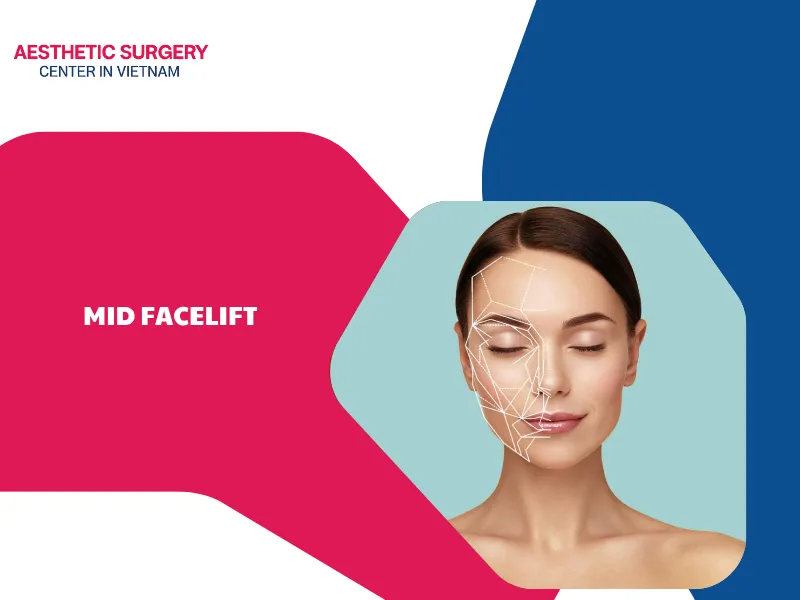
| Midface lift | 45,000,000 – 65,000,000 VND | Individuals with deep smile lines and sagging cheeks. |
| Full endoscopic facial lift | 70,000,000 – 90,000,000 VND | Combines forehead, temple, and midface lifting. |
What is the difference between endoscopic facelift and deep plane facelift?
The biggest difference between an endoscopic facelift and a deep plane facelift lies in the treatment area and the level of invasiveness. Below is a detailed comparison of these two methods:
| Criteria | Endoscopic facelift | Deep Plane facelift |
| Main treatment area | Upper and mid-face (forehead, eyebrows, under-eye area, smile lines). | Lower two-thirds of the face and neck (deep nasolabial folds, jowls, sagging jawline). |
| Surgical technique | Small incisions (1–2 cm) hidden in the hairline. A camera is used to dissect and lift tissues, then secure them in a higher position. This technique does not involve skin excision. | Longer incisions around the ears. The surgeon dissects deeply, releases ligaments, removes excess skin, and repositions muscle layers. |
| Scarring | Completely hidden in the hairline, nearly invisible. | Thin scars running in front of and behind the ears (may be visible with close inspection). |
| Recovery time | 5–7 days (mild swelling, faster recovery). | 14–21 days (more swelling, requires compression bandaging). |
| Neck improvement | Not effective. | Very effective (addresses loose neck skin and sagging jowls). |
| Longevity | 5 – 10 years. | 10–15 years (more durable results). |
| Cost | 40 – 80 million VND. | 70 – 150 million VND. |
What is the most natural looking facelift?
In modern cosmetic surgery, the deep plane facelift is currently considered by experts to deliver more natural-looking results than an endoscopic facelift. This is because the deep plane technique works on the deepest facial layers without distorting facial features, helping the face look fuller and softer, similar to a youthful appearance. It is especially effective, with results lasting about 10–15 years.
However, in Vietnam, not all surgeons can perform the deep plane technique because it operates very close to the facial nerves. You should choose major hospitals or surgeons with advanced expertise in facial anatomy.
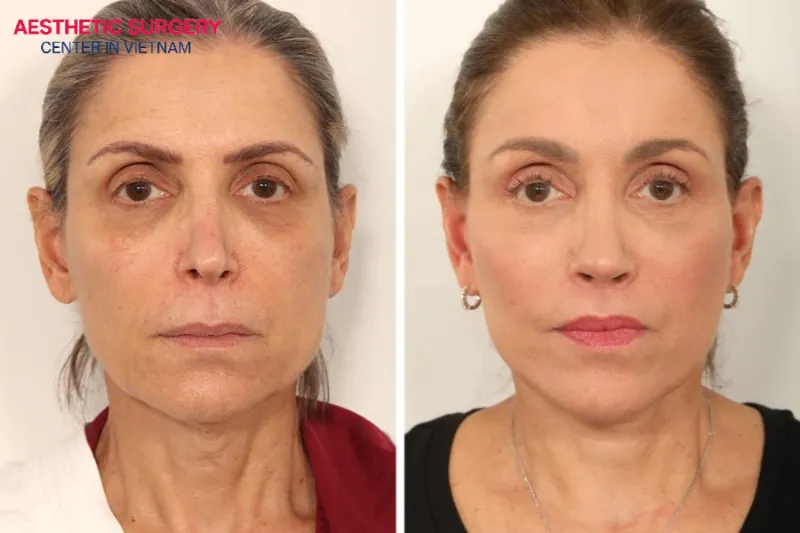
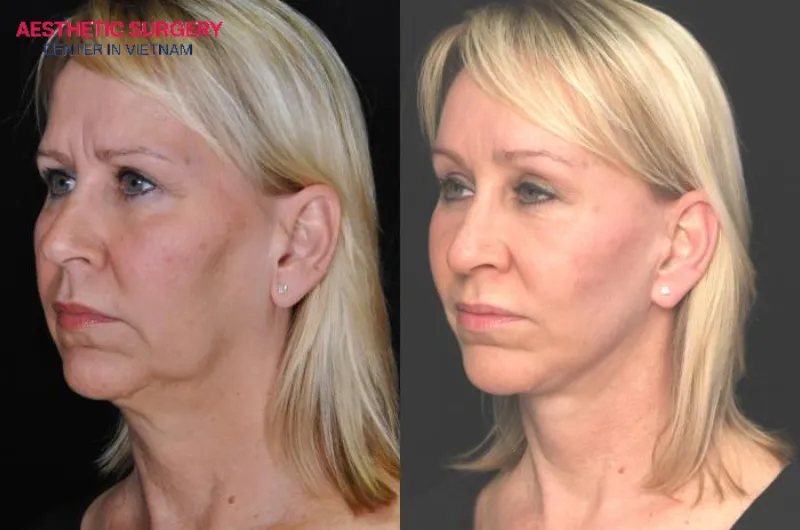
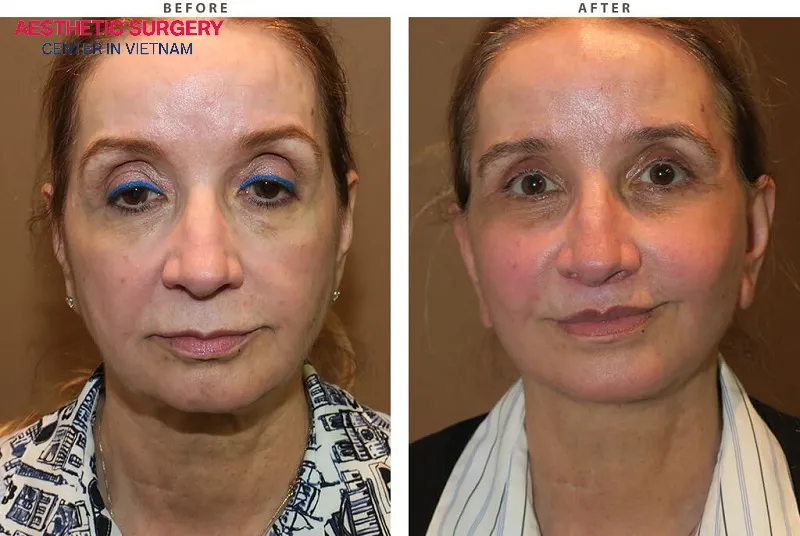
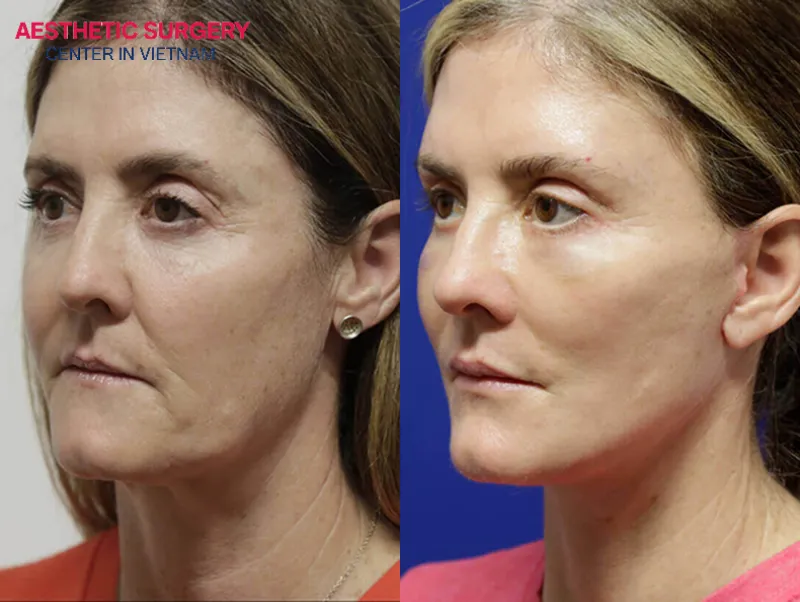
Before and after: Real endoscopic facelift results
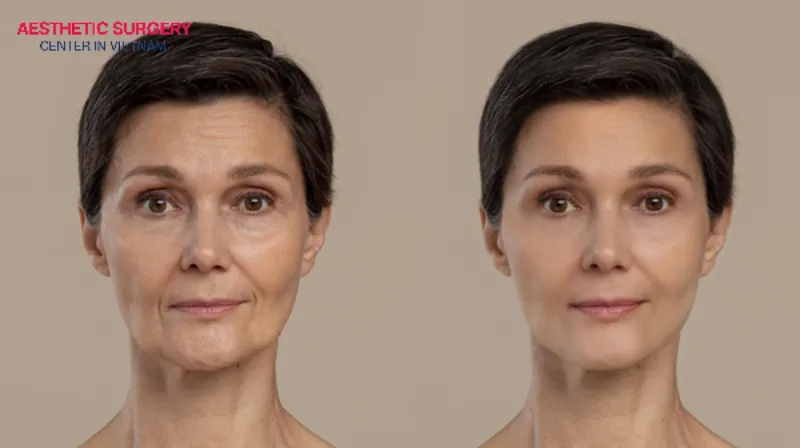
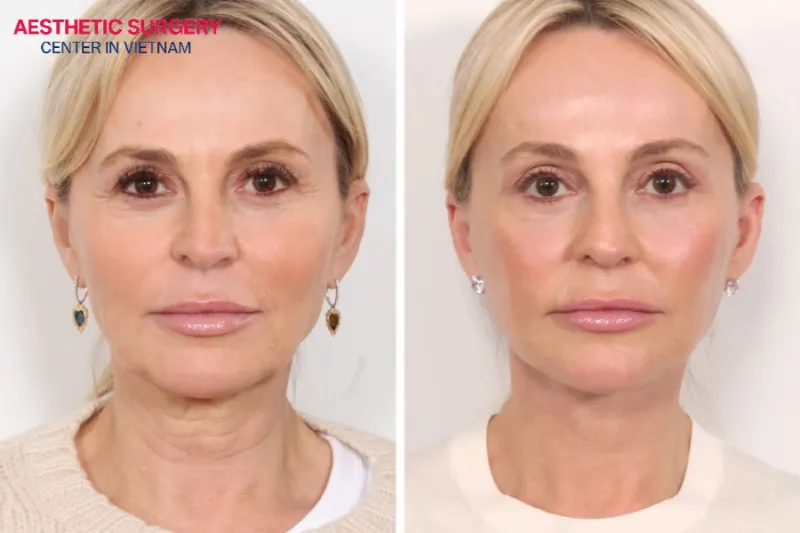
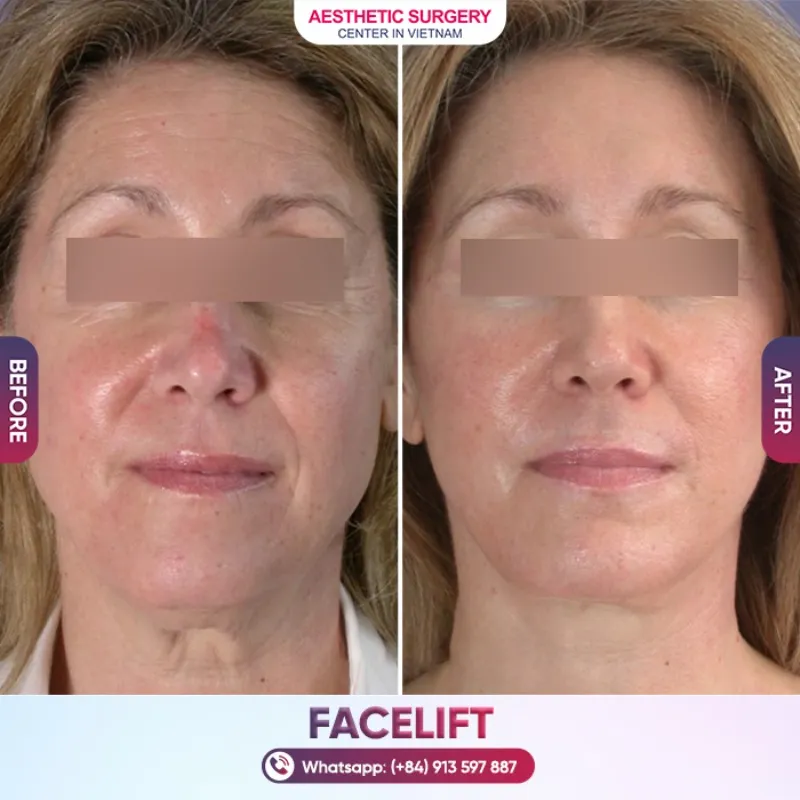
Below are some before-and-after images of endoscopic facelift procedures, showing clear facial improvements. Wrinkles are nearly eliminated, the skin appears smoother, facial contours are more defined, firmness and elasticity are visibly improved, and the overall appearance looks noticeably more youthful.
Risks & Complications
Endoscopic facelift surgery is considered a rejuvenation method that delivers natural-looking results because it is less invasive than traditional surgery. However, as a medical procedure involving anesthesia or local anesthesia, it still carries certain risks that you should be aware of:
Common complications
These are normal postoperative reactions and usually resolve on their own within a few weeks:
- Swelling and bruising: The most common effects, usually peaking on day 2 and gradually improving within 7–14 days.
- Tightness and numbness: Temporary loss of sensation or soreness may occur around the incision sites.
- Temporary asymmetry: Uneven swelling between the two sides of the face may make the face appear slightly asymmetrical during early recovery.
Serious risks and ccomplications
These complications are often related to the surgeon’s technique or sterilization procedures:
- Facial nerve (cranial nerve VII) injury: This is the most concerning risk and may cause facial paralysis, mouth deviation, or incomplete eye closure. The incidence is below 1% and is usually mild and temporary, but severe damage can be permanent.
- Hematoma: Blood accumulation under the skin can cause severe swelling and pain, requiring early intervention to drain and prevent tissue necrosis.
- Infection: If instruments are not properly sterilized or postoperative care is inadequate, the incision may become red, produce discharge, and cause fever.
- Hair loss at the incision site: Because incisions are made along the hairline, overly deep intervention may damage hair follicles, leading to small bald patches.
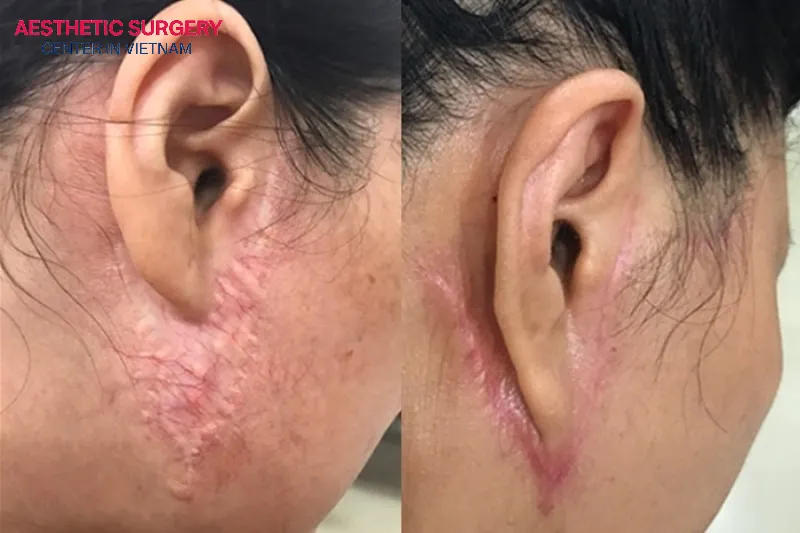
- Poor scarring: Although incisions are small and hidden in the hairline, patients prone to keloids may still experience a thickened or dark facelift scar following the procedure.
Endoscopic face lift address in Vietnam
Undergoing an endoscopic facelift in Vietnam not only helps save costs but also ensures quality comparable to countries such as South Korea or Thailand. Currently, there are many reputable aesthetic facilities in Vietnam offering endoscopic facelift services, among which Aesthetic Surgery Center In Vietnam is a notable example. This center offers several outstanding advantages, including:
- The brand uses high-resolution endoscopic equipment, allowing surgeons to closely observe every nerve and blood vessel. This minimizes invasiveness, reduces swelling and bruising, speeds up recovery, and helps the face look 5–10 years younger while maintaining natural facial expressions.
- The team of surgeons and specialists at Aesthetic Surgery Center In Vietnam has high expertise and extensive experience in handling the unique characteristics of Vietnamese skin and facial bone structure, ensuring harmonious, natural, and youthful results after the procedure.
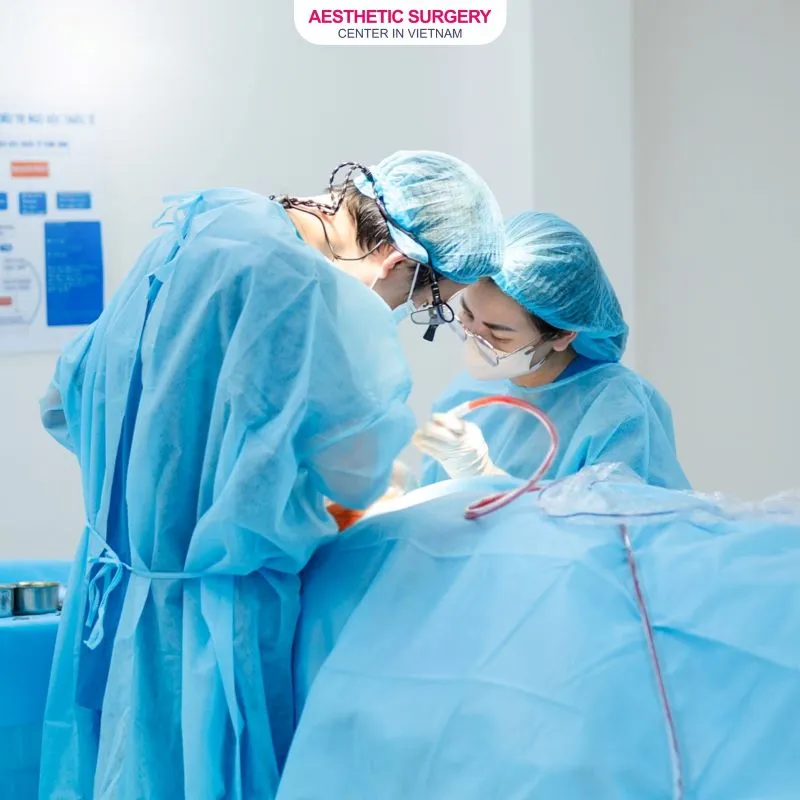
- The endoscopic facelift process at Aesthetic Surgery Center In Vietnam follows strict medical safety standards. Every step, from consultation and medical tests to surgery, is carried out within a closed and fully sterile system, which is crucial for preventing postoperative infections.
- In addition, Aesthetic Surgery Center In Vietnam offers attractive promotions every month, helping clients significantly reduce costs. Compared to traveling abroad, you can save a substantial amount on travel, accommodation, and postoperative care while still accessing internationally standardized technology.
In conclusion, if you are considering an endoscopic facelift, you can schedule a direct consultation with a specialist at Aesthetic Surgery Center In Vietnam via the hotline 0917 839 346. You will receive skin analysis and an assessment of facial muscle laxity to determine the most accurate treatment plan.
Through the information shared in this article, you have likely gained a clearer understanding of endoscopic facelift procedures. If you are looking for a comprehensive rejuvenation solution that is minimally invasive and leaves no visible scars, this may be the ideal choice for you. However, to achieve optimal results and ensure safety, it is essential to choose a reputable aesthetic center with experienced and highly skilled surgeons.
Hopefully, the above information has provided you with a more complete overview of this cosmetic procedure before making your decision. Do not hesitate to invest in yourself so you can always feel confident with a radiant appearance.














Comment on the post