



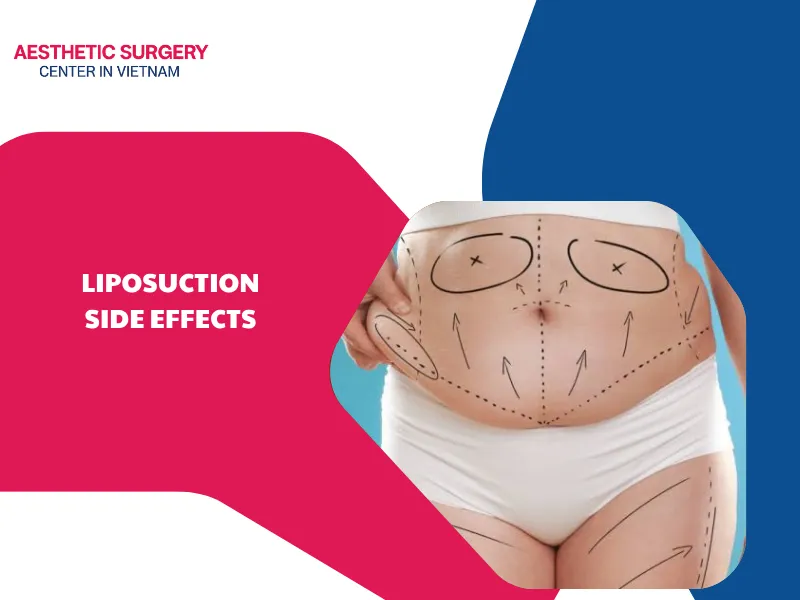
Liposuction is one of the most effective and rapid body contouring procedures available today, yet like any surgical intervention, it carries certain inherent risks. Understanding liposuction side effects not only helps you mentally prepare for the post-operative recovery phase, but also empowers you to recognize warning signs promptly, ensuring your aesthetic journey remains safe and successful.
What are common side effects during liposuction recovery?
Following liposuction, the body requires an adjustment window to heal and reorganize connective tissues. To better estimate your liposuction recovery time, below are the most typical, expected physiological responses you should prepare for:
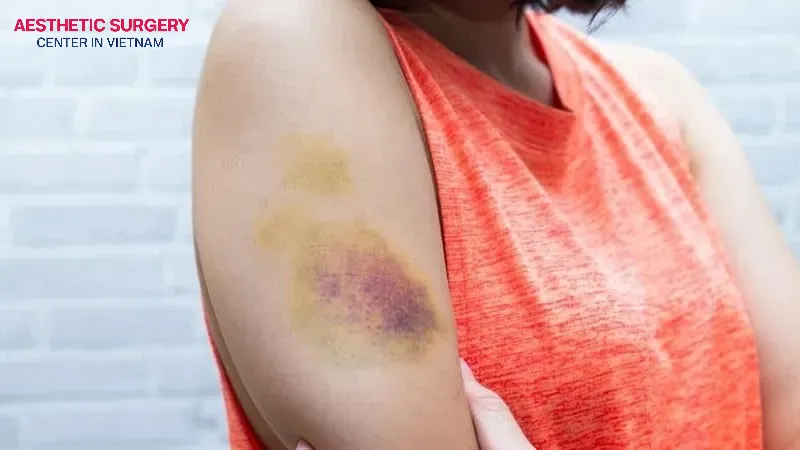
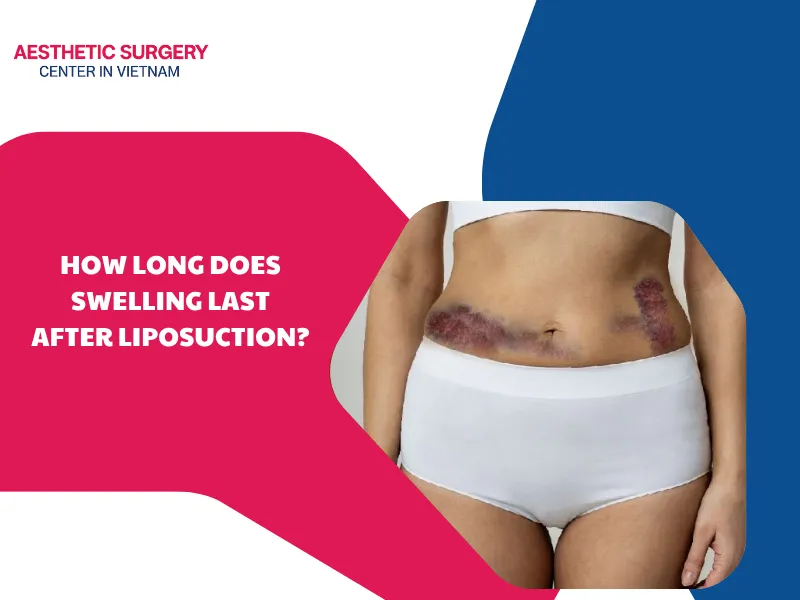
Swelling, bruising, and discomfort
Cannula manipulation through adipose tissue disrupts microscopic subdermal vessels, causing localized bruising, edema, and mild-to-moderate soreness. These symptoms generally peak within the first 48 to 72 hours and subside steadily over 1 to 2 weeks when supportive compression garments are worn consistently.
Temporary numbness and sensory changes
Mechanical forces applied during surgery can irritate or temporarily compress superficial sensory nerve endings throughout the treated area. This can manifest as tingling, itching, or superficial numbness, which typically resolves spontaneously over a few weeks to several months.
Potential complications and serious risks of liposuction
Beyond standard recovery reactions, liposuction carries complex surgical risks if protocols are breached. Recognizing these critical complications early is key to timely medical intervention:
Infection, delayed healing, and skin necrosis
Infections typically arise from compromised surgical sterility or inadequate wound hygiene, presenting as a high fever and foul-smelling purulent drainage. In severe scenarios where subdermal vascular networks are substantially damaged, localized ischemia can cause skin necrosis and permanent contracture scarring.
Fluid accumulation and contour irregularities
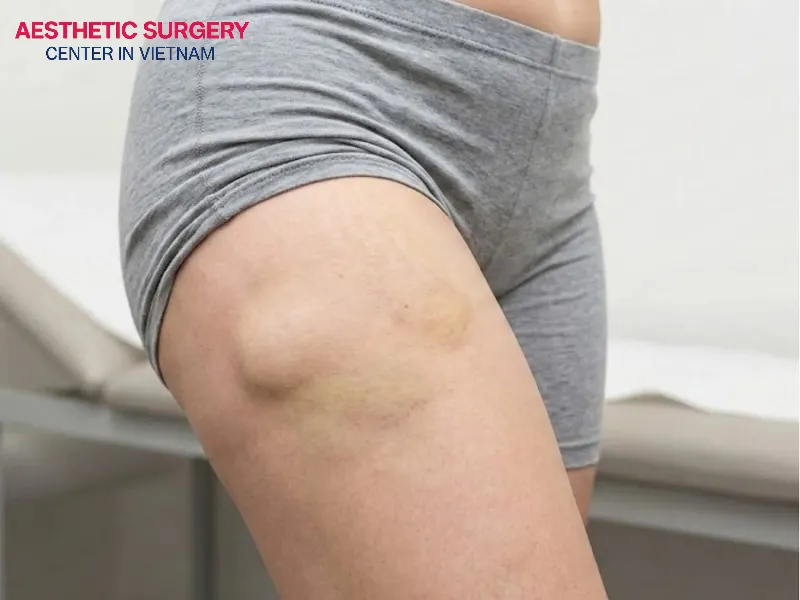
Seromas occur when fluid pools in the vacant spaces created by fat evacuation, requiring clinical needle aspiration. Furthermore, uneven cannula strokes or poor underlying skin laxity can leave the skin dimpled, wavy, or bearing a permanent “orange-peel” contour.
Rare complications: Fat embolism and visceral perforation
Fat embolism is a life-threatening emergency that occurs when dislodged fat droplets enter ruptured blood vessels and migrate into the pulmonary circulation, causing acute respiratory distress. Additionally, errant cannula passes or an uncontrolled depth of instrumentation can puncture the abdominal wall, leading to serious internal organ damage.
Long-term side effects of liposuction
In addition to acute recovery reactions, substandard surgical execution or adverse patient physiology can result in lingering sequelae:
Persistent scarring and skin discoloration
Incision sites can develop hypertrophic scars, hyperpigmentation, or tethered retractile scars after liposuction if closure or aftercare is mismanaged. Furthermore, pigment deposition (hemosiderin staining) or localized fat necrosis may cause persistent dark, mottled patches on the skin surface.
Permanent nerve damage and altered sensation
Although uncommon, aggressive or excessively deep mechanical passes risk severing major sensory nerve branches. When regenerative capacity is exceeded, patients may suffer permanent sensory deficits, prolonged paresthesia, or chronic neuropathic pain.

What factors influence the risk of side effects?
The safety profile and complication rate of liposuction depend on several critical determinants:
Patient overall health and medical history
Patients with underlying chronic conditions—such as uncontrolled diabetes, cardiovascular disorders, or coagulopathies—and those who smoke have significantly higher rates of infection and wound breakdown. Impaired immune defense slows the healing cascade, increasing the risk of poor scars and prolonged seroma formation.
Surgical technique and physician expertise
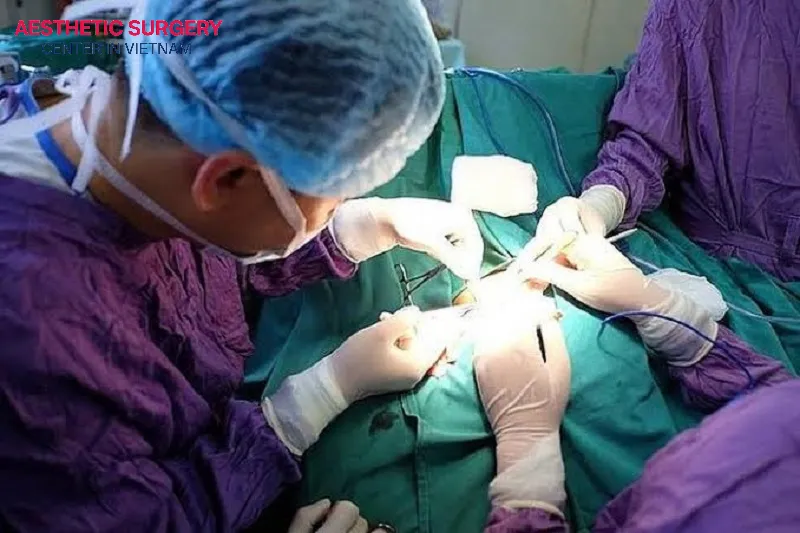
A surgeon’s training, clinical volume, and tactile sensitivity dictate tissue preservation and vascular safety. Inexperienced practitioners risk instrumenting in incorrect anatomical planes, leading to over-resection, thermal injury from energy-based devices, or inadvertent visceral injury.
How to minimize risks and reduce side effects?
To minimize adverse events and achieve optimal aesthetic outcomes, follow structured preoperative and post-operative safety protocols:
Preoperative preparation
- Comprehensive medical screening: Complete required pre-op blood panels, electrocardiograms (ECG), and clinical assessments.
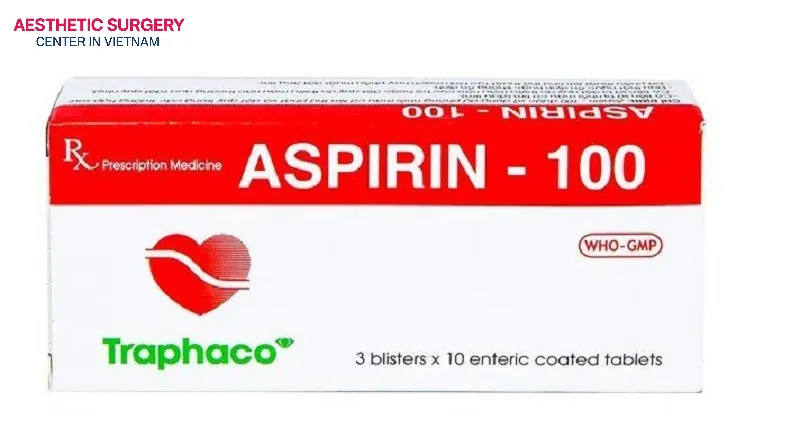
- Discontinue targeted medications and stimulants: Cease blood thinners, aspirin, and vitamin E supplements at least 2 weeks prior to surgery. Strictly avoid smoking and alcohol intake during this preparatory window.
- Select an accredited facility: Undergo procedures only in licensed hospital or accredited clinic environments with qualified, board-certified plastic surgeons and comprehensive emergency equipment.
Post-operative care and recovery guidelines
- Strict compliance with compression wear: Wear medical-grade compression garments continuously for the first 4 to 6 weeks to adapt tissues, limit fluid collection, and control edema.
- Wound hygiene and pharmacotherapy: Take prescribed antibiotics and analgesics on schedule, cleansing incision margins with saline daily to prevent bacterial colonisation.
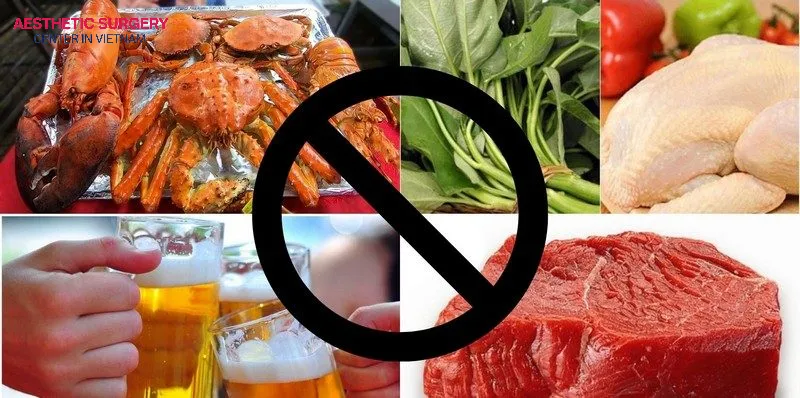
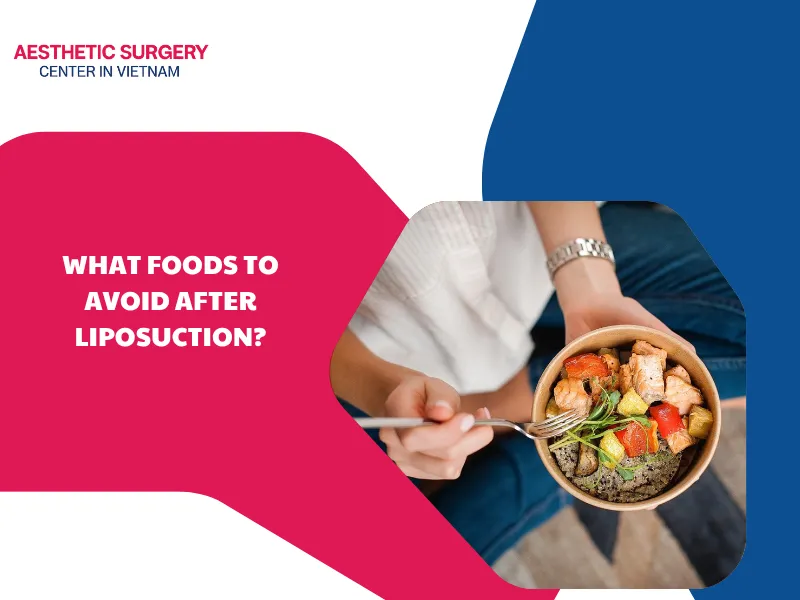
- Early ambulation and balanced nutrition: Walk gently starting 24 to 48 hours post-op to promote venous return and prevent thromboembolism. Stay well-hydrated and avoid pro-inflammatory foods or substances known to impair wound healing.
>>> See more: What foods to avoid after liposuction?
Frequently asked questions about liposuction side effects
How long does swelling typically last after liposuction?
Swelling peaks during days 3 to 5 and improves by approximately 70% to 80% after 3 to 4 weeks. Residual edema takes between 3 to 6 months to resolve completely, at which point the final contour stabilizes.
Are liposuction side effects permanent?
The majority of liposuction side effects—including edema, ecchymosis, soreness, and transient paresthesia—are temporary and resolve spontaneously. Permanent sequelae, such as pronounced contour deformities, keloids, or permanent sensory loss, are generally tied to technical errors, overly aggressive suctioning, or compromised aftercare.
Which liposuction technique has the highest complication rate?
Dry liposuction (performed without the infusion of tumescent vasoconstrictive fluid) carries the highest rate of severe blood loss and complications, and is now obsolete in modern practice. Additionally, improper use of ultrasound- or laser-assisted devices at excessive energy levels can cause full-thickness thermal burns if handled by inexperienced operators.
Liposuction is an established body-contouring procedure, but it is not without physiological impact. The majority of liposuction side effects are manageable and temporary when performed by skilled specialists within accredited operating facilities. To ensure a safe surgical outcome, adhere strictly to all medical directions and contact your surgical team immediately should any unexpected signs arise. Consult a qualified plastic surgeon to receive an individualized assessment tailored to your health profile.













Comment on the post