



After liposuction, many people worry about edema and swelling, even though this is a natural, self-protective response of the body. So, exactly how long does swelling last after liposuction? The answer will be explained in this article, along with other relevant information.
How long does swelling last after liposuction?
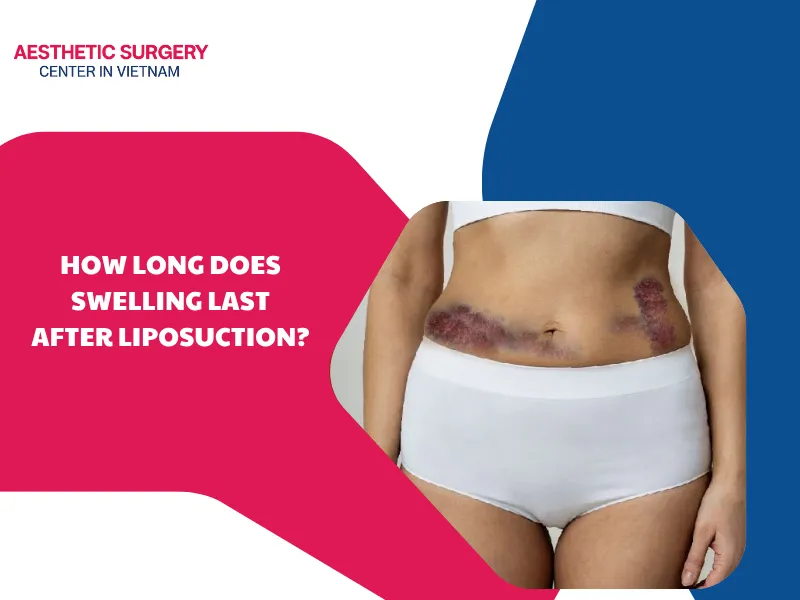
Swelling is a completely normal physiological manifestation of the body reacting to the tissue separation and fat removal process. Although the recovery speed depends on individual constitution and care, the swelling reduction process generally follows these three main stages:
Post-surgery stage (days 1 – 7)
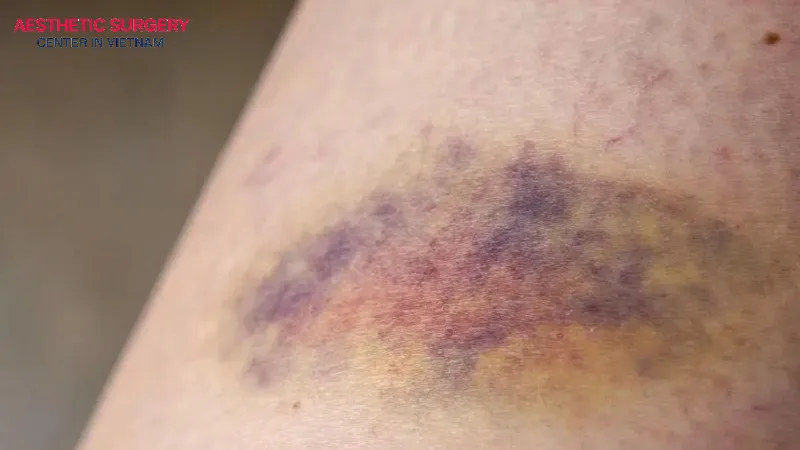
This is the time when swelling, edema, and bruising are most severe and visible, sometimes accompanied by fluid leakage at the incision site. During this highly sensitive first week, you must wear a medical compression garment 24/7 to push out excess fluid, control inflammation, and help the connective tissues reattach.
Mid-recovery stage (weeks 2 – 4)
Entering the second week, swelling and bruising will begin to decrease significantly, bringing a lighter, more comfortable feeling to the body. At this point, the initial slimmer contours of your figure will start to show. You can return to work and light daily activities, but you still need to continue wearing the compression garment as directed by your specialist.
Late recovery stage (weeks 4 – 8)
Going into the second month after surgery, about 80% to 90% of the retained fluid and swelling will completely disappear. The skin in the treated area will strongly retract, becoming firm and hugging the musculoskeletal system, allowing you to clearly see the flat, contoured aesthetic results you desired.
Factors affecting the extent of swelling
The severity and duration of swelling after liposuction are not exactly the same for everyone. How heavy or light this physiological reaction is depends largely on the following main factors:
Amount of fat removed and treated area
Removing a larger volume of fat over a wider area (like the entire abdomen, thighs, or buttocks) causes more subcutaneous tissue trauma. This inevitably triggers a much stronger swelling, fluid retention, and bruising response compared to liposuction in smaller areas like a double chin or arms.
Liposuction technique and technology
The doctor’s method plays a decisive role in the liposuction recovery process. If advanced liposuction technologies (like water-jet, ultrasound, or laser) are used, tissue separation is controlled, maximally protecting blood vessels and nerves, thereby limiting inflammation. Conversely, traditional techniques are more invasive, increasing the risk of trauma and prolonging bruising.
Individual constitution and immune system
Every client has a completely different lymphatic system and metabolic rate. People with a slower metabolism, poor blood circulation, or weak liver/kidney excretory functions tend to swell longer and take more time to eliminate retained fluid compared to those who heal quickly.
Compliance with post-operative care
Wearing a compression garment continuously with the right pressure, drinking enough water, engaging in light movement, and adhering to dietary restrictions (especially avoiding salt) will speed up the deswelling process. Neglecting care prolongs edema and can lead to complications like seromas (fluid pockets) or infections.

Is it normal to have lumps or bumps after liposuction?
The short answer is Yes. This is a completely normal and very common phenomenon in the early stages after liposuction. Most unevenness, bumps, or hard lumps felt under the skin will gradually disappear as the body fully recovers.
Causes of lumps or bumps:
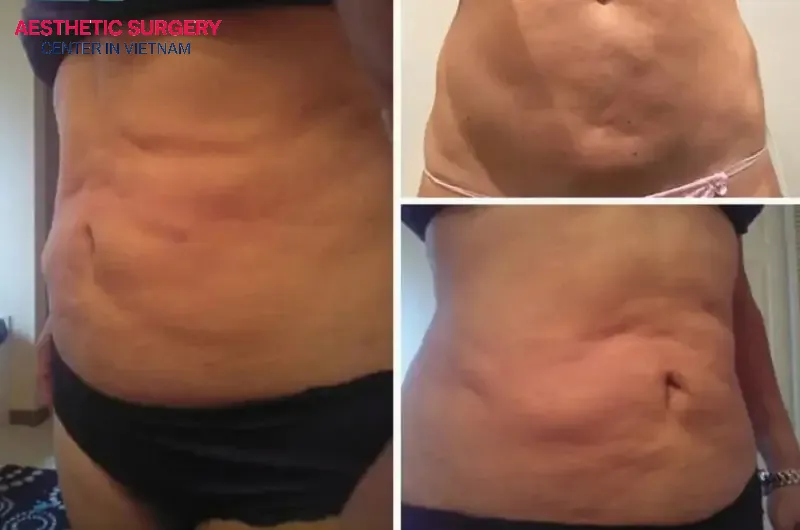
- Localized fluid accumulation: After fat tissue is broken down and suctioned out, a void forms between the skin and muscle layer. The body automatically secretes fluid to fill this gap to protect damaged tissue, leading to localized bumps or swelling.
- Scar tissue formation (fibrosis): During the subcutaneous healing process, liposuction scar and fibrosis after lipo tissues form. When touched, you might feel hard, lumpy, or raised patches. This is a sign that the body is regenerating a new structure, and these will soften over time.
- Uneven skin retraction: The skin needs time (from 3 to 6 months) to shrink and hug the underlying muscle layer. In the first few weeks, uneven elasticity between areas can create a temporary lumpy appearance on the surface.
Tips to reduce swelling after liposuction
You can actively control the level of edema and speed up the deswelling process by applying these scientific care tips:
Strictly wear compression garments
Medical garments apply even pressure, pressing the skin against the muscle tissue to prevent fluid from pooling in the newly emptied spaces. Wear it 24/7 for the first 2-4 weeks (only removing it to shower) as prescribed by your doctor.
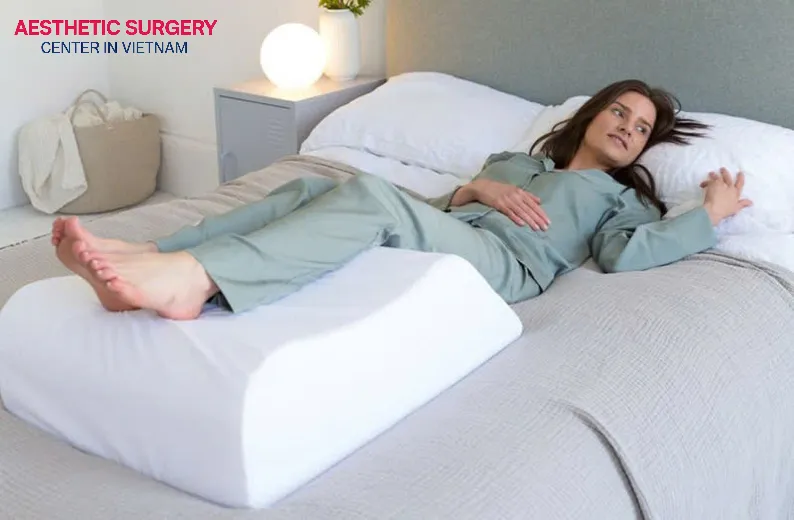
Elevate the treated area while resting
Gravity can cause fluid to pool in lower parts of the body. To reduce inflammation, use soft pillows to elevate the treated area while sleeping or resting. This promotes blood circulation and supports better fluid drainage.
Move gently, avoid lying still for too long
Although the body needs rest, lying immobile in bed causes poor blood circulation, worsening bruises, and increasing the risk of blood clots. Try to walk gently around the room from the very first days post-surgery to relax the body and boost metabolism.
Control sodium (Salt) intake
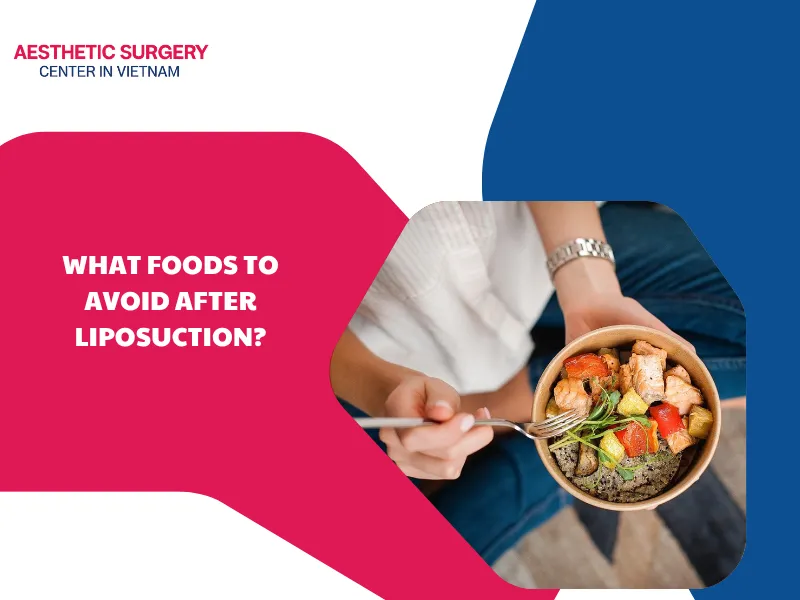
Salt retains water, prolonging edema. For at least the first 2-4 weeks, maintain a maximally bland diet. Stay away from fast food, canned goods, and processed foods, and limit adding salty seasonings to your daily meals.

Stay hydrated and boost vitamin C
Drinking 2 to 2.5 liters of water daily helps the body detoxify and flush out retained fluids. Simultaneously, increasing Vitamin C-rich foods like oranges, grapefruits, pineapples, and strawberries will boost immunity, reduce inflammation, and promote collagen production for self-healing.
Perform lymphatic drainage massage
After about 2-3 weeks, when the wound has stabilized, your doctor may recommend lymphatic drainage massages. These deep-kneading techniques help break down fibrotic areas and push accumulated fluid toward the lymph nodes for natural elimination, highly effectively reducing swelling and softening the skin.
How to prevent severe swelling after liposuction?
To proactively prevent severe edema and minimize inflammation time, apply the following measures:
- Wear medical garments correctly: Wear your compression garment 24/7 during the first few weeks. The precise pressure closes the gaps under the skin, forces fluid out, and prevents localized pooling.
- Avoid salt and eat a bland diet: Cut out maximum sodium from spices, fish sauce, fast food, and canned goods. Salt is the leading cause of water retention.
- Drink 2 – 2.5 liters of water daily: Proper hydration helps the kidneys work efficiently, speeding up the flushing of retained fluid and anesthesia residue.
- Elevate the treated area: Use pillows when resting to prevent fluid stagnation and promote circulation.
- Engage in light movement: Avoid lying immobile. Walk gently to reduce swelling and prevent blood clots.
- Strictly avoid alcohol and tobacco: Alcohol and nicotine constrict blood vessels, cause dehydration, block oxygen from reaching damaged tissues, and significantly slow down the body’s natural deswelling speed.
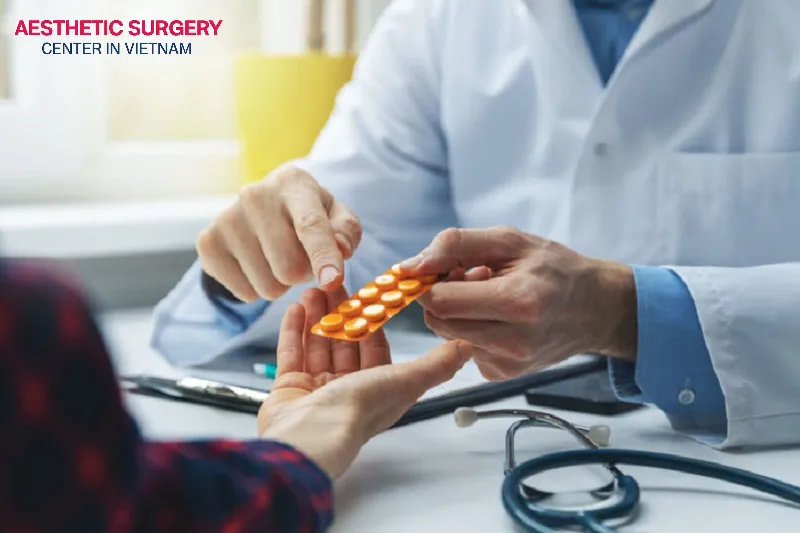
- Take medication as prescribed: Strictly follow the dosage of antibiotics, anti-inflammatories, and anti-swelling medications prescribed by your doctor. Do not stop taking them or use unprescribed drugs.
Overall, while you may wonder how long does swelling last after liposuction, this initial discomfort is completely normal. However, if you patiently and strictly follow your doctor’s care regimen, combined with a scientific diet and lifestyle, this phenomenon will quickly subside. Always monitor your recovery progress closely and do not hesitate to contact a medical professional if you notice any unusual signs.















Comment on the post