


Liposuction is an optimal method to help you quickly achieve a slim figure, but the aesthetic results depend heavily on your postoperative care. Eating the wrong foods during this sensitive period can prolong your recovery time, cause swelling, or leave unsightly scars. Therefore, to protect your health and maintain a beautifully contoured shape, it is essential to know exactly what foods to avoid after liposuction. Let’s explore the detailed list of dietary restrictions in the article below!
What foods to avoid after liposuction?
To ensure a smooth recovery process, rapid wound healing, and the best possible body contouring, you need to pay special attention to eliminating the following food groups from your daily menu:
High-sodium (salty) foods
High-sodium foods are detrimental during the postoperative phase. They cause water retention, which exacerbates and prolongs swelling and edema in the treated areas. To help your body quickly eliminate excess fluid and shorten your recovery time, you should completely avoid fast food, processed foods, canned goods, and heavily salted dishes.
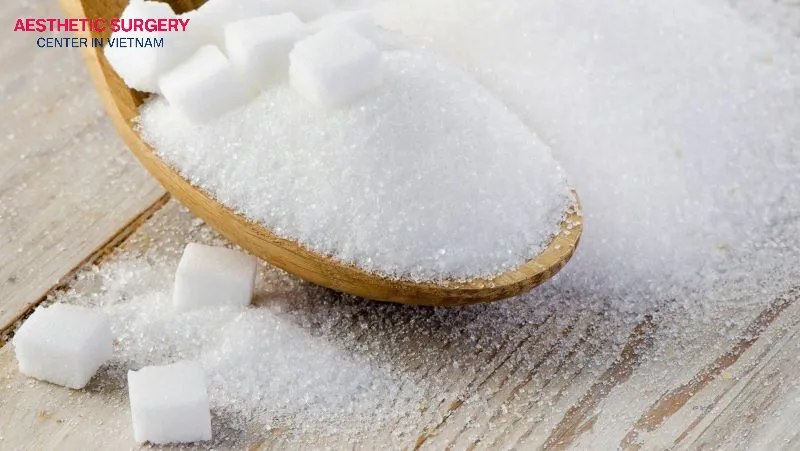
Refined sugar
Consuming high amounts of refined sugar not only weakens your natural immune system but also triggers inflammatory responses, which slows down wound healing and increases the risk of infection. Furthermore, consuming too many sweets like candies and carbonated drinks generates excess calories, increasing the risk of fat re-accumulation and ruining your aesthetic results.
Saturated and trans fats
Bad fats commonly found in deep-fried foods, fast food, and animal fat raise cholesterol levels and impede the blood circulation needed to nourish damaged tissues. This slows down your body’s self-healing rate and delays the recovery of skin elasticity, which can easily lead to sagging or an uneven, lumpy skin surface.
Alcohol
Alcoholic beverages negatively impact blood clotting and can counteract the antibiotics and painkillers prescribed by your doctor. Additionally, alcohol causes severe dehydration, leading to dry, dull skin. It impairs liver function in eliminating toxins and prolongs swelling and bruising.

Excessive caffeine
Although drinking coffee or strong tea is a common habit, abusing highly caffeinated drinks after surgery stresses the nervous system and hinders deep sleep, interfering with the body’s recovery process. Caffeine’s diuretic properties can also easily lead to dehydration, slowing down new cell regeneration and directly affecting your healing progress.
What should you eat after liposuction?
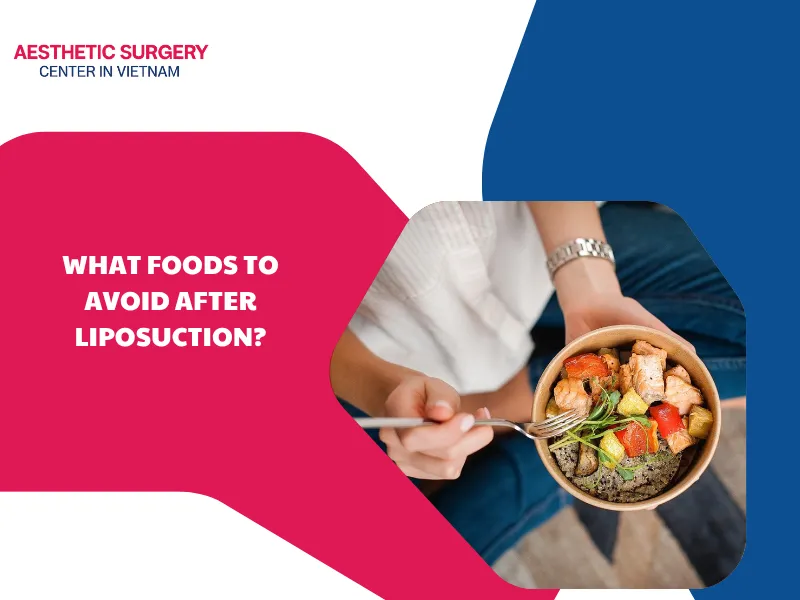
Alongside strict restrictions, a scientifically balanced diet will help your wounds heal quickly, reduce inflammation, and maintain a slim figure long-term. Here are the food groups you should prioritize in your postoperative menu:
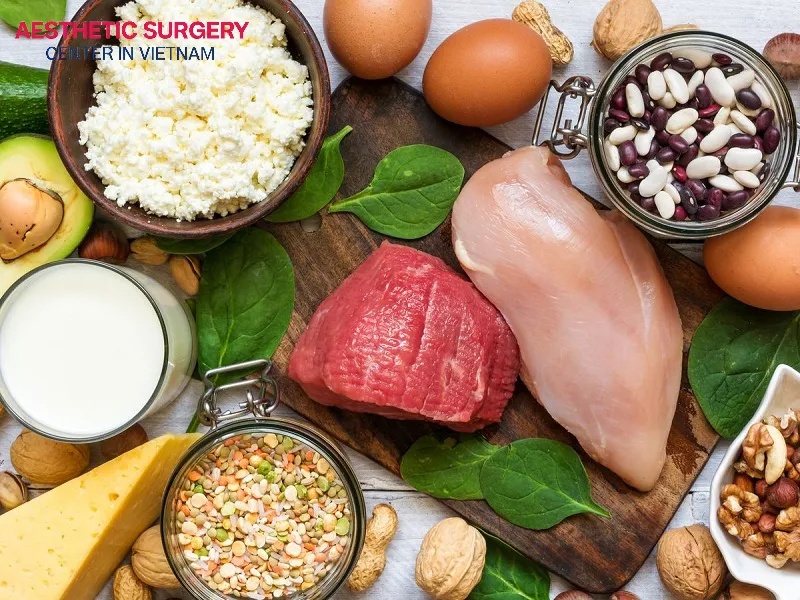
Lean protein-chicken, fish, eggs, tofu, and legumes promote tissue recovery.
Protein plays a crucial role in building new cells and healing tissues damaged during the procedure. Supplementing your diet with lean protein helps your body quickly regain strength, boosts the immune system, and maintains muscle firmness without the worry of accumulating excess fat.
Fresh fruits and vegetables
These are abundant sources of vitamins, minerals, and antioxidants, which help enhance immunity and minimize swelling. Fruits rich in vitamin C such as oranges, grapefruits, and strawberries strongly stimulate collagen production, helping the skin in the treated area contract, regain elasticity, and even out in tone more quickly.
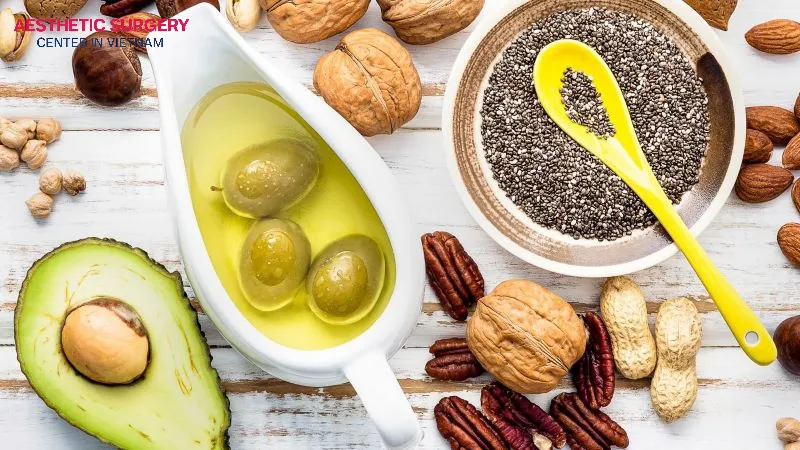
Healthy fats
Avocados, nuts, and olive oil are excellent choices. Not all fats need to be eliminated after liposuction; good fats are essential for absorbing vitamins and controlling the body’s natural inflammatory response. Adding avocados, nuts (like almonds and walnuts), or olive oil to your meals helps strengthen cell membranes and supports a smooth internal healing process.
Fiber-rich foods: Oats, whole grains, and fruits are vital.
After surgery, restricted movement and the side effects of painkillers often slow down digestion, easily leading to constipation. Fiber-rich foods keep your digestive system running smoothly and keep you feeling full longer, which is highly effective for controlling calorie intake.
Plenty of fuids-filtered water, clear broths, and herbal teas.
Proper hydration is key to helping the body eliminate toxins, clear out residual anesthesia, and reduce fluid accumulation and edema. Ensure you drink 2 to 2.5 liters of fluids daily to maintain a healthy metabolism and shorten your liposuction recovery time.

Important reminders during liposuction recovery
Your daily lifestyle habits and body care routines also determine your healing time and final body-shaping results. To ensure safety and achieve maximum aesthetic benefits, pay special attention to the following:
Physical activity
During the first few days, your body needs proper rest, but you should still walk gently indoors to promote blood circulation, reduce swelling, and prevent blood clots. As your condition stabilizes, you can slightly increase your activity level, but you must strictly avoid high-intensity sports, weightlifting, jogging, or swimming for at least 4 to 6 weeks to prevent tearing the wound and affecting the body-contouring process.
Avoid tight clothing
While wearing medical compression garments is mandatory to squeeze out fluids and shape the body, you must stay away from regular tight-fitting, stiff clothes like jeans, tight shirts, or tight belts. These clothes do not provide even compression, can cause friction that scratches sensitive skin, hinder blood circulation, and may leave permanent marks or indentations on the skin’s surface.
After learning about what foods to avoid after liposuction, it is clear that dietary restrictions and proper nutritional supplementation post-surgery are incredibly important. To ensure your liposuction results meet your expectations, promote rapid wound healing, and maintain a beautiful figure long-term, you need to closely follow the dietary guidelines listed in this article. Additionally, for the most personalized and accurate advice, always consult your medical professional to carefully note exactly what you should and shouldn’t eat.













Comment on the post