


Breast augmentation is a procedure that increases breast size by placing implants or using fat transfer. This solution not only creates a more balanced figure but also helps women regain confidence in daily life. However, many still have common breast augmentation questions such as inquiries about the doctor, the procedure details, and more. Explore the article below to gain a clearer view and make the right decision for yourself.
Breast augmentation questions
Before deciding on breast augmentation, most women have questions about the surgeon, the procedure, breast augmentation cost, and recovery time. Below are some common questions you can ask your doctor to gain a clearer understanding before your surgery:
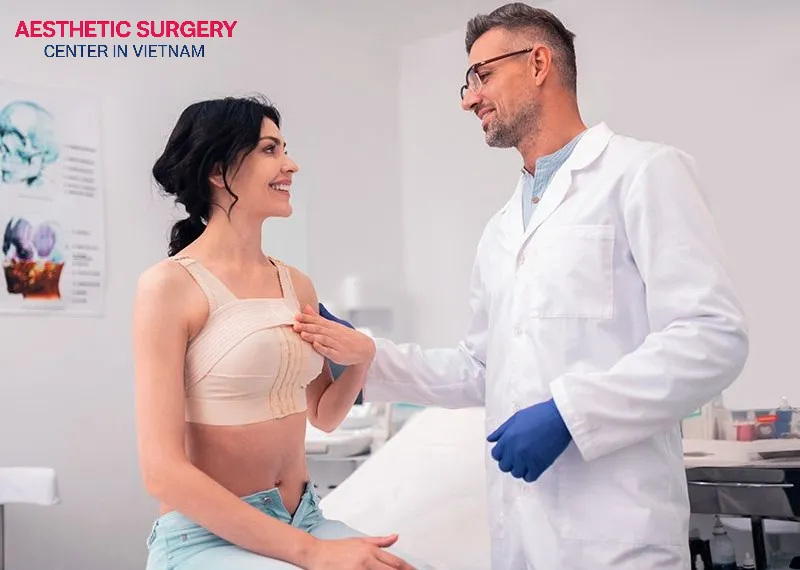
Are you board-certified in plastic surgery?
When undergoing breast augmentation, surgeons must hold a valid license in plastic surgery, issued by medical authorities or professional associations. This is an important factor to ensure that the doctor has received specialized training and has the knowledge and skills to perform the procedure safely.
In addition, a medical license also means that the surgeon follows strict medical standards, from consultation and surgery to post-operative care.
Therefore, when considering breast augmentation, make sure to ask about your surgeon’s certifications and experience. This will help ensure a smooth procedure and the aesthetic results you expect.
Do you specialize in plastic surgery?
Besides certification, a surgeon’s expertise and experience in breast augmentation are also important to consider. When the procedure is performed by a highly qualified surgeon, you can feel more confident about safety and natural-looking results. Therefore, before your surgery, talk directly with your doctor to learn about their experience and the number of successful breast augmentation cases they have performed.
Where will you perform my surgery?
Most breast augmentation surgeries are usually performed at cosmetic hospitals or accredited clinics that meet medical standards, as they offer key advantages such as:
- Experienced team of plastic surgeons
- Sterile and clean operating rooms to prevent infection
- Modern machines and advanced imported equipment
Having breast augmentation at a trusted clinic not only helps minimize risks during the procedure but also ensures that full support is available in case of any emergency.
Am i a candidate for breast augmentation?
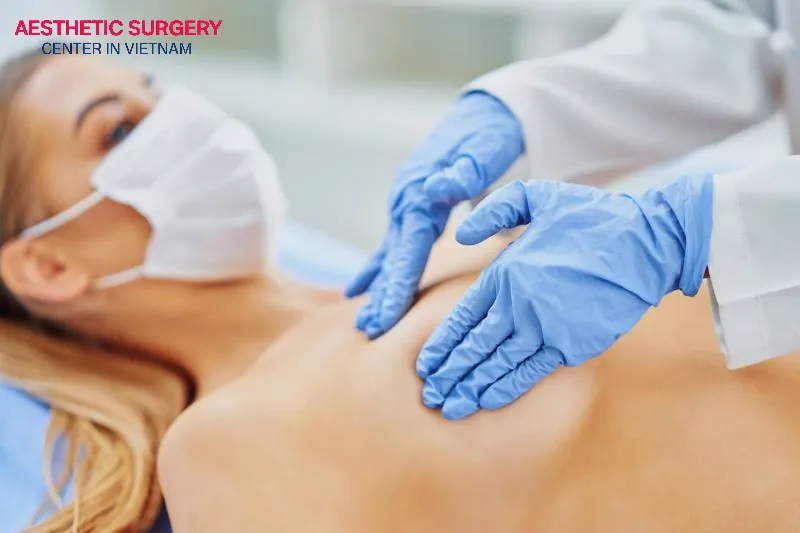
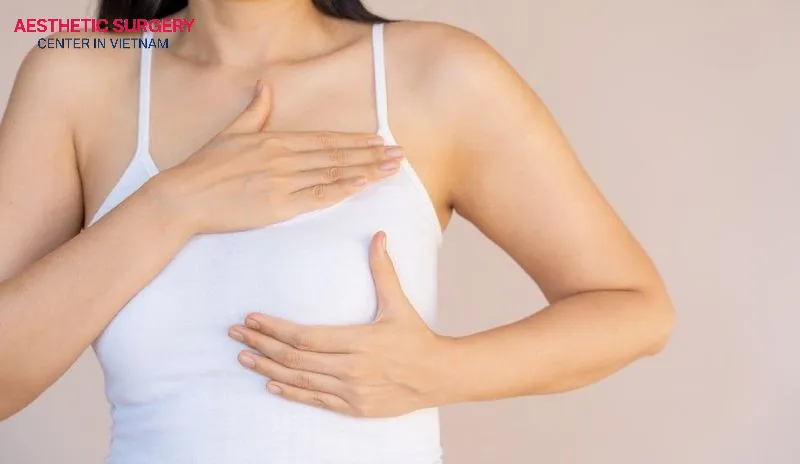
Breast augmentation is not suitable for everyone. In general, candidates need to be in good health and free from serious medical conditions. Details on who may be suitable for the procedure include:
- Women with naturally small breasts or breasts that are not in proportion to the body
- Women with sagging or loss of shape after childbirth or weight loss
- Women with asymmetrical breasts, where one side is noticeably larger than the other
- Women who have had breast augmentation before but are not satisfied and want a revision
Besides reviewing the information above, you should also have a consultation with your doctor to confirm whether you are truly a suitable candidate for breast augmentation.
What are my options for breast augmentation?
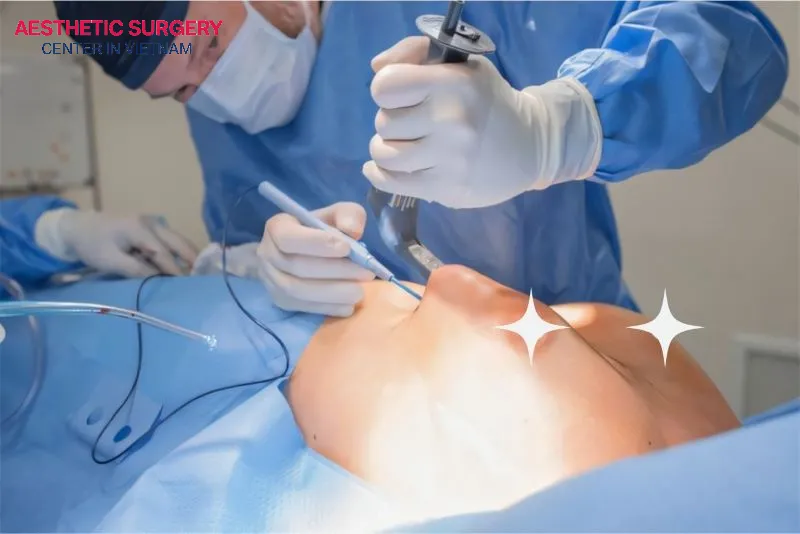
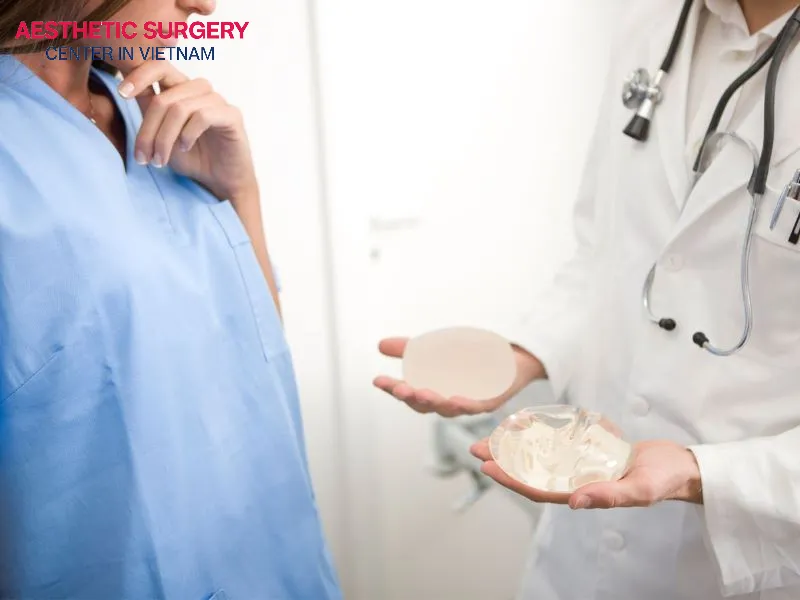
When it comes to breast augmentation, you have several options depending on your aesthetic goals, body condition, and your surgeon’s advice. Some common methods include:
- Breast implants: The surgeon makes a small incision in the fold under the breast or in the armpit to insert silicone breast implants or saline implants in various sizes.
- Fat transfer breast augmentation: This method uses your own excess fat, which can be taken from areas such as the abdomen, thighs, or hips, then purified and injected into the breasts.
- Breast augmentation with lift: For sagging breasts caused by childbirth or aging, the surgeon may combine implants with a breast lift to restore fullness and achieve a balanced figure.
How can i prepare for surgery?
For a safe surgery and the best results, you need to prepare both physically and mentally. Here are some important notes before breast augmentation:
- Have a full health check-up such as blood tests, blood pressure, and ECG to ensure you are fit for surgery.
- Stop taking medications that affect blood clotting at least 1–2 weeks before surgery.
- Avoid alcohol and smoking, as they may slow down recovery and increase the risk of complications.
- Prepare mentally for the procedure, possible risks, and expected results to stay relaxed.
- Plan your schedule for 1–2 weeks of rest after surgery.

How long does breast augmentation surgery take?
A breast augmentation surgery usually takes about 90–120 minutes, depending on the method and level of complexity.
In addition to the surgery itself, you should also allow time for preparation and post-operative monitoring in the recovery room. The entire process at the hospital or clinic usually takes about 4–5 hours. However, you will only be discharged once your health is stable.
>>> See more: How to sleep after breast augmentation?
What are the risks of a breast augmentation procedure?
Like any other surgery, it is essential to understand potential breast augmentation risks. Although the complication rate is very low when performed at reputable facilities, you should still be aware of the following:
- Infection or bleeding after surgery if proper care is not taken.
- Hypertrophic or visible scars at the incision site.
- Uneven breasts or results not matching expectations.
- For implants, possible rupture or leakage over time.
- Temporary or long-term loss of sensation in the breast area.
How does the breast augmentation procedure work?
At major cosmetic hospitals, breast augmentation is performed under strict medical protocols to ensure safety and aesthetic results. A typical breast augmentation procedure usually includes the following steps:
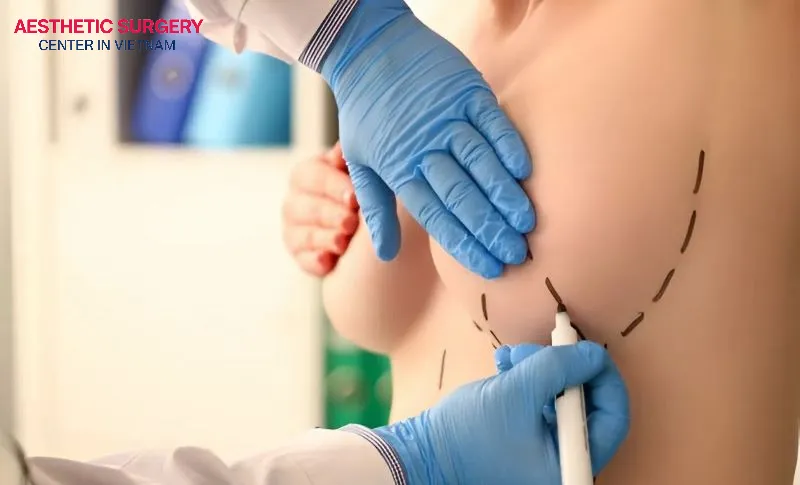
- Step 1: Consultation and anesthesia: The doctor will review your health condition and determine the suitable type of anesthesia to ensure you stay comfortable and pain-free during the procedure.
- Step 2: Small incision: After anesthesia, the surgeon makes a small incision, which may be placed in the breast fold or in the armpit.
- Step 3: Creating the implant pocket or fat grafting area: If you choose fat transfer, the surgeon will prepare the area to ensure the fat is distributed evenly for a natural and balanced look.
- Step 4: Inserting implants or fat transfer: Silicone or saline implants are placed through the incision, or purified fat is carefully injected layer by layer into the breasts.
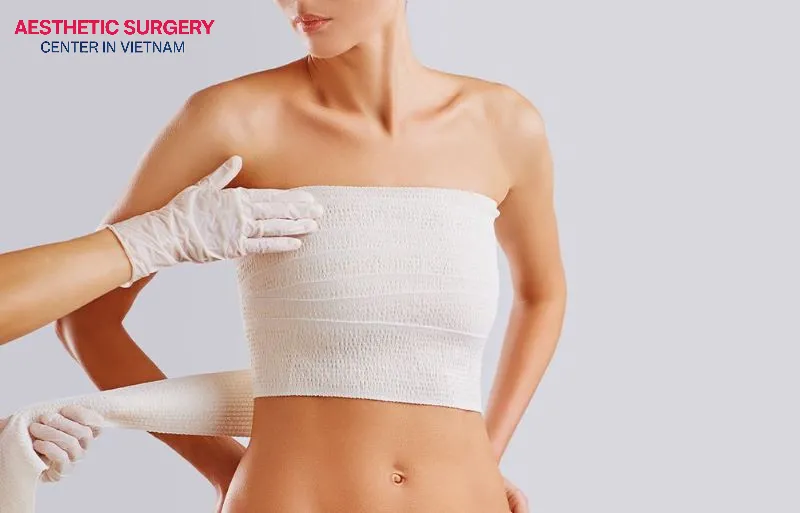
- Step 5: Closing the incision and dressing: The incision is closed with medical sutures to minimize scarring. The breasts are then bandaged with compression to maintain shape and support healing.
>>> See more: When can I sleep without a bra after Breast Augmentation?
What can I expect during breast augmentation recovery?
Breast augmentation recovery is an important step for the breasts to settle and achieve the most natural results. On average, it takes about 4–8 weeks, depending on your body and post-operative care:
- Stage 24–48 hours: You may feel tired, with tightness and mild bruising in the chest. Lying on your back can help reduce swelling and avoid pressure on the breasts.
- First week: This is usually the most uncomfortable stage, so you should continue wearing the compression bra as instructed by your doctor and avoid vigorous activities.
- From weeks 3–4 onward: You may start light activities, but should still avoid high-intensity exercise.
- From weeks 5–8: The breasts gradually become softer and start to settle into shape, but regular check-ups are still recommended to monitor the results.
How long do breast augmentation results last?
The results of breast augmentation can last for a long time, usually 10–15 years or even longer. However, the breasts will not remain the same forever, as the body naturally changes over time due to aging, pregnancy, and childbirth.
How much does breast augmentation cost?
One of the most common questions women have about breast augmentation is the cost. Currently, prices can vary greatly depending on the quality of the implants, the clinic, the surgeon’s expertise, and other related expenses. In general, breast augmentation surgery ranges from 60 to 150 million VND.
Who should not undergo breast augmentation surgery
Before deciding on breast augmentation surgery, you should carefully consider whether you fall into one of the groups not recommended for the procedure below:
- Women with breast tumors.
- Women who are pregnant or breastfeeding.
- People with hepatitis B or C.
- People with blood clotting disorders.
- People who are allergic or have a history of contraindications to certain medications.
Advantages and disadvantages of breast augmentation
Understanding both aspects of breast augmentation will help you make a wiser decision, specifically:
Advantages
- Significantly enhances breast appearance, making them fuller and more proportional to the body.
- Creates a more attractive figure, helping you feel confident in clothing and social interactions.
- Corrects issues such as small, sagging, uneven, or post-pregnancy/weight loss breasts.
- With modern implant materials, results can last 10–15 years or longer with proper care.
Disadvantages
- High cost is often one of the primary factors affecting breast augmentation treatment, especially if using premium implants or undergoing a complex surgery.
- Recovery takes about 4–8 weeks, during which vigorous activities should be limited.
- Although rare, there is still a risk of infection, implant leakage, or temporary loss of sensation in the breast area.
- After augmentation, breasts may change over time due to aging, pregnancy, or weight fluctuations, and revision surgery may be needed years later.
Frequently asked breast augmentation questions are answered clearly and in detail in this article. We hope this information is helpful to you. Remember, before deciding on surgery, you should thoroughly research the surgeon, the facility, as well as the risks and procedure. Proper preparation will help ensure a safe breast augmentation and achieve the results you expect.











Comment on the post