



A facelift is a procedure that restructures sagging facial tissues to help restore a more youthful appearance. Swelling is a normal part of the healing process. However, excessive swelling after facelift surgery is an issue that needs special attention. Is it a natural body response, or a warning sign of a serious complication? This article will help you understand it clearly.
How long does excessive swelling after facelift surgery?
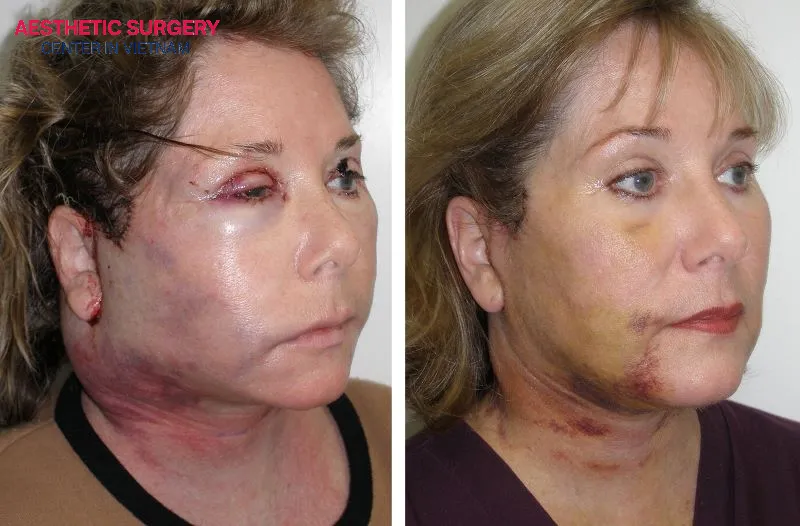
Swelling after facelift surgery usually peaks within the first 48–72 hours and then starts to decrease noticeably after 7–10 days. However, for the face to look truly natural and for all minor swelling to fully disappear, it often takes 3–6 weeks, depending on your healing response and the level of surgical intervention.
In the early stage, you may feel facial tightness or temporary unevenness due to fluid buildup. This is a completely normal recovery reaction. If swelling continues after 2 weeks and comes with severe pain, warmth, redness, or abnormal discharge, you should contact your surgeon immediately to check for possible infection or fluid accumulation.
What causes excessive swelling after facelift surgery?
Swelling after surgery is a natural response of the body. It helps protect and heal after a facelift procedure. However, swelling usually lasts only a few days. If it becomes excessive swelling after facelift surgery or lasts unusually long, it is often caused by one of the reasons below:
Inflammation and soft tissue trauma
When the surgeon lifts the skin layers and works on the SMAS layer, small blood vessels and the lymphatic system in the face may be temporarily damaged. This causes fluid to build up in the tissue spaces. The fluid helps deliver white blood cells to heal the wound, which leads to swelling.
If the surgery is more extensive or takes longer, tissue trauma becomes greater. As a result, swelling can be more severe compared to minor procedures.
Hematoma or seroma under the skin
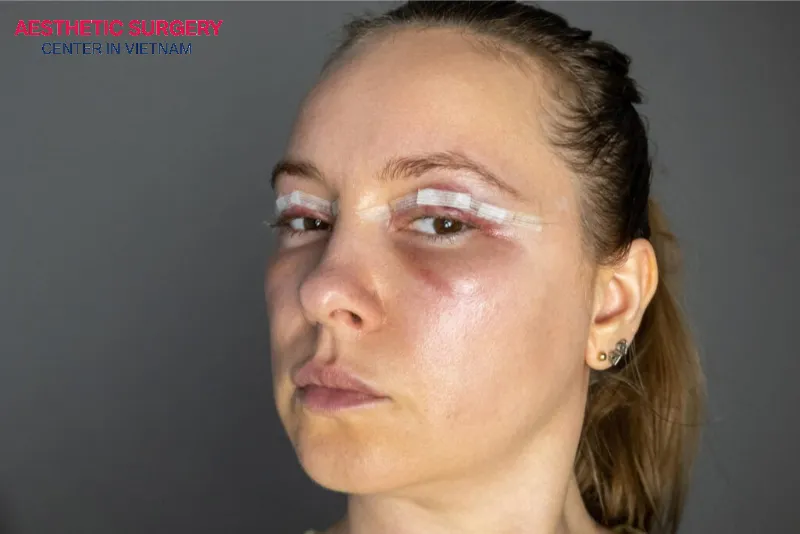
This is one of the most common causes of abnormal facial swelling and tightness right after surgery. A hematoma happens when a small blood vessel is not fully controlled or breaks after surgery, causing blood to collect in the space between the skin and muscle.
Similarly, a seroma is the buildup of serum (clear yellow fluid) in the lifted area. If this fluid or blood is not drained or absorbed in time, it can create pressure. This leads to significant swelling, dark bruising, and may affect the healing process.
Improper post-operative care
Not strictly following the surgeon’s instructions during the first 48 hours is the leading reason why swelling becomes worse. For example, if you do not wear the compression bandage correctly, the tissues are not properly supported. This creates more space for fluid to build up.
In addition, intense activity can suddenly increase blood pressure. Bending your head down, or consuming irritating foods such as sticky rice products, seafood, alcohol, and beer can also cause blood vessels to dilate. This may lead to more severe swelling and a longer recovery time.
Surgical site infection
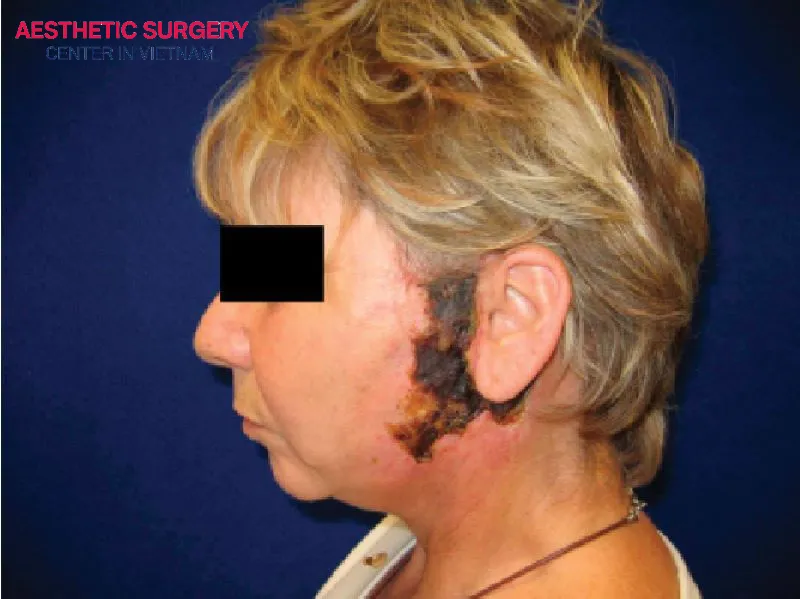
Although rare when performed at reputable clinics, infection is the most dangerous cause of excessive swelling after facelift surgery. When bacteria enter the incision due to a non-sterile surgical environment or poor hygiene at home, the body reacts with severe inflammation. In this case, swelling is often accompanied by clear warning signs such as facial skin that feels hot and red, increasing pain over time instead of improving, and possible pus discharge or fever.
How to make facelift swelling go down?
To ensure a smooth recovery and achieve a youthful look as soon as possible, controlling swelling in the first days is extremely important. Below are useful tips to help reduce swelling effectively:
Tip 1: Follow your surgeon’s instructions to reduce swelling
Your surgeon understands the exact level of intervention done on your face. If you notice prolonged swelling after facelift surgery, you should consult your surgeon for proper guidance. This helps you manage swelling safely, reduce risks, and prevent infection or scarring in time. During the consultation, ask any questions you have so your concerns can be addressed quickly.
In addition, strictly follow the prescribed anti-inflammatory and swelling-reducing medications. Wearing the compression bandage for the recommended time is also very important. It helps stabilize the tissues and prevents fluid buildup under the skin, which can cause swelling.

Tip 2: Proper hydration and balanced diet
Drinking enough water and choosing the right foods after a facelift can help both your wound and your body recover faster. You should drink about 2 liters of water per day to support the lymphatic system in removing excess fluid.
Prioritize foods rich in Vitamin C, Vitamin A, and zinc, such as citrus fruits, fresh green vegetables, whole grains, lean proteins, and low-fat milk to boost immunity. At the same time, reduce salt in your diet, because salt causes water retention and can make your face look more swollen.

Tip 3: Adequate rest and avoidance of strenuous activities
During at least the first 1–2 weeks, your body needs to focus its energy on tissue healing. You should sleep with your head elevated about 30° to 45° above the heart to reduce blood pressure on the face and help fluid drain faster. Avoid all strenuous activities such as gym workouts, jogging, or lifting heavy objects. These can raise blood pressure and may cause bleeding, slow wound healing, or trigger severe swelling again. However, you can do light walking to improve blood circulation, reduce blood clots, and avoid pressure on healing tissues.
Always monitor your condition and follow your surgeon’s advice on rest and movement to ensure a smoother and safer facelift recovery surgery.

Tip 4: Use cold compresses within 48 hours to control swelling
Low temperature helps constrict blood vessels and reduce the immediate inflammatory response. Therefore, during the first 2 days after surgery, you should apply cold compresses for about 15–20 minutes each time, several times a day, to reduce swelling and fluid buildup after facelift surgery.
Use a gel cold pack or wrap ice in a soft cloth. Do not place ice directly on the skin or let the incision get wet to prevent cold burns and infection. When applying the compress, place it gently on the swollen area for 20 minutes, then remove it to let the skin rest and breathe.

Tip 5: Take gentle care of your skin to support healing
The skin after surgery is extremely sensitive and still healing. You should only cleanse with saline solution or gentle cleansing products recommended by your surgeon. Avoid rubbing, massaging, or using skincare products with strong active ingredients such as Retinol or AHA/BHA until the skin fully recovers. Being gentle during this stage helps prevent irritation and avoids further damage to healing tissues.
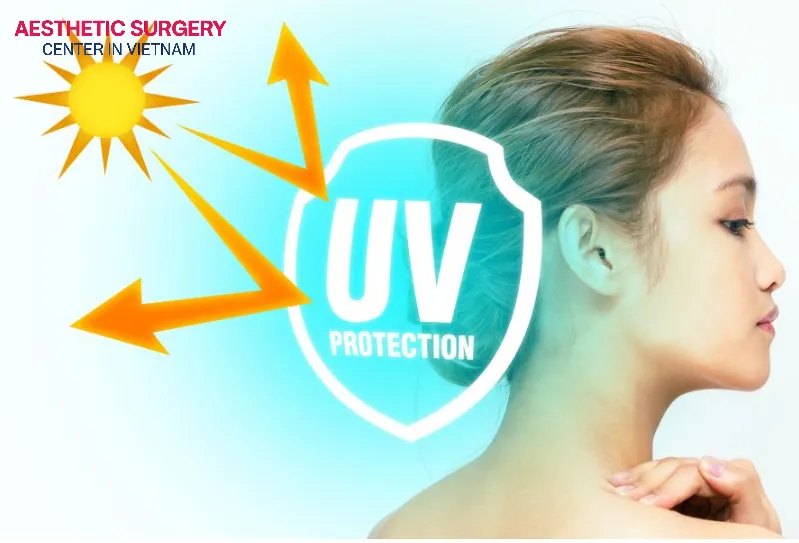
In addition, protect the facelift area from sunlight by using a broad-spectrum sunscreen with SPF 30+ and wearing a wide-brim hat when going outside, even on rainy or cloudy days. Also, stop wearing makeup until your surgeon allows it, because makeup ingredients can easily cause irritation or infection on recently operated skin.
The Importance of proper aftercare post-facelift surgery
Post-operative care is not simply waiting for the wound to heal. It is the stage that can determine up to 40% of the success of a facelift procedure. Below are the reasons why strict aftercare instructions are so important:
Ensure optimal aesthetic results
Proper aftercare helps keep the skin and muscle layers in the correct new position. It prevents shifting or uneven tightening. Without careful care, the face may look unbalanced or may not achieve the desired smooth and firm result.
Prevent serious complications
After a facelift, the face may face risks such as infection, hematoma, or skin flap necrosis due to poor blood supply. Proper aftercare includes cleaning the incision and taking medications correctly. This works like a protective barrier, helping detect early warning signs and manage them in time to avoid permanent damage.
Control and reduce scarring
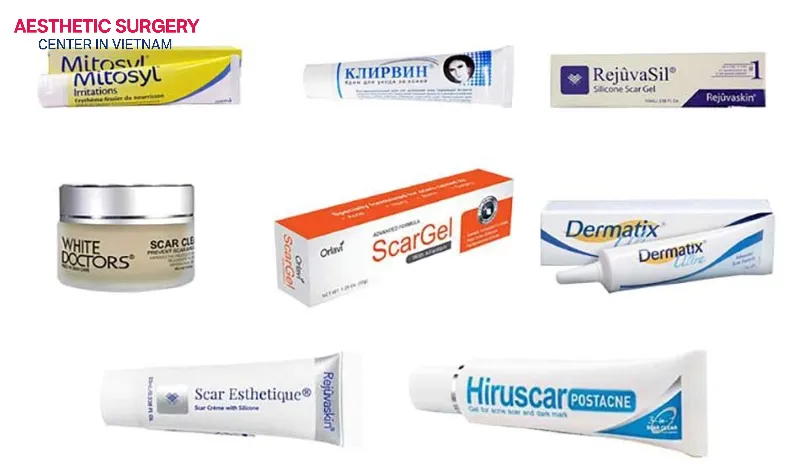
How you care for the incision during the first weeks directly affects the final scar appearance. Avoiding sunlight, not picking scabs, and using scar treatment cream at the right time can help the incision line (usually along the hairline or around the ear) fade gradually and become almost invisible over time.
Shorten recovery time
A scientific post-op routine including cold compresses, head elevation, and a nutritious diet helps the body remove excess fluid and reduce inflammation faster. This not only reduces pain and discomfort, but also helps you return to work and daily activities sooner with the most natural appearance.
Managing swelling after facelift surgery
Effective swelling control helps you feel more comfortable and supports the tissues in settling into the new shape faster. Below are 3 methods to help manage swelling after facelift surgery:
Keep your head elevated
This is a simple but highly effective method to reduce blood and fluid pressure on the face. During at least the first 7–14 days, you should sleep with your head elevated at about a 30–45 degree angle. You can use 2–3 soft pillows or a wedge pillow. This position helps the lymphatic system drain excess fluid downward instead of collecting in facial tissues, which helps prevent a “puffy face” in the morning. Even when sitting, try to keep your head higher than your heart level.

Cold Compress
Within the first 48 hours after facelift surgery, cold compresses are the best way to constrict blood vessels and reduce inflammation. You should use a specialized cold gel pack or wrap ice in a soft towel, then gently apply it to the cheeks and temples. Avoid placing it directly on the incision.
Apply for about 15 minutes each time, with a 1–2 hour break between sessions, to help reduce swelling and relieve pain quickly. Do not let melted ice water soak the bandage to keep the incision dry.
Medications and supplements to reduce swelling
Take medications exactly as prescribed by your surgeon to control swelling from the inside. Common prescriptions include anti-inflammatory drugs such as Ibuprofen or enzyme-based anti-edema medications. In addition, many experts recommend supplements like Bromelain (pineapple extract) or Arnica Montana to help reduce bruising and swelling faster.
However, you should never take blood-thinning painkillers such as Aspirin, ibuprofen, or certain herbal supplements without medical approval, as they may increase the risk of hematoma under the skin.

FAQs about severe post-operative edema following rhytidectomy
Is excessive swelling dangerous after facelift surgery?
Swelling is an unavoidable part of the recovery process. However, when it becomes “excessive,” it may lead to complications such as hematoma, infection, seroma, severe pain, burning heat, intense redness, and even high fever or prolonged fatigue.
Are there any specific foods I should eat or avoid to help with bruising and swelling?
Nutrition acts like a “natural remedy” that helps the body reduce inflammation and regenerate tissue faster. Below are detailed foods you should eat and those you must strictly avoid to effectively reduce excessive swelling and bruising:
- Foods to eat: pineapple, papaya, oranges, tangerines, strawberries, kiwi, broccoli, kale, lean pork, nuts.
- Foods to avoid swelling and scarring: salt, salty foods, water spinach, beef, sticky rice, banh chung, shrimp, crab, squid, alcohol, beer, cigarettes.
When is it safe to sleep on my side after getting a facelift?
Typically, you should wait at least 2 to 4 weeks after facelift surgery before you can safely sleep on your side. In the early stage, sleeping on your back with your head elevated is essential to support lymphatic drainage, reduce swelling, and prevent pressure on the incisions and newly repositioned facial tissues. If you sleep on your side too soon, the pressure from the pillow may cause facial shifting, increase discomfort, or slow down the healing process around the hairline and behind the ears.
Is it advisable to massage my face following a facelift procedure?
You should absolutely avoid massaging your face for at least 4 to 6 weeks after facelift surgery. Applying pressure or rubbing the skin too early may shift the newly repositioned facial tissues, damage small blood vessels that are still healing, and worsen swelling or bruising. In some cases, improper massage can increase the risk of incision reopening or negatively affect the final aesthetic outcome, reducing the natural smoothness and tightness of the facelift results.
How long does bruising take to go away post-surgery?
Typically, bruising after facelift surgery will completely fade within 2 to 3 weeks. However, this process happens in stages with noticeable color changes, reflecting the body’s natural healing response:
- Stage 1 (Days 1–3): The bruises are usually bright red at first, then turn dark purple or blue-black. This is when blood clots are most visible under the skin.
- Stage 2 (Days 4–10): The bruises begin to lighten and may turn green or yellow-brown. This is a positive sign that the body is breaking down and reabsorbing the trapped blood.
- Stage 3 (After 2 weeks): The bruises become faint yellow shadows and will disappear completely once the lymphatic system fully clears the remaining pigments.
Based on the information shared about excessive swelling after facelift surgery, it is clear that this can be a warning sign from your body. As soon as you notice symptoms of excessive swelling, you should apply the recommended solutions above and consult a trusted cosmetic surgeon to receive timely and safe treatment.



















Comment on the post