



A deep plane facelift is considered one of the most effective solutions for improving nasolabial folds. It is favored by many women, but the cost often becomes a barrier that requires careful consideration. So, how much does a deep plane facelift cost? Let’s explore the details below.
How much does a deep plane facelift cost?
Based on pricing at international hospitals, the deep plane facelift cost typically ranges from USD 40,000 to USD 100,000. However, in Vietnam, the deep plane facelift cost usually falls between 65 million and 100 million VND. This shows that the cost of a deep plane facelift worldwide is significantly higher than in Vietnam. In addition, the final price may vary from person to person, as the deep plane facelift cost is influenced by factors such as the degree of aging, the medical facility, the surgeon’s expertise, and the available infrastructure.
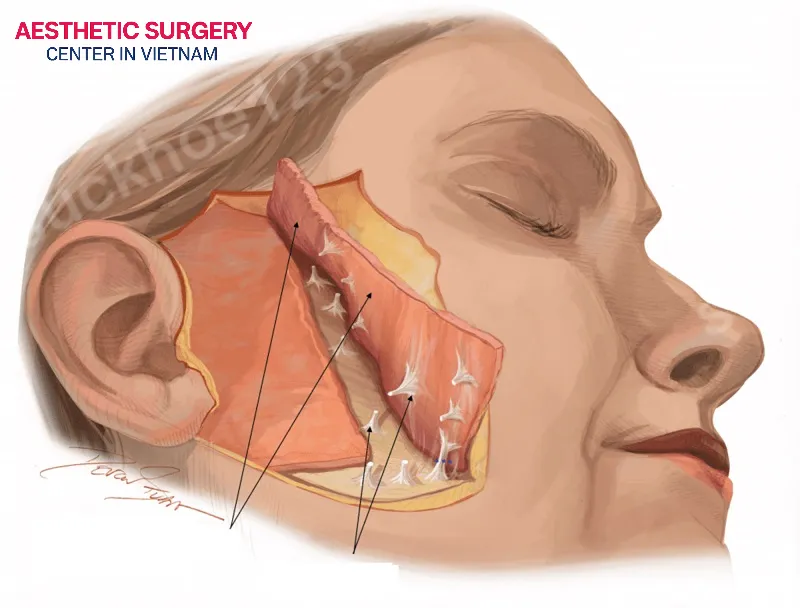
In addition to the surgical fee, when undergoing a deep plane facelift, you also need to pay for costs such as medical tests, surgery, anesthesia, operating room fees, and facility charges. The details of each cost, based on market prices in Vietnam, are as follows:
Consultation
Consultation is the most important step, allowing the surgeon to assess the degree of aging of the muscles and ligaments. For a deep plane facelift, the surgeon needs more time to provide a thorough consultation, explain the incision design, and discuss facial nerve recovery. If you book an appointment with leading professors, surgeons at public hospitals, or international specialists, the consultation fee may range from 500,000 to 3,000,000 VND.
Medical tests
Because a deep plane facelift is a major surgery that requires general anesthesia, the medical tests must include comprehensive indicators to ensure maximum safety. These include a complete blood count, coagulation function tests, liver and kidney function tests, blood glucose, electrocardiogram (ECG), chest X-ray, and screening for infectious diseases such as HIV and hepatitis B and C. The cost of medical tests typically ranges from 1,500,000 to 3,000,000 VND.

Surgeon’s fee
This can be considered the highest cost and truly a case of “you get what you pay for.” The Deep Plane technique requires the surgeon to dissect into high-risk areas that contain many facial motor nerves in order to release the retaining ligaments. Only surgeons with extremely high expertise, usually more than 10–15 years of experience, are qualified to perform this procedure. As a result, their fees are significantly higher than those of surgeons performing standard SMAS facelifts, accounting for approximately 50%–60% of the total surgical cost.
Anesthesiologist fee
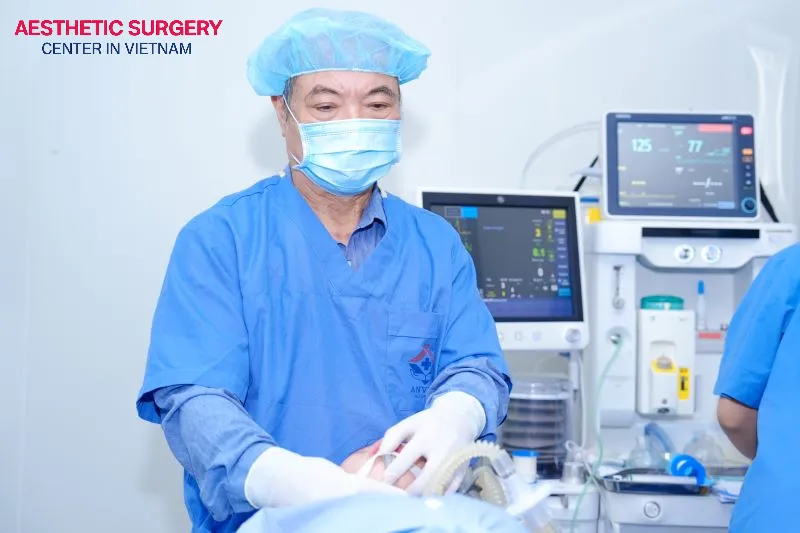
A Deep Plane facelift typically lasts between 4 and 6 hours, much longer than a conventional facelift. The anesthesiologist must remain present throughout the entire procedure to maintain stable general anesthesia with endotracheal intubation, control blood pressure, and ensure safe recovery after a long operation. Therefore, the anesthesiologist fee usually ranges from 5,000,000 to 10,000,000 VND.
Medical supplies and equipment
Typically, a Deep Plane facelift procedure requires advanced medical supplies and equipment, including:
- A one-way sterile operating room: Mandatory to prevent infection during deep tissue dissection.
- Specialized surgical instruments: High-frequency electrosurgical tools or ultrasonic scalpels are used to minimize bleeding.
- Biological adhesives and cosmetic sutures: Help create finer scars and promote faster healing.
- Retractors: Specialized instruments designed for deep surgical procedures.
The cost of medical supplies and equipment usually ranges from 10,000,000 to 20,000,000 VND.
Prescription medications
After surgery, patients are required to use prescription medications as directed by the surgeon. These usually include high-dose antibiotics to prevent infection, pain relievers, anti-swelling medications, and specialized scar-prevention topical creams. Some premium packages may also include supplements that support wound healing. The cost for this part typically ranges from 1,000,000 to 3,000,000 VND.
Follow-up appointments
Follow-up appointments are usually scheduled at 1 month, 3 months, and 6 months so the surgeon can assess scar fading and the stability of facial muscles. If the scar shows signs of becoming raised, anti-scar injections are often provided free of charge during these visits. This cost is typically covered for life or at least during the first year after surgery.

Why is a deep plane facelift more expensive than other methods?
As you may know, a Deep Plane facelift is more expensive than traditional facelift methods such as SMAS facelift or Mini Facelift, usually costing 1.5 to 2 times more. This is due to the high technical complexity and strict requirements for the surgeon’s expertise. Below is a comparison explaining why Deep Plane facelift surgery is more costly than other methods:
| Criteria | Deep Plane Facelift (higher cost) | SMAS / Traditional Facelift (lower cost) |
| Area of intervention | Dissection is performed beneath the SMAS and muscle layers, addressing the entire facial aging foundation. | Dissection is done on the SMAS layer only, usually by folding or partially cutting the SMAS. |
| Ligament handling | Complete release of the main facial retaining ligaments. This is the most difficult and critical step. | Ligaments are not released or are only partially tightened within the SMAS system. |
| Difficulty & risk | Very high. The area beneath the SMAS contains the facial nerve, so the surgeon must have excellent anatomical knowledge to avoid facial nerve injury. | Moderate difficulty. The surgical field is farther from facial nerves, making it safer and easier to perform. |
| Surgery time | About 4–6 hours (depending on the extent). | About 2–3 hours.. |
| Surgeon requirements | Must be a highly specialized surgeon with extensive experience in deep facial anatomy. | Most experienced cosmetic surgeons can perform this technique. |
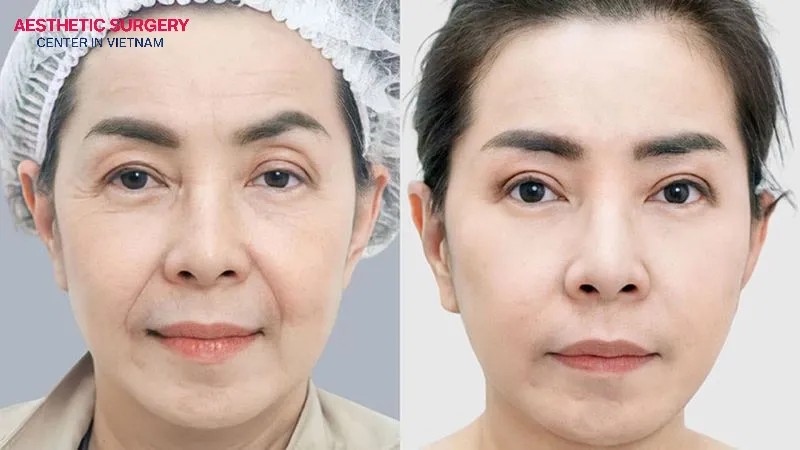
| Aesthetic results | Very natural results, no “pulled” look. Effectively improves deep smile lines. | Visible tightening of the skin surface. Improves nasolabial folds and eye–nose grooves to a certain extent. |
| Longevity | 10–15 years due to repositioning of deep structures back to their original position. | 5–7 years, as the skin and soft tissue bear the tension and may sag again more easily.. |
Factors that affect deep plane facelift cost
The cost of a facelift does not have a fixed price for everyone. It can vary from tens of millions to hundreds of millions of VND between different clinics or patients. This is because the cost of Deep Plane facelift surgery depends on the following factors:
The surgeon’s skill and reputation
This is the most important factor that determines most of the cost. Deep Plane is the most complex facial rejuvenation technique and requires the surgeon to work deep within the SMAS layer, very close to the facial nerves.
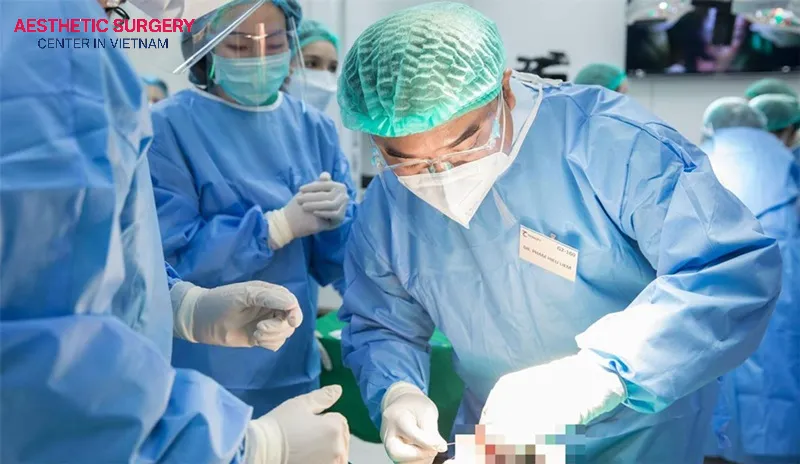
Surgeons with more than 15 years of experience, who are leading experts or have received advanced training abroad, often charge fees that are double or even triple those of less experienced surgeons. This higher cost reflects the “insurance” against the risk of facial nerve paralysis and a strong commitment to refined, natural-looking aesthetic results.
The degree of aging and the scope of intervention
The cost varies depending on whether you only need a midface lift, a lower two-thirds facelift, or a combined facelift and neck lift to achieve balanced results. In addition, if you have undergone a facelift before, the price may increase by 20–30% because the anatomical structure has changed. Scar tissue and fibrosis make dissection more difficult and require the surgeon to work with much greater precision.
The reputation and scale of the cosmetic facility
Surgery performed at internationally accredited cosmetic hospitals (JCI) or large general hospitals usually costs more than at small private clinics. This is because major facilities invest heavily in one-way sterile positive-pressure operating rooms, advanced resuscitation and emergency equipment, and strict infection control protocols to ensure maximum safety for long and complex surgical procedures.
Surgery duration and anesthesia costs
Unlike standard facelift procedures that take about 2–3 hours, a proper Deep Plane facelift usually lasts from 4 to 6 hours so the surgeon can carefully dissect and suture each muscle layer. A longer surgery time means higher costs for the anesthesia team, anesthetic drugs, and operating room fees, which increases the total cost of the treatment package.
Additional procedures (combo services)
A Deep Plane facelift is rarely performed alone and is often combined with other procedures for comprehensive facial rejuvenation, such as lower eyelid fat removal, eyelid surgery, brow lift, double chin liposuction, or autologous fat grafting to the temples. Adding these procedures increases the total cost, although hospitals usually offer discounted pricing for combo packages compared to individual services.
How to save money on a facelift?
A Deep Plane facelift is a premium cosmetic procedure with a high price tag. However, instead of looking for the “cheapest” option, you should focus on optimizing costs to get the best overall value. Below are practical tips to help you save money on a Deep Plane facelift.
Choose Vietnam instead of going abroad
This is the most effective way to significantly reduce costs while maintaining comparable quality. As you may know, a Deep Plane facelift in the US or Europe typically costs between USD 40,000 and USD 100,000 (around 1 to over 2 billion VND). In South Korea or Thailand, the price usually ranges from USD 10,000 to USD 15,000. Meanwhile, in Vietnam, the cost is only about 65 to 120 million VND.
In addition, many leading plastic surgeons in Vietnam, especially in Ho Chi Minh City and Hanoi, have received advanced Deep Plane training in the US and South Korea. They use the same technology, the same sutures, and the same sterile surgical protocols, but with much lower operating costs. By having a Deep Plane facelift in Vietnam, you can save thousands of dollars on airfare, accommodation, interpreters, and high living expenses during the 10–14 day stay required for recovery and suture removal.

Choose a “combo” package
Instead of doing each procedure separately, combining related surgeries in one session can help you save 10%–20%. Common combinations include a Deep Plane facelift with a neck lift and eyelid surgery. You only pay for anesthesia once, use the operating room once, and go through recovery one time. Hospitals often offer discounts of 10%–20% on the total bill for these combo packages to encourage comprehensive rejuvenation.
Look for promotions during special occasions
The aesthetic industry in Vietnam is highly seasonal. You can wait for the following periods to get the best prices:
- Major holidays: April 30, September 2, International Women’s Day on March 8, or occasions such as Black Friday and Christmas.
- Hospital anniversary events: These are often the times with the deepest discount vouchers or complimentary add-ons such as free skin care treatments or recovery light therapy.
Note: Even during promotions, make sure the main surgeon performing your procedure is still the head surgeon or medical director, not a trainee.

Take advantage of 0% interest installment plans
Most major cosmetic hospitals in Vietnam now partner with banks to offer 0% interest installment payments via credit cards. Instead of paying a lump sum of 100 million VND at once, you can split the payment over 6–12 months with no interest. This significantly reduces short-term financial pressure.
Register for “image support” programs
Some surgeons or hospitals that have recently introduced Deep Plane facelift services need patient images for marketing purposes. If you agree to allow the use of your before-and-after photos on their website or Facebook page, you may receive a discount of 30%–50%. However, make sure that even with the discount, surgical standards and the surgeon’s expertise remain at the highest level.
Overall, you can save money on airfare, hospital stays, or vouchers, but never cut costs by choosing low-priced surgeons or unlicensed clinics, as this can lead to serious and unwanted risks.
Deep plane facelift cost in Vietnam
At large and reputable cosmetic hospitals in Hanoi and Ho Chi Minh City, the cost of a Deep Plane facelift in Vietnam currently ranges from 65 million to 120 million VND.
This price largely depends on whether you choose a standard package or a premium package.
Reference price list by category (2026)
| Service | Average Cost | Suitable Candidates |
| Standard Deep Plane (2/3 lower face) | 65,000,000 – 80,000,000 VND | Suitable for individuals with sagging cheeks, deep smile lines, and an undefined jawline. |
| Full Deep Plane (including neck or forehead lift) | 90,000,000 – 120,000,000 VND | For severe, overall aging and skin laxity, including significant neck sagging (“turkey neck”). |
| Deep Plane + Combo (with eyelid surgery / fat grafting) | 100,000,000 – 150,000,000 VND | Individuals want full facial rejuvenation in one procedure (saving recovery time). |
| Revision surgery (previous facelift) | Additional 20%–30% | More complex cases require removal of old scar tissue and reconstruction of ligament structures. |
Below are estimated prices from several large cosmetic hospitals to make it easier for you to compare:
- Thu Cuc Cosmetic Hospital: Full Deep Plane package excluding the forehead around 75,000,000 VND.
- Kangnam Cosmetic Hospital: 3D or Deep Plane facelift package around 64,000,000 VND Face and Neck combo package around 89,000,000 VND.
- Da Lieu Hospital/108 Hospital: Ranging from 60,000,000 to 80,000,000 VND for a full facelift procedure.
- Specialist surgeon Clinics: Usually range from 80,000,000 to 120,000,000 VND due to fees based directly on the surgeon’s expertise.

Based on the shared information about the cost of a deep plane facelift, you likely now have your own answer along with relevant details. Beyond cost, you should place greater importance on choosing a reputable facility with skilled and experienced surgeons to avoid serious complications.





















Comment on the post