
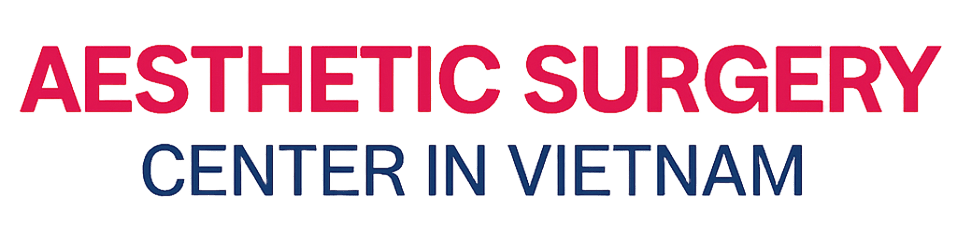


Following liposuction, fluid retention and soft tissue edema represent the body’s natural physiological response. To accelerate tissue repair and prevent subdermal fibrosis, lymphatic massage after liposuction serves as an indispensable, medically standardized post-operative care protocol. Discover the comprehensive clinical details of this therapy below.
What is lymphatic massage after liposuction?
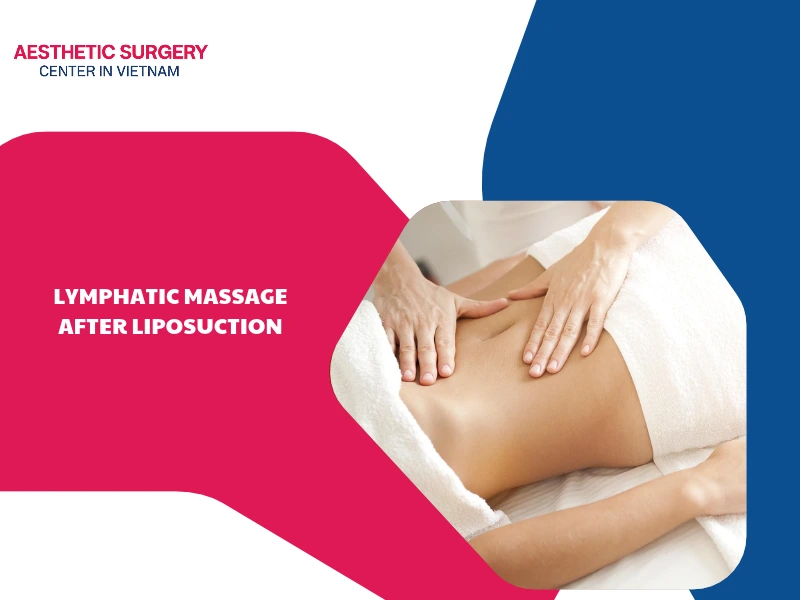
Lymphatic drainage massage is a specialized manual therapy utilizing light, rhythmic, and directional strokes designed to stimulate lymphatic circulation. This therapy plays a pivotal role in augmenting the body’s intrinsic healing mechanisms, clearing trapped interstitial fluid, and expediting overall aesthetic recovery.
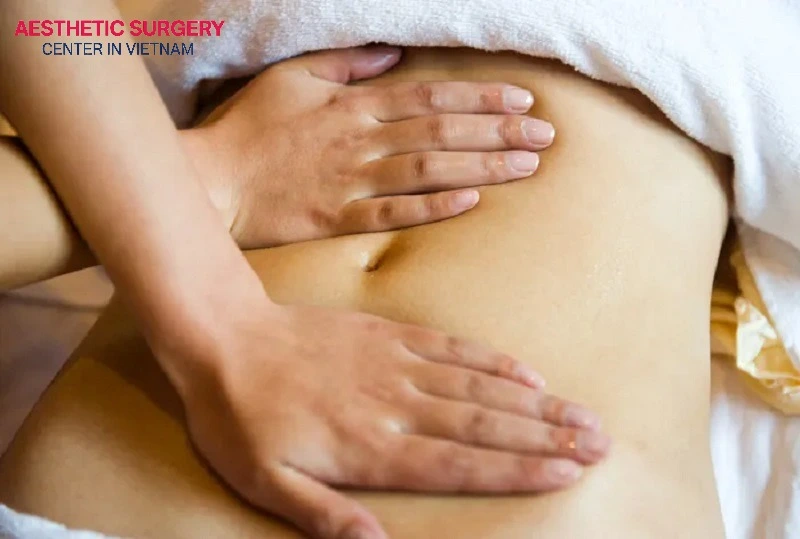
Mechanism of manual lymphatic drainage after surgery
This technique employs gentle stretching and skin-gliding movements directed toward primary regional lymph node basins. These controlled maneuvers reopen compromised lymphatic pathways, accelerating the clearance of edema fluid, metabolic byproducts, and cellular debris from interstitial compartments. As a result, the tissues soften, preventing the formation of rigid, fibrous liposuction scar tissue.
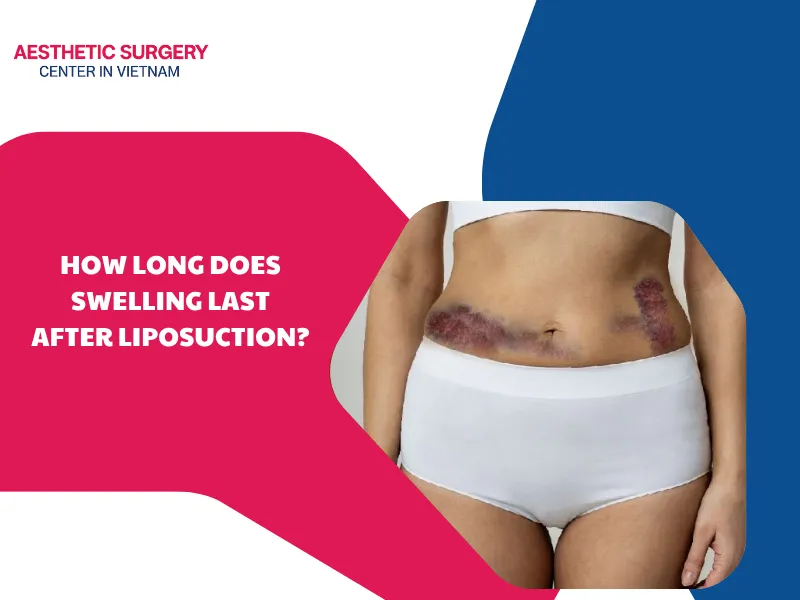
Causes of post-liposuction swelling and tissue trauma
Post-operative swelling after liposuction and structural tissue disruptions generally arise from several interrelated factors:
- Disruption of microvasculature and lymphatic channels: The mechanical back-and-forth travel of the liposuction cannula inevitably severs subcutaneous capillary networks and microscopic lymphatics, impairing normal baseline drainage.
- Tumescent fluid retention: Portions of the infiltrated anesthetic and vasoconstrictive solution remain trapped within the subcutaneous spaces rather than being fully aspirated during surgery.
- Acute inflammatory response: The immune cascade mobilizes leukocytes and plasma proteins to the disrupted surgical bed to initiate tissue repair, manifesting as localized edema and ecchymosis.
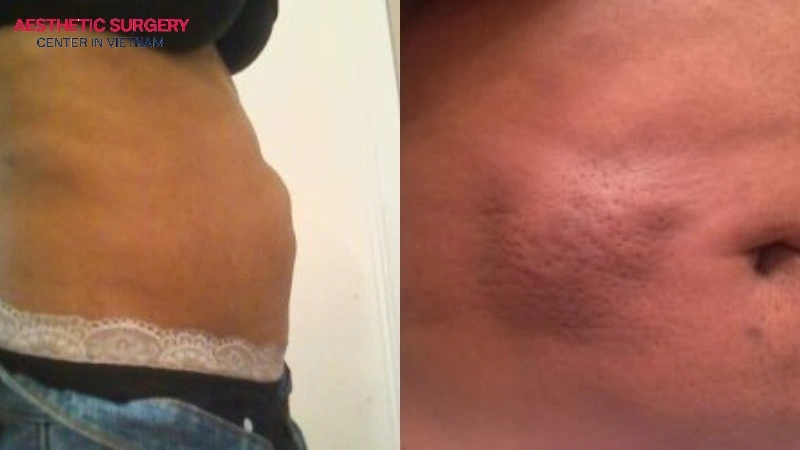
What are the benefits of lymphatic massage after liposuction?
Plastic surgeons recognize that initiating lymphatic drainage at the appropriate liposuction recovery time interval offers several clinical advantages:
Reducing post-operative swelling and fluid accumulation
Rhythmic, gentle skin pumping decompresses blocked lymphatic channels, promoting rapid reabsorption and elimination of surplus seroma fluid and residual local anesthetic. Consequently, sensations of skin tightness, fullness, and bruising diminish within just a few clinical sessions.
Preventing scar tissue formation and subcutaneous fibrosis
Applying targeted superficial traction prevents the dead space created by fat extraction from organizing into dense, fibrotic lumps. This maintains an even, supple skin texture, minimizing the risk of contour irregularities, skin waviness, or adhering subdermal scar bands.
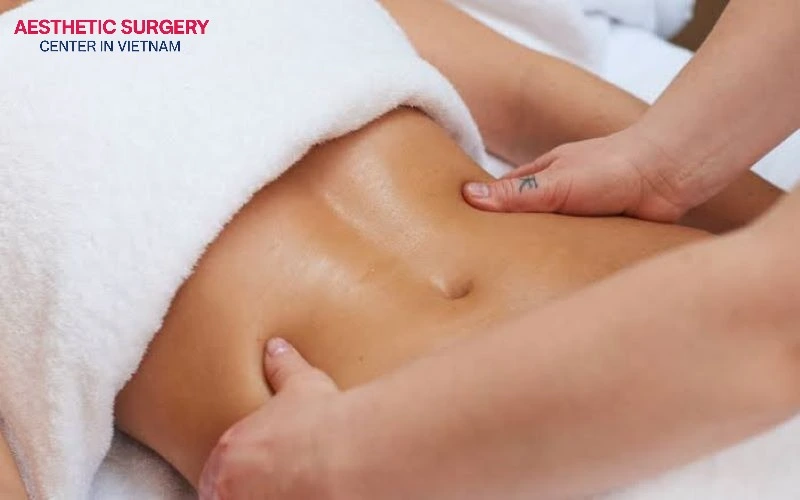
Key clinical aspects of the massage process
To maximize tissue healing without stressing healing incisions, manual drainage demands precise technique and patient compliance. Below is what to expect during a session, along with critical post-treatment care guidelines:
What happens during a treatment session
- Tissue examination and staging: The practitioner evaluates skin turgor, edema severity, and local pockets of fluid retention or early tissue firmness.
- Node clearance and activation: Therapy begins by gently stimulating central lymphatic clusters in the neck, axillae, or inguinal basins to prepare reception pathways.
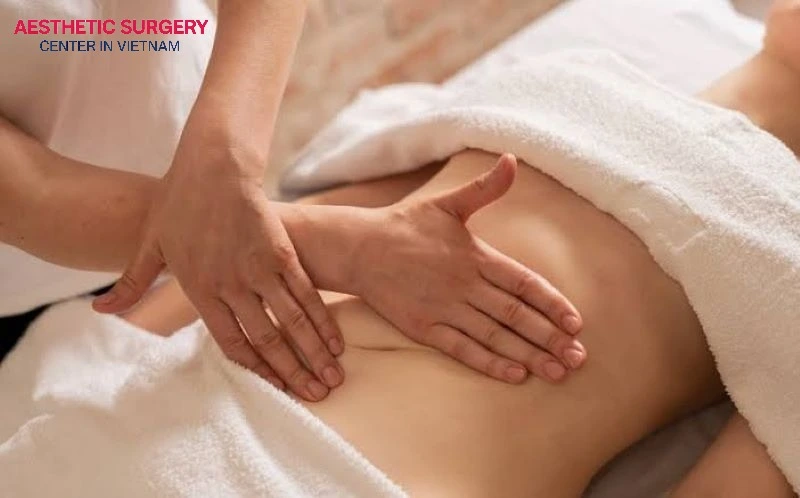
- Targeted directional drainage: Using extremely light strokes matching physiological lymphatic flow, excess fluid is guided from the operative zones toward cleared nodal basins.
- Session duration: A typical session lasts 30 to 45 minutes, remaining entirely relaxing without the deep pressure or bruising typical of traditional massage therapies.
Important post-session care instructions
- Hydrate generously: Consume 2 to 2.5 liters of warm water daily to assist renal clearance of mobilized interstitial fluid and metabolic waste.
- Reapply medical compression immediately: Resume wearing an appropriately fitted compression garment to collapse subcutaneous dead spaces, maintain skin apposition, and prevent fluid re-accumulation.
- Rest and prioritize light ambulation: Avoid high-impact exercise, saunas, and hot baths for 24 to 48 hours; maintain light walking to support venous and lymphatic return.
- Monitor systemic responses: Mild polyuria (increased urination) is normal post-treatment. Contact your clinical team immediately if you develop fever, expanding erythema, or foul-smelling wound exudate.
When should you start lymphatic massage after liposuction?
Timing is critical: initiating therapy prematurely risks mechanical irritation to fresh incisions, whereas starting too late allows fluid to organize into stubborn, fibrotic tissue. Plastic surgeons typically advise the following clinical schedule:
Recommended post-operative timeline
The first session is typically scheduled 24 to 48 hours post-op, or more commonly between days 3 and 5 once incision edges are dry and closed surgical drains have been removed. Timely intervention within the first post-operative week controls acute seroma formation and encourages adjacent tissue layers to adhere evenly.
Frequency and session volume
A standard therapeutic course comprises 6 to 12 sessions, tailored to the surface area treated and individual healing rates. Patients generally attend 2 to 3 sessions per week during weeks 1 and 2 to resolve acute swelling, tapering to 1 weekly session in subsequent weeks until tissues palpate soft, pliable, and free of focal nodules.
Are there risks or side effects to consider?
Although manual lymphatic drainage is exceptionally gentle and safe, improper execution or poor candidate selection introduces clinical risks.
Potential adverse reactions
Excessive manual pressure or aggressive rubbing can disrupt fragile neovascular beds, worsening ecchymosis, precipitating hematomas, or opening healing incision margins. Furthermore, mobilizing large fluid volumes into systemic circulation rapidly can occasionally cause transient fatigue, increased thirst, mild lightheadedness, or frequent urination.
Absolute contraindications
- Active localized or systemic infection: Clinical fever, expanding warmth, purulent discharge, or untreated abscesses in the treated area.
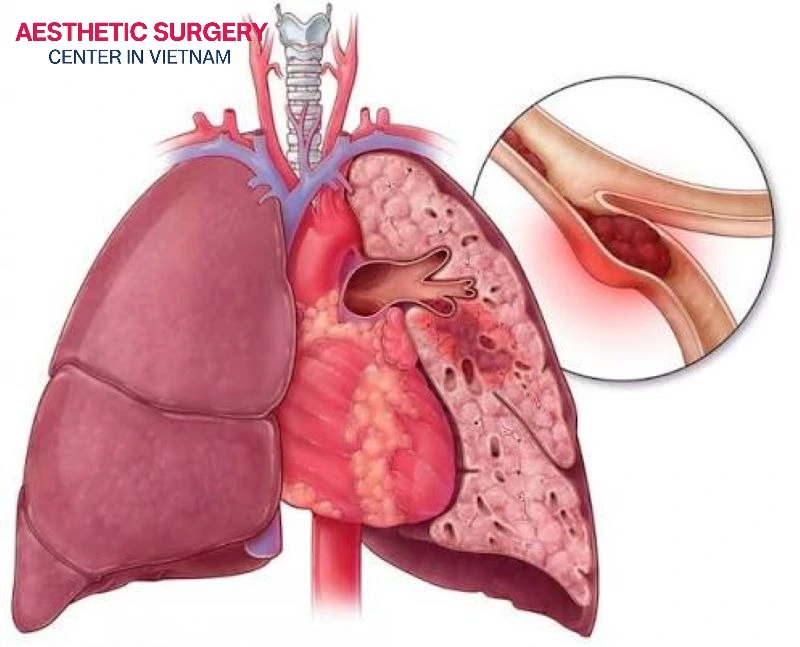
- Thromboembolic risk or history: Deep vein thrombosis (DVT) or pulmonary embolism (PE), as mechanical compression could dislodge a thrombus into central circulation.
- Severe cardiac or renal insufficiency: Congestive heart failure or acute/chronic renal failure where the cardiovascular system cannot accommodate sudden fluid shifts.
- Open wounds or tissue necrosis: Dehisced suture lines or compromised, ischemic skin flaps lacking adequate microperfusion.
Frequently asked questions
Can I perform lymphatic drainage massage on myself at home?
Self-massage at home should only be undertaken after receiving direct hands-on instruction from your surgeon or certified lymphedema therapist regarding directional vectors and pressure limits. Unsupervised, aggressive kneading or deep tissue friction can traumatize recovering subcutaneous planes, exacerbate bruising, and rupture fragile capillaries.
What happens if I skip post-liposuction lymphatic drainage?
While the body can clear retained fluid on its own, natural clearance proceeds at a significantly slower pace, prolonging swelling and discomfort for months. The primary clinical risk of omitting drainage is that persistent seroma fluid and plasma proteins can organize into chronic fibrotic bands, resulting in uneven, nodular skin textures and compromised aesthetic contours.
Proper management of post-liposuction swelling and tissue trauma?
Mechanical fat extraction disrupts the delicate subdermal capillary and lymphatic networks, triggering localized inflammation, edema, and fluid pooling.
Without timely intervention to clear this surplus fluid, residual dead spaces can develop into dense fibrotic zones or cause unsightly contour depressions. Combining consistent medical-grade garment compression with certified lymphatic massage after liposuction minimizes tissue trauma, accelerates re-epithelialization, and delivers a sleek, smooth contour.
Ultimately, lymphatic massage after liposuction serves as an evidence-based clinical therapy rather than a mere relaxation treatment. Evacuating pooled fluids under the guidance of a trained specialist shortens recovery time, prevents dermal fibrosis, and safeguards your cosmetic outcome. Consult your plastic surgeon to establish a customized drainage protocol aligned with your recovery progress.
>>> See more: What foods to avoid after liposuction?













Comment on the post