



If you want a fuller bust while prioritizing a natural look, minimal invasiveness, and quick recovery, subfascial breast augmentation has become a trusted choice for many. This technique stands out for its aesthetic benefits and safety. But what exactly is it, and why is it so highly regarded? Aesthetic Surgery Center explores the details and advantages of this modern breast enhancement method below.
What is subfascial breast augmentation?
Subfascial breast augmentation involves placing the implant directly beneath the pectoral fascia, a thin fibrous layer covering the chest muscle. It is considered a middle ground between subglandular and submuscular augmentation, offering a natural breast shape while providing solid support. This specific positioning reduces the visibility of implant edges and minimizes risks such as implant displacement, capsular contracture, and the development of a hematoma after breast augmentation.
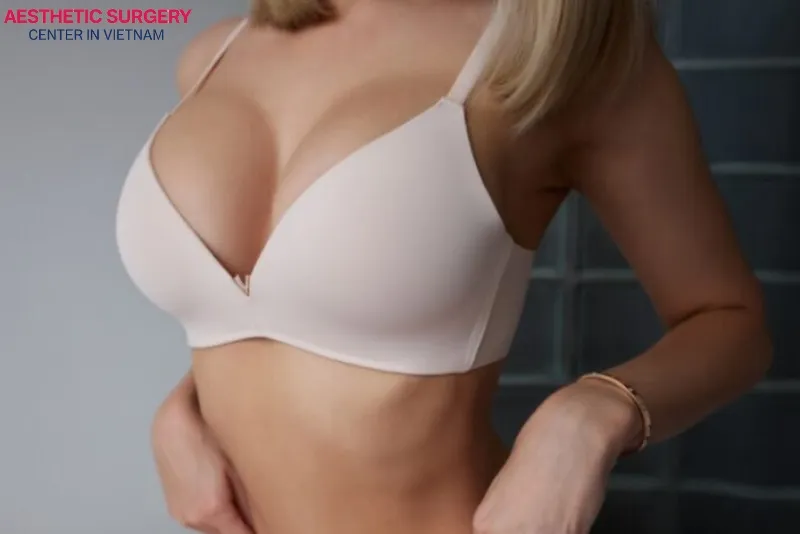
At the same time, this technique is less invasive than submuscular placement, resulting in significantly less post-operative pain, faster recovery, and minimal disruption to daily activities. Overall, subfascial breast augmentation is considered an ideal choice for those seeking a fuller, naturally soft bust without enduring the prolonged pain associated with traditional under-muscle procedures.
>>> See more: Tummy tuck and breast augmentation
What are the benefits of subfascial breast augmentation?
Subfascial breast augmentation offers numerous advantages for those looking to enhance their bust, including:
- A natural and soft bust, as the implant is placed beneath the pectoral fascia, providing better coverage than subglandular placement, giving the breasts a full appearance while maintaining natural contours.
- Reduced risk of visible implants and firmness: compared to subglandular breast augmentation, the subfascial method limits implant edges from showing or feeling hard to the touch, offering a softness similar to natural breast tissue.
- Less invasive and faster recovery: because the implant is placed under the fascia without deep muscle intervention, patients experience less pain and can return to normal activities quickly.
- With good support, the fascia helps stabilize the implant, reducing the risk of displacement, rotation, or shape changes over time.
- Suitable for many body types: this method is ideal for those with moderate breast tissue, not too thin, who want a combination of natural shape and long-lasting support.
Thanks to these advantages, subfascial breast augmentation is widely chosen as a solution that balances natural aesthetics with long-term safety.
Are there any alternatives to subfascial breast augmentation?
If you are looking for alternatives to subfascial breast augmentation—including specialized procedures such as tubular breast augmentation to correct specific shape concerns—there are several popular and safe options today:
- Dual plane breast augmentation: This advanced technique places the upper part of the implant under the muscle and the lower part under the gland. It is often preferred over traditional submuscular or subfascial methods for patients who need a significant lift or have minimal natural tissue, as it provides superior coverage and a very natural teardrop shape.
- Submuscular breast augmentation: The implant is placed directly above the chest muscle, making the procedure simpler with a faster breast augmentation recovery. However, this method may make the implant edges more visible, especially in individuals with thin breast tissue, and the breast contours may not look as natural as subfascial or submuscular techniques.
- Silicone implants: High-quality silicone implants ensure a full, soft bust and maintain long-lasting results. This method is widely trusted for its stability, safety, and optimal aesthetic outcomes.
- Autologous fat transfer:This technique uses your own body fat to enhance the breasts, avoiding implants. It is minimally invasive and leaves no breast augmentation scars, but is only suitable for mild to moderate volume increases, and results are generally less stable than silicone implants.
Choosing the right alternative depends on your body type, aesthetic goals, existing breast tissue, and professional consultation with a specialist to ensure safety and achieve the desired results.
It is clear that subfascial breast augmentation not only creates a soft, natural-looking bust but also shortens recovery time, meeting the aesthetic desires of many women. Considering the various factors affecting breast augmentation treatment, the most important for a safe and smooth enhancement journey is choosing a reputable clinic with experienced surgeons and modern equipment. We hope the information from Aesthetic Surgery Center helps you feel more confident in your beauty journey and make the right decision for yourself.
>>> See more: When can I sleep without a bra after Breast Augmentation?













Comment on the post