


Having a high and straight nasal bridge is a desire for many individuals. However, information about complications such as a failed nose, deviation, or contracture after surgery often creates psychological barriers before making a decision. So, is rhinoplasty dangerous? Let’s find a scientific answer and explore the key factors that determine the safety of the procedure in the article below.
Is rhinoplasty dangerous?
For the question “Is rhinoplasty dangerous?”, the answer is NO. In fact, it is considered a highly safe and well-controlled procedure, with a very low complication rate.
The strongest scientific evidence comes from a large-scale study published in a reputable international Plastic Surgery Journal. After screening a massive dataset of 129,007 patients, experts conducted an in-depth analysis on 4,978 cosmetic rhinoplasty cases and recorded a complication rate of only 0.7%, equivalent to 37 clinical cases.
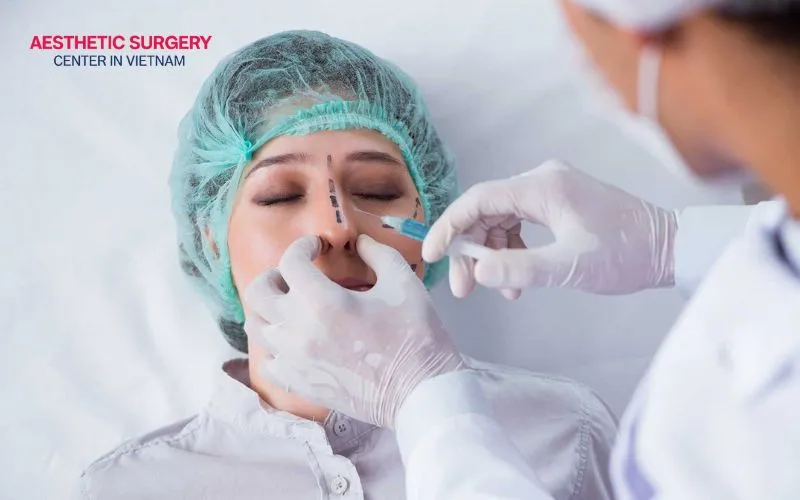
Research also shows that whether rhinoplasty is dangerous varies depending on each patient’s individual characteristics. Two major influencing factors include:
- Individuals aged 40 and above have a risk of complications 2.05 times higher than younger groups.
- The trend of combining rhinoplasty with other procedures. While standalone rhinoplasty has a risk rate of 0.58%, adding one additional procedure in another body area such as breast augmentation increases the rate to 1.02%. If two or more procedures are combined, the complication rate increases to 2.09%.
The potential rhinoplasty risks
Instead of worrying about whether rhinoplasty is dangerous, clearly distinguishing between normal post-surgical reactions and medical complications helps you stay in control of your mindset and proactively manage the entire cosmetic process.
Symptoms such as swelling, rhinoplasty bruising around the eyes, nasal congestion, or numbness of the nasal tip are temporary signs that the body is healing itself, not dangerous complications, so there is no need for excessive concern. In contrast, real medical risks are divided into two main groups, including general surgical risks such as side effects of anesthesia, hematoma under the skin, or infection, and specific aesthetic structural complications.
If rhinoplasty is performed with incorrect technique by an unqualified surgeon, the nasal structure may be deeply damaged, leading to deviation, nasal tip contracture, or more seriously, septal collapse causing airway obstruction. However, these risks can be actively controlled and minimized if the surgery is performed in a sterile standard environment by a licensed and experienced specialist.
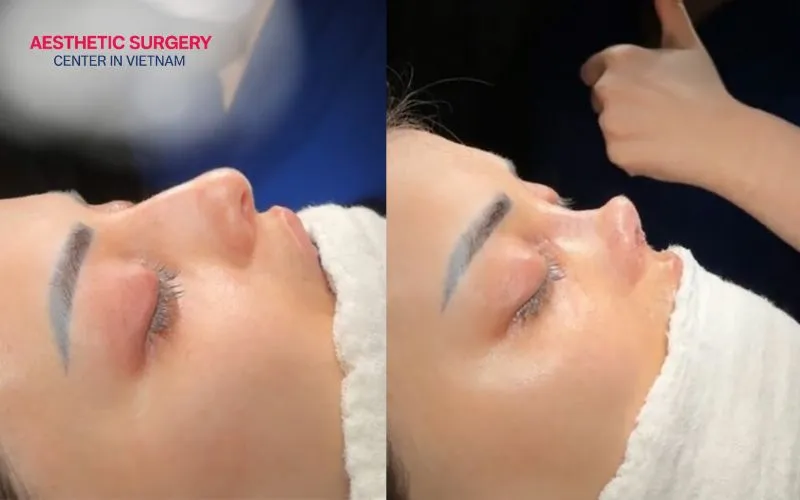
How does your health and surgeon influence safety?
Your overall health and your surgeon’s expertise are the two most important factors in ensuring medical safety. If the body is the foundation that determines how smoothly the surgical wound heals, the surgeon is the architect who shapes a nose that is both aesthetically refined and functionally stable for breathing.
Understanding how these two factors interact helps you gain a more realistic and scientific view of the question “Is rhinoplasty dangerous?”
Specifically, your health directly affects clinical rhinoplasty recovery time speed and how your body responds to anesthesia. Unhealthy habits such as smoking, underlying conditions like diabetes or high blood pressure, and excessive use of supplements can weaken the immune system and disrupt blood clotting mechanisms. Therefore, actively protecting your health and strictly following pre-operative instructions helps your body prevent risks such as infection or hematoma during surgery.

Meanwhile, the surgeon’s expertise and the surgical environment help protect the complex multi-layer anatomical structure of the nose. A skilled plastic surgeon applies delicate dissection techniques to minimize soft tissue damage, reduce rhinoplasty swelling, and preserve long-term breathing function, especially in complex revision rhinoplasty cases with significant fibrotic scar tissue.
However, this level of safety is only fully achieved when the surgery is performed in a sterile operating room that meets medical standards, supported by a specialized anesthesia and resuscitation team to control infection risks and promptly manage any anaphylactic reactions.
How to lessen your risks of rhinoplasty?
Controlling medical risks before, during, and after rhinoplasty is not a matter of chance. Instead, you need to proactively research and carefully evaluate your choices regarding both the surgeon and your own health condition.
Accordingly, you should choose a surgeon with a legally recognized plastic surgery license and extensive hands-on experience in rhinoplasty. Their deep understanding of nasal anatomy and precise clinical judgment helps significantly reduce the risk of complications during and after surgery.
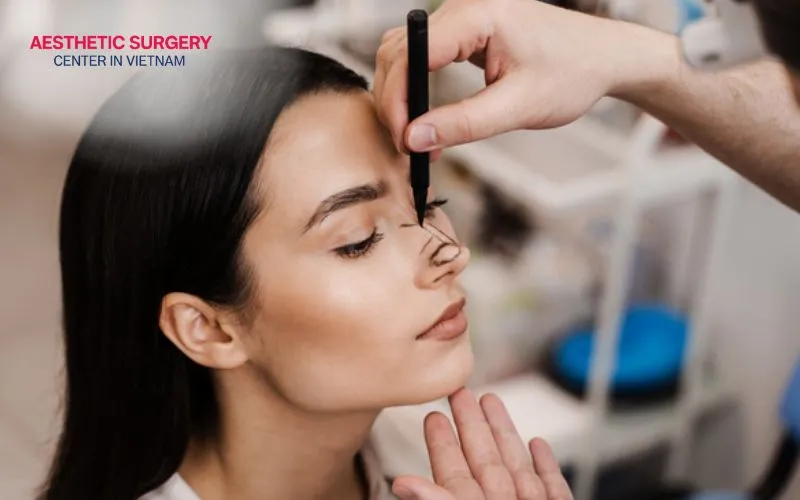
To properly evaluate a surgeon’s real competence, you should consider the following factors:
- Request to review before-and-after photos of patients with nasal shapes and aesthetic goals similar to yours. This allows you to assess the surgeon’s ability to create a harmonious nose that fits the facial structure, rather than applying a one-size-fits-all approach for every patient.
- In addition, you should also pay attention to detailed reviews of the entire rhinoplasty journey at the clinic you are considering. This helps you evaluate everything from consultation quality and the professionalism of the medical team, to post-operative care and how well the surgeon supports patients psychologically.
Beyond choosing the right surgeon, you can also actively reduce medical risks by following these principles:
- Be honest during the pre-operative consultation: Provide your surgeon with complete information about your medical history, allergies, and any medications or supplements you are taking. At the same time, clearly discuss your aesthetic goals and the actual condition of your nasal structure to ensure satisfaction and reduce the risk of complications.
- Prepare before surgery: You should stop using blood-thinning medications at least 2 weeks before surgery to reduce the risk of bleeding. Absolutely avoid smoking and alcohol, as they can delay wound healing and increase the risk of infection and tissue necrosis.
- Follow post-operative care and attend follow-up visits: Take antibiotics and pain medication exactly as prescribed by your surgeon. You should also attend scheduled follow-ups for safe suture removal, monitoring of healing progress and nasal refinement, and early management of any signs of infection.
In summary, the answer to whether is rhinoplasty dangerous depends on the surgeon’s expertise and your own preparation. The level of safety and harmony of the nose shape can be well controlled if you have good physical health, trust an experienced surgeon, and strictly follow all post-operative care instructions and follow-up schedules. Do not let vague fears prevent you from correcting imperfections and improving your appearance. Book a direct consultation with the expert team at Aesthetic Surgery Center in Vietnam via hotline (+84) 916 189 447 today to achieve a naturally beautiful and long-lasting safe nose shape.












Comment on the post