



A long nose often makes the face look unbalanced and causes many patients to feel less confident in daily communication. Therefore, long nose rhinoplasty is an effective solution to shorten the nose and create a more harmonious appearance. If you are facing a similar concern, take a look at the following article before deciding on surgery.
What is long nose aesthetics?
Long nose rhinoplasty, also known as long nose shortening surgery, is a specialized cosmetic procedure designed to reduce the overall length of the nose, helping the face look more balanced and harmonious.
A long nose is often caused by an overly protruding nasal tip or an elongated nasal septum. Therefore, this procedure focuses on correction by removing excess cartilage, lifting the nasal tip, and refining the bone and cartilage structure. After surgery, the nose appears naturally shorter, and patients often feel more confident while maintaining normal breathing function.

What causes a long nose?
The causes of a long nose usually come from the natural anatomical structure of the nose, where the overall length (from the nasal root to the tip) exceeds balanced facial proportions.
- Genetic and congenital factors are the main causes: Many individuals are born with long alar cartilage, an extended nasal septum, or a high nasal bone, which makes the nose appear long and pointed. This is a common inherited trait in certain ethnic rhinoplasty groups.
- Aging can make the nose look longer over time: As the skin and connective tissues lose elasticity and collagen decreases, the nasal tip droops, causing the nose to appear longer even though its actual size does not increase.
- Previous trauma or complications (such as nasal fractures or prior surgeries): Can alter the nasal structure, leading to imbalance and a longer-looking appearance.
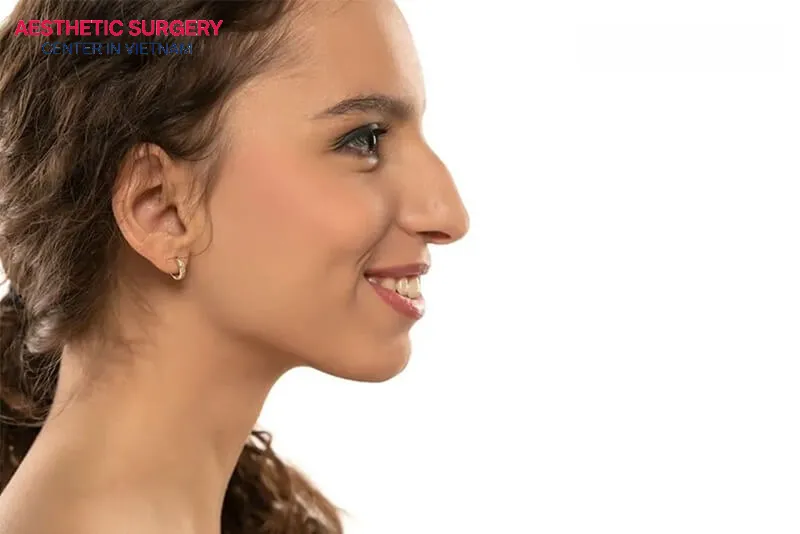
How is long nose aesthetics performed?
Long nose rhinoplasty is performed through specialized steps to shorten and harmonize the nasal length in a natural way. The procedure usually lasts from 1.5 to 3 hours, under general anesthesia or local anesthesia with sedation, depending on the level of complexity and the patient’s health condition.
The main steps typically include:
- Anesthesia and preparation: The surgeon administers local or general anesthesia to ensure comfort. The nasal area is thoroughly cleaned and sterilized.
- Incision: An open technique may be used with a small incision across the columella for clear access, or a closed technique with incisions hidden inside the nostrils. The choice depends on the extent of correction needed.
- Structural exposure: The nasal skin is carefully lifted to expose the underlying bone and cartilage.
- Nose shortening: Excess septal cartilage is removed, the alar cartilage is shortened, and the nasal tip is lifted and rotated upward to reduce overall length. In some cases, part of the nasal bone may also be reduced.
- Additional refinement: Autologous cartilage grafts (from the septum or ear) may be used to support the structure or enhance tip projection. For many patients, rhinoplasty for deviated septum is also performed during this process to correct internal alignment and improve breathing if a deviation is present.
- Closure: The skin is repositioned and sutured with fine cosmetic stitches. A nasal splint and dressing are applied to protect and stabilize the nose during healing.
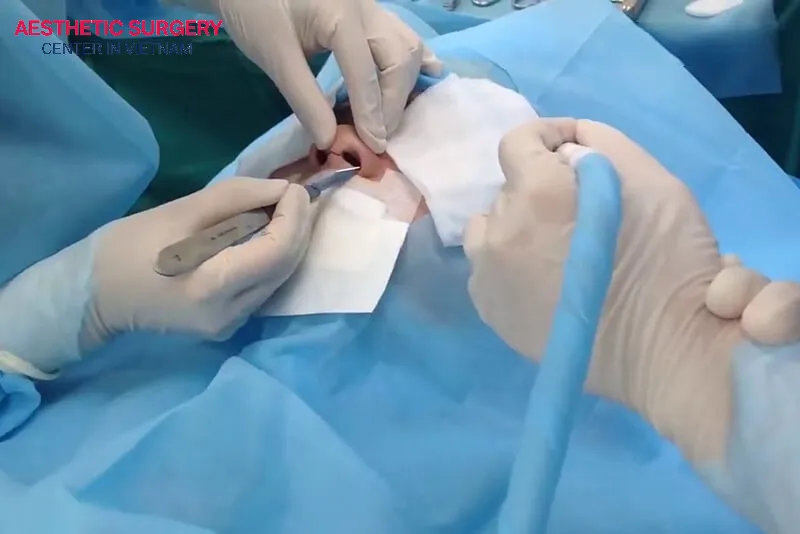
Post-operative recovery process for long nose aesthetics
The recovery process after long nose rhinoplasty usually happens gradually and goes through several main stages as follows:
- Days 1–3: This is the most uncomfortable period. The nose is swollen, with bruising around the eyes and cheeks, and mild pain may occur. You should rest completely and strictly follow your surgeon’s post-operative care instructions.
- First week: The splint and stitches are usually removed between days 5 and 7. Swelling and bruising decrease significantly. You can return to light work but should avoid the gym, wearing heavy glasses, or direct sun exposure.
- Weeks 2–4: Most swelling and bruising disappear, and the new nasal shape becomes visible. You can wear light makeup and return to normal daily activities, but still handle the nose gently.
- From the second month onward: Swelling continues to reduce, and the nose looks more natural. The nasal tip may still feel slightly firm or mildly swollen in the morning. The results are clear but not yet final.
- Months 6–12: Swelling completely resolves, and the nose reaches its final shape with soft skin and balanced, harmonious contours.
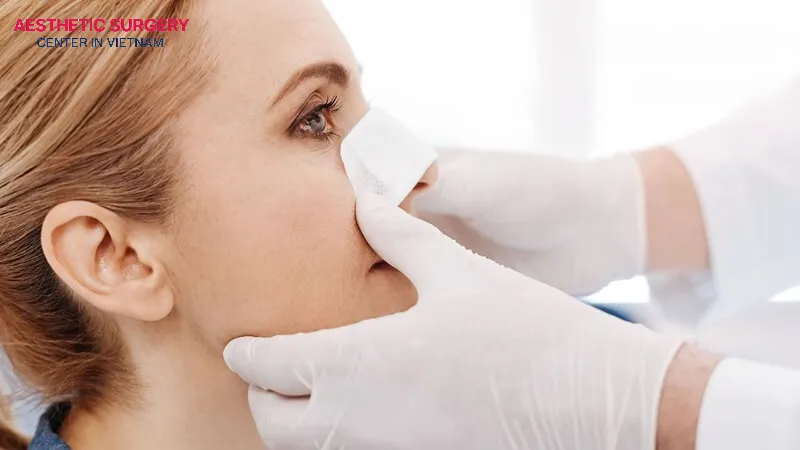
Advantages and disadvantages of long nose aesthetics
Long nose rhinoplasty is a solution that helps improve facial proportions, creating a more refined and harmonious appearance. Patients often focus more on its benefits than its drawbacks. However, it is important to understand the “other side” of this aesthetic procedure so you can be mentally prepared and take post-operative care more seriously. Below are some advantages and disadvantages of rhinoplasty long nose for your reference.
Advantages of long nose rhinoplasty
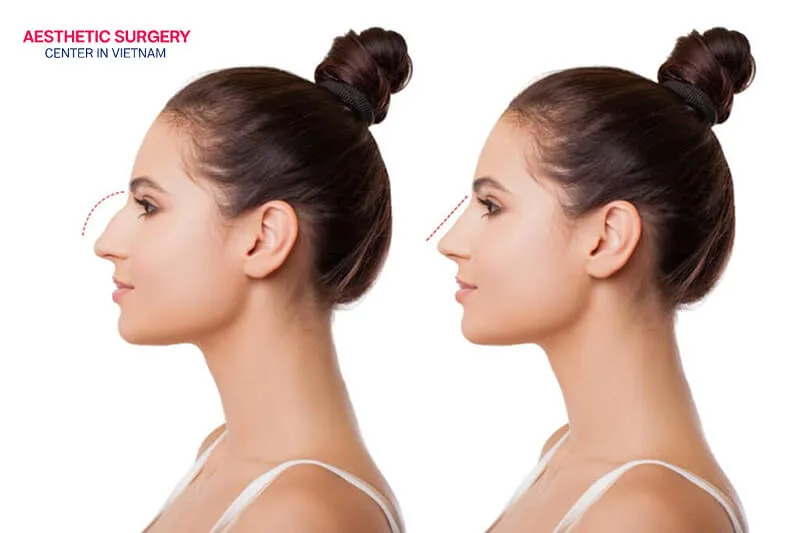
- Improves facial balance: Shortening a long nose helps it blend better with other facial features, creating a more natural and balanced look, especially noticeable in side profiles.
- Boosts self-confidence: Many patients feel more comfortable in social interactions and daily life after correcting a long nose that once made them feel insecure.
- Long-lasting and natural results: With modern techniques, the nose can maintain a natural shape and remain stable for many years.
- Can be combined with other corrections: The procedure often allows simultaneous correction of a deviated septum or refinement of the nasal tip, providing added benefits in one surgery.
Disadvantages of long nose rhinoplasty
- General risks: You may face risks such as infection, bleeding, anesthesia reactions, scarring, or temporary numbness around the nose.
- Long recovery time and swelling: Swelling can last 6–12 months to reach the final result. You also need to follow strict aftercare during the early stage.
- Results are not 100% perfect: Some cases may require revision rhinoplasty surgery due to poor scarring tendency, thick skin, or results that do not meet expectations.

What factors influence the prices of long nose aesthetics?
The cost of long nose correction surgery in Vietnam typically ranges from USD 1,000 to USD 4,000, depending on several key factors, including:
- Level of complexity: Simple procedures, such as removing excess cartilage, are usually more affordable than cases requiring autologous cartilage grafting or full structural reconstruction.
- Surgeon’s experience and reputation: Surgeons with international training and extensive experience often charge higher fees, but they provide greater safety and more natural-looking results.
- Medical facility: Large hospitals in Ho Chi Minh City or Hanoi with modern equipment and international patient services (interpreters, accommodation support) tend to have higher prices than smaller clinics.
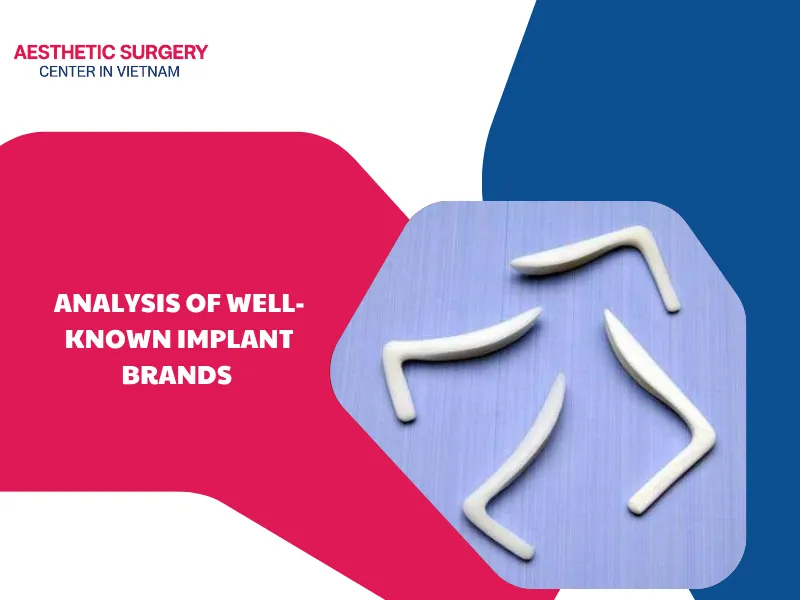
- Materials used: The use of imported silicone implants or autologous cartilage (from the ear or rib) increases the overall cost compared to basic techniques.
- Additional expenses: These include anesthesia, pre-operative tests, medications, and post-operative follow-up care.

Long nose rhinoplasty offers an effective solution to help you achieve a more balanced and natural-looking nose. With modern technology, highly experienced surgeons, and reasonable costs in Vietnam, this procedure has become an ideal choice for many international patients. Take time to have a thorough consultation and choose a reputable medical facility to ensure safety and achieve the desired results. Wishing you a refined, natural-looking nose and the confidence to shine every day!
















Comment on the post