


Rhinoplasty for deviated septum is an ideal solution chosen by many individuals. It helps improve breathing problems and also reshapes the nose to look more balanced with the face. So how is this procedure performed, and what should you keep in mind before septo rhinoplasty? Let’s answer these questions in detail in the article below.
What is rhinoplasty for deviated septum?
Deviated septum rhinoplasty is an advanced technique that combines two goals at the same time: functional treatment and aesthetic reshaping.
Normally, the septum is the wall that separates the two nostrils. When the septum is deviated, bent, or deformed (due to birth conditions or injury), it can make the nose look crooked and the bridge not straight. It can also cause health problems such as difficulty breathing, long-term nasal congestion, or sinusitis.
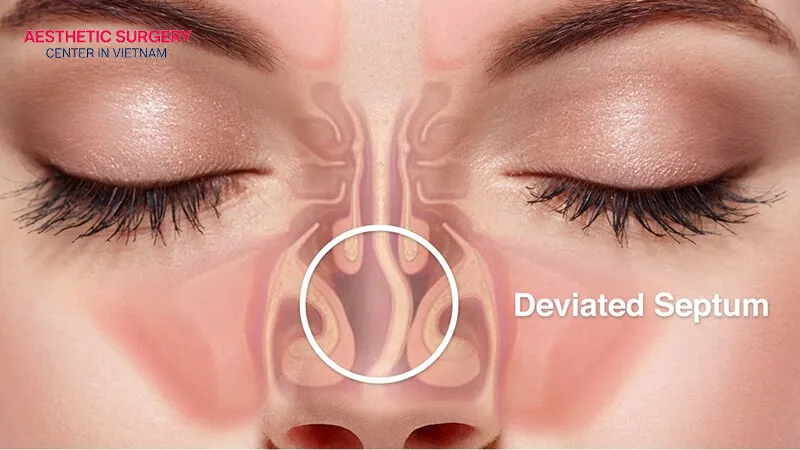
When performing rhinoplasty for deviated septum, the surgeon will combine two medical and aesthetic procedures:
- Medical aspect: The surgeon will separate and realign the deviated septal cartilage or bone back to the center position. The goal is to open the airway and fully resolve clinical symptoms.
- Aesthetic aspect: After creating a stable and straight septal foundation, the surgeon will raise the nasal bridge and refine the nasal tip. This helps the nose look higher and more elegant, while also staying balanced and not shifting or leaning after surgery.
It can be said that this is a highly complex procedure. It requires an experienced surgeon to treat the root cause inside the nose. If an implant is placed on a deviated septum structure, the new nose can easily become crooked or show implant visibility over time.
Can you get a rhinoplasty for a deviated septum?
The answer is yes. In fact, this is considered the most optimal solution to fully address both health and aesthetic concerns. In reality, many aesthetic experts recommend septo rhinoplasty for patients with a deviated septum instead of standard rhinoplasty alone.

What does the surgery involve?
Septo rhinoplasty is usually performed under general anesthesia to ensure maximum comfort and safety for the patient. The entire surgery takes about 1–3 hours, depending on the severity of the deviated septum and the desired aesthetic adjustments. The procedure includes the following main steps:
Step 1: Pre-surgery consultation and evaluation
First, the surgeon will carefully review your medical history and breathing symptoms such as one-sided nasal blockage, difficulty breathing, headaches, or snoring.
Clinical examination often includes nasal endoscopy to directly assess the severity of septal deviation, the cartilage and bone structure, and related issues such as enlarged turbinates. A CT scan or X-ray may also be performed to accurately evaluate the deviation. At the same time, the surgeon will measure the nose and analyze facial proportions to create a treatment plan that combines septoplasty with aesthetic rhinoplasty.

This consultation also allows the surgeon to discuss your expectations, possible risks, and health preparation. This stage is very important to ensure the surgery is safe, suitable, and delivers the most natural and harmonious results.
Step 2: Anesthesia and preparation
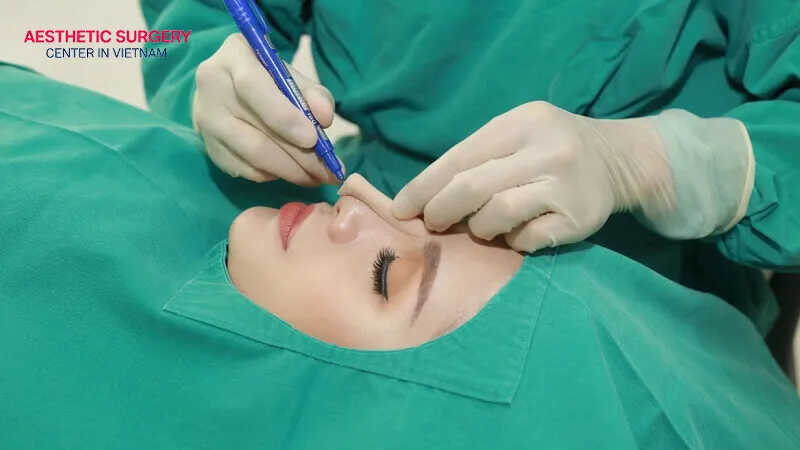
You will lie on your back with your head slightly tilted toward the surgeon. The anesthesia team will administer general anesthesia, so you will not feel any pain or discomfort.
The nasal area will be thoroughly disinfected. Then, the surgeon may gently expand the lower turbinates to reduce bleeding and improve visibility. This step ensures everything is ready, safe, and fully sterile before the procedure begins.
Step 3: Incision and access to the nasal structure
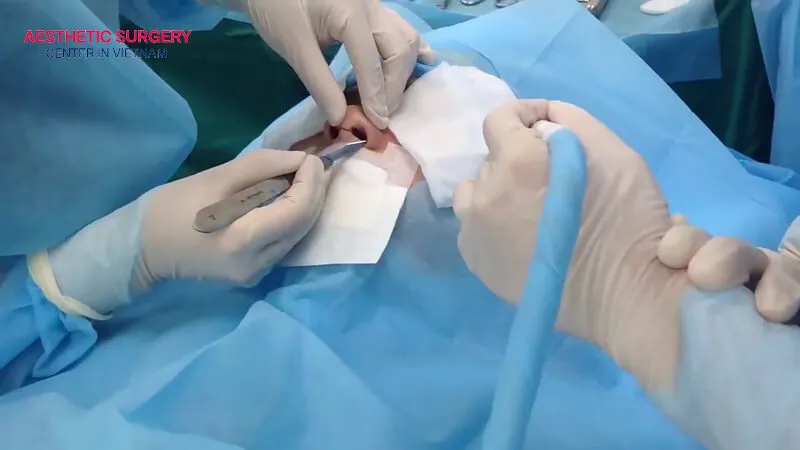
Depending on the technique, the surgeon may use an open approach with a small incision across the columella, or a closed approach with incisions inside the nostrils to avoid visible scarring. For rhinoplasty for deviated septum, the open approach is often preferred because it allows direct and precise access to both the septum and the external nasal framework.
Step 4: Deviated septum correction
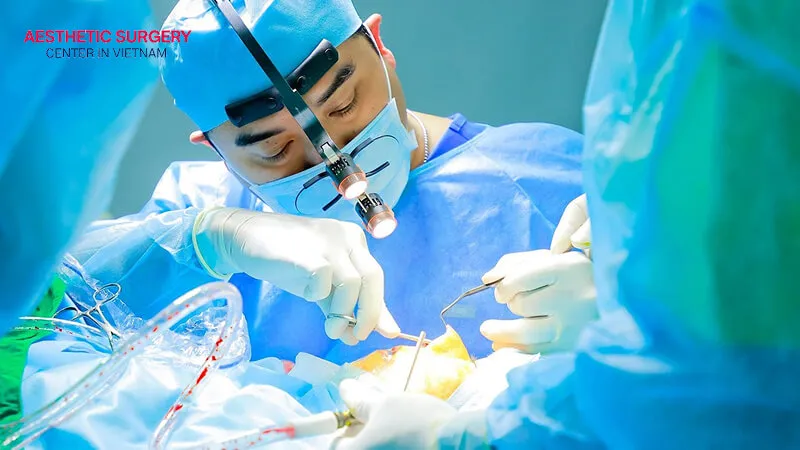
This is the core step to improve breathing function. The surgeon will separate the mucosal lining from one or both sides of the septum using specialized instruments. The deviated, curved, or excess cartilage and bone will be removed, released, or repositioned to bring the septum back to the midline. If needed, the surgeon may graft cartilage to increase stability. The mucosa is then placed back into the correct position, ensuring the inner lining is not damaged.
Step 5: Aesthetic adjustment in septo rhinoplasty
After the septum is straightened, the surgeon will reshape the external nose. This may include removing a dorsal hump, narrowing the nasal bones, refining the nasal tip by trimming or grafting cartilage, and raising the nasal bridge if needed. The goal is to create a natural and balanced nose shape that suits the face, while maintaining proper breathing function.
Step 6: Closing the incision and stabilization
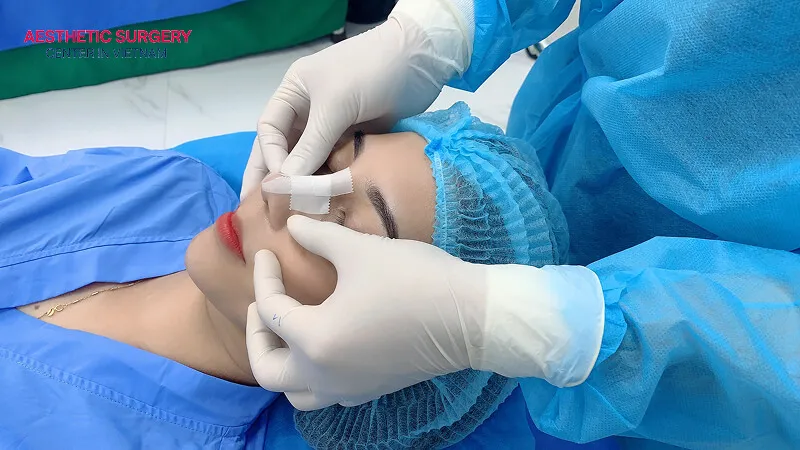
The mucosa and skin are closed using absorbable sutures or very fine cosmetic stitches. The surgeon usually places silicone splints or soft nasal packing inside the nose to support the septum and reduce swelling. An external nasal splint or taping nose after rhinoplasty is also applied to maintain the new shape and support the delicate structures. The procedure ends when you are transferred to the recovery room for monitoring as you wake up from anesthesia and your vital signs become stable.
This procedure requires a highly skilled surgeon with strong experience in both functional correction and aesthetic rhinoplasty to achieve the most optimal, safe results with minimal complications.
Recovery after surgery
Recovery after rhinoplasty for deviated septum happens gradually. It requires patience and strict compliance with your surgeon’s instructions. Below are the recovery stages to help you prepare for this journey in Vietnam.
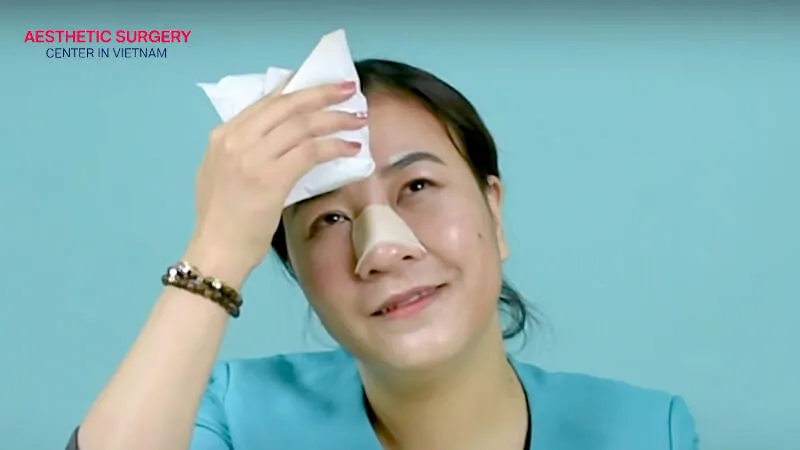
Stage 1: First 24–72 hours after surgery (Days 1–3)
Right after septo rhinoplasty, you will notice the most swelling and bruising around the eyes and nose. You may also feel nasal blockage, pressure, or mild to moderate pain, similar to sinus headache.
You may see light drainage mixed with blood, but this is normal and usually decreases within 48 hours. To support recovery, get complete rest, keep your head elevated at a 30–45 degree angle when lying down, and apply gentle cold compresses around the cheeks for 15–20 minutes each time to reduce swelling.
Stage 2: First week (Days 4–7)
From day 4 onward, swelling and bruising reach their peak and then gradually decrease, especially after the external splint or fixation tape is removed. Your nose may still feel blocked due to swollen nasal lining, and it may feel dry with crusting inside. Breathing may improve slightly but is not yet clearly noticeable.

During aftercare, you should focus on keeping your nose clean. Rinse with saline solution 4–6 times a day to remove crusts and dried discharge, making it easier to breathe. Understanding how to sleep after rhinoplasty is also vital for a smooth recovery, so continue sleeping with your head elevated on two or three pillows to reduce swelling. Avoid heavy activities, bending forward, lifting heavy objects, or exposure to heat and strong sunlight.
Stage 3: Weeks 2–4
From the second week after rhinoplasty for deviated septum, swelling will decrease significantly and bruising almost disappears. At this stage, your nose starts to look more natural, although mild swelling may still remain. Breathing also becomes clearly more open. Nasal blockage may change into dryness, which feels more comfortable with regular nasal rinsing. From this point, you can return to normal work, wear makeup, and do light exercise.
Stage 4: Months 1–3
After 1–3 months, swelling is almost completely gone. The nose reaches about 70–80% of the final shape, and breathing becomes comfortable and stable.
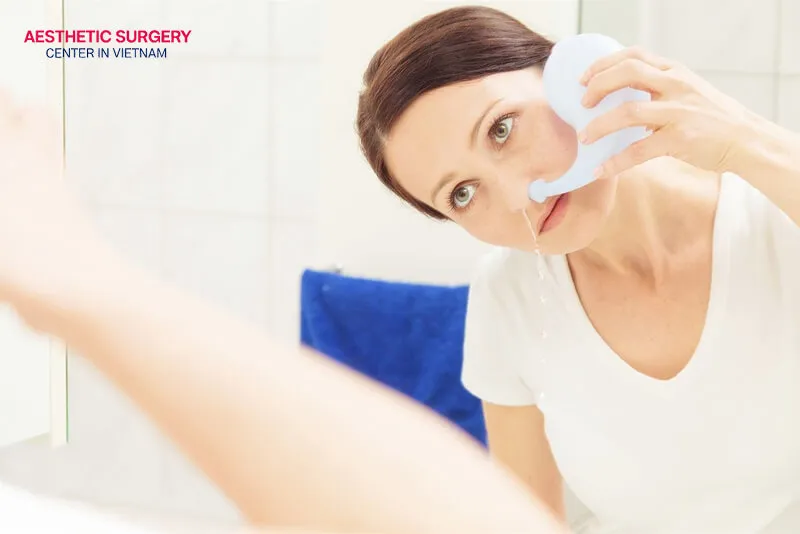
The nasal skin will gradually become thinner, and the nasal tip and bridge will feel softer. You may return to light gym workouts or jogging from week 6 if your surgeon approves, but avoid contact sports. At this stage, you should still continue nasal rinsing, especially if you are prone to allergies.
Stage 5: Months 6–12
From 6 to 12 months, your nose reaches the final aesthetic result: no swelling, the skin tightens over the new structure, the nasal tip becomes naturally slimmer, the bridge looks straight, and breathing function is optimal.
Most individuals no longer feel stiffness or mild numbness. You can join all sports activities and wear glasses normally without worrying about any impact.

Rhinoplasty for deviated septum cost
The cost of rhinoplasty for deviated septum in Vietnam usually ranges from USD 1,500 to USD 4,500. This price can vary depending on several factors, such as:
- Severity of septal deviation and aesthetic concerns: A severe deviation, previous rhinoplasty, thin skin, or complex autologous cartilage grafting can increase the cost.
- Surgical technique: Open surgery is often more expensive than closed surgery. Using autologous cartilage (septum, ear, rib) instead of synthetic implants can create more natural results, but the cost is higher.
- Surgeon and clinic/hospital: Highly experienced surgeons with international certifications or those working at reputable aesthetic hospitals usually charge more than small clinics.
- Included services: These may include anesthesia, pre-operative tests, 3D CT scan, splints, post-op medications, short hospital stay, and aftercare follow-up.
Does insurance cover rhinoplasty for deviated septum
Whether insurance covers rhinoplasty for deviated septum depends on whether the procedure is considered functional or cosmetic.
- Septoplasty (functional correction): This part is done to correct a deviated septum that causes breathing problems. It is usually covered by Vietnam’s public health insurance (BHYT) if performed at a public hospital or a BHYT-linked facility. Coverage may be 80–100% for in-network treatment, or around 40% for inpatient care if out-of-network.
- Cosmetic rhinoplasty (aesthetic enhancement): This part changes the nasal bridge, tip, or nostrils for appearance improvement. It is not covered by BHYT or most health insurance plans because it is considered cosmetic surgery. Private insurance providers also usually exclude this aesthetic portion.
In combined procedures, insurance usually covers only the septoplasty part, while the cosmetic rhinoplasty part must be paid out of pocket. Many aesthetic hospitals in Vietnam separate these two portions to help maximize insurance support. To confirm your coverage, you should:
- Bring your BHYT card to the consultation and ask the surgeon to assess the septal deviation and clearly surgeonument functional symptoms.
- Contact your insurance provider or the hospital directly to check benefits, and request pre-approval if using private insurance.
- Prepare medical records proving breathing issues (nasal endoscopy, CT scan) to increase the chance of coverage.
The upsides and considerations of rhinoplasty for a deviated septum
Septo rhinoplasty offers double benefits: it improves breathing function and enhances facial aesthetics. This is an ideal option for individuals who have breathing difficulties due to a deviated septum and also want a straighter, higher, more natural, and more harmonious nose.

Key benefits
- Significant breathing improvement: Straightening the septum opens the airway, reduces blockage in one or both nostrils, and helps decrease snoring. It supports better sleep, lowers the risk of sleep apnea, and improves blood oxygen levels.
- Fewer sinus and allergy issues: Better airflow helps sinus drainage, reduces recurrent sinus infections, relieves headaches and facial pressure, and improves allergy-related symptoms linked to nasal congestion.
- Better physical performance: Easier breathing during gym workouts, jogging, or sports helps improve endurance and reduces fatigue faster.
- Enhanced aesthetics and confidence: This combined procedure creates a straighter nose, a naturally higher bridge, and a more refined nasal tip. It also improves overall facial balance. Many patients feel more satisfied with their appearance and gain confidence in social and professional settings.
- Time and cost savings: It is done in one surgery instead of two separate procedures, reducing recovery time and overall cost compared to having separate surgeries in many other countries.
Important notes
- Choose a reputable surgeon and facility: Look for a surgeon with strong experience, international certifications, or treatment at a large and trusted aesthetic hospital.
- Health preparation: Stop smoking at least 4–6 weeks before and after surgery. Avoid blood-thinning medications (aspirin, ibuprofen), alcohol, and supplements such as garlic or salmon 1–2 weeks before surgery. Fully inform your surgeon about your medical history and any drug allergies.
- Follow post-op care strictly: Sleep with your head elevated, use cold compresses, rinse your nose with saline solution, and avoid strong nose blowing, bending down, heavy sports, and direct sunlight for at least 4–6 weeks. Attend follow-up appointments as scheduled for monitoring and cleaning if needed.
Rhinoplasty risks
Although rhinoplasty for deviated septum is a safe procedure when performed at a reputable facility, understanding the risks helps you prepare well and make a careful decision before surgery.
Common risks (Usually temporary and improve over time)
- Swelling, bruising, and pain: This happens in most patients. It is the worst during the first 1–2 weeks, especially around the eyes and cheeks. It usually improves clearly after 2–3 weeks and fully resolves within 3–6 months.
- Mild bleeding or discharge: This may occur during the first few days. It often stops on its own or may require temporary nasal packing.
- Temporary nasal blockage: Common during the initial rhinoplasty swelling stages, caused by internal swelling, crusting, or discharge. This condition may lead to mild breathing difficulty for 1–4 weeks as the tissues transition through the early phases of recovery.
- Temporary numbness or reduced sensation: You may feel numbness in the nasal tip, upper lip, upper teeth, or gums. This usually recovers within a few weeks to a few months.
- Temporary changes in nose shape: The nose may look slightly crooked or uneven due to swelling, but it will gradually stabilize over time.
Less common risks (Require monitoring)
- Infection: Signs of infection may include fever, redness, increasing pain, or pus discharge.
- Septal perforation: A small hole may form in the septum, which can cause whistling when breathing, nasal dryness, recurrent bleeding, or a runny nose.
- Nasal deformity or unsatisfactory aesthetic results: The nose may look crooked or curved, the bridge may appear uneven, or the nasal tip may look wide or droopy.
If you notice abnormal symptoms such as heavy bleeding, high fever, severe pain, or sudden changes, contact your surgeon immediately. With proper preparation and careful follow-up, most patients achieve long-lasting and satisfying results.
Rhinoplasty for deviated septum address in Vietnam
Vietnam is an attractive destination for medical aesthetic tourism, especially for those seeking a rhinoplasty clinic in Vietnam for a deviated septum. This is thanks to reasonable costs, modern technology, and highly experienced surgeons available across the country.
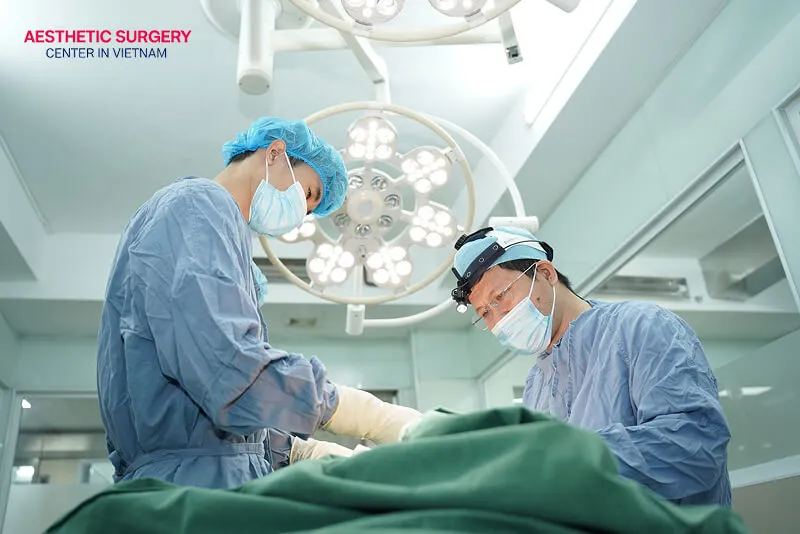
Aesthetic Surgery Center in Vietnam is a standout and trusted clinic with a highly qualified medical team, skilled surgeons, and extensive experience in the field. The facility is modern and equipped with advanced international-standard technology, ensuring a sterile environment and precise surgical procedures. The staff is professional and friendly, providing dedicated support from consultation to post-operative care.
In particular, Aesthetic Surgery also offers free airport pickup and drop-off services, as well as support in booking high-quality hotels. This helps you travel easily and rest comfortably during your treatment. Many international patients also highly appreciate the attentive service and results after their procedures here.
Rhinoplasty for deviated septum is not only an aesthetic solution, but also brings positive improvements to quality of life. With the strong development of the aesthetic industry in Vietnam, you can feel confident choosing this procedure at reputable clinics. Hopefully, this article has given you a complete overview of septo rhinoplasty, helping you prepare well in terms of finances, time, and health. Wishing you a perfect nose and lasting confidence!














Comment on the post