



Can you fly after getting botox? This is a common question among beauty enthusiasts before international trips. Although it is considered a safe cosmetic procedure, many individuals worry that changes in air pressure during a flight may affect the botox. Read the article below to understand this issue and help maintain the best aesthetic results during your trip.
Can you fly after botox injections?
The answer is yes. However, to ensure complete safety and achieve the best aesthetic results, you should plan your rest and travel carefully.
According to dermatologists and international aesthetic doctors, you should wait at least 4 hours before flying after botox injections. This is an important period that allows the botulinum toxin to stabilize and bind properly to the nerve endings in the targeted muscle groups.

However, the ideal resting time before flying is 24 to 48 hours. This period allows the injection points to close completely and helps reduce swelling, bruising, or the movement of botox to other muscle groups. Therefore, if your schedule allows, waiting at least one day helps you better control any botox side effects and enjoy your trip with the best appearance.
What are the risks of flying too soon after botox injections?
When considering can you fly after getting botox, the most important factor is not just the answer “yes” or “no,” but the timing of your flight. Flying too soon may lead to certain risks that can directly affect your appearance and overall safety.
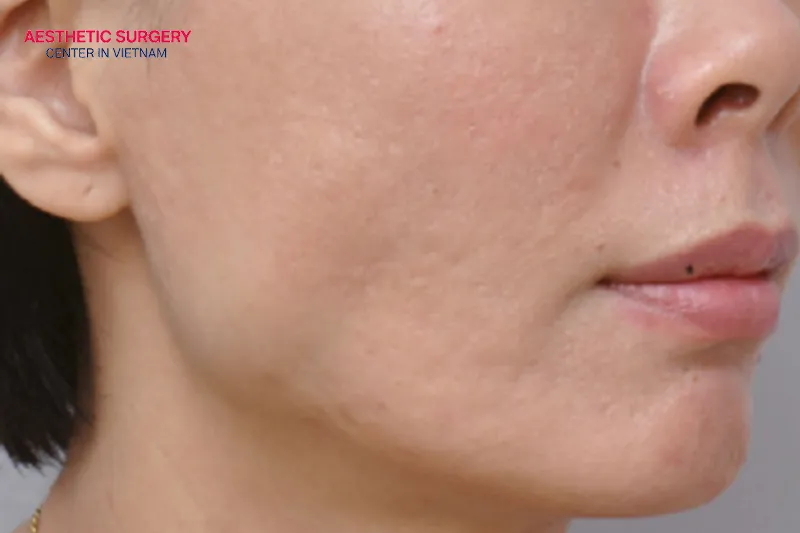
Below are the specific risks you should be aware of:
- Movement of the product: This is the most concerning risk. Changes in cabin pressure, along with physical movements such as bending to pick up luggage, carrying heavy items, or sleeping in unstable positions on a narrow seat, may cause botox to spread to nearby muscle areas.
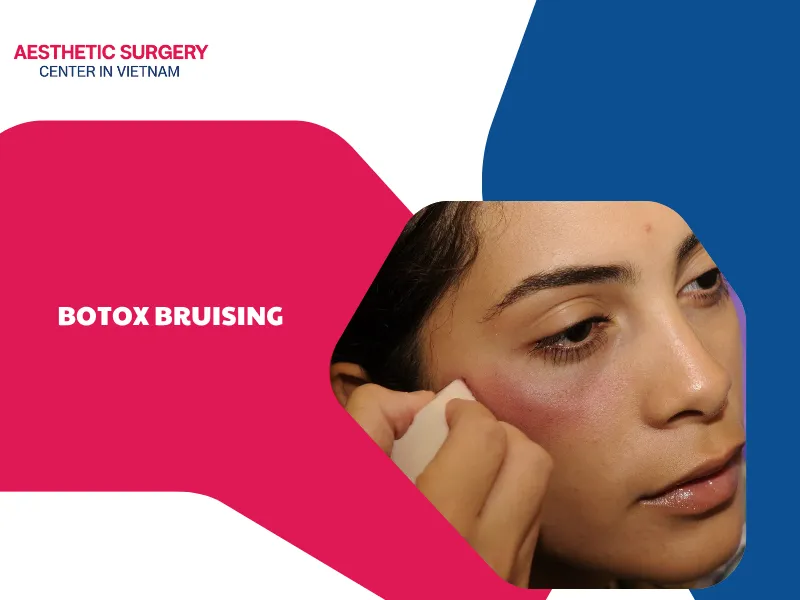
- Increased swelling and bruising: Flying immediately may cause the injection sites to remain swollen longer or develop more noticeable bruising because low cabin pressure can slightly affect blood circulation.
- Risk of dry skin and irritation: The low humidity on airplanes can make the recently treated skin more sensitive and dry, which may indirectly affect how the product settles under the skin.
- Headache and discomfort: Some individuals experience mild headaches after injections. A flight may increase fatigue and make the discomfort feel more noticeable.
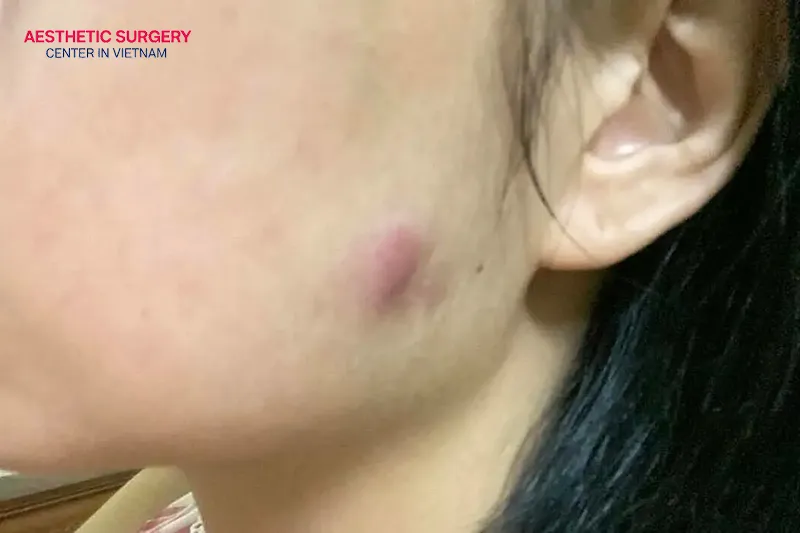
How to reduce botox swelling before flying?
After understanding whether you can fly after botox, knowing how to manage your body’s reactions before the trip is very important. To reduce swelling after botox injections, you should follow proper at-home care as follows:
- Apply a cold compress gently using an ice pack or a soft towel for 10–15 minutes each time around the treated area during the first 24 hours to constrict blood vessels and reduce swelling.
- Maintain a slightly elevated head position, even while sleeping.
- Avoid intense physical activities or bending your head down before boarding the plane.
- Do not massage, rub, or apply pressure to the injection area to prevent botox from spreading to other muscles.
- Avoid coffee, alcohol, and blood-thinning substances such as aspirin, ibuprofen, fish oil, and similar products because they increase the risk of under-skin bleeding.
- Avoid foods that may cause irritation such as seafood, sticky rice dishes, beef, and chicken.

In addition to the care methods mentioned above, you should drink plenty of water, consume foods rich in vitamins and minerals, and maintain proper rest. This helps the body recover quickly, ensures stable rejuvenation results, and prepares you for your flight.
Tips can you fly after getting botox safe
To ensure a smooth journey without affecting your aesthetic results, preparing some smart travel tips is very important. The question “Can I fly after getting botox?” will no longer be a concern if you pay attention to adjusting your posture and habits while on the airplane.
First, prioritize choosing a seat with more space and use a U-shaped neck pillow to help keep your head in a straight position. In addition, you should completely avoid bending down to arrange luggage or carrying heavy items. This helps prevent accidentally pressing your face against the window, seat, or causing sudden pressure changes on the facial muscles.
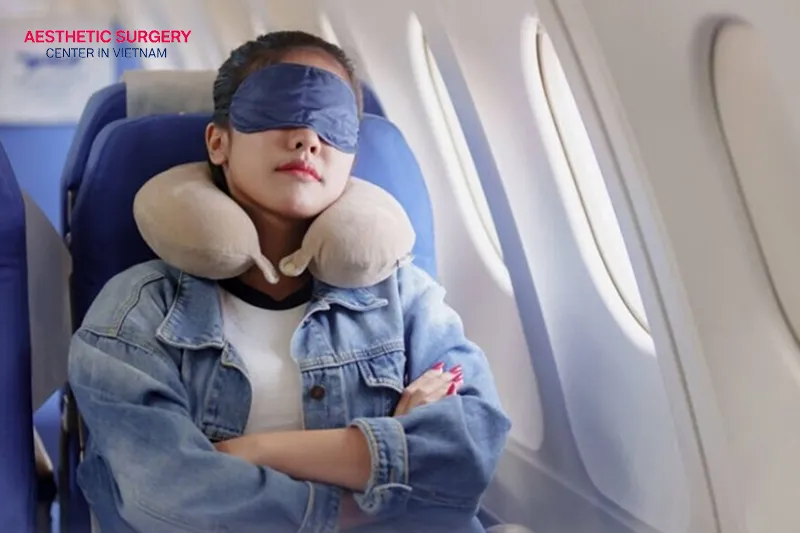
In addition, the humidity inside airplane cabins is usually very low. Protect your skin’s moisture barrier by using gentle moisturizers or facial mists. Finally, do not forget to apply sunscreen because UV intensity at high altitudes can be very strong and may easily irritate the skin after botox injections.
As you can see, the answer to whether can you fly after getting botox is yes, as long as you follow the recommended resting time and professional guidelines. Always prioritize safety by planning your travel schedule carefully when undergoing this aesthetic treatment. Hopefully, the information above helps you enjoy your journey with confidence and a refreshed appearance.
>>> See more: What to do after botox?















Comment on the post