



“What to do after botox?” is one of the most common concerns among beauty enthusiasts. Following proper botox aftercare not only helps prevent complications but also maintains wrinkle-reducing and contouring results for a longer time. This article answers common questions so you can feel confident achieving the most refined appearance after botox injections.
Botox recovery time
Botox injections are often called a “lunchtime cosmetic treatment” thanks to their non-invasive nature and almost zero recovery time. You can return to work and daily activities immediately after leaving the clinic without needing downtime.
Below are the important timelines to monitor facial improvement:
- Immediately after injection (0–24 hours): Mild swelling or small redness at the injection sites is a normal body reaction and usually disappears on its own within a few hours.
- From day 3 to day 7: The active ingredients in botox for wrinkles begin to take effect shortly after injection. Facial muscles gradually relax, and dynamic wrinkles start to fade noticeably, resulting in a smoother appearance.
- After 14 days: This is when botox reaches its optimal results, giving a natural and more refined appearance.
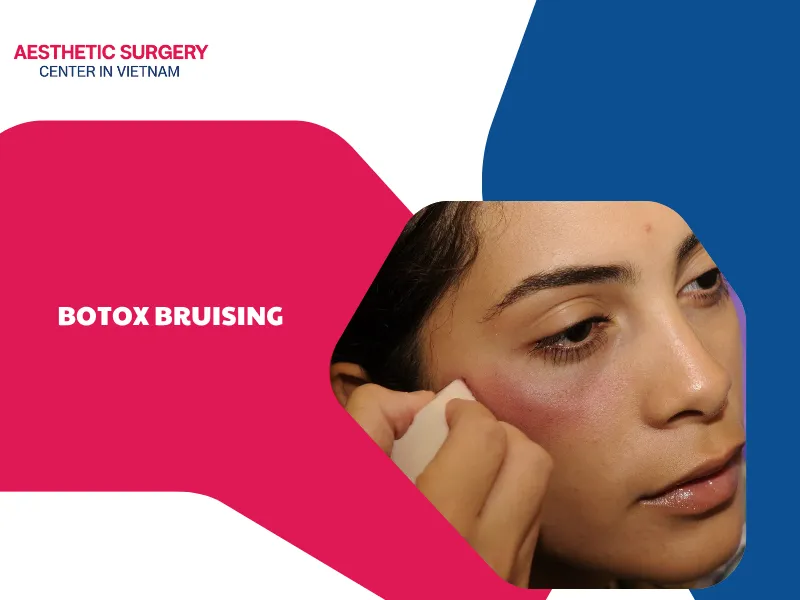
Each person’s response speed is different. If swelling or bruising does not improve after 48 hours, you should contact a specialist immediately.
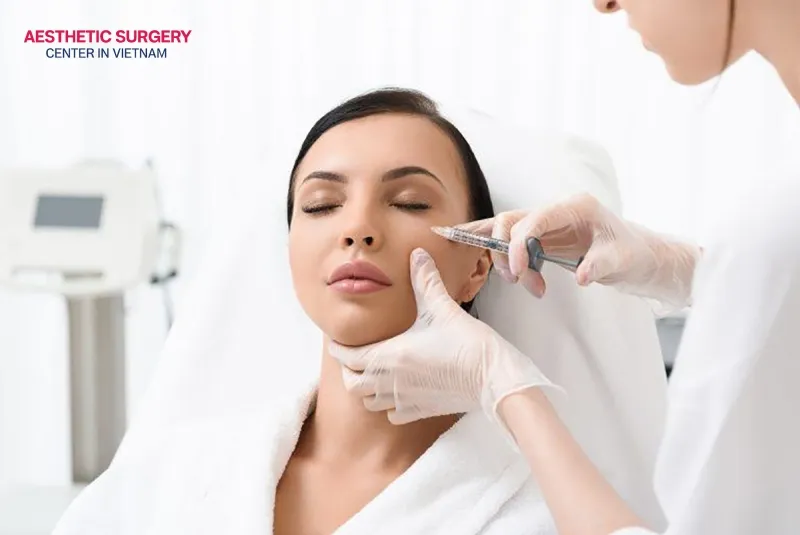
What to do after botox?
Many patients often wonder what they should do after leaving the clinic. Below are professional guidelines that answer the question “what to do after botox” so you can confidently maintain a radiant appearance and prevent any unwanted complications.
Avoid touching or massaging the treated area
You should absolutely avoid touching, pressing, or massaging the treated area. This action may accidentally cause botox to move to nearby muscle groups, leading to unwanted aesthetic results such as an uneven smile or droopy eye after botox. Instead, keep the treated area “still” for at least the first 4–6 hours. This is the most important step in botox aftercare, helping the substance absorb optimally.
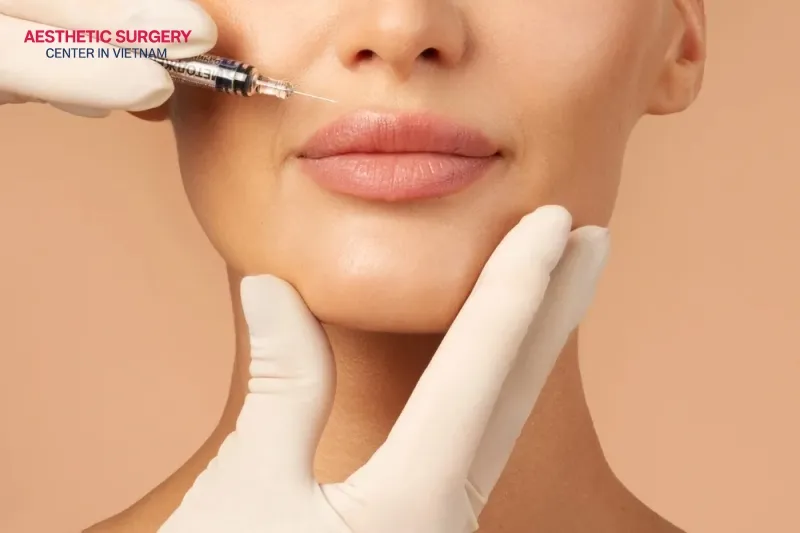
Stay upright
If you are wondering “what to do after botox,” avoiding bending your head down or lying down is a simple but very effective rule. Within the first 4–6 hours after botox injections, many specialists recommend keeping your head in an upright position. Lying face down, lying on your side, or using a pillow that is too low can create pressure on the treated area, causing botox to spread outside the target area under the effect of gravity.
Use this time to rest in a sitting or standing position so the substance can be absorbed accurately into the correct muscle groups that need treatment.
Establishing a botox aftercare routine
Establishing a gentle botox Aftercare routine is the key to protecting the skin after treatment. During the first 24 hours, you should only wash your face with cool water and a gentle cleanser. Avoid strong rubbing or using skincare products with high acidity. At the same time, moisturize the skin with a mild and gentle moisturizer.
A proper skincare routine will promote faster recovery and help the rejuvenated skin reach a naturally smooth and firm state sooner.
Sun protection and its role in maintaining results
When learning about “what to do after botox,” do not ignore proper sun protection. UV rays not only damage the collagen structure but also indirectly affect the skin’s recovery process after the procedure. Using a broad-spectrum sunscreen with SPF 30+ or higher is essential when you go outside. Do not forget to combine it with a wide-brim hat or sunglasses to enhance protection for the facial area.
Follow-up appointments and touch-ups
Follow-up appointments usually take place about 2 weeks after the injection. This is the ideal time for the doctor to evaluate the level of muscle relaxation and determine whether small touch-ups are needed.
Do not miss these appointments, even if you feel completely satisfied with the current results. Close monitoring helps the doctor better understand your body’s response and adjust the dosage for future treatments.

Avoid excessive facial movements
Although some doctors encourage lightly “exercising” the facial muscles right after the injection to help botox absorb faster, it should only be done at a moderate level. Avoid excessive muscle movement or exaggerated facial expressions.
Frowning, squinting, or smiling too widely during the first few hours may disrupt how the substance diffuses into the muscles. Maintain maximum facial relaxation with gentle and natural movements. This is enough to help botox work effectively without affecting the defined structure.
Maintain a healthy lifestyle
A healthy lifestyle plays an important role in supporting long-lasting aesthetic results. During the first 24–48 hours, you should avoid alcohol, alcoholic beverages, and intense physical activities that cause heavy sweating. Alcohol can increase the risk of bruising at the injection sites. Meanwhile, intense exercise increases blood circulation, which may cause botox to spread to the wrong area.
During botox Aftercare, prioritize drinking plenty of water, eating light and balanced foods, and getting enough sleep. A balanced lifestyle helps the skin recover faster and prolongs the effects of botox, keeping your appearance fresh.

Can you wash your face after botox?
The answer is yes, but it must be done with maximum caution. You should wait at least 4–6 hours after the injection before letting water touch the treated area. When washing your face, prioritize using cool water or lukewarm water and a gentle cleanser. Avoid rubbing or massaging the recently injected area, as this may cause botox to move away from the target location. Use a soft towel to gently pat the skin dry instead of wiping it firmly.

Is it ok to exercise after botox?
You should avoid high-intensity physical activities for at least the first 24 hours after the injection. Heavy exercise increases heart rate and blood circulation, which may cause botox to spread to nearby muscles instead of staying in the target area.
In addition, excessive sweating may also cause irritation at the injection sites. After 24–48 hours, you can return to your normal exercise routine. However, if you undergo lifting treatments or receive a large amount of injections, consult your doctor for the most appropriate rest period.

Is it ok to smile after botox?
You can completely smile and show natural facial expressions. However, during the first few hours, try to avoid excessive expressions such as laughing too loudly, frowning, or exaggerated squinting.
Keeping your facial muscles in a gently relaxed state will help botox absorb stably into the muscle groups being treated. After the first day, normal facial movements will not negatively affect the results. Feel confident communicating, but do not be overly “tense” about controlling your expressions.
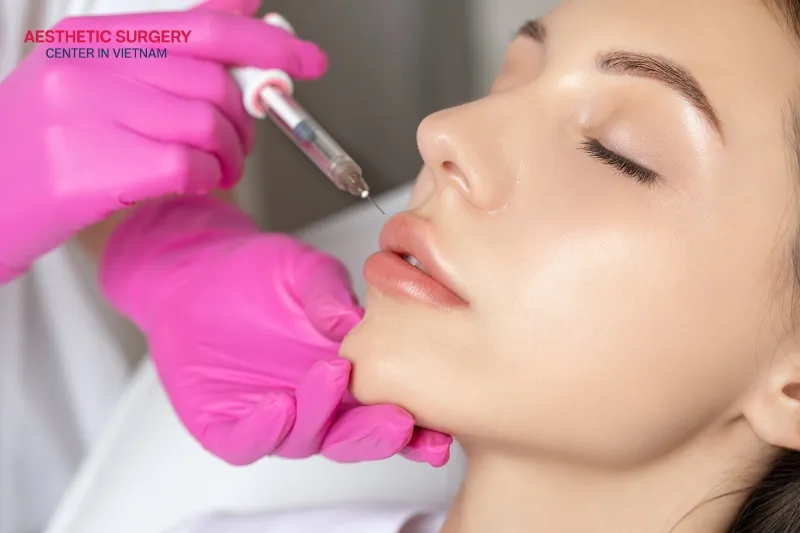
Can you wear makeup after botox?
To ensure safety, you should avoid wearing makeup immediately after the injection to prevent bacteria from entering the small injection sites. The ideal time to start wearing makeup again is after 4–6 hours. When applying makeup, make sure tools such as brushes or sponges are thoroughly cleaned.
When applying foundation or powder, gently dab the product. Avoid pressing or rubbing strongly on the recently treated area. Prioritize gentle products that do not clog pores so the skin can “breathe” and recover effectively.
Complications and side effects to look out for
Although botox is a safe non-surgical aesthetic treatment recognized by the FDA, each person’s body may react differently. Understanding the signs from normal to potentially serious helps you stay proactive during the recovery process.
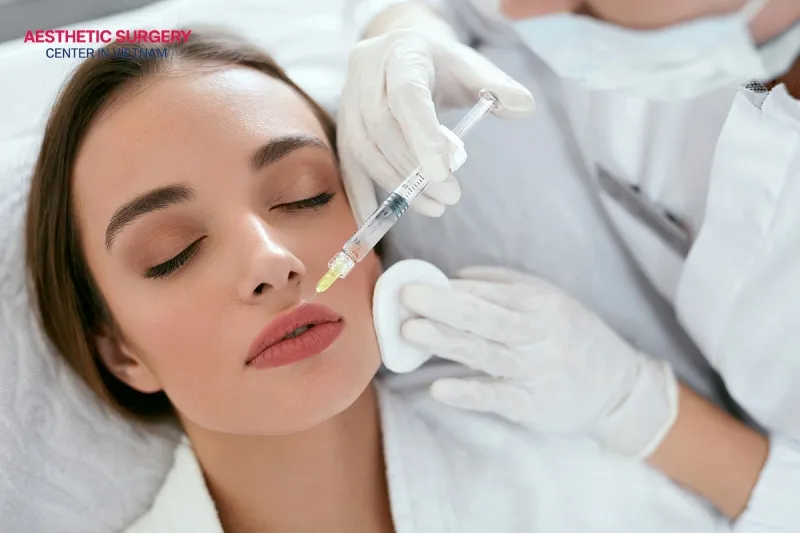
Common side effects
Most cases experience only mild botox side effects after the injection, and these symptoms usually disappear on their own after a few days:
- Swelling, redness, and bruising: This is the skin’s natural reaction at the injection sites. You can apply a gentle cold compress to reduce swelling.
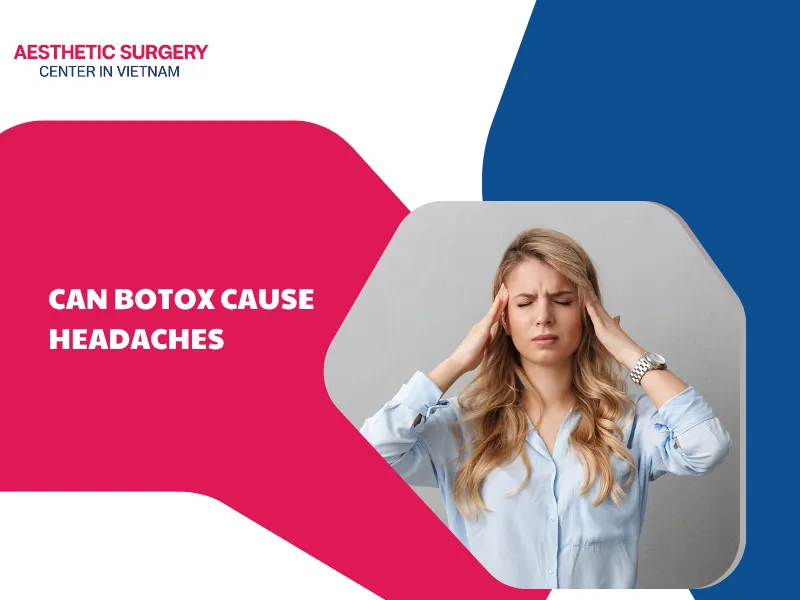
- Mild headache: Some individuals may experience a headache during the first 24–48 hours after the injection because the facial muscles begin to relax or due to anxiety.
- Feeling of tightness or heaviness in the face: This is a sign that botox is starting to work by relaxing the muscle groups. This feeling will gradually fade as you get used to the new state of your facial muscles.
Aesthetic complications
These issues are often related to injection technique or an inappropriate dosage:
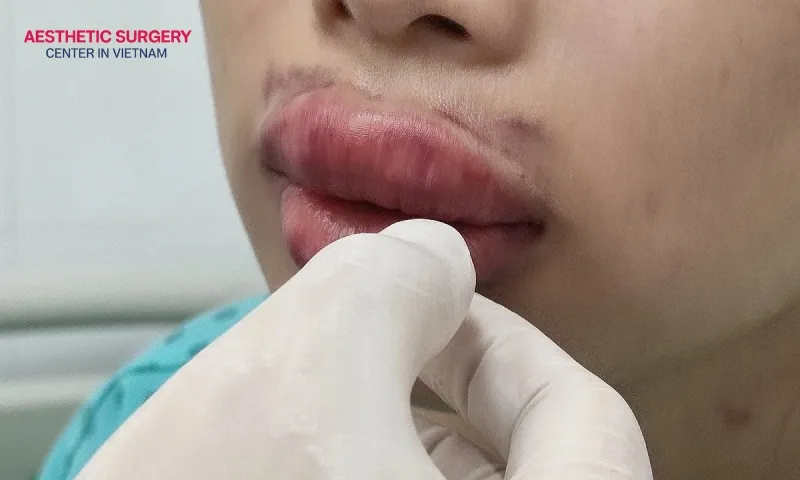
- Drooping eyelids or eyebrows (Ptosis): Botox spreads to unintended muscle groups, causing the eyelids or eyebrow droop after botox.
- Facial asymmetry: One side of the face moves more strongly than the other due to uneven distribution of the substance.
- “Frozen face” effect: Caused by excessive dosage, which makes facial muscles lose their ability to express emotions and creates an unnatural appearance.
Emergency signs that require immediate medical attention
Although extremely rare, if you experience the following symptoms, go to the nearest medical facility immediately:
- Difficulty breathing, swallowing, or speaking.
- Decreased vision, double vision, or blurred vision.
- Severe rash, intense itching across the body, or signs of a serious allergic reaction.
“What to do after botox” is the golden key to maintaining perfect aesthetic results and ensuring maximum safety. By strictly following at-home care instructions, avoiding unnecessary impacts, and always listening to your body, you will soon achieve the youthful and radiant appearance you expect. Hopefully, the detailed information in this article helps you feel more confident on your own beauty journey.












Comment on the post