


Rhinoplasty bruising is a phenomenon that causes many women to lose sleep, fearing that their surgery has failed or that complications are arising. However, from a medical perspective, this is actually a natural bodily response to the structural adjustments made to tissues and blood vessels. So, how long does this bruising last, and what can you do to make it fade as quickly as possible? Let’s find out in the article below.
How serious is rhinoplasty bruising?
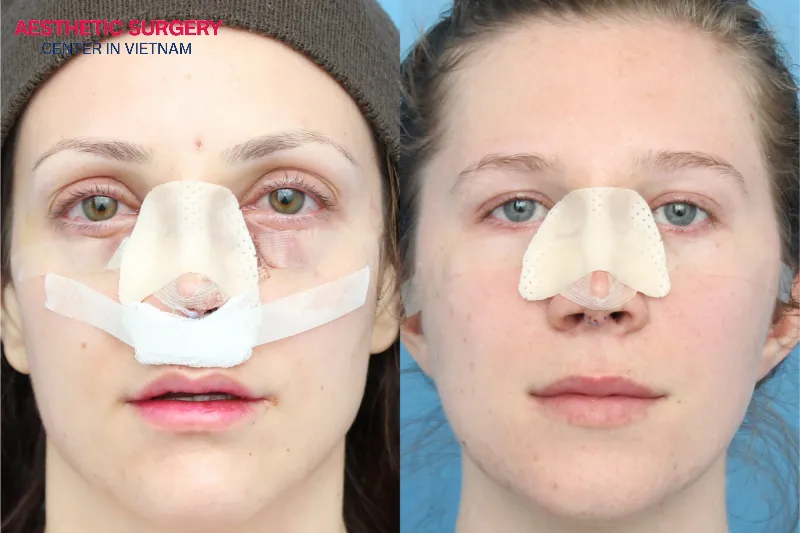
In reality, rhinoplasty bruising is a perfectly normal physiological response of the body. Professionals generally consider it non-serious if it is limited to subcutaneous hematoma (bruising under the skin). When a surgeon modifies the nasal structure, small blood vessels are disrupted, causing blood to leak into the surrounding tissues and creating blue, purple, or yellow patches.
However, the “seriousness” of the condition is evaluated based on color changes and duration. Typically, bruising is most visible during the first 2–3 days and will gradually fade, disappearing completely after about 7–14 days.
If the bruising does not subside and is accompanied by abnormal signs—such as rapidly spreading discoloration, persistent intense pain, discharge of pus from the wound, or a high fever-it may be a warning sign of infection or deep hematoma. In these cases, contacting your operating surgeon immediately is vital to prevent complications that could affect both the shape of your nose and your long-term health.
Causes of rhinoplasty bruising
Bruising after surgery not only impacts aesthetics but can also be a sign of underlying issues. Understanding the causes of rhinoplasty bruising is essential for a smooth recovery. Here are the primary factors:
Ruptured capillaries and small blood vessels
The most common and fundamental cause of bruising is damage to the capillaries during surgery. When the surgeon performs tissue dissection, adjusts cartilage, or intervenes in the nasal bone structure, these vessels rupture, causing red blood cells to leak and accumulate under the skin. This creates the characteristic blue, purple, or dark red patches, which often spread to the eye area due to the thin and loose skin structure there.
Surgical technique and surgeon’s expertise
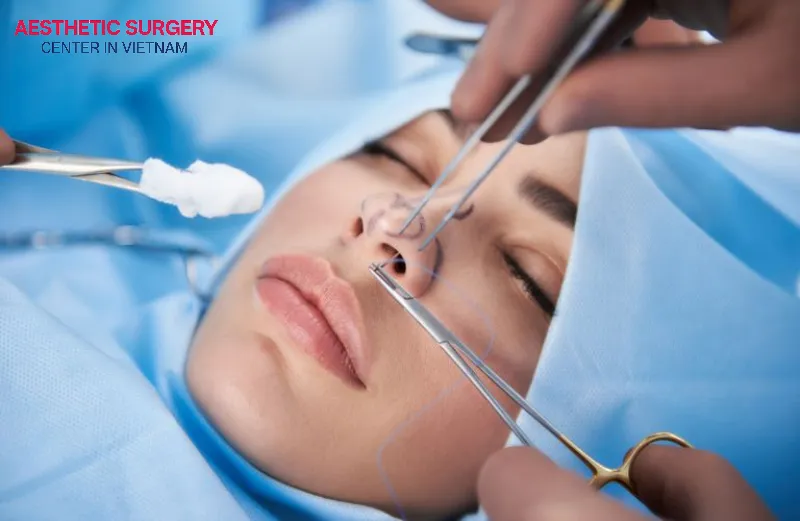
The severity of bruising depends heavily on the precision and dexterity of the surgeon. If the maneuvers are too aggressive, if the dissection occurs in the wrong tissue layer, or if there is excessive invasion into surrounding soft tissues, the damage will be more widespread. Conversely, highly skilled surgeons maintain better intraoperative bleeding control, minimizing blood leakage into the tissues and shortening recovery time.
Individual physiology and health status
Each person’s unique physiology determines their blood-clotting ability and the speed at which bruises fade. Individuals with “thin blood,” weak vessel walls, or circulatory issues often experience deeper bruising that lasts longer. Age is also a factor; older patients typically have thinner skin and less elastic blood vessels, making post-operative bruises more prominent and slower to disappear.
Post-operative care and physical activity
How you care for your nose in the initial days directly affects the stability of the damaged blood vessels. Strenuous activity, bending over, or accidental impact on the nose increases blood pressure, which can cause bruising to spread. Furthermore, failing to apply cold compresses during the first 48 hours (to constrict vessels) or consuming foods that hinder the healing process can cause bruising to persist.
Which part of the nose takes the longest to heal after surgery?
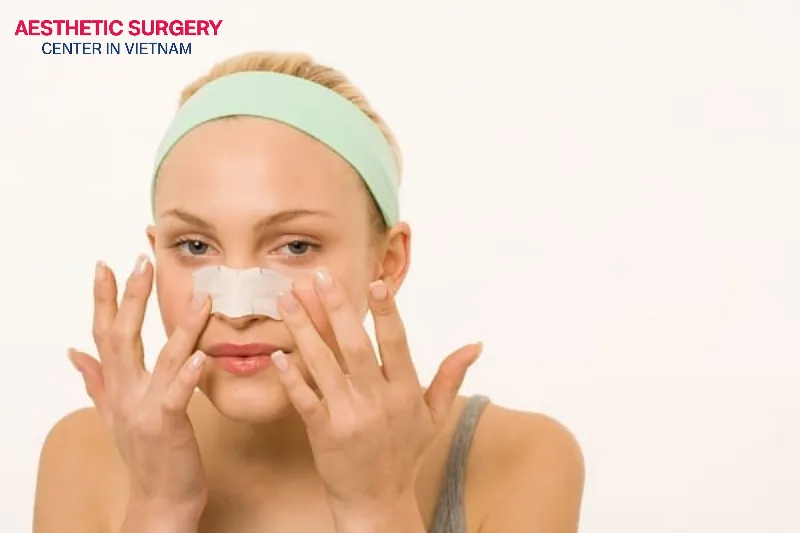
During the recovery process, the nasal tip is the part that takes the longest to fully heal and stabilize. Unlike the bridge of the nose, which has a firm bony structure and thinner skin that allows fluid to drain easily, the tip consists of dense soft tissue, elastic cartilage, and a complex network of blood vessels. This leads to more persistent and prolonged rhinoplasty swelling stages.
While common side effects like rhinoplasty bruising and initial bridge swelling typically subside within the first few weeks, the tip requires more patience. If you undergo invasive techniques such as structural rhinoplasty, the tip often bears significant pressure from autologous or synthetic grafts used to create projection and definition. Consequently, these tissues need more time to adapt and bond securely.
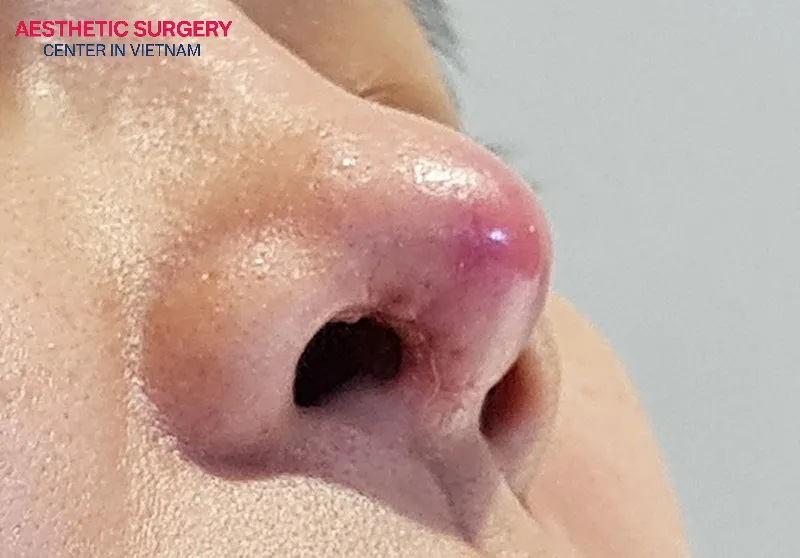
Generally, while the bridge may look well-defined after just one month, the tip may still feel numb, firm, or appear slightly bulbous. It typically takes 6 months to 1 year for the tip to achieve its final soft, natural, and refined appearance.
Tips to reduce rhinoplasty bruising
To alleviate bruising after surgery, you can refer to several simple recovery tips suggested below:
Keep your head elevated
Keeping your head positioned higher than your heart for at least the first 3–5 days post-op is a crucial rule to reduce blood pressure in the facial area. When you lie flat, blood flows more heavily toward the head, increasing pressure on recently damaged blood vessels, which exacerbates swelling and rhinoplasty bruising.
To do this correctly, use 2–3 soft pillows to prop up your back and head while to sleep after rhinoplasty, creating an angle of about 30° – 45°. This position not only helps tissue fluid and bruised blood circulate better preventing accumulation around the eyes and nose—but also helps you breathe more easily while your nose is still congested from swelling.

Cold compresses
Cold compresses are the most direct and effective intervention during the first 48 hours after leaving the operating room. Low temperatures help damaged microvessels constrict, thereby minimizing the amount of blood leaking into the tissues and preventing bruises from spreading to neighboring areas like the eye sockets or cheekbones.
However, you must be extremely careful to avoid getting the incision wet or causing ice burns to the skin. Use a specialized cold pack or wrap ice cubes in a clean, soft towel, then gently apply it to the forehead and cheeks surrounding the nose. Absolutely do not place ice directly on the bridge of the nose or apply heavy pressure, as the nasal structure is still very unstable and easily displaced at this stage.
Limit sun exposure
Many people overlook the sun, but UV rays are actually the “enemy” of bruises and surgical scars. While the skin is healing and pigment patches (bruises) are present, sunlight stimulates stronger melanin production in that area, making the rhinoplasty bruising more prone to darkening and taking much longer to disappear completely.
Additionally, heat from sunlight can cause vasodilation, making swelling more severe. Therefore, for at least the first month, you should limit going outside during peak hours. If you must go out, prioritize wearing a wide-brimmed hat, cover up carefully with a clean medical mask, and avoid exposing the nose directly to intense sunlight.
Avoid smoking and nicotine products
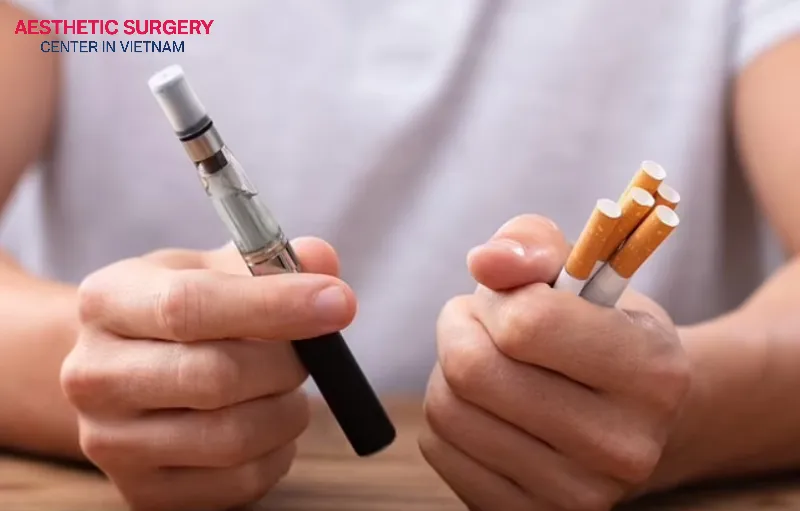
Nicotine is a powerful vasoconstrictor but in a negative way; it reduces the blood flow carrying oxygen and nutrients to the wound that needs healing. When the body lacks oxygen, the process of tissue regeneration and bruise dissipation will stall, causing the rhinoplasty bruising to persist longer and increasing the risk of infection or tissue necrosis.
Plastic surgeons usually recommend that clients abstain from cigarettes (including e-cigarettes) for at least 2 weeks before and 4 weeks after surgery. Giving up nicotine during this period not only helps bruises fade faster but also ensures a perfect final aesthetic result, avoiding complications related to bad scarring or poor cartilage adhesion.
Drink plenty of water
Providing enough water for your body is a simple yet highly effective way to boost metabolism and flush out toxins. Water helps the circulatory and lymphatic systems function more smoothly, assisting the body in naturally “clearing away” dead blood cells accumulated under the skin (which are the bruises).
You should maintain an intake of 2 – 2.5 liters of water per day, prioritizing filtered water and fruit juices rich in Vitamin C, such as orange or pineapple juice, to strengthen blood vessel walls. Avoid alcoholic beverages or stimulants, as they can cause water retention, making your face puffy and hindering the recovery speed of your new nose shape.
How long does rhinoplasty bruising last?
Typically, rhinoplasty bruising persists and completely disappears within approximately 7 to 14 days. However, this is not a static process; the color of the bruise changes continuously, reflecting the body’s natural healing speed through the following stages:
- Phase 1 (Days 1-3): Bruises are usually deep red, blue, or dark purple. This is when blood has just leaked from the vessels and pooled under the skin. The area around the eyes may be puffy and look quite intense.
- Phase 2 (Days 4-7): The bruising begins to fade, shifting to a green or light brown hue. At this stage, the body is actively breaking down trapped red blood cells.
- Phase 3 (Days 10-14): The bruise turns pale yellow and then fades away entirely, returning the skin to its normal color. Most clients feel confident going out without concealer after about 2 weeks.
When can I apply makeup to cover rhinoplasty bruising?
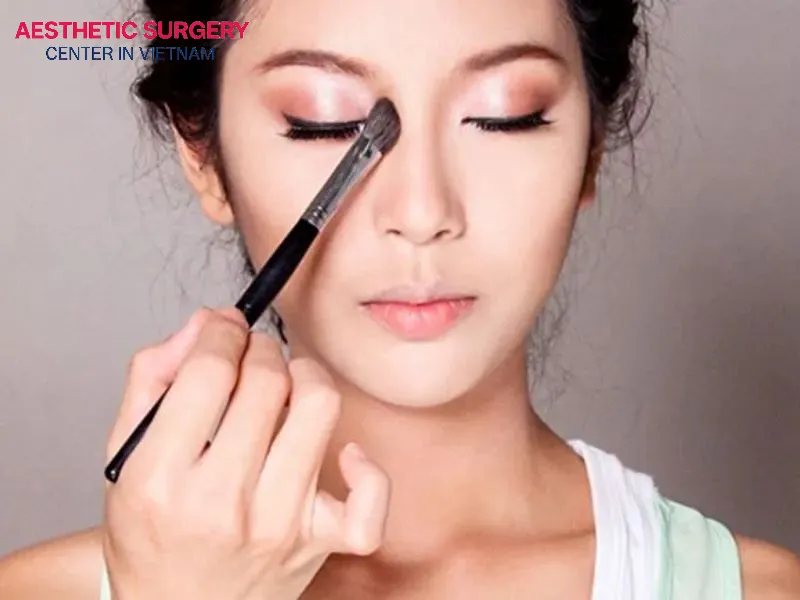
Generally, you can start applying makeup to cover bruises after about 7 to 10 days, specifically once your doctor has removed the sutures and the splint. However, because this is a sensitive period, you must adhere to these specific milestones to avoid affecting the shape of your nose:
- The First 7 days: Strictly DO NOT apply makeup or concealer to the nose and eye area. Fine powder particles and chemicals in cosmetics can enter open wounds or clog pores, leading to risks of infection or delayed healing.
- Days 7-10 (Post-suture removal): Once the incision has completely closed and the splint is removed, you can begin applying light makeup. Since the skin around the nose is often sensitive and prone to peeling at this stage, prioritize lightweight, hypoallergenic product.
Are there any treatments or procedures to speed up the resolution of bruising after nasal surgery?
To accelerate the fading of bruising after a nose job, in addition to home care, there are now several highly effective medical treatments and supportive procedures. You can consider the following methods, ranging from simple to advanced:
Using light and laser technology
- LED light therapy: This is the most common method at aesthetic clinics. Yellow or red light with appropriate wavelengths stimulates the lymphatic system to work harder, helping to quickly “clear out” accumulated blood cells while significantly reducing inflammation.
- Vascular lasers: In cases of deep and persistent rhinoplasty bruising, doctors may prescribe Pulsed Dye Laser (PDL). This laser accurately targets the hemoglobin in the bruise, dissolving blood clots under the skin without damaging the surface.
Supportive medications and supplements
- Arnica montana: Known as a “miracle cure” in the plastic surgery world for treating bruises, it is available in oral tablets or topical creams to stimulate blood circulation.
- Bromelain (Pineapple extract): Bromelain is an enzyme with potent anti-swelling and anti-inflammatory properties. Supplementing with Bromelain helps the body break down proteins that cause swelling and speeds up the resolution of bruising.
- Long Huyet herbal medicine: In Vietnam, doctors often prescribe Long Huyet, extracted from the Dragon’s Blood tree (Pleomele cochinchinensis). This famous traditional medicine helps dissipate blood stasis, reduce pain, and makes bruises fade 2-3 times faster than normal.
Clinical support methods
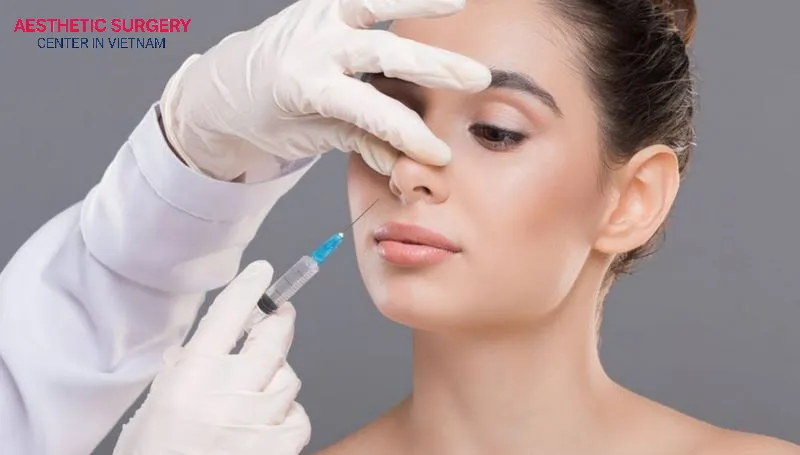
- Bruise-dissolving injections: In rare cases of large hematomas, doctors may prescribe localized injections of active ingredients to prevent the blood clot from fibrosing or becoming infected. However, this procedure must be performed by a specialist.
- Lymphatic drainage massage: Once the stitches are removed and the nose shape begins to stabilize (usually after 10-14 days), gentle facial massage techniques can help stimulate the drainage of fluids and trapped blood.
Through the information shared above, do not let the worry of rhinoplasty bruising hinder your beauty transformation journey. With modern aesthetic technology and advanced post-operative care techniques, mild bruises will quickly fade after just a few days, giving way to a more radiant and attractive appearance. If you still have concerns about the recovery process, message a specialist immediately for a personalized care roadmap!

















Comment on the post