



“How long do dermal fillers last?” is a question many individuals ask when learning about this non-surgical cosmetic method. In general, dermal fillers last from 6 months to 2 years, depending on the type of filler, the injection area, and individual factors. This is a non-surgical beauty method chosen by many individuals because of quick results and relatively flexible duration.
How long do dermal fillers last? Is it worth it?
Dermal fillers are injectable substances that add volume, reduce wrinkles, and shape facial contours. However, this is not a permanent solution and only lasts for a certain period of time.
The duration of dermal fillers depends on the type used:
- Hyaluronic Acid (HA) fillers (such as Juvederm, Restylane): usually last about 6–18 months, depending on the injection area and individual factors.
- Calcium Hydroxyapatite (CaHA) fillers (such as Radiesse): can last about 12–18 months and also stimulate collagen production.
- Poly-L-lactic Acid (PLLA) fillers (such as Sculptra): improve gradually over time and can last over 2 years.
- Fat grafting: lasts longer, can last several years, but the procedure is more complex.
In addition, how long do dermal fillers last also depends on the injection area, individual factors, and aftercare. Therefore, the doctor will base on your condition to recommend the suitable filler to achieve natural results and make dermal fillers last as long as possible.

Longevity of dermal fillers
The duration of dermal fillers also varies depending on the injection area and the type of filler used. In general, each area of the face has a different duration:
| Treatment area | HA Filler | CaHA / PLLA Filler |
| Lips | 6 – 9 months | Not commonly used |
| Nasolabial folds (nose–cheek lines) | 9 – 12 months | 12 – 18 months |
| Cheeks | 12 – 18 months | 18 – 24 months |
| Marionette lines (corners of the mouth) | 9 – 12 months | 12 – 18 months |
| Under eyes | 6 – 12 months | HA is commonly used |
How can you make your fillers last longer?
Below are ways to help dermal fillers last longer and maintain stable results over time:
Filler material & filler consistency
The type of filler you choose has a major impact on how long dermal fillers last. Each type has a different structure and consistency, so the duration is also different.
- High-density fillers: These usually last longer, especially in areas that need clear contouring.
- Soft fillers: These are suitable for areas that require a natural look, but the duration may be shorter.
Therefore, choosing the right filler from the beginning is an important factor to achieve long-lasting results.
Treatment area
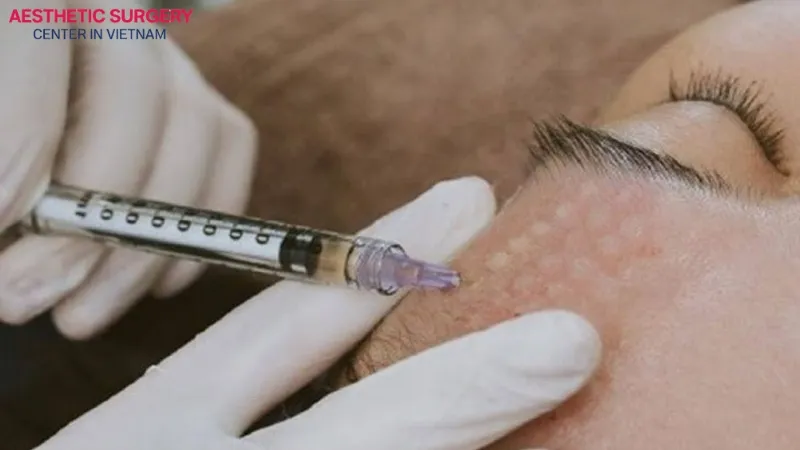
The treatment area also affects how long dermal fillers last. Areas with a lot of movement, such as the lips or around the mouth, often cause fillers to break down faster due to constant muscle activity. In contrast, areas with less movement, such as the cheeks or under the eyes, tend to keep fillers longer. In addition, the skin structure in each area can also make fillers dissolve faster or slower.
Metabolism
Each person has a different metabolism, so how long dermal fillers last is not the same. If the body metabolizes faster, fillers will break down sooner and the results will not last as long. Factors such as individual condition, health, and daily habits can all affect this process.
Lifestyle choices
How you take care of your skin daily also affects how long dermal fillers last. Proper moisturizing, sun protection, and limiting habits such as smoking can help keep the skin healthy, which helps fillers last longer.
In addition, heat-based or laser treatments may cause fillers to break down faster if done too soon after injection. Therefore, you should wait enough time and follow the doctor’s instructions to avoid complications from dermal fillers and the result.
Injection technique
The injection technique and placement directly affect how long do dermal fillers last. When fillers are injected in the correct position, they are more stable and last longer. On the other hand, if injected incorrectly or unevenly, fillers may break down faster or not look natural. Therefore, an experienced doctor will adjust the technique to ensure natural and longer-lasting results.

Aftercare tips for optimal results
To help fillers last longer, you need careful dermal fillers aftercare and follow these guidelines:
- Proper aftercare: In the first 24–48 hours, you should avoid intense activity, heat, or very cold environments. You can apply cold compresses and stay hydrated to reduce swelling and help the filler settle better.
- Maintain a healthy lifestyle: Keeping a stable weight, getting enough sleep, drinking enough water, and having a balanced diet will help keep the skin healthy and prolong the effects of dermal filler.
- Protect your skin from the sun: UV rays can make dermal fillers break down faster. Therefore, you should use SPF 30+ sunscreen daily and cover up when going outside.
- Regular follow-up and maintenance: You should get touch-ups on schedule (usually every 6–9 months for HA or 12–18 months for other types) to maintain stable results.
- Combine with skincare: Using products such as retinol, antioxidants, or gentle collagen-stimulating treatments can help enhance long-term results.
- Limit strong impact on the treated area: After injection, avoid excessive chewing, strong facial expressions, or pressure on the treated area in the early period to prevent filler displacement or faster breakdown.

These habits not only help dermal fillers last longer but also keep the skin healthier and more stable in the long term.
We hope the article above has helped you understand how long do dermal fillers last. In general, dermal filler can last from 6 months to 2 years, depending on the type of filler, the injection area, and individual factors. To maintain longer-lasting results, you should choose a reputable clinic and follow proper aftercare.

















Comment on the post