



A neck lift removes loose skin, excess fat, and tightens weakened neck muscles to reduce signs of aging and create a more youthful appearance. However, because the procedure involves deeper tissue structures, understanding the neck lift recovery time can help you prepare mentally and arrange your work and daily schedule accordingly. This article outlines the detailed neck lift recovery so you can easily track each stage of healing.
How long does it take to recover from a neck lift?
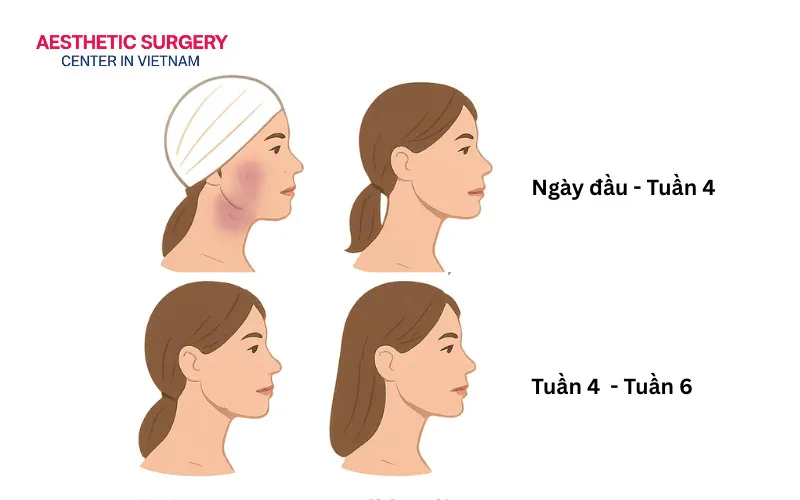
According to plastic surgery experts, the recovery time for a neck lift is typically around 10 to 14 days for most swelling and bruising to subside. Patients can usually return to office work and normal daily activities within 2 to 4 weeks.
However, deeper tissues and neck muscles require additional time to heal, stabilize, and settle into their final contour. Complete internal recovery generally takes 4 to 6 weeks.
What affects your neck lift recovery time?
The length of neck lift recovery varies from person to person and is mainly influenced by the following four factors:
- Surgical extent and technique: A neck lift that does not involve deep work beneath the platysma muscle generally heals faster than a deep-plane neck lift combined with neck muscle repair and contouring procedures.
- Skin quality and anatomical structure: Patients with thicker, more elastic skin tend to experience faster resolution of bruising and swelling. In contrast, thin or sun-damaged skin is often more sensitive and may take longer to heal.
- Overall health and lifestyle habits: Non-smokers with good general health and a balanced diet usually recover more quickly. On the other hand, smoking, uncontrolled blood pressure, and certain health conditions can prolong swelling and bruising.
- Adherence to post-operative care instructions: Following your surgeon’s recommendations—such as keeping your head elevated while resting, avoiding strenuous activities, protecting the incision sites from sun exposure, and attending all follow-up appointments—can significantly impact the recovery process and overall surgical outcome.

Neck lift recovery timeline: Healing stages
Understanding how your neck incision heals day by day can help reduce anxiety and ensure proper post-operative care. Below is a summary and detailed recovery timeline of neck lift recovery by stage, helping you prepare for each phase of the healing process with confidence.
| Timeframe | Clinical signs | Care instructions |
| Day 1 | Swelling around the neck, under the chin, and mild facial puffiness. | Rest in bed, keep the head elevated when lying down, and avoid bending or turning the neck. |
| Day 2 | Swelling and bruising increase (this is a normal inflammatory response), and the neck may feel tight and heavy. | Take medications as prescribed, apply cool compresses to nearby areas rather than directly on the incision site. |
| Days 3–5 | Swelling peaks on Day 3 and then gradually decreases. Bruising changes to yellow or green. | Attend your follow-up appointment to remove the dressing and drainage tubes. Wash your hair gently with water. |
| Days 6–7 | Pain has largely resolved, the incision is fully closed, and new skin begins to form. | Return to the clinic for suture removal. Avoid bending forward or lifting heavy objects. |
| Weeks 1–2 | Bruising has mostly disappeared, swelling decreases significantly, and the neck contour appears more refined. | Return to work at a light workload and use concealer if approved by your surgeon. |
| Weeks 3–4 | Swelling is reduced by approximately 90%, the neck and jawline become more defined, and excess fullness under the chin is almost completely eliminated. | Apply specialized scar cream and gently massage the incision area. |
| After 1 month | The external structures are largely stable, while deeper tissues continue healing over the next 3–6 months. | Continue applying sunscreen to the neck daily to protect newly healed skin. |
Detailed summary of neck lift recovery milestones
Day 1: After neck lift surgery?
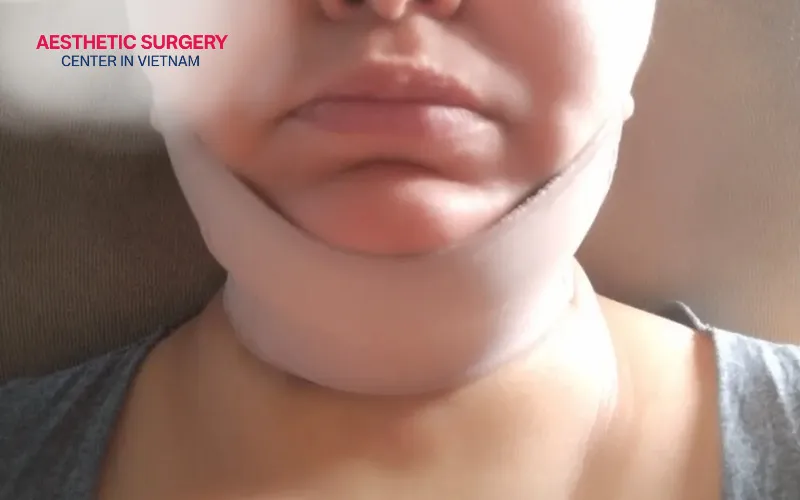
During the first day, the area beneath the chin and around the neck will be noticeably swollen, with bruising and mild asymmetry being common. As the anesthesia gradually wears off, you may feel drowsy, tired, and experience tightness, numbness, and soreness around the jawline rather than severe pain.
This is a crucial period for rest. Keep your head in a neutral position, sleep with your head elevated, and avoid turning, bending, or lowering your head to help maintain the newly contoured neck shape.
Day 2: Managing pain and swelling
By the second day, your body’s natural inflammatory response becomes more active as the healing process begins. The skin beneath the compression dressing may feel tight and swollen, and fluid accumulation can create a sensation of pressure or heaviness in the neck area.
To manage these symptoms, take prescribed pain relief and anti-inflammatory medications exactly as directed by your surgeon. You may also apply a cool compress gently to the cheeks or nearby areas, but never directly on the incision sites to avoid cold-related tissue damage. In addition, light walking around the house is encouraged to promote blood circulation and help reduce swelling.
Days 3–5: Early healing progress and care tips
Day 3 is typically when swelling and bruising reach their peak. The neck may appear its most swollen and uneven, and you may experience mild itching or tingling sensations as the nerves begin to regenerate. Around this time, patients are often scheduled for a follow-up appointment to have the compression dressing removed, drainage tubes taken out, and receive instructions for gentle bathing and hair washing.
By Day 4, bruising usually changes from deep purple to green or yellow, indicating that the trapped blood is gradually being reabsorbed by the body. Pain decreases significantly, and any lingering grogginess from anesthesia has typically resolved, although noticeable swelling may still be present.
On Day 5, inflammation and swelling continue to improve. The early contours of the jawline and neck angle become more visible, and neck mobility may begin to improve slightly. However, excessive turning or twisting of the neck should still be avoided.
Days 6–7: When you might start feeling better?
By the end of the first week, discomfort has largely subsided, leaving only mild tightness when speaking, chewing, or swallowing. The incision is usually fully closed and enters the early scar-healing stage, and patients are commonly scheduled for suture removal during this period.
Physically, you may feel comfortable performing light work from home, taking short walks, and gently moving your shoulders to relieve muscle stiffness. However, activities that involve bending forward, lifting heavy objects, or spending extended periods in front of a computer should still be limited.
Weeks 1–2: Returning to light activities
This stage marks a significant turning point in both your appearance and confidence as recovery progresses.
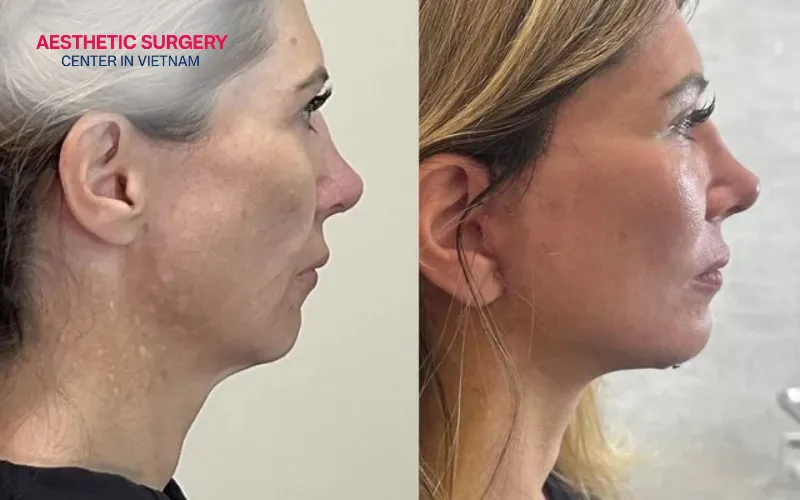
By the end of the second week, most visible bruising has typically resolved. Swelling decreases considerably, allowing the neck contour to appear more natural and refined. However, you may still notice mild firmness beneath the skin as internal tissues continue to heal and remodel.
At this point, facial movements such as smiling, speaking, and expressing emotions generally feel much more comfortable and natural. Once the incisions are fully closed and healed, you may be able to use concealer to camouflage any light pink scars, provided your surgeon approves.
Weeks 3–4: Noticeable improvement and continued stabilization
During weeks three and four, bruising has usually disappeared completely, and swelling continues to diminish. The neck and jawline become more defined, the skin appears smoother, and excess fullness beneath the chin is significantly reduced. Any numbness, tingling, or altered sensation continues to improve as the peripheral nerves recover and reconnect. By this stage, most patients feel confident returning to social events and public activities without concerns about visible signs of surgery. Your surgeon may also allow the use of specialized scar-care products along with gentle scar massage techniques to help soften and improve the appearance of the incision line as healing progresses.
One month: Long-term recovery and final results
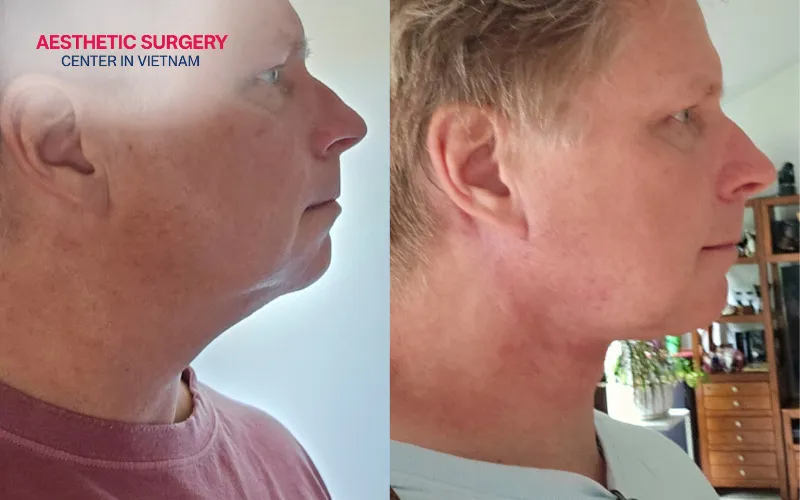
After one month, the neck area is largely healed, and most patients can enjoy a significantly improved appearance. However, the deeper tissues and muscle structures continue to mature and strengthen over the following 3 to 6 months, allowing the final results to fully settle and stabilize.
Surgical scars hidden behind the ears or beneath the chin gradually fade and blend more naturally with the surrounding skin tone. During this stage, consistent sun protection remains essential. Applying sunscreen to the neck helps protect newly healed skin and reduces the risk of scar discoloration caused by UV exposure.
How painful is a recovery time for neck lift?
Recovery after a neck lift is generally not associated with severe or sharp pain. Instead, most patients experience mild to moderate soreness, tightness, and a feeling of pressure around the neck and under the chin.
These sensations occur because the platysma muscles and supporting tissues are tightened and secured into a new position during surgery to address sagging and improve neck definition. As a result, during the first 48 to 72 hours, when swelling reaches its peak, it is common to feel as though the neck is being gently compressed or held tightly in place. This feeling gradually improves as swelling subsides and healing progresses.

There is no need to be overly concerned about these symptoms, as they are generally manageable and typically improve within 3 to 5 days with prescribed pain medication. Overall, these sensations are most common during the early stages of neck lift recovery and gradually disappear as the muscles and tissues adapt to their new position.
How long after a neck lift can I exercise?
Most patients should wait at least 2 weeks before resuming light exercise and approximately 3 to 4 weeks before returning to moderate-intensity physical activities. For high-impact sports or exercises that place significant strain on the neck, surgeons typically recommend waiting 4 months or longer. This allows the repaired muscles and internal tissues to heal completely and achieve long-term stability before being exposed to intense physical stress.

Your exercise routine plays a significant role in determining the overall neck lift recovery time. Following a gradual and structured return-to-activity plan can help protect the surgical results and support proper healing.
Days 1–2: Only take slow walks around your home to promote healthy blood circulation. Avoid brisk walking, jogging, or any activity that may increase blood pressure and place tension on the neck.
From week 2: You may begin taking slow outdoor walks on flat surfaces or perform light lower-body exercises. Avoid jumping movements, bending forward, or lifting weights.
Weeks 3–9: Most surgeons agree that patients should wait at least 3 weeks before returning to exercise. To help your body adjust safely, you can follow the Rule of Three:
- 3 weeks after surgery: You may resume exercise, but only at one-third of your previous intensity and duration. For example, if you used to run for 60 minutes, limit yourself to a gentle 20-minute walk.
- 6 weeks after surgery: As your body becomes more stable, increase your activity to approximately two-thirds of your previous workout volume. At this stage, you can walk at a faster pace or enjoy light cycling for about 40 minutes.
- 9 weeks after surgery: By this point, the tissues have largely healed. You can return to 100% of your normal exercise routine.
After 4 months: You can safely resume high-intensity activities such as HIIT workouts, long-distance running, weightlifting, and advanced yoga poses that involve deep neck flexion, extension, or weight-bearing on the head and neck.

The journey to achieving a slimmer, firmer neck and a more defined jawline requires careful attention and patience during the early stages of recovery. By understanding the neck lift recovery time day by day, following a proper post-operative care routine, and strictly adhering to your surgeon’s instructions, you can maximize your healing process and enjoy natural-looking, youthful results that last for years to come.


















Comment on the post