



The FNG breast reduction technique helps relieve the burden of shoulder and neck pain caused by severely sagging or oversized breasts. This technique is highly valued for reducing the risk of nipple necrosis caused by blood supply problems. It also creates a smaller and more balanced breast shape. Learn more about the surgical procedure, ideal candidates, and important postoperative care tips to feel more confident about your breast reduction journey.
What is the FNG breast reduction technique?
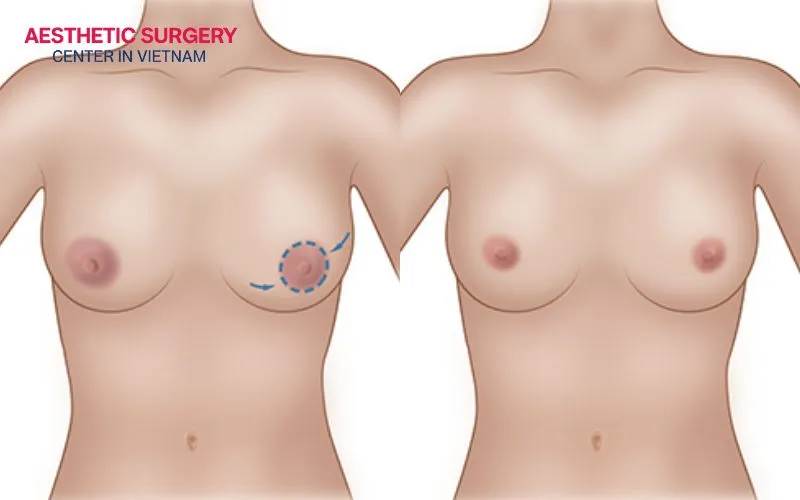
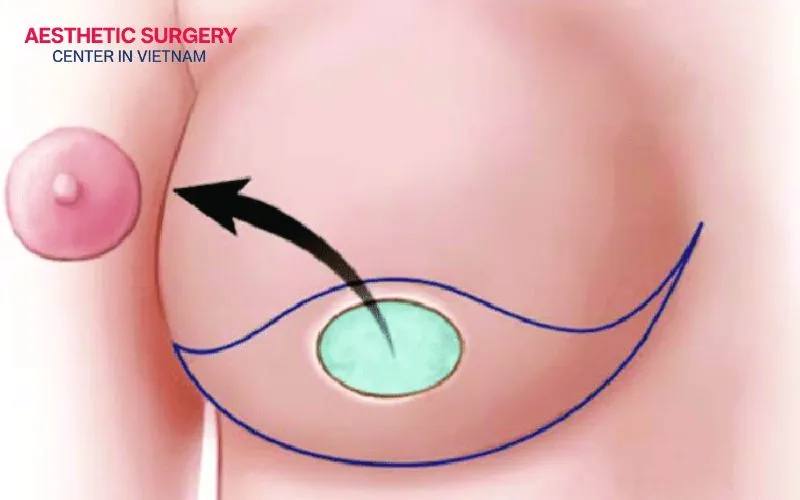
The FNG breast reduction technique is an advanced surgical method used to reduce breast size. During this procedure, the surgeon completely separates the nipple-areola complex from its original blood supply and breast tissue. The surgeon then grafts it onto a new position on the reduced breast as a free skin graft.
This technique is specifically used for very large breasts or severe breast sagging. When a large amount of breast tissue needs to be removed, the tissue pedicle may become overstretched. This can increase the risk of reduced blood flow and nipple necrosis. By completely separating the nipple-areola complex, the surgeon has more freedom to reshape the breast and create a balanced breast shape. This approach also eliminates the risk of nipple necrosis caused by twisting or bending of the blood vessels.
Who is an ideal candidate for free nipple graft reduction?
The decision to perform free nipple graft reduction is based on a careful evaluation of the aesthetic benefits and blood flow to the nipple-areola complex during surgery. This technique is an optimal option for patients who are not suitable for traditional pedicle breast reduction.
Ideal candidates for this technique include:
- Individuals with severe gigantomastia or macromastia: These patients need a large amount of breast tissue removed. This is usually around 1,000g to more than 1,500g from each breast.
- Individuals with severe breast sagging: The distance from the sternal notch to the nipple is very long. It often exceeds 40cm. This can overstretch the tissue pedicle and increase the risk of poor blood flow if the pedicle is preserved.
- Patients with risk factors that affect blood circulation: These include individuals with diabetes, obesity, cardiovascular disease, or a long history of smoking. These factors can affect blood vessel health and increase the risk of nipple necrosis with traditional methods.
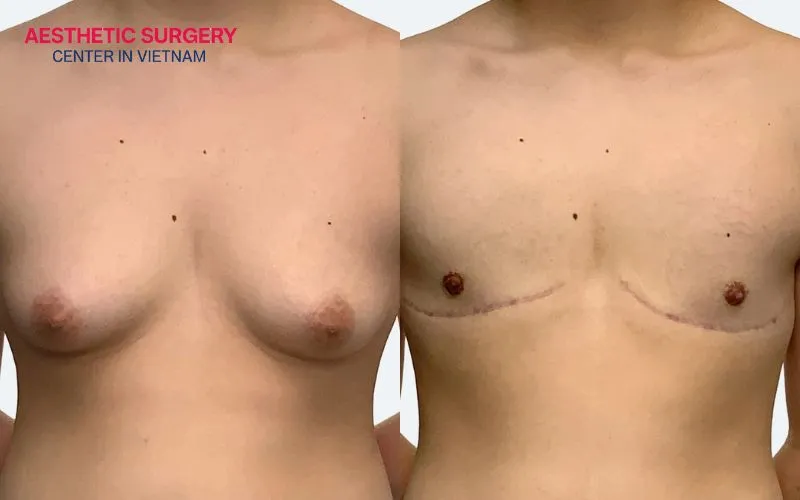
- Individuals undergoing FTM (Female to Male) surgery: Transgender men may choose this technique to create a flatter and more masculine chest.
- Candidates who meet general surgical requirements: Patients should be in stable physical health and should not smoke.
How does the FNG breast reduction procedure work?
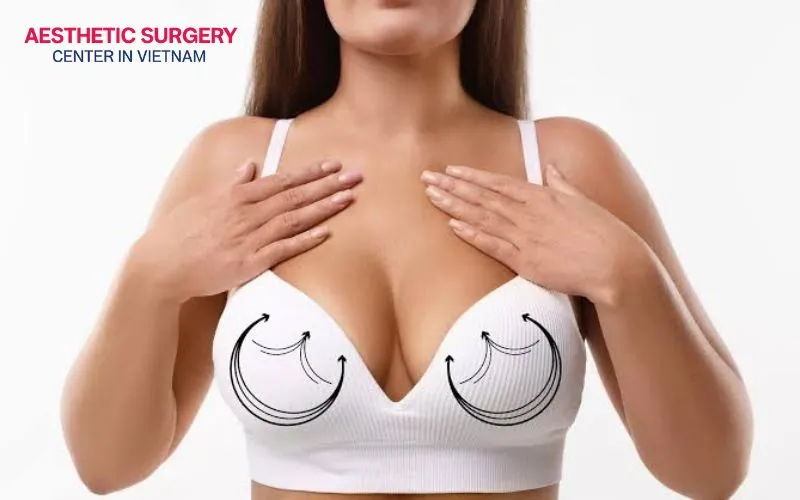
The FNG breast reduction technique involves several careful surgical steps. The surgical team must perform each step with high precision. This helps the graft survive and creates an aesthetically balanced breast shape.
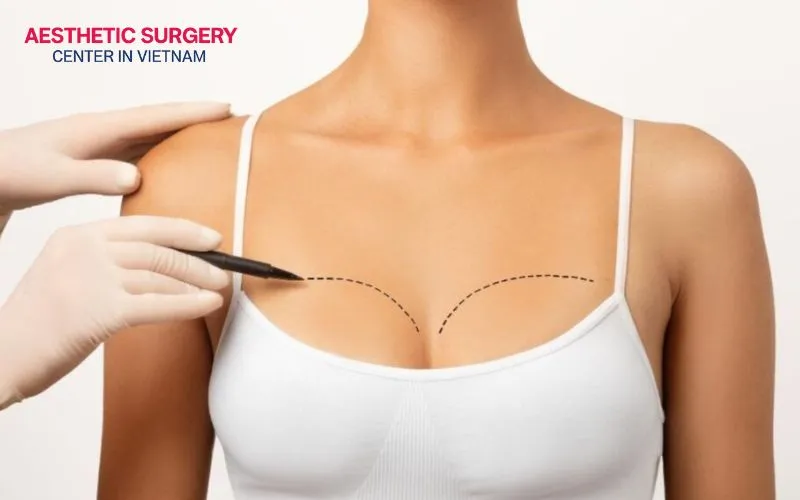
- Step 1 – Preoperative measurements: The surgeon carefully measures the breast anatomy. The surgeon determines how much breast tissue needs to be removed. The incision lines are then marked while the patient is standing.
- Step 2 – General anesthesia: The patient receives general anesthesia to remain comfortable throughout the procedure. The surgery usually takes about 2 – 3 hours.
- Step 3 – Removing and preparing the nipple-areola graft: The surgeon completely separates the nipple-areola complex from the breast tissue. The layer of fat underneath is then thinned to create a free skin graft.
- Step 4 – Removing excess tissue and reshaping the breast: The surgeon removes excess fat, breast tissue, and loose skin. Liposuction may also be used if needed. This reduces the breast to the desired size and shape.
- Step 5 – Preparing the recipient site and securing the graft: The surgeon removes the surface layer of skin cells to create a recipient site with a good blood supply. The nipple is carefully trimmed and placed in its new central position. Special sutures are used to secure the graft. Gentle pressure helps the graft attach to the underlying tissue and receive a new blood supply.
- Step 6 – Closing the incisions and placing drains: The surgeon carefully closes the incisions. A drain may be placed to remove excess fluid if needed. A compression dressing is then applied to protect the breast graft and prevent it from moving.
Benefits of choosing free nipple graft over pedicle methods
The main difference between the two methods is how the nipple-areola complex receives its blood supply. Traditional pedicle methods require the surgeon to keep a tissue pedicle attached. This pedicle supplies blood to the nipple. In contrast, the FNG breast reduction technique completely separates the nipple-areola complex. The surgeon then grafts it into a new central position after reducing the breast size.
The surgeon is not limited by the length of the tissue pedicle. This allows more flexibility when reshaping the breast and creating balanced proportions. For this reason, the FNG technique can be an effective option for complex breast reduction cases that traditional pedicle methods cannot address.
Other key medical benefits of the free nipple graft technique include:
- Eliminates the risk of nipple necrosis caused by pedicle problems: There is no risk of the tissue pedicle twisting, bending, or becoming overstretched. These problems can restrict blood flow and cause nipple necrosis in patients with very large breasts.
- No limitation on the amount of tissue removed: The surgeon can remove a large amount of fat and breast tissue. This may range from 1,000g to 1,500g from each breast. The surgeon is not limited by the safe length of the tissue pedicle.
- Allows a much smaller breast size: This technique can help patients who want to reduce their breast size as much as possible. It can also help patients undergoing FTM chest masculinization surgery achieve a flatter chest.
- Optimizes nipple position and appearance: The surgeon can freely reposition the nipple at the center of the newly shaped breast. This helps prevent the nipple from pointing in the wrong direction or being positioned too high.
- Reduces internal tissue tension and shortens surgery time: Removing the thick tissue pedicle helps reduce tension inside the breast. It can also lower the risk of fluid buildup after surgery. The technique also simplifies the surgical process. This can shorten anesthesia and surgery time.
- Provides greater safety for breast cancer patients: For breast cancer patients with large breasts, the FNG technique allows the surgeon to remove tissue more extensively around the tumor. The surgeon can still reconstruct a balanced and natural-looking breast shape.
Potential risks and recovery considerations
Although the FNG breast reduction technique provides a high level of safety for the breast structure in complex surgical cases, you still need to understand the breast reduction recovery time. You should also be prepared for physical changes after surgery. This will help you follow the right postoperative care plan.
Understanding sensation loss
The FNG free nipple graft procedure requires the nipple-areola complex to be completely separated from the breast tissue. As a result, the nerves and milk ducts are completely cut. Therefore, the ability to breastfeed is lost. Reduced or complete loss of natural nipple sensation is also unavoidable.
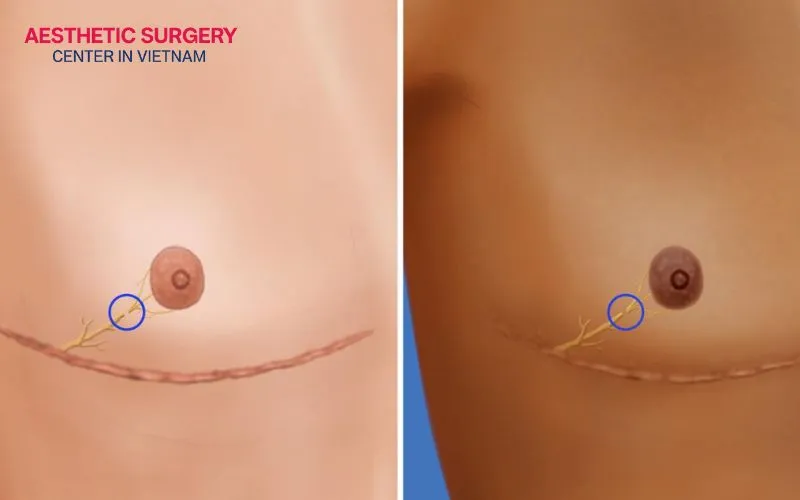
Sensation usually returns only to a limited degree as nerve endings from the surrounding skin gradually regenerate. This process may take around 6 months to 1 year to reach its maximum result. After this period, sensation usually becomes stable. There may be no significant further changes in the nipple-areola graft area.
Managing scarring and healing
Healing and scar management after FNG surgery require patience and careful aftercare as directed by your surgeon. This includes:
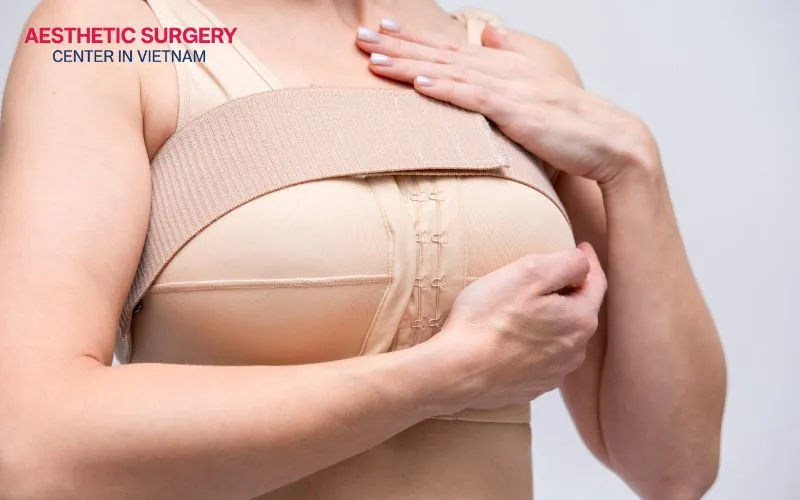
- Early wound care (0 – 6 weeks): Special pressure dressings are kept in place during the first few days. The pressure helps the graft attach to the underlying tissue. Avoid raising your arms too high, lifting heavy objects, or doing strenuous activities for 4 – 6 weeks. This helps prevent the sutures from stretching or breaking.
- Avoid nicotine completely: Stop smoking and using all nicotine products. Nicotine causes blood vessels to narrow. This can reduce the supply of nutrients to the graft and increase the risk of necrosis.
- Scar management (From weeks 2 – 4): Start using silicone gel or medical silicone sheets once the incisions have fully closed to optimize your breast reduction scar. Gentle scar massage can also be performed as directed by your surgeon. Protect the scars from direct sunlight and use SPF 30+ sunscreen for 12 months. This helps prevent scar darkening and hyperpigmentation.
Consulting with a board-certified plastic surgeon
An in-person consultation with a board-certified breast reduction surgeon is an important step for the safety and success of the surgery. A detailed consultation helps the surgeon determine whether the FNG breast reduction technique is necessary. It also helps you develop realistic expectations about your new breast shape after full recovery.
During the consultation, the surgeon will:
- Assess your breast anatomy: The surgeon will measure the distance from the sternal notch to the nipple. The surgeon will also evaluate the degree of breast sagging and skin elasticity. These measurements help determine whether a traditional pedicle can be preserved or whether the FNG breast reduction technique is necessary.
- Discuss physical changes clearly: The surgeon will explain the permanent changes that can occur after surgery. These include the loss of the ability to breastfeed, reduced nipple sensation, and possible mild color changes in the areola after grafting.
- Review your medical history: The surgeon will discuss underlying conditions such as diabetes, cardiovascular disease, and obesity. Your family history of breast cancer will also be reviewed. You should also provide information about medications, supplements, and smoking habits.
- Create a personalized surgical plan: The surgeon will discuss your desired breast size and shape after surgery. Medical photos may also be taken. Based on this information, the surgeon will create a personalized surgical plan and postoperative care plan.
In summary, the FNG breast reduction technique is an effective solution for women who experience persistent shoulder and neck pain or discomfort caused by overly large breasts. Although FNG involves a trade-off in nipple sensation, it provides a high level of safety. It eliminates the risk of nipple necrosis related to pedicle blood supply and helps create a balanced, natural-looking breast shape. Choosing an experienced plastic surgeon can help you feel more confident throughout the procedure and achieve your desired aesthetic results.
>>> See more: Can you breastfeed after a breast reduction?













Comment on the post