


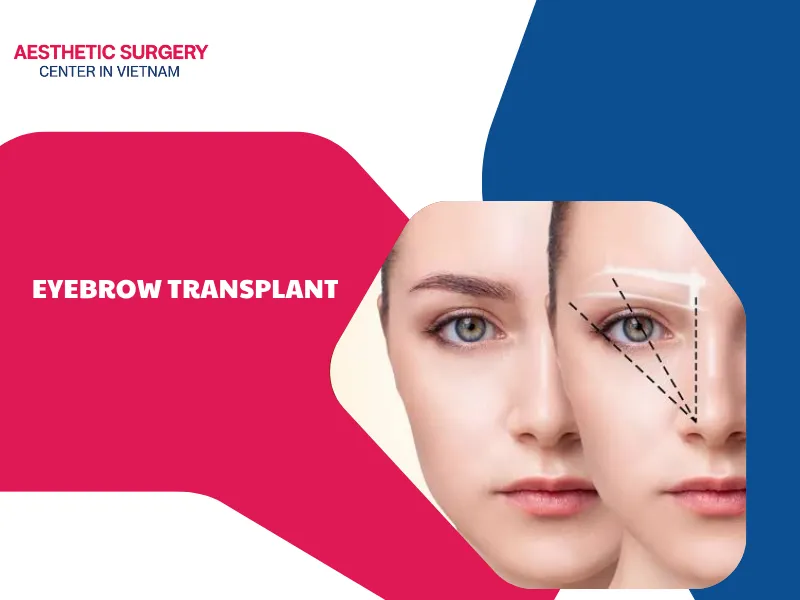
An eyebrow transplant is an aesthetic solution for sparse, faded eyebrows or eyebrow hair loss caused by scars. This method uses healthy hair follicles from your own body and transplants them into the eyebrow area. It helps create soft, natural-looking eyebrows with long-lasting results. Read the article below to learn more about the eyebrow hair transplant procedure and actual costs. This information can help you prepare better before deciding to undergo the procedure.
What is an eyebrow transplant?
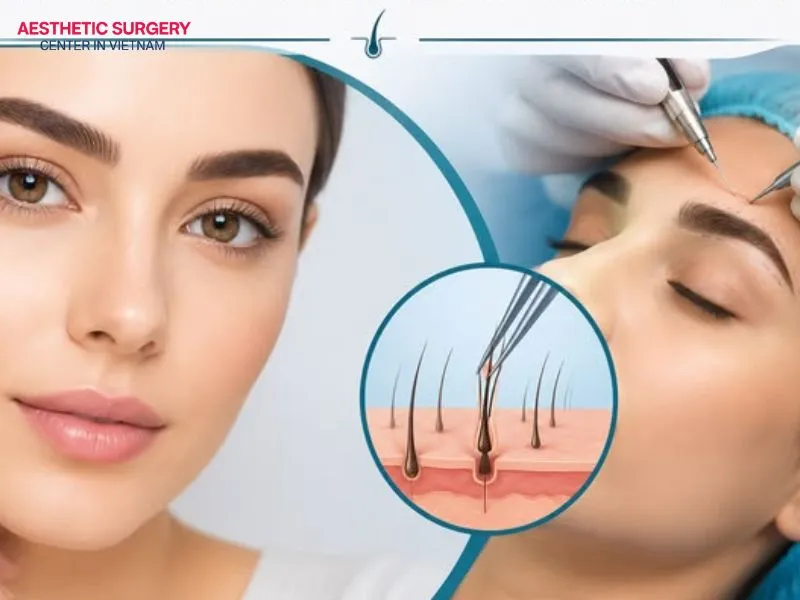
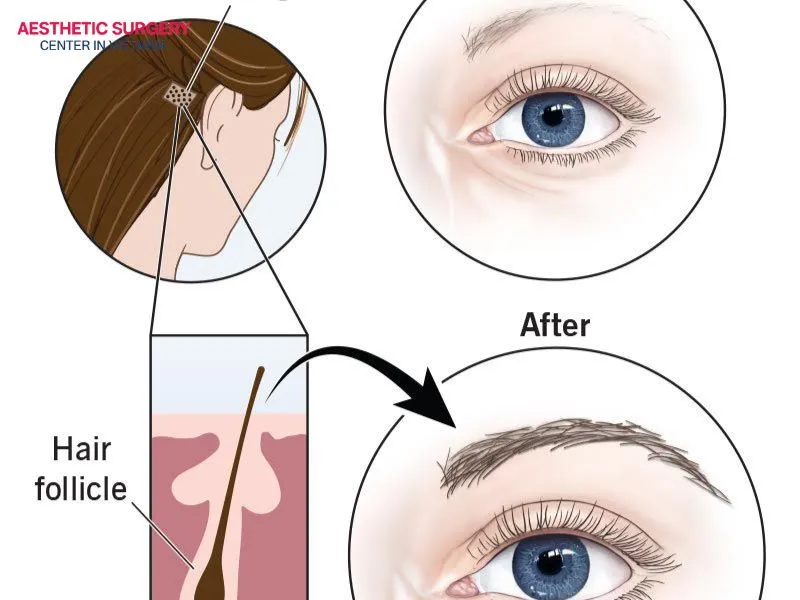
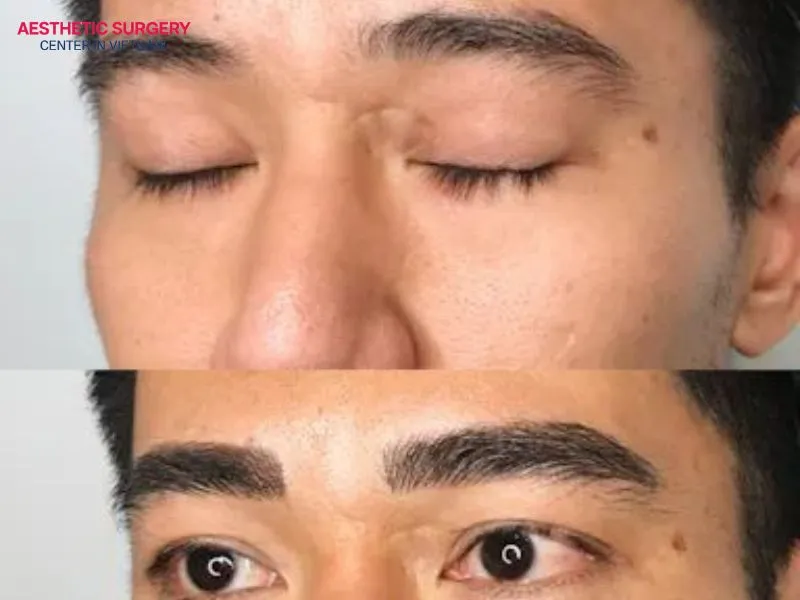
An eyebrow transplant is a complex microsurgical technique. During the procedure, the doctor uses healthy hair follicles and transplants them into the eyebrow area to create natural-looking thickness. Each procedure usually requires around 200 to 300 hair follicles. This helps improve eyebrow density and create a more natural appearance without looking stiff.
This technique requires precision and a high level of skill from a specialist. Each follicle must be transplanted in the same direction as natural eyebrow hair growth. After being moved to the new position, the hair follicles continue their normal growth cycle. They receive a new blood supply from the surrounding skin.
Hair follicles taken from behind the head or ears are implanted using a micro-pen at natural angles. Precise placement minimizes tissue damage and boosts follicle survival, delivering softer, more natural results than traditional eyebrow enhancement methods.
Benefits of permanent eyebrow restoration
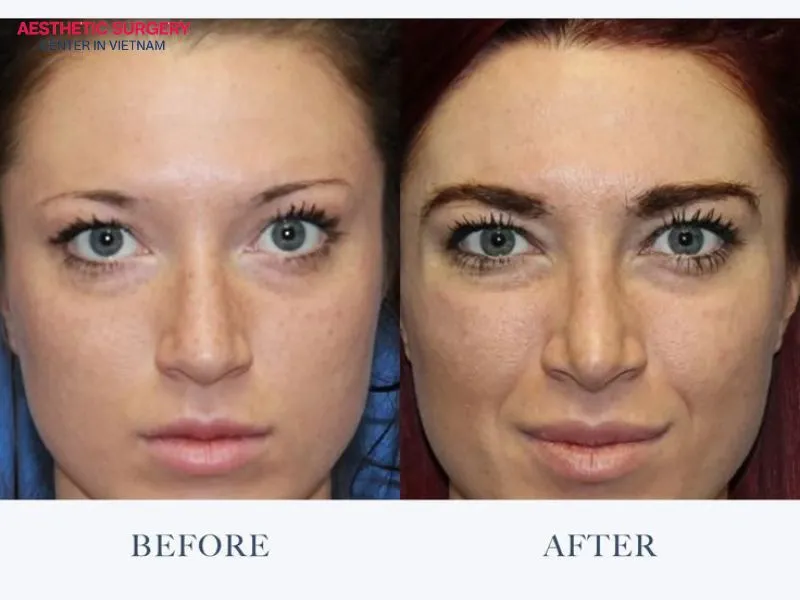
An eyebrow transplant creates fuller, softer, and more natural-looking eyebrows by using the patient’s own natural hair. This method also offers several other benefits:
- The transplanted hair has the natural shine and light-reflecting qualities of real hair compared with traditional methods.
- It saves a lot of time on daily makeup, eyebrow drawing, or color touch-ups before going out.
- It helps minimize skin irritation and inflammation caused by tattoo ink or low-quality eyebrow pencils on the sensitive skin around the eyes.
- The aesthetic results can last permanently because the transplanted hair follicles continue to grow like natural body hair.
- You can shape, curl, or trim the new eyebrow hair according to your personal preference. You do not have to worry about the color fading or the original eyebrow shape becoming distorted.
Who is a suitable candidate for an eyebrow transplant?
An eyebrow transplant is a popular option for improving eyebrow shape today. However, it is not suitable for everyone. The following cases may be suitable for an eyebrow hair transplant:
- Individuals with naturally sparse or faded eyebrows. It may also be suitable for individuals with short eyebrows that do not balance well with their overall facial features.
- Individuals who have lost part or all of their eyebrow hair due to scars, accidents, or burns around the eye area may also be suitable candidates.
- Individuals who experience eyebrow hair loss due to chronic medical conditions may consider this method once their health condition is fully stable.
Before deciding to undergo the procedure, you should consult a specialist. The doctor will evaluate your overall health and rule out any medical contraindications. Individuals with blood clotting disorders, uncontrolled diabetes, or a high risk of severe keloid scarring are generally not suitable for an eyebrow transplant.
How is the eyebrow hair transplant procedure performed?
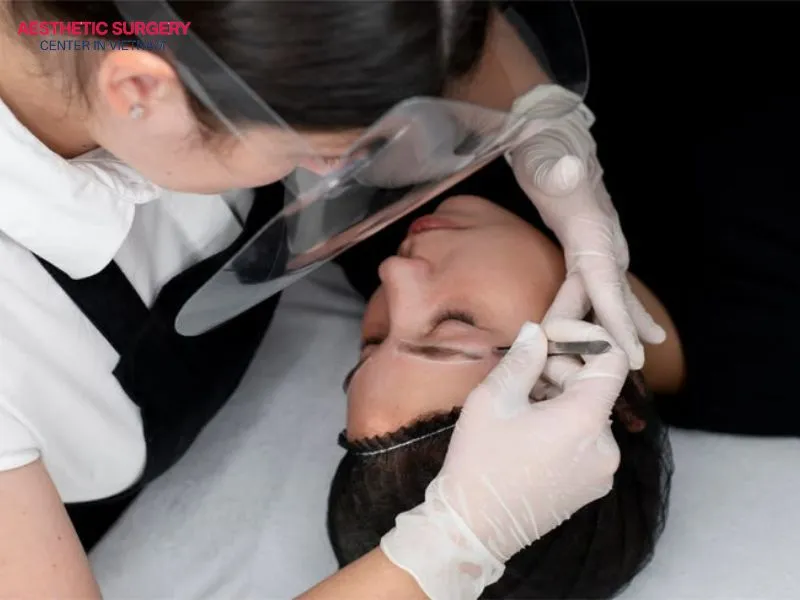
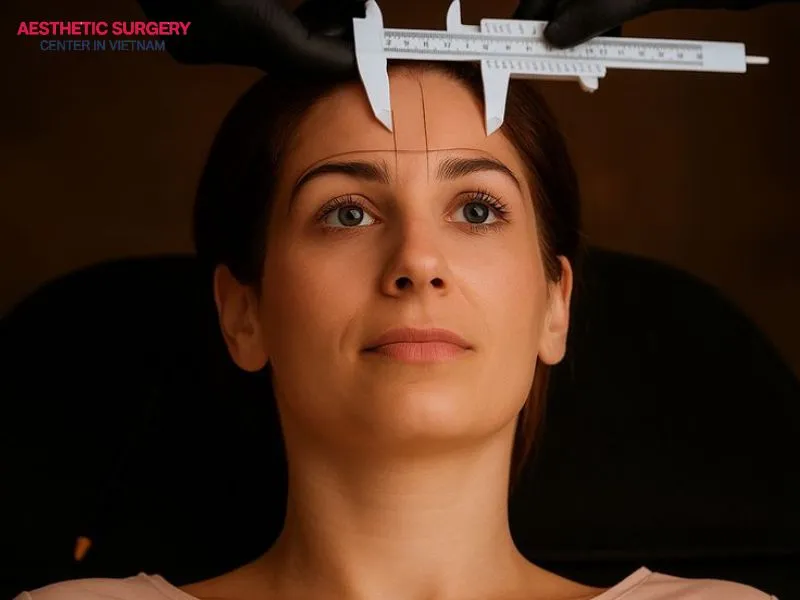
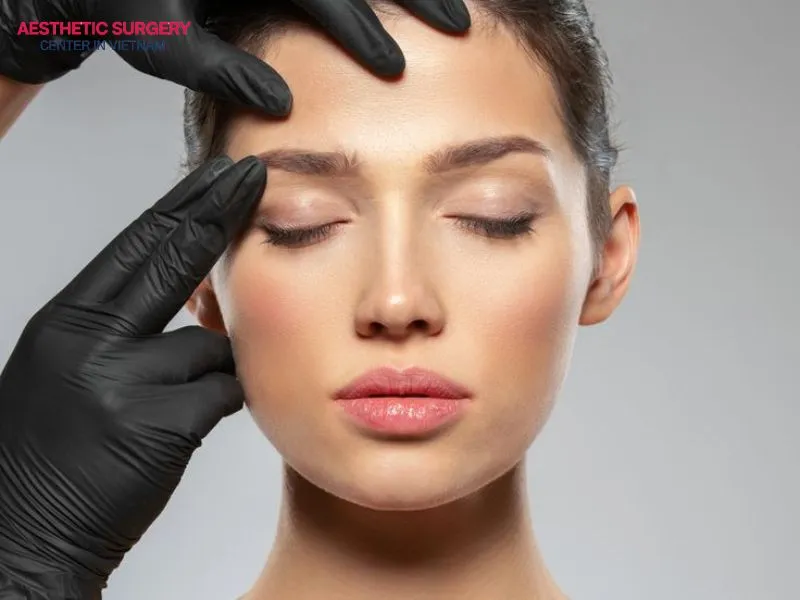
The eyebrow transplant procedure begins with a general examination. The doctor analyzes the facial structure to design a suitable eyebrow shape. The donor area on the scalp is also carefully examined. The procedure may then vary depending on the technique used. Below are the FUE and FUT techniques to help you understand the differences between the two procedures.
Follicular unit extraction technique
The FUE technique extracts individual hair follicles from the scalp. The doctor uses a micro-punch tool with a very small diameter. This helps minimize the risk of leaving a long scar on the scalp. This technique requires a high level of concentration. It also takes more time because the doctor must manually work with each individual hair follicle. The donor area usually recovers quickly after FUE. Patients may also experience less tightness or prolonged pain after the local anesthesia wears off.
Follicular unit transplantation technique
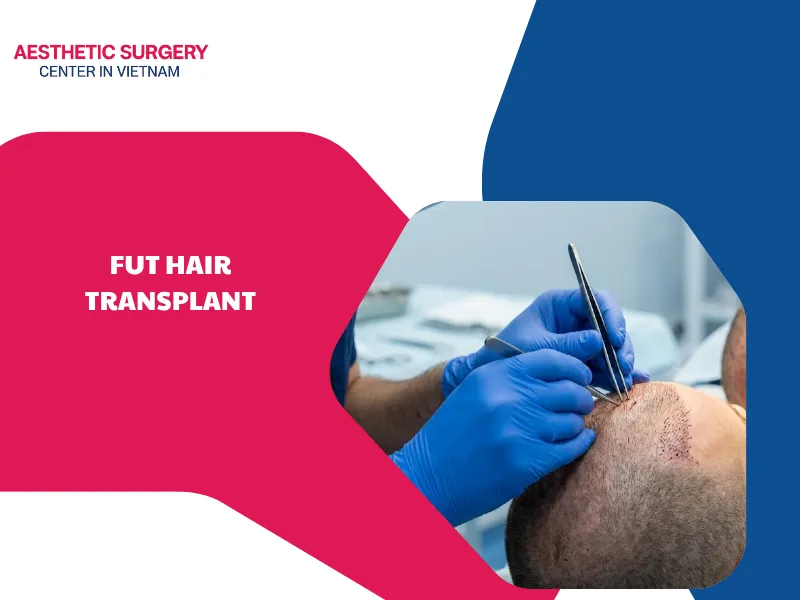
The FUT eyebrow transplant technique involves removing a small strip of scalp from the back of the head. This allows the doctor to collect a large number of hair follicles in less time than with FUE. The scalp strip is then divided into individual follicular units under a microscope by technicians. These follicles are then ready for transplantation. The FUT technique is often suitable for cases that require a large number of hair follicles. However, it may leave a small, thin linear scar at the back of the head. This scar can usually be easily covered by the longer hair above it.
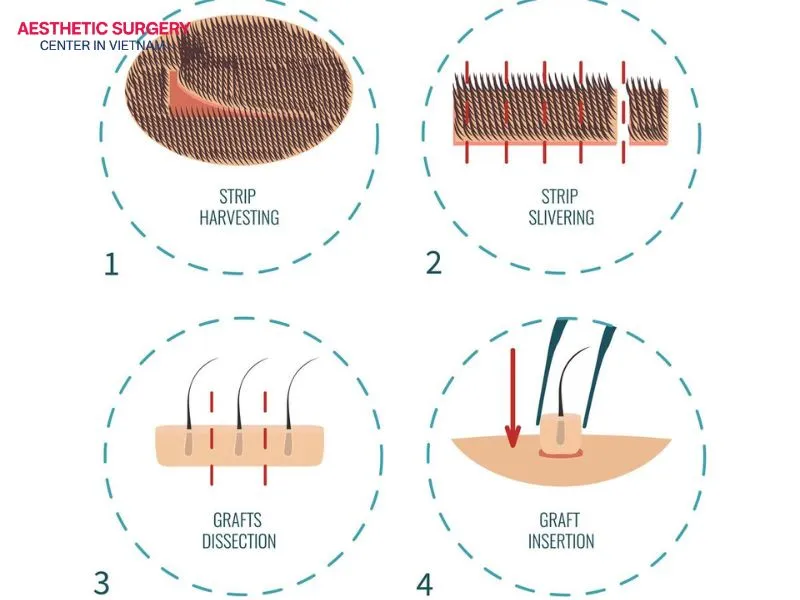
Overall, both techniques provide aesthetic benefits and are suitable for different candidates. If the hair follicles are not used immediately after being taken from other areas, they will be stored in a specialized preservation solution at a standard cold temperature. This helps maintain maximum cell viability.
What to expect during recovery and healing?
The newly transplanted area usually develops small scabs and mild swelling during the first three to five days after surgery. Therefore, it is important to understand what to expect after surgery and how to care for the area properly. This helps you achieve the desired aesthetic results.
Immediate postoperative care tips
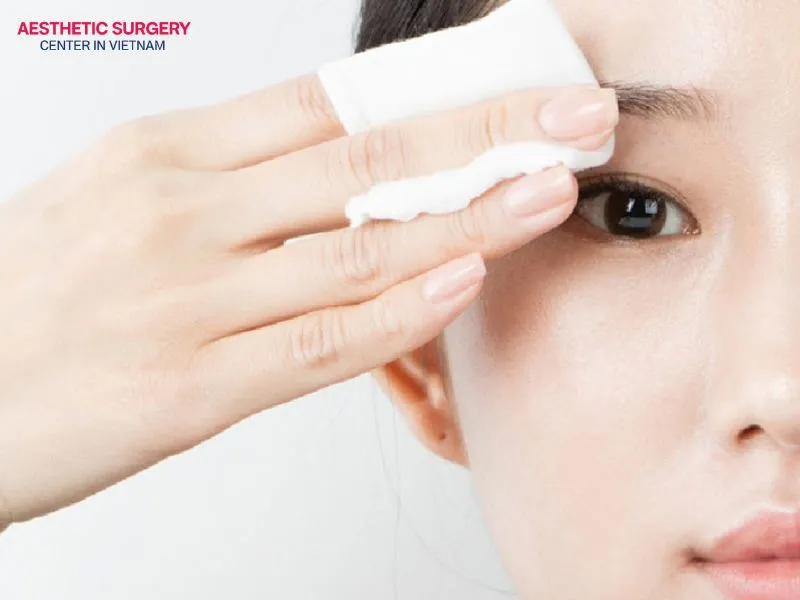
- Follow the instructions carefully when cleaning the transplanted area. Use saline solution or a specialized mineral spray at the recommended times.
- Avoid touching, scratching, or rubbing the area. Do not let the eyebrows come into direct contact with water during the first week. This helps protect the transplanted hair follicles.
- Avoid foods that may cause keloid scars or irritation, such as beef, seafood, and sticky rice during this period. This helps speed up the body’s healing process.
Timeline for natural hair growth
During the first month, the transplanted hairs will fall out. However, the hair follicles underneath remain firmly in place and enter a natural resting phase. From the second to the third month, new hairs begin to grow through the skin. Their texture is similar to the hair from the original donor area. By the sixth month, the eyebrows usually become stable in length and density. At this point, you can comfortably trim and shape them as desired.
Potential risks and side effects to consider
The biggest risk of an eyebrow transplant is that the hair follicles may not adapt well to the eyebrow area. This can cause uneven or sparse hair growth. The transplanted hairs may also grow in the wrong direction, become unusually curly, or have a texture that is too coarse. These problems may occur if the doctor does not create the correct implantation angle. Less common medical complications include folliculitis, skin infection, or swelling that lasts longer than expected.
To effectively prevent inflammation and infection, it is important to understand how to clean and monitor the eyebrows after transplantation:
- Keep the area clean and use antibiotics exactly as prescribed by your specialist.
- If you notice ingrown hairs that cause pain under the skin, visit your doctor for timely medical treatment. Do not try to squeeze or remove them yourself at home.
To ensure safety during the procedure, choose a reputable medical facility with properly sterilized equipment. This can help minimize the risk of unwanted complications.
How much does an eyebrow transplant cost?
The cost of an eyebrow hair transplant usually varies depending on the number of hair follicles needed and the experience of the surgical team. The cost also depends on the facility, the technology used, and the postoperative care services provided by each aesthetic center. On average, an eyebrow transplant costs around 70 million VND to 150 million VND, depending on the complexity of each procedure.
In fact, the total cost of an eyebrow hair transplant is calculated based on the number of follicular units required, whether the FUE or FUT extraction technique is used, and the reputation of the facility. Therefore, you should visit a medical facility for an in-person consultation. The doctor can determine the exact number of hair follicles needed and provide a detailed cost estimate. This can also help you avoid unexpected additional fees.
Frequently asked questions about eyebrow transplants
Is an eyebrow hair transplant permanent?
The results of an eyebrow transplant can be permanent if the hair follicles are taken from a stable donor area and adapt well to the new area. Since these hair follicles retain the biological characteristics of scalp hair, they will continue to grow. Therefore, they need to be trimmed regularly just like natural hair. However, natural aging or certain underlying medical conditions may affect eyebrow density over time.
Does the procedure cause visible scarring?
An eyebrow transplant uses modern microsurgical techniques to minimize tissue damage. Therefore, it does not usually leave large or noticeable scars on the face. In the eyebrow area, the tiny wounds created by the needles will heal and gradually fade within a short period. They usually leave no obvious signs of surgical intervention.
In the donor area on the scalp, the FUE technique leaves only very small round marks that are hidden by the surrounding hair. The FUT technique may leave a longer linear scar. However, this scar can still be covered by the surrounding hair.
An eyebrow transplant is considered an effective solution for naturally improving sparse or short eyebrows. Choosing a reputable medical facility and following a proper aftercare plan play an important role in the success of the procedure. If you want to improve your eyebrow shape in Vietnam but have not yet chosen a suitable facility, you can consider the services at Aesthetic Surgery Center in Vietnam. To ensure safety, you should meet directly with a specialist for a detailed consultation based on your individual condition.
>>> See more:










Comment on the post