



Are you looking for a long-term solution to chronic hair loss? Do you want thicker, natural-looking hair but feel overwhelmed by the many hair restoration techniques available today? If so, a FUT hair transplant may be the right option for you. This procedure provides long-lasting hair restoration using your own hair follicles and offers many advantages. Read this article to learn more about it.
What is a FUT hair transplant?
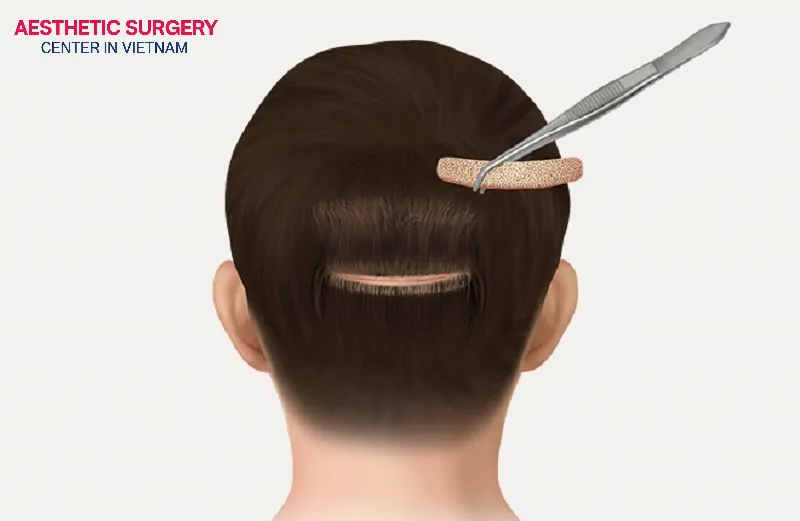
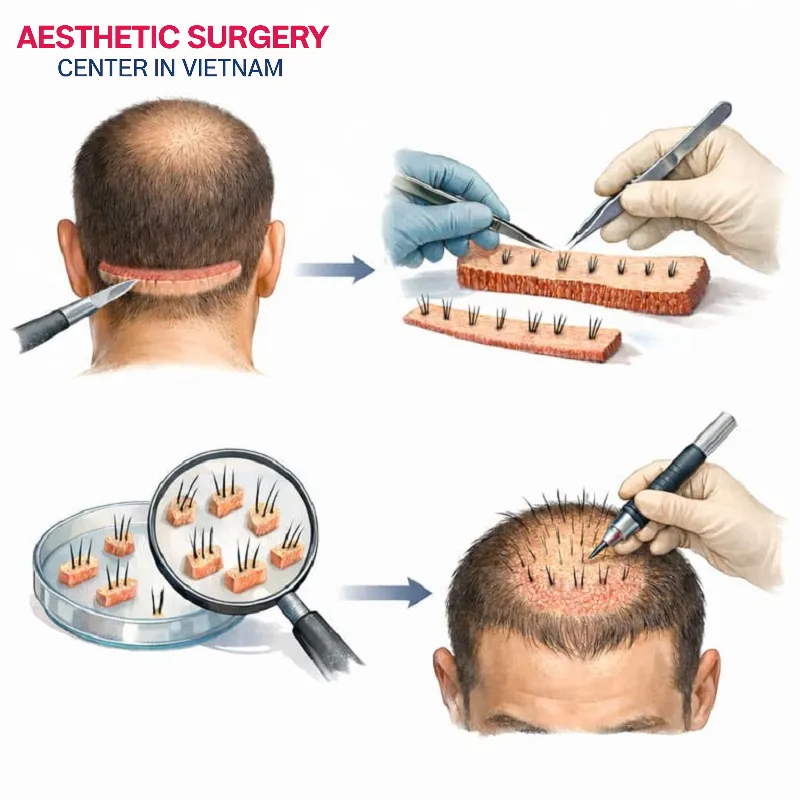
A FUT hair transplant, also known as the strip harvesting method, is a traditional hair restoration surgery that delivers highly effective results. During the procedure, the surgeon removes a strip of scalp containing healthy hair follicles from the donor area, usually at the back of the head or above the ears. The strip is then carefully dissected under a specialized microscope into individual follicular units. These grafts are transplanted directly into bald or thinning areas of the scalp, known as the recipient area.
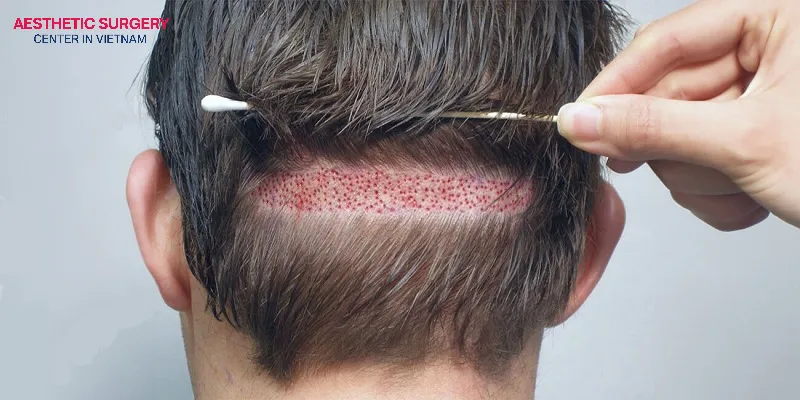
Although the FUT technique leaves a thin horizontal scar in the donor area, it can be easily concealed with longer hair. In addition, this method offers several outstanding advantages, including the ability to harvest a large number of hair follicles in a single procedure while maintaining a high graft survival rate. This allows patients to regain thicker, natural-looking hair more quickly.
Who’s a good candidate for FUT?
Although FUT is a traditional technique, it is still considered the gold standard for many hair restoration cases. The following individuals are especially suitable candidates for this procedure:
- Individuals with extensive baldness or severe hair thinning: FUT can maximize donor hair harvesting and collect a large number of follicular units, often up to 3,000–4,000 grafts, in a single surgery.
- Individuals with good scalp elasticity: This is essential because it allows the surgeon to remove the donor strip and close the wound without excessive tension, helping minimize the risk of noticeable scarring.
- Individuals who prefer wearing longer hairstyles: A defining feature of FUT is the thin horizontal scar left on the back of the scalp. Patients who usually keep their hair at least 2–3 cm long can easily cover the scar.
- Patients who want the highest possible graft survival rate: Dissecting the donor strip under a specialized microscope allows specialists to obtain intact follicular units while minimizing follicle damage during harvesting.
- Individuals who want to reduce costs and shorten surgery time: Compared with follicle-by-follicle extraction techniques such as FUE, removing a donor strip significantly shortens the harvesting process. The procedure is also generally more cost-effective.
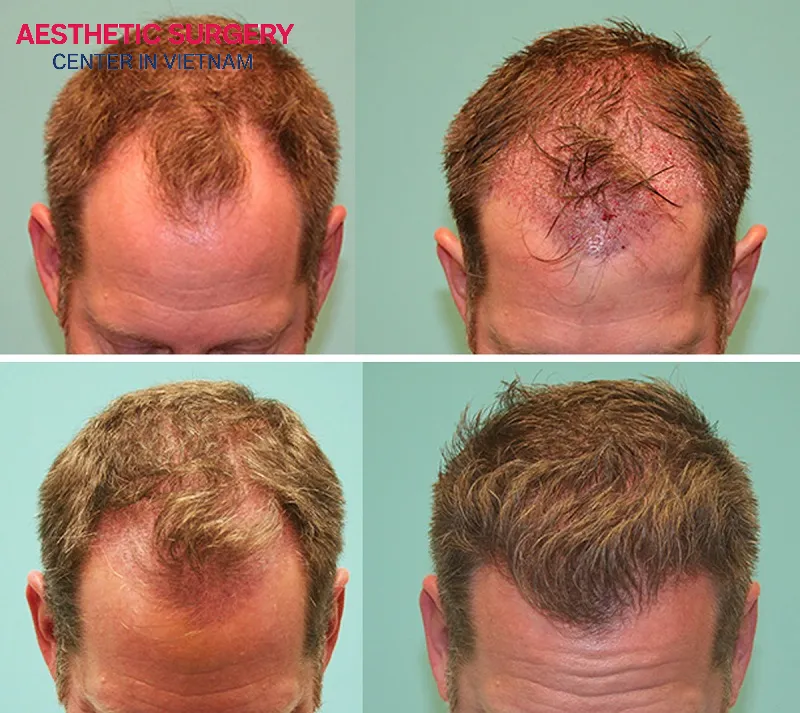
Benefits of FUT hair transplant
A FUT hair transplant continues to hold a leading position in hair restoration surgery because of its outstanding benefits:
Maximizes the number of hair grafts
The greatest advantage of FUT is its ability to harvest a large number of hair grafts in a single procedure. This makes it an ideal solution for extensive baldness or large areas of severe hair thinning.
High hair graft survival rate
Unlike techniques that extract individual follicles directly from the scalp, the donor strip in FUT surgery is carefully dissected under a specialized microscope. This process preserves the follicular structure and the surrounding fatty tissue, minimizing follicle damage. As a result, it helps ensure a high graft survival rate and healthy hair growth after transplantation.
No need to shave a large area of hair
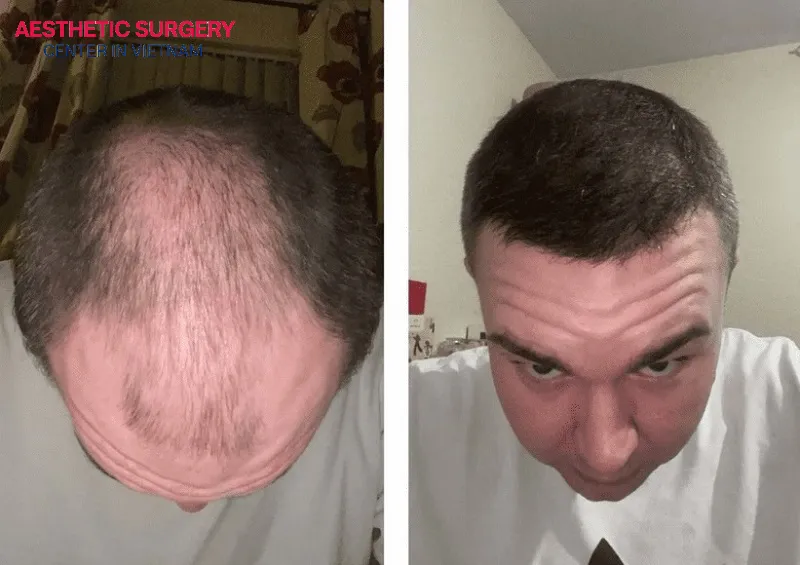
With FUT, the surgeon only needs to trim the hair around the donor strip. Patients do not have to shave their entire scalp or cut all the hair at the back of the head. After the procedure, the surrounding longer hair can easily cover the sutures, maintaining a natural appearance throughout the recovery period.
Shorter surgery time
Removing a single strip of scalp containing thousands of hair follicles is much faster than identifying and extracting individual follicles one by one. This significantly reduces the time patients spend in surgery and helps minimize fatigue.
Cost-effective procedure
Because hair follicle harvesting takes less time and the procedure is more streamlined, a FUT hair transplant is generally more affordable than individual follicle extraction techniques such as FUE. This is especially true for patients who require a large number of grafts.
Thanks to these practical advantages, a FUT hair transplant is widely recognized as a cost-effective hair restoration solution. It provides excellent hair density and optimal coverage, making it a preferred choice for both specialists and patients.
How is the procedure fut hair transplant?
To ensure a safe and effective FUT hair transplant, the procedure must follow strict medical standards. The process includes the following steps:
Step 1: Anesthesia
The surgeon first disinfects the donor and recipient areas before administering local anesthesia. This ensures that the patient feels no pain or discomfort throughout the procedure. The anesthetic takes effect quickly, providing a comfortable experience while meeting medical safety standards.
Step 2: Harvesting and closure of the donor area
Once the anesthesia has taken effect, the surgeon uses a specialized surgical blade to remove a strip of scalp containing healthy hair follicles from the back of the head. The donor wound is then carefully closed with cosmetic sutures to minimize visible scarring. The resulting thin horizontal hair transplant scar is later hidden beneath the surrounding hair and has little impact on appearance.
Step 3: Recipient site creation
In the bald or thinning areas, the surgeon uses specialized microsurgical instruments to create recipient sites. Each site is carefully designed with the correct depth, angle, and direction to match the natural growth pattern of the patient’s hair. Proper recipient site creation is essential for achieving natural-looking density and hair growth.
Step 4: Graft dissection
The harvested donor strip is immediately transferred to the technical team for meticulous dissection under a specialized microscope. Excess fat and surrounding tissue are carefully removed to create individual follicular units containing one to four hairs. Microscopic dissection preserves the integrity of each follicle, minimizes damage, and maximizes graft survival.
Step 5: Graft placement
In the final step, the surgeon uses microsurgical forceps to implant each healthy follicular unit into the prepared recipient sites. Every graft is placed carefully to ensure the correct angle, direction, and even distribution, creating the most natural and dense appearance possible. After the procedure, the transplant area is cleaned and dressed, and the surgeon provides detailed postoperative care instructions to help the grafts heal and establish successfully.
How much does FUThair transplant cost?
The cost of a FUT hair transplant in Vietnam varies depending on the extent of hair loss and the number of grafts required. There is no fixed price that applies to every patient. On average, the cost per graft ranges from VND 40,000 to VND 60,000. This is generally lower than the cost of FUE, which typically ranges from VND 70,000 to VND 80,000 per graft because FUT allows faster donor harvesting.
Depending on the size of the bald area and the severity of hair loss, the total cost of a FUT hair transplant is usually:
- Mild hair loss (hairline or forehead restoration): Approximately VND 30,000,000–50,000,000 per procedure.
- Severe hair loss (large bald areas or crown restoration): Approximately VND 50,000,000–80,000,000 per procedure. The cost may exceed VND 100,000,000 if a very large number of grafts (3,000–4,000 grafts) is required.
Aftercare and recovery after FUT hair transplant
Postoperative care plays a critical role in maximizing hair graft survival and minimizing the appearance of the donor scar. Below are the essential care instructions and the full hair transplant recovery timeline following a FUT procedure:
Sensitive recovery phase: The first 1–3 days after surgery
- Sleeping position: Patients should sleep with their head elevated at approximately 45 degrees for the first three nights. A U-shaped pillow can help keep the head stable, prevent the transplanted area from rubbing against the pillow, and reduce swelling around the forehead and eyes.
- Managing swelling: Mild hair transplant swelling of the forehead is a normal response after surgery. Apply a cold compress around the forehead and eyes if needed. Do not place ice or apply pressure directly to the newly transplanted area.
- Medication: Take all prescribed antibiotics, anti-inflammatory medications, and pain relievers exactly as instructed by your surgeon to help prevent infection.
- Protecting the donor area: The sutured donor site at the back of the head may produce a small amount of pink-tinged fluid during the first day. Keep the wound clean and change the dressing according to your medical team’s instructions.
Cleaning and scab shedding phase: Days 4–10
- Wash your hair properly: From day 3 or 4, patients can begin washing their hair. Use a mild shampoo, such as baby shampoo. Do not pour shampoo directly onto the scalp. Instead, lather it in your hands first, then gently pat the foam onto the transplanted area. Rinse with low-pressure water.
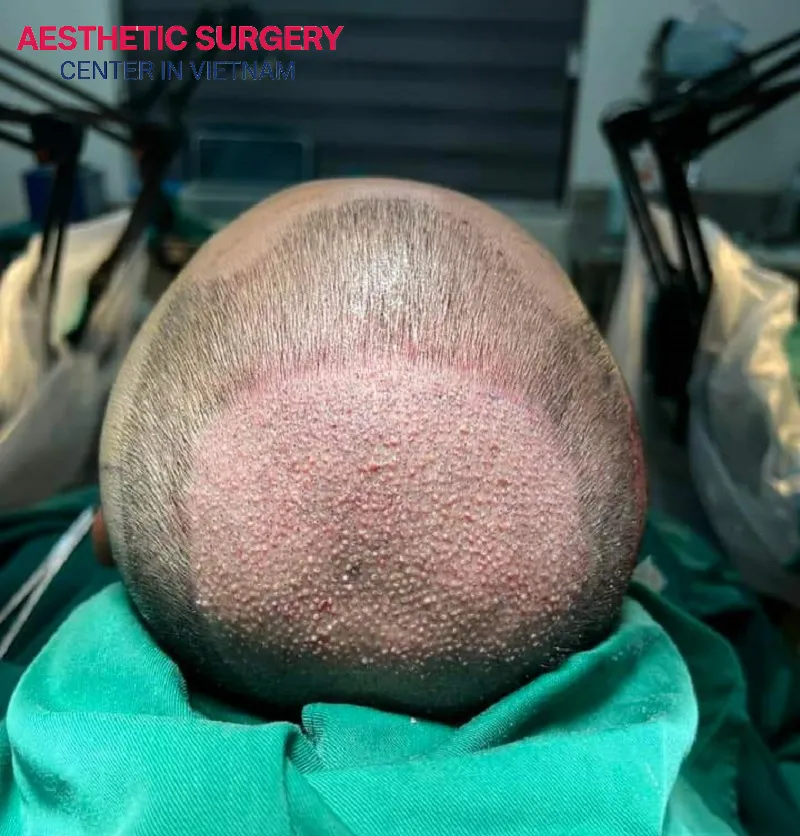
- Allow the scabs to fall off naturally: Brown or black hair transplant scabs will form around the newly transplanted hair follicles. Do not scratch, pick, or remove these scabs by hand. They will gradually soften during washing and naturally fall off within 7–10 days.
Suture removal and donor scar care: Days 10–14
- Suture removal: Patients should return to the clinic about 10–14 days after surgery so the surgeon can assess healing and remove the sutures from the donor area if non-absorbable stitches were used.
- Scar care: Once the sutures are removed and the wound has fully closed, the surgeon may recommend a specialized scar cream to help the scar fade, blend with the surrounding scalp, and achieve the best cosmetic result.
Temporary hair shedding (Shock Loss): Months 1–3
Between the third week and the second month, the transplanted hair shafts will begin to shed. This is a normal biological process known as shock loss. There is no need to worry because the hair follicles remain securely beneath the skin and are entering a resting phase before producing new, healthier hair growth.
Stable hair growth phase: Months 4–12
- Months 3–6: New hair begins to grow from the transplanted follicles. At first, the hairs may be fine and soft, but they gradually become thicker and darker.
- Months 6–9: Hair growth becomes more noticeable. The new hair grows longer and provides better coverage of previously bald areas.
- After 12 months: The recovery process is complete, and the final results are achieved. The hair looks completely natural and can be cut, curled, dyed, and styled as desired.
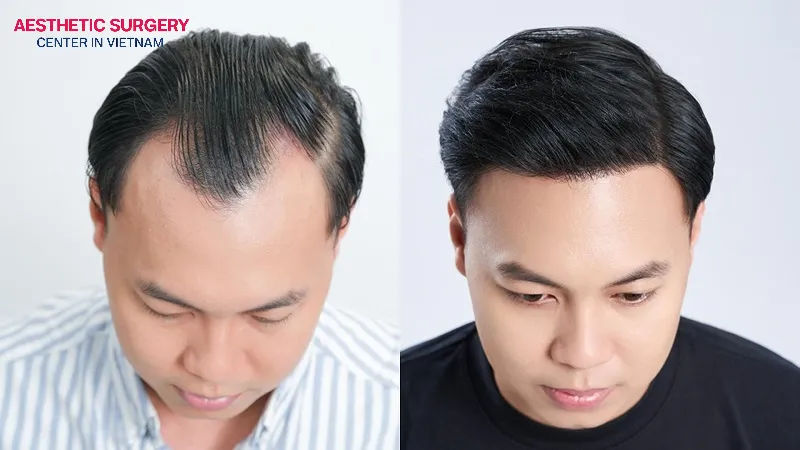
A fut hair transplant is an ideal solution for patients with advanced hair loss who want to restore maximum hair density in a single procedure. With its outstanding advantages in effectiveness, treatment time, and cost, it is a worthwhile investment in long-term hair restoration. If you are unsure whether your current hair condition is suitable for a FUT hair transplant, feel free to leave your information or schedule a consultation with our specialists for personalized advice at no cost.
>>> See more: Fut and fue hair transplant difference










Comment on the post