



A beard transplant is a modern aesthetic procedure that helps men improve sparse or uneven facial hair caused by genetics. This method uses healthy hair follicles and transplants them into the facial area. It helps create a masculine and natural-looking appearance. The procedure requires careful work from a medical specialist to ensure safety and long-lasting aesthetic results.
What is a beard transplant?
A beard transplant is a technique that moves healthy hair follicles from an area with strong hair growth, usually the scalp or under the chin, to the face. This helps restore or increase beard density based on the desired result. This method works by using the high biological compatibility of the patient’s own hair follicles when they are moved to a new area on the face. Hair and beard hair have similar structures. After the transplanted hair follicles adapt to the new area, they can continue to grow normally. They produce real beard hairs with a growth cycle similar to natural facial hair.
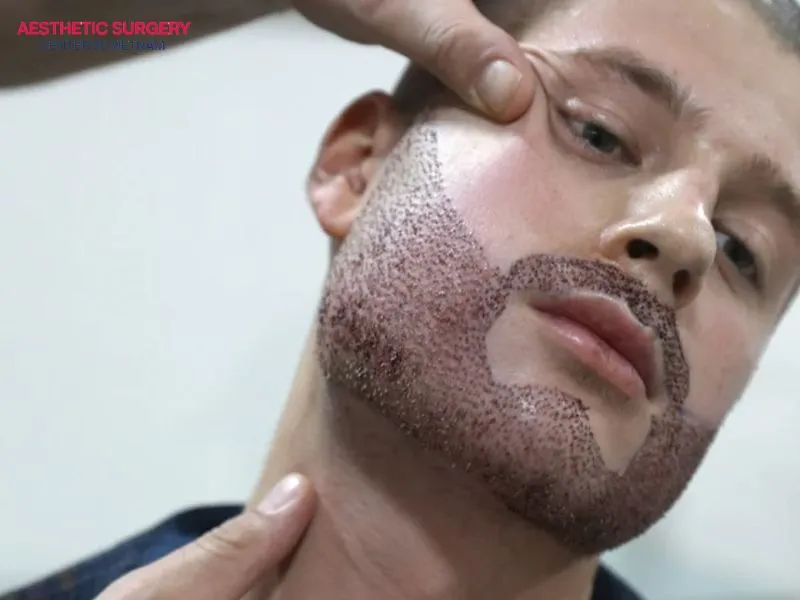
Benefits of getting a beard transplant
A beard transplant offers both aesthetic and psychological benefits for men. Specifically:
- A facial hair transplant allows you to create different beard shapes based on your personal preferences. You can choose a sharp jawline beard, a fuller beard, or focus only on increasing hair density around the chin and mustache area.
- A beard transplant provides long-lasting results. After the procedure, you can still shave, trim, or style your beard regularly without worrying about the beard falling out or losing its original shape.
- It can help increase confidence in work communication and daily life. According to East Asian physiognomy beliefs, facial hair is also associated with authority and prosperity.
- It helps save time on beard styling every morning without the need to use temporary beard growth products.
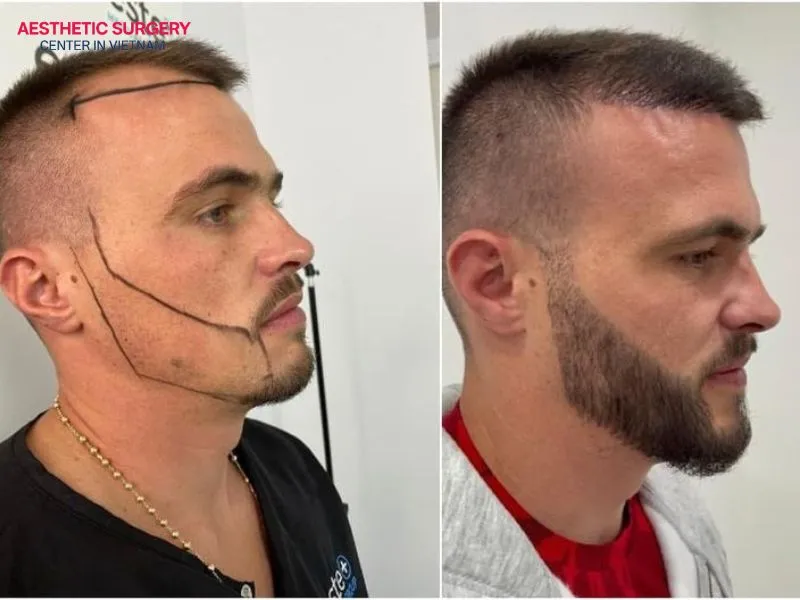
Who is an ideal candidate for this procedure?
A beard transplant is a modern aesthetic procedure that is suitable for many individuals, especially the following candidates:
- Adult men who naturally have sparse facial hair, uneven beard growth on both cheeks, or no beard due to genetic factors are the main candidates for this procedure.
- Individuals with facial skin damage caused by accidents, surgery, or burns may also be suitable candidates. These conditions can leave scars that prevent natural beard hair from growing back.
- Individuals who want to change their personal style and achieve a more masculine and mature appearance with a fuller beard may also be suitable for this aesthetic procedure.
- Before recommending the procedure, the specialist must perform a general health screening. The surgeon will check for underlying conditions such as diabetes and blood clotting disorders. The quality of the donor hair at the back of the head will also be evaluated to ensure safety.
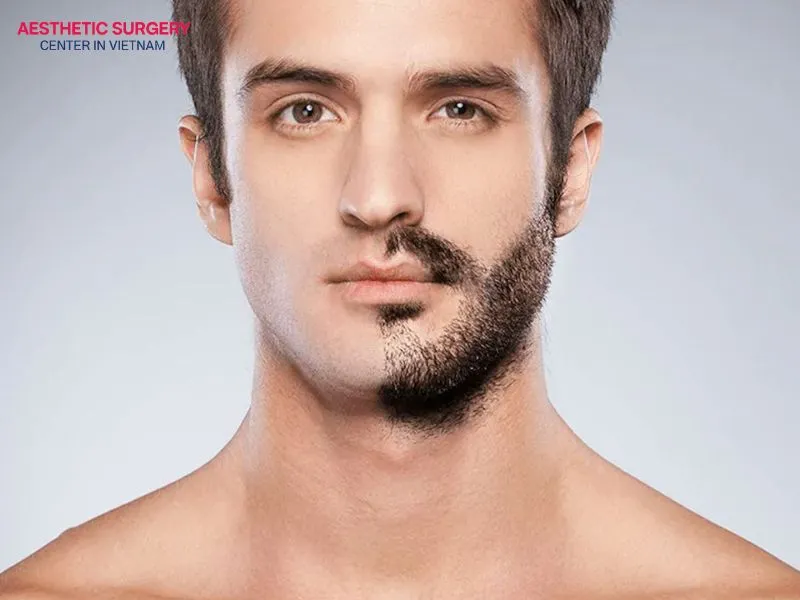
Common facial hair transplant techniques
Common beard transplant techniques are classified based on how the hair follicles are collected and the tools used. These techniques aim to optimize hair coverage on the facial skin.
Follicular unit extraction
The FUE technique uses a specialized micro-punch device to precisely extract individual follicular units from the donor area. It does not require large skin incisions. One of the main advantages of this technique is that it does not leave a long scar. This allows the area to heal quickly and helps minimize pain after the procedure.
The surgeon can carefully control the implantation angle and depth of each hair follicle. This helps the new beard hairs grow in the same direction as the natural facial hair.
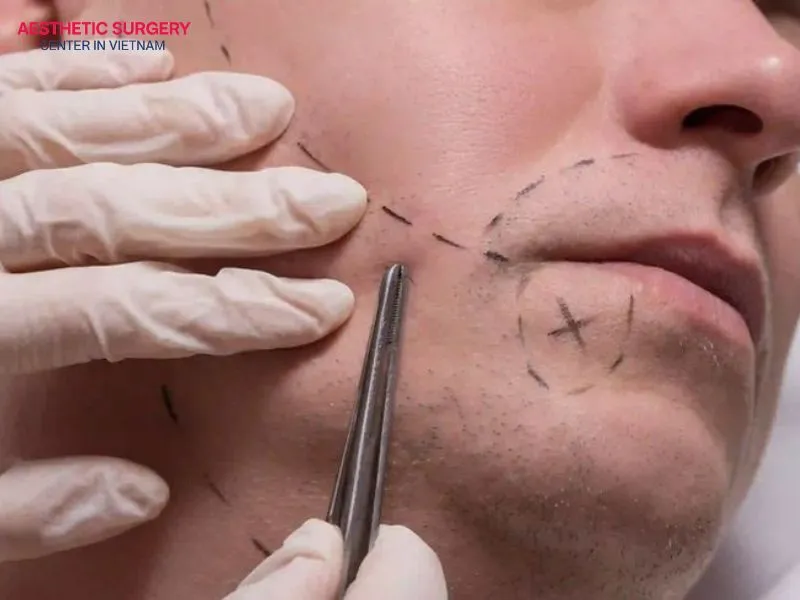
Follicular unit transplantation
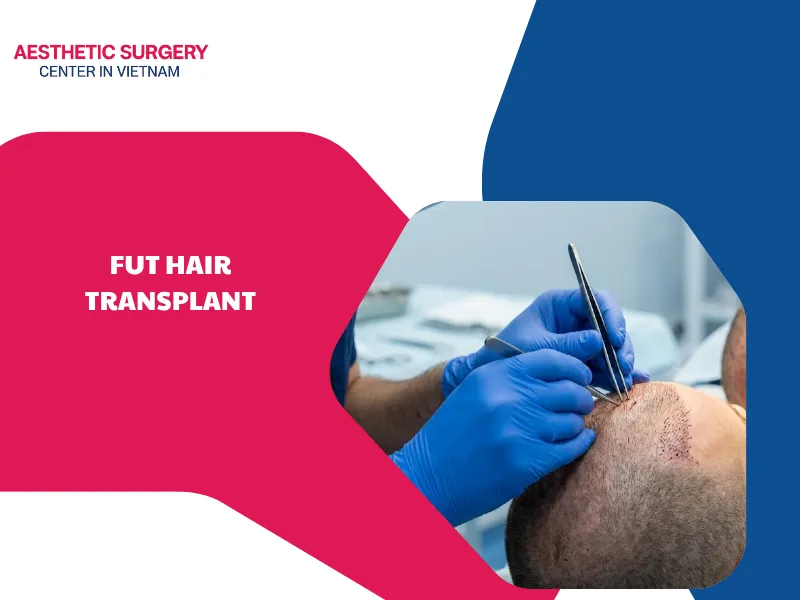
FUT is a technique that removes a thin strip of scalp from the back of the head. The strip is then divided into small follicular units for transplantation. This technique is suitable for patients who need a large number of hair follicles collected in a short period. It can be used for large beard transplant areas or to cover the entire chin and jawline.
After the hair is collected, the donor area on the scalp is closed with cosmetic sutures to minimize the appearance of the scar. Therefore, you may need to keep the hair at the back of your head relatively long to cover the thin scar. Wound care for the FUT donor area requires stricter attention than FUE. Proper care helps prevent skin tension or delayed wound healing.
>>> See more: Fut and fue hair transplant difference
The step-by-step beard transplant procedure
A standard facial hair transplant procedure must be performed by a specialist using sterile medical equipment to achieve a high hair follicle survival rate. Every step, from preparation to completion, must follow strict medical standards to prevent the risk of infection.
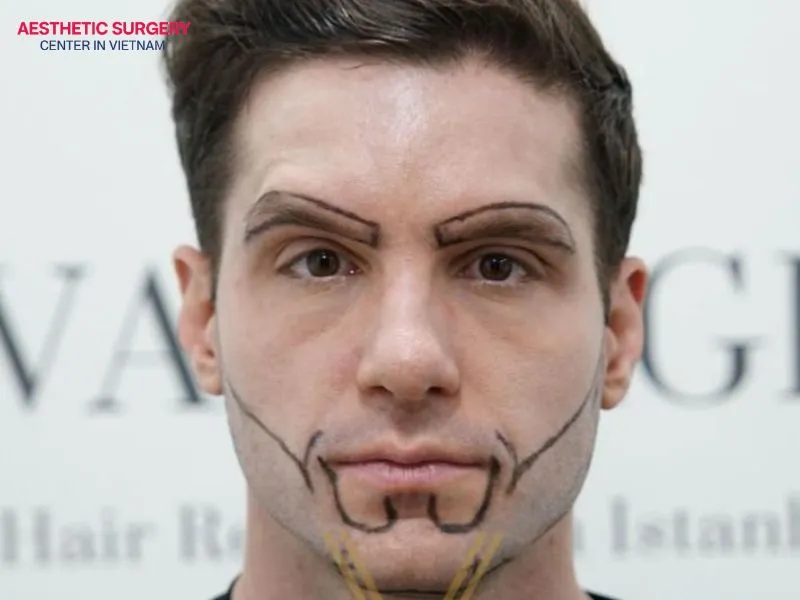
Step 1: Consultation and hairline design
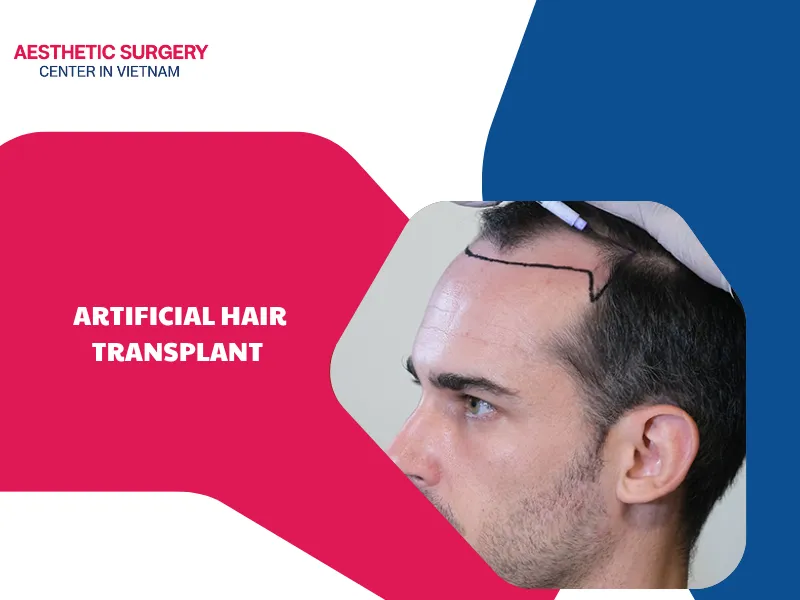
The surgeon examines your facial structure and evaluates the quality of the hair in the donor area. The surgeon also discusses your desired beard style. Anthropometric principles are used to outline the beard directly on the face. This helps create a beard shape that is balanced with the overall proportions of the jaw and chin.
The surgeon then calculates the exact number of hair follicles needed. This helps provide proper coverage and a natural-looking density in the recipient area.
Step 2: Donor hair harvesting
The donor area is cleaned, carefully disinfected, and treated with local anesthesia to minimize discomfort throughout the procedure. The surgeon uses specialized instruments to select and extract healthy follicular units from the scalp or the area under the chin. The extraction is performed using the technique chosen beforehand. After extraction, the hair follicles are placed in a specialized biological preservation solution to maintain their viability before being transplanted into the recipient area.
Step 3: Implantation into the recipient area
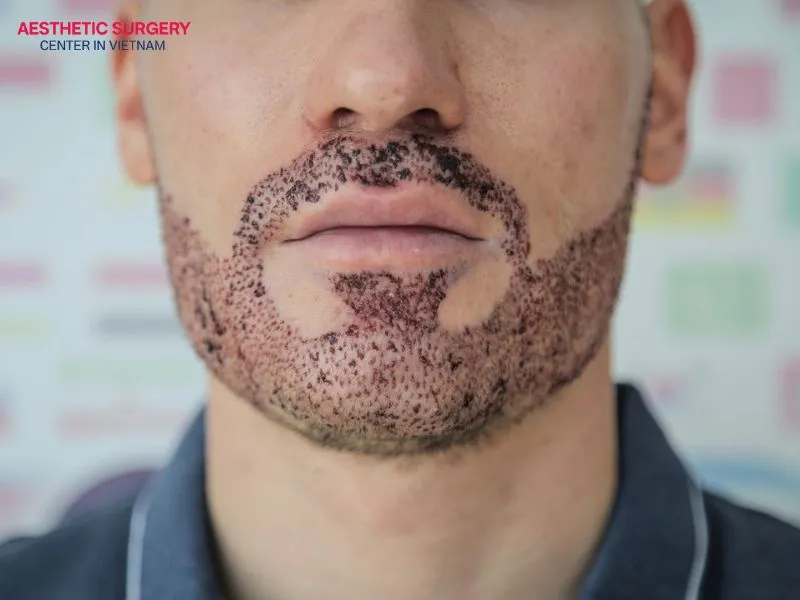
The facial area where the facial hair transplant will be performed is treated with local anesthesia. The surgeon then creates tiny channels using an ultra-fine needle. These channels are created at precise angles that follow the natural growth direction of the beard. The surgeon uses microsurgical forceps to carefully place each follicular unit into the pre-designed positions. Special attention is given to the depth and even spacing of the hair follicles. Finally, the transplanted area is carefully cleaned and covered with a medical dressing. You will also receive detailed instructions on how to care for the area at home.
Recovery timeline and aftercare instructions
The recovery process and proper postoperative care play an important role in the success and aesthetic results of a beard transplant.
- During the first 48 hours, avoid touching the facial area. Keep the transplanted area dry and avoid any strong impact or pressure.
- From the third day onward, you can begin gently cleaning the area with saline solution. You can also wash the area with specialized products according to your surgeon’s instructions.
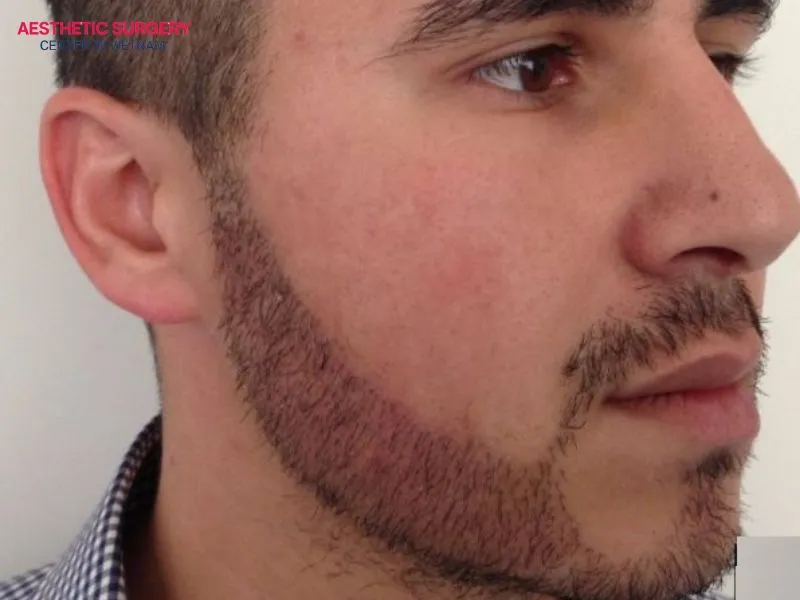
- From the second to the fourth week, the transplanted beard hairs usually begin to fall out naturally. This is a normal stage when the hair follicles enter a resting phase before new hair begins to grow.
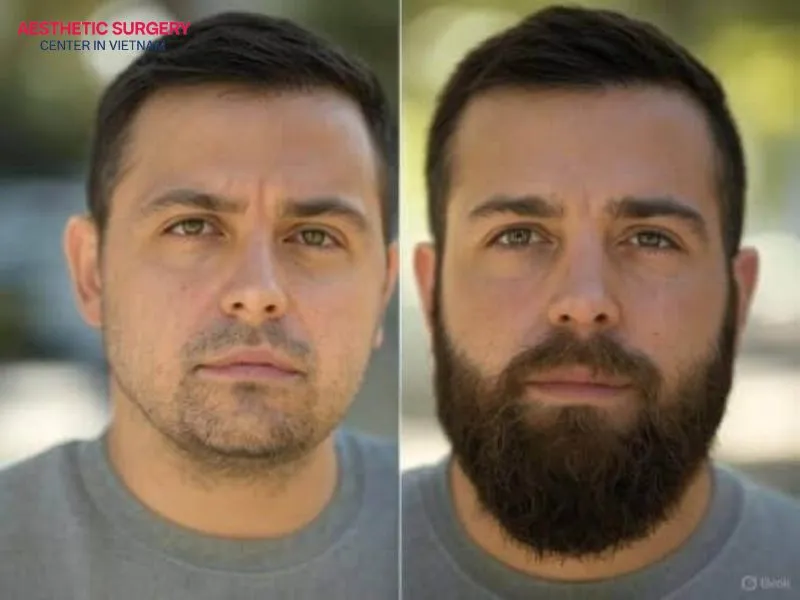
New beard hairs usually begin to grow from the third month. The beard gradually becomes thicker and fuller, with optimal results usually seen between the eighth and twelfth months.
Potential side effects and safety considerations
It is important to understand the possible side effects and safety considerations of a beard transplant. This helps you monitor your condition throughout the recovery period:
- Common side effects include mild facial swelling, skin redness, mild itching, or small scabs around the transplanted beard hairs. These usually disappear on their own after a few days without requiring complicated medical treatment.
- You should take medications exactly as prescribed. Avoid alcohol, smoking, spicy foods, and seafood during the first week to prevent irritation in the newly transplanted area.
- Avoid direct exposure to strong sunlight, dust, and environmental pollution. Do not use a sharp razor on the newly transplanted beard area during the first month. This helps protect the hair follicles as they become firmly established in the skin.
If you notice unusual signs such as persistent pus discharge or widespread swelling, contact your doctor immediately for examination and timely treatment.
How much does a beard transplant cost?
The cost of a beard transplant usually ranges from 25,000,000 to 45,000,000 VND, depending on the number of hair follicles needed, the size of the facial area being treated, and the technique used:
- Complex beard designs or facial areas with scar tissue usually require more advanced techniques and longer procedure times. Therefore, these cases may cost more than a standard facial hair transplant.
- The experience of the surgeon performing the procedure and the medical facility’s investment in technology and equipment also affect the total cost of a safe facial hair transplant.
- To ensure medical safety and long-lasting aesthetic results, you should choose a licensed hospital or specialized dermatology clinic. Avoid choosing low-quality, unlicensed facilities simply because they offer lower prices.
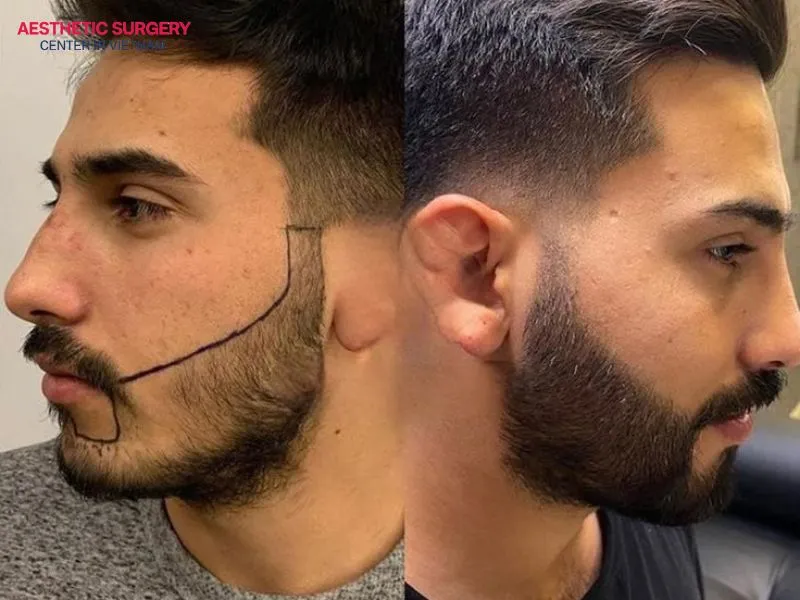
An autologous beard transplant is an effective solution that helps men quickly achieve a masculine, natural-looking, and long-lasting beard. Understanding the technique, standard medical procedure, and proper postoperative care plays an important role in the success of the procedure. Consult an aesthetic specialist today to receive a treatment plan that is suitable for your individual condition.
>>> See more: Hair transplant clinic in Ho Chi Minh city











Comment on the post