



After facelift surgery, many individuals may feel concerned when they experience temporary numbness or loss of sensation in the face. Although this is a fairly common response while the tissues and nerves are recovering, the question of facelift numbness how long does it last remains a major concern for many patients. This article will explain the typical recovery timeline in detail and help you understand how to support a safe healing process.
Why does numbness occur after a facelift?
Numbness after surgery is not necessarily an unusual sign. It mainly results from the direct physical effects on the tissues and nerve network beneath the skin during surgical dissection. The specific causes of numbness after a facelift include:
Temporary nerve stretching and tissue trauma
During the lifting process, the soft tissues and sensory nerve network need to be stretched to reshape the facial structure. This mechanical pulling, combined with natural postoperative swelling and inflammation, can put pressure on small nerve branches. As a result, temporary numbness may occur until the tissues heal.
Stunned nerves versus severed nerves
Most facial numbness occurs because the nerves are temporarily “stunned” by the surgical procedure. Sensation usually returns gradually over several weeks to several months. In contrast, a severed nerve is a serious and rare surgical complication. It may lead to permanent loss of sensation or facial muscle paralysis and may require complex medical treatment.
Facelift numbness: How long does it last?
Facial sensation does not return immediately. Instead, it follows a natural healing process that depends largely on each person’s body and the extent of the surgical procedure. Below is a typical recovery timeline to help you monitor your condition during postoperative care:
First few weeks after surgery
During the first 1 to 3 weeks, numbness and swelling are usually most noticeable, especially around the cheeks, jawline, and ears. At this stage, the tissues and nerves are recovering from the effects of surgery and focusing on healing. You may sometimes experience a mild tingling sensation, which can occur as sensation begins to return.
One to three months of recovery
From the second month onward, swelling usually decreases significantly. This reduces pressure on the nerves, and the numb areas gradually become smaller. The face may feel softer, and sensation may begin to return when the skin is touched. This indicates that the nerve branches are gradually recovering their function.
Six months to one year for full sensation
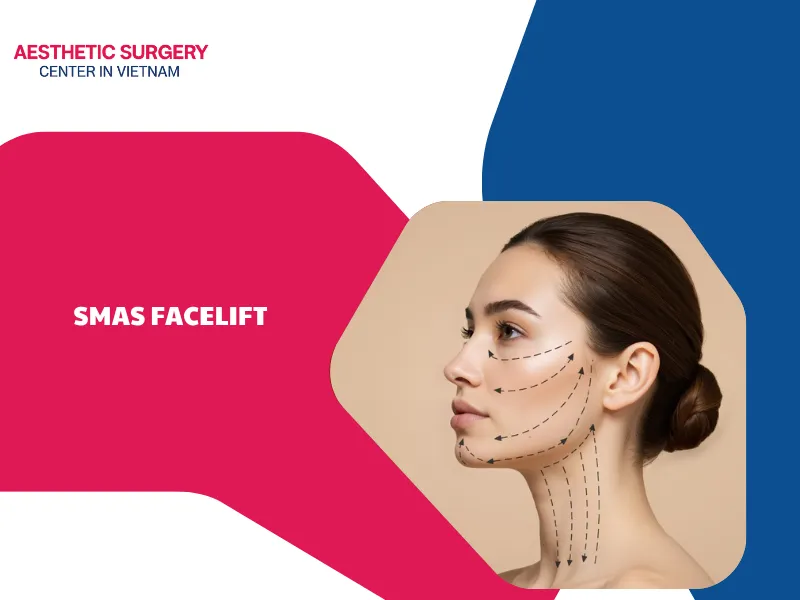
For procedures involving deeper tissue dissection, such as an SMAS facelift, the delicate nerve network may need 6 to 12 months to regenerate and reconnect. By the end of this period, skin sensation may fully recover, while stiffness and numbness gradually disappear, allowing facial expressions to feel more natural and flexible.
>>> See more: What causes excessive swelling after facelift surgery?
Common sensations you may feel as nerves heal
During the nerve recovery process after surgery, the facial skin may go through several changes in sensation. Below are common signs that may occur as the nerves gradually recover and reconnect:
Tingling and itching sensations
As the nerve branches begin to heal and regenerate their protective covering, you may frequently experience mild tingling, a crawling sensation, or slight itching beneath the skin. These sensations can indicate that the sensory nerve network is gradually becoming active again.
Tightness and hypersensitivity
The healing of soft tissues and the reshaping of the skin can cause temporary tightness, especially when making facial expressions. At the same time, some areas of the skin may become more sensitive or feel slightly sharp or painful when touched as the nervous system adjusts its sensory signals.

How to manage numbness and promote healing at home?
Although facial numbness is a natural response after surgery, you can support the facelift recovery process through proper care. Below are some simple and safe ways to ease discomfort and support nerve recovery:
Gentle facial massage techniques
Once the surgical wounds have stabilized, very gentle stroking or massage with your fingertips can help improve blood circulation beneath the skin. Better circulation brings oxygen and nutrients to the affected tissues, helping support the recovery of the nerves.
Avoiding extreme temperatures
When the skin is numb, you may temporarily lose the ability to accurately sense temperature. This makes the skin more vulnerable to injury without you noticing it. Therefore, avoid washing your face with very hot water, applying ice directly to the skin, or using steam treatments. This helps reduce the risk of burns, redness, or tissue damage.

When to contact your surgical team?
In addition to numbness, you should closely monitor your condition after facelift surgery and contact your surgical team immediately if any warning signs appear. Seek medical attention right away if facial numbness occurs along with any of the following symptoms:
- Loss of facial muscle movement: Numbness or paralysis accompanied by an inability to move the muscles around the mouth, difficulty lifting the corner of the mouth when smiling, inability to fully close the eyes, or noticeable facial asymmetry.
- Signs of hematoma or infection: Sudden swelling in the treated area, severe pain that cannot be controlled with medication, hot or red skin, pus-like discharge, or unusual dark purple or black discoloration of the skin.
- Persistent numbness that does not improve: Complete loss of sensation and persistent stiffness with no tingling or signs of improvement 3 to 6 months after surgery. This may require a more detailed evaluation of the nerve network by your surgeon.
After reading this article, you should now have the answer to the question facelift numbness how long does it last? Numbness may last from a few weeks to about one year. During this time, you should stay relaxed, patiently follow proper postoperative care instructions, and closely monitor your recovery. With time, you can move past this recovery stage and enjoy a more youthful, smooth, and radiant appearance as expected.

















Comment on the post