



After undergoing a hair transplant, many patients may feel extremely worried when they suddenly notice significant hair shedding between the second and sixth week. However, aesthetic specialists confirm that this is a completely normal hair transplant shedding phase. Read the article below to learn more about the mechanism behind this shedding and proper postoperative care.
What is the post-transplant hair shedding phase?
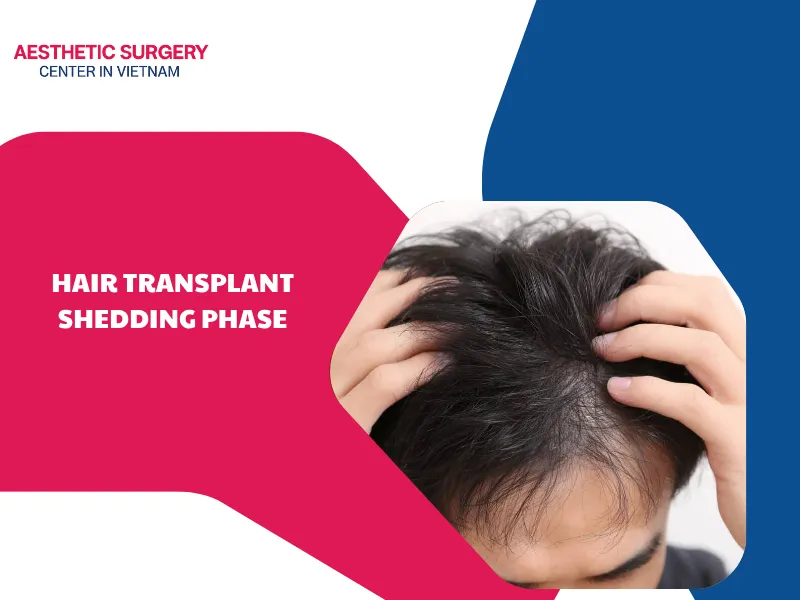
The hair transplant shedding phase is commonly known as Shock Loss. It is a completely natural physiological response of the body. This occurs because temporary trauma during the transplant causes the hair follicles to enter the resting phase, leading the old hair shafts to fall out. However, there is no need to worry because the hair follicles remain healthy and firmly rooted beneath the scalp.
This is a necessary renewal process that prepares the hair follicles for a new growth cycle. New, stronger, and permanent hair usually begins to grow after about 3 to 4 months.
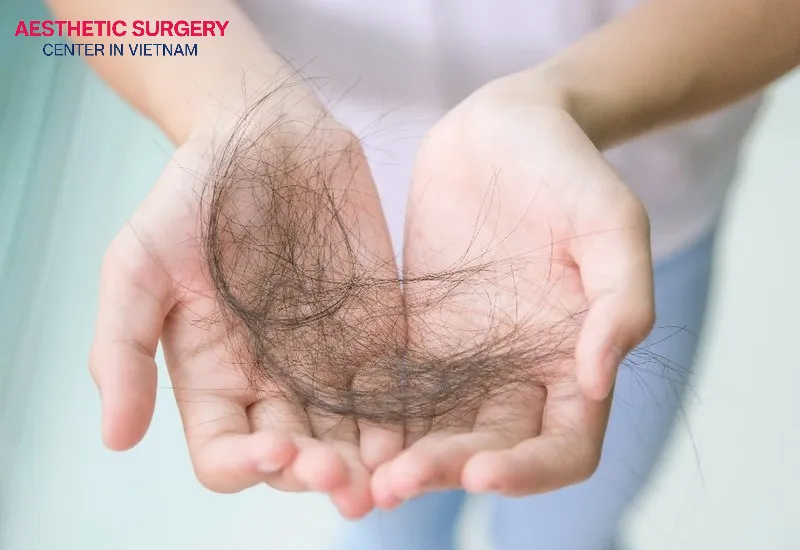
Why does hair shedding occur after the transplant?
The hair transplant shedding phase occurs due to the following physiological factors and external effects:
- Local tissue shock: The process of extracting and transplanting hair follicles creates minor injuries on the scalp. This can cause both surrounding follicles and newly transplanted follicles to experience mild shock.
- Temporary disruption of blood circulation: When hair follicles are moved from their original location to a new area, their blood supply is temporarily interrupted. This causes the old hair shafts to die and fall out.
- Changes in the hair growth cycle: The stress caused by surgery forces the hair follicles to protect themselves by entering the resting phase. During this stage, the follicles shed the old hair shafts to focus their energy on producing new hair.
- Side effects of anesthesia: The anesthetic solution and medications used around the scalp during surgery may also trigger temporary hair shedding in the transplanted area and surrounding areas.
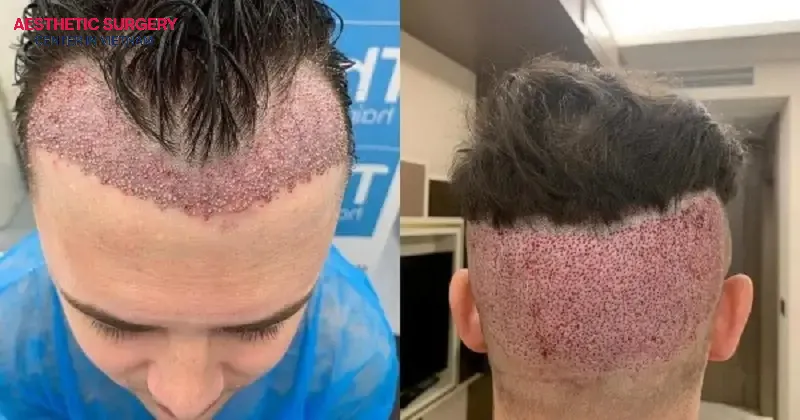
Duration of the post-transplant shedding phase
The hair transplant shedding phase usually begins around the second to fourth week and continues until about the second month after surgery. During this period, many old hair shafts will fall out, but the hair follicles remain safely rooted deep beneath the scalp.
This condition usually ends around the third to fourth month. A new growth cycle then begins, allowing new hairs to emerge and gradually develop into thicker, stronger hair that can provide long-lasting results.
Signs to watch for and important considerations
During recovery, it is very important to distinguish between normal physiological hair shedding and hair loss caused by complications. This can help you feel less worried and take timely action to protect your hair transplant results.
Normal signs of the shedding process
If you experience the following signs between the second and eighth week, there is usually no need to worry because they are part of the body’s natural renewal process:
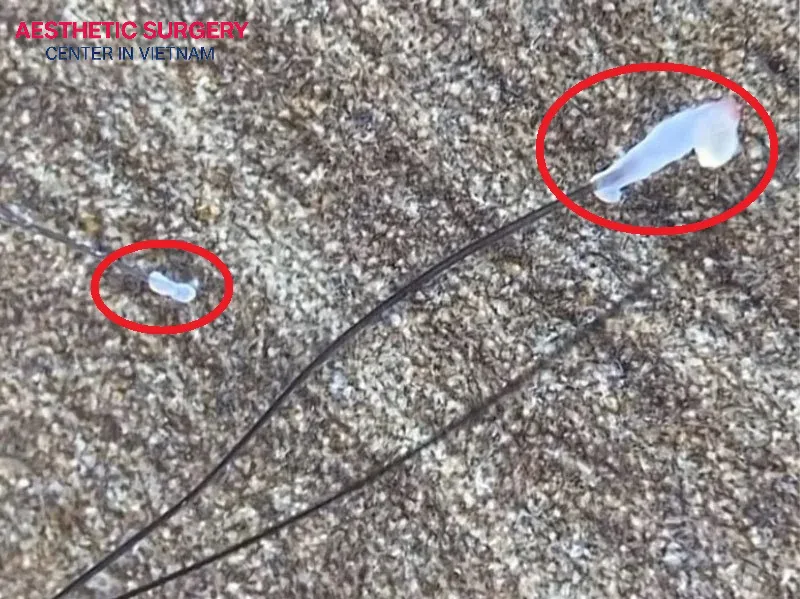
- Shed hairs with a white spot at the root: Many people become worried when they see a small white spot attached to a shed hair. In fact, this is usually keratin or dead skin cells surrounding the hair shaft. The actual hair follicle remains firmly rooted deep beneath the scalp.
- Scattered shedding in both the transplanted and donor areas: Hair may temporarily become thinner in both the transplanted area and the donor area due to local tissue shock.
- The scalp feels comfortable and heals well: Scabs around the transplanted areas gradually fall off naturally without swelling, pain, tightness, or bleeding.
When to contact a specialist
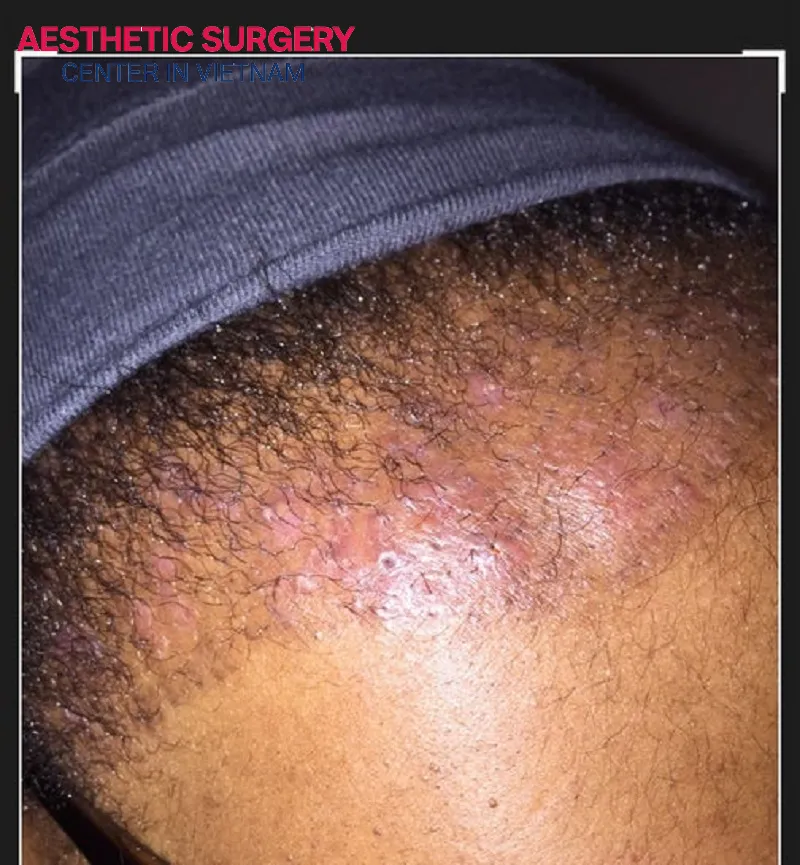
Although the hair transplant shedding phase is a normal part of recovery, you should contact a specialist immediately if you notice any of the following unusual signs:
- Signs of infection: The transplanted area becomes red and swollen, has persistent pain, severe itching, pus-filled bumps, or yellow discharge.
- Loss of the actual hair follicle: Shed hair is accompanied by fresh blood or a small piece of tissue. This may indicate that the hair follicle was dislodged before it could firmly take root. It is often caused by scratching, rubbing, or strong impact.
- Abnormally prolonged shedding: Hair shedding continues beyond the third month, and there are still no signs of small new hairs emerging by the fourth month.
Effective hair care during the shedding phase
During the hair transplant shedding phase, you need to carefully care for and protect your scalp. This helps sensitive hair follicles stabilize more quickly and supports the growth of healthier, thicker new hair.
Adhering to post-operative care instructions
During the first few weeks, the hair follicles are still taking root and the scalp remains quite sensitive. Therefore, you should strictly follow your specialist’s instructions:
- Only use a gentle, specialized shampoo as prescribed.
- Wash your hair with cool water and massage very gently with your fingertips. Never scratch the scalp with your fingernails.
- Avoid direct sunlight and wear a wide-brimmed hat when going outside.
- Avoid high-heat hair dryers, perming, dyeing, or using any styling chemicals for at least the first month to prevent damage to the newly transplanted hair follicles.
Maintaining a healthy lifestyle and diet
Nutrition and daily habits play an important role in the hair transplant recovery process and the quality of new hair growth. To provide enough nutrients for the hair follicles, you should maintain the following habits:
- Increase protein and iron intake: Add foods such as lean red meat, poultry, eggs, beans, and dark leafy green vegetables to support keratin production and healthy hair growth.
- Add vitamins and minerals: Zinc, biotin, vitamins A, C, and E, and omega-3 are found in foods such as salmon, nuts, avocados, and citrus fruits. These nutrients can support antioxidant activity and blood circulation to the hair follicles.
- Stay well hydrated: Drink about 2–2.5 liters of water per day to support metabolism and keep the scalp hydrated, creating a favorable environment for hair follicle growth.
- Get enough sleep and avoid stress: Staying up late and prolonged stress can increase cortisol levels and interfere with hair growth. Aim for 7–8 hours of sleep each night and try to stay relaxed.
- Avoid stimulants: Completely avoid alcohol after hair transplant and cigarettes and limit caffeinated drinks throughout the postoperative period. This helps prevent blood vessel constriction and reduces oxygen and nutrient supply to the hair follicles.

What happens after the shedding phase ends?
After the hair transplant shedding phase ends, usually around the third to fourth month, the hair follicles rooted beneath the scalp officially enter a new growth cycle. At this point, you will begin to notice small new hairs emerging.
At first, the new hair may be thin, fine, and light in color. However, it will gradually become thicker, stronger, and darker over the following months. This growth process continues steadily and becomes most noticeable around the sixth month. The final and most natural-looking hair transplant results usually appear around 9 to 12 months after surgery.
The hair transplant shedding phase may cause concern at first, but it is actually a positive sign that the hair follicles are preparing for new growth. You only need to stay relaxed, be patient, and follow your doctor’s care instructions. Your hair will gradually become thicker, stronger, and naturally beautiful with long-lasting results.
>>> See more: Hair transplant clinic in Ho Chi Minh city Vietnam











Comment on the post