


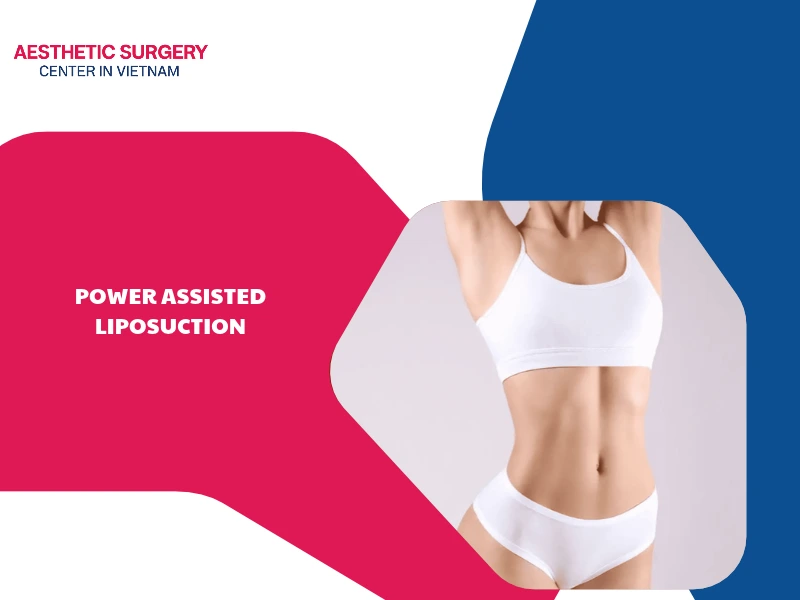
Power assisted liposuction is one of the premier solutions for fat removal and body contouring, highly regarded by aesthetic specialists. By utilizing automated vibrating micro-movements at the cannula tip, this method allows for the precise removal of large volumes of excess fat, minimizes invasiveness, and significantly reduces post-operative swelling and bruising. This article will help you gain a deeper understanding of this advanced procedure.
What is power assisted liposuction (PAL)?
Power assisted liposuction applies an automated oscillating mechanism to enhance procedural precision and patient safety. To understand why this technique has become increasingly preferred, let us examine its mechanism of action and how PAL distinguishes itself from traditional techniques:
How does power assisted liposuction work?
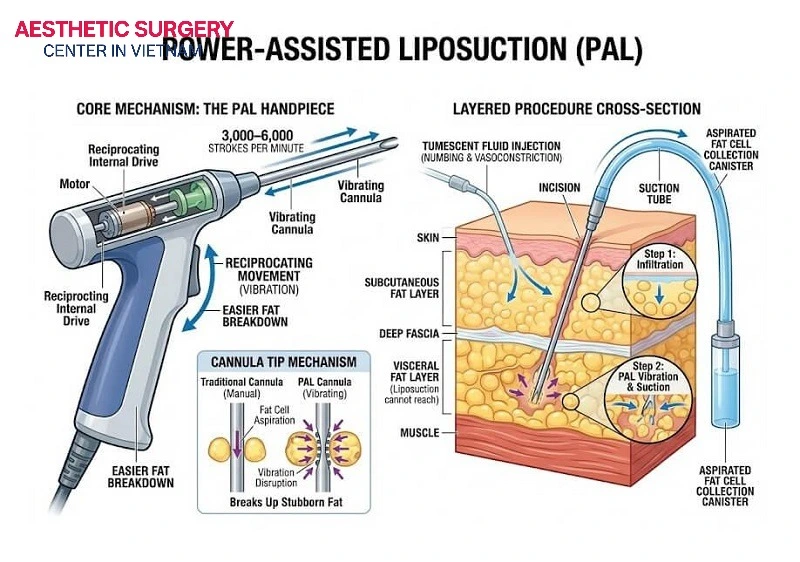
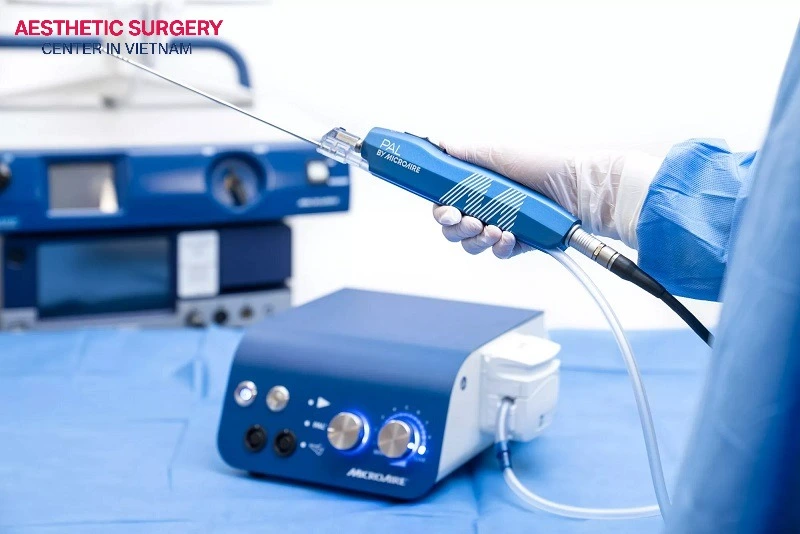
PAL technology employs a specialized motorized cannula capable of high-frequency, reciprocating micro-movements oscillating thousands of times per minute. With an amplitude of only a few millimeters, these back-and-forth vibrations gently separate and loosen the bonds between fat cells without generating heat.
Consequently, excess fat is emulsified and easily extracted via vacuum pressure while maximizing the preservation of surrounding connective tissues, nerves, and microvascular networks around the treatment site.
Comparing PAL and traditional liposuction
Unlike traditional liposuction, which requires the surgeon to apply substantial manual force to push the cannula back and forth—causing considerable friction and tissue trauma—the power-assisted vibrating mechanism of PAL ensures the dissection is significantly smoother and more uniform.
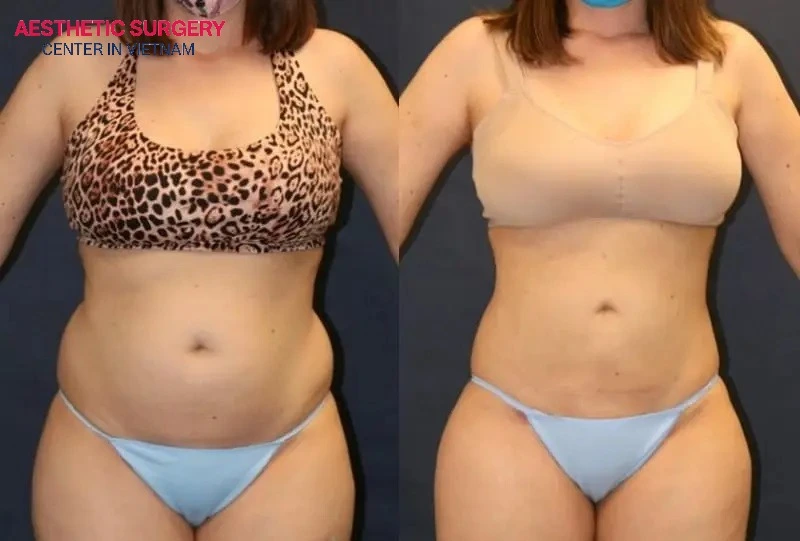
This major advancement not only shortens operating times but also diminishes post-operative pain, edema, and bruising. In particular, PAL provides superior control over skin smoothness, greatly reducing the risk of skin irregularities, contour deformities, or the “orange peel” appearance frequently encountered with conventional methods.
What are the benefits of power assisted liposuction?
By incorporating a smart, mechanically powered vibrating tip, power assisted liposuction delivers a significant leap forward in both aesthetic outcomes and clinical experience:
Higher precision and smoother results
The micro-vibrations allow surgeons to guide the cannula with pinpoint accuracy through both superficial and deep adipose layers without disrupting surrounding tissue architecture. As a result, excess fat is removed uniformly across the target area, preventing contour irregularities, waviness, or lumps once fully healed.
Reduced surgeon fatigue and shorter procedure times
The automated motor relieves the surgeon of continuous physical strain, enabling sustained hand steadiness and heightened focus throughout the surgery. The accelerated fat emulsification process shortens overall procedure duration, thereby reducing the patient’s time under sedation or general anesthesia.
Less tissue trauma, swelling, and bruising for patients
Instead of avulsing tissue through sheer mechanical force, rhythmic vibrational pulses gently release fat cells, minimizing trauma to adjacent blood vessels and nerves. Intraoperative blood loss is tightly controlled, allowing swelling and ecchymosis to subside quickly and noticeably shortening post-operative liposuction recovery time.
Who is an ideal candidate for power assisted liposuction?
Power assisted liposuction is particularly well-suited for individuals meeting the following criteria:
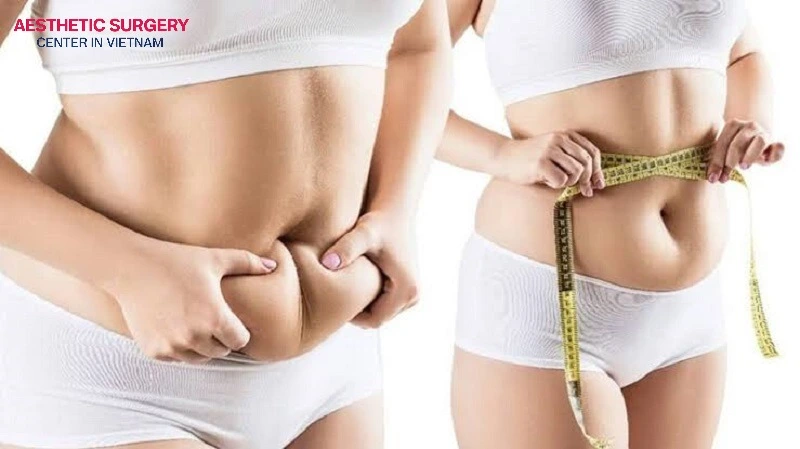
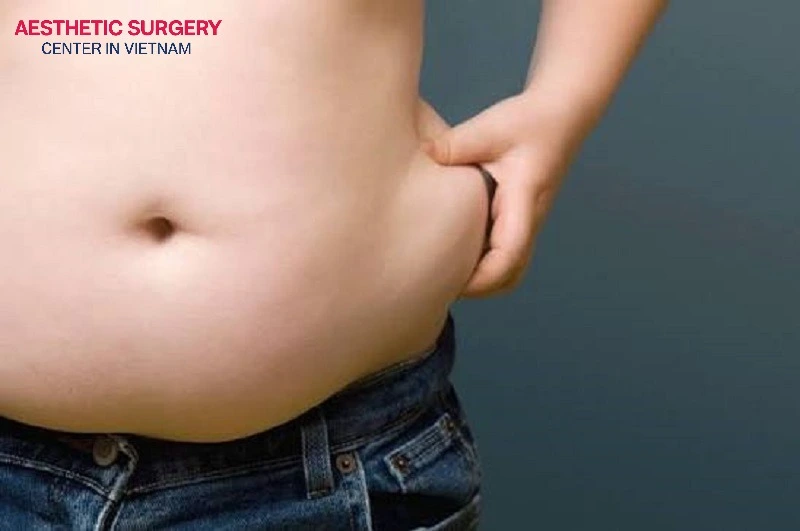
- Individuals with localized, diet-resistant fat: People near their ideal body weight who struggle with stubborn fat deposits in areas such as the abdomen, flanks, back, thigh liposuction, upper arms, or submental region (double chin) that do not respond to diet and exercise.
- Patients with dense, fibrous tissue or previous interventions: Ideal for thick fat deposits or secondary revision cases requiring smoothing of irregular contours from prior procedures.
- Relatively good skin elasticity: Skin that can naturally contract over the newly reduced volume without severe sagging or advanced striae.
- Stable overall health: Absence of unmanaged chronic conditions such as severe diabetes, coagulopathies, or acute cardiovascular disease, alongside realistic expectations regarding body contouring outcomes.
What is the step-by-step procedure for power assisted liposuction?
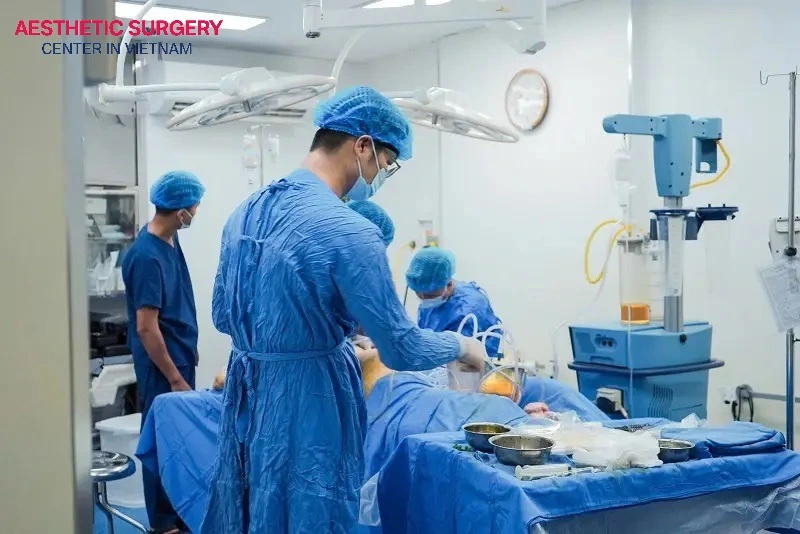
To ensure optimal contouring and mitigate clinical risks, power assisted liposuction is always performed following strict protocols in an accredited, sterile operating room. Below are the key stages from preparation to execution:
Consultation and pre-operative preparation
Initially, a specialist performs an in-person physical assessment, measuring fat pad thickness, assessing skin elasticity, and understanding patient expectations to establish an individualized plan. The patient completes routine laboratory and diagnostic tests to verify medical clearance. Once cleared, the surgeon measures and marks the precise treatment zones and disinfects the surgical field before transferring the patient to the operating room.
Surgical steps of power assisted liposuction
- Step 1 – Anesthesia induction: Depending on the surface area being treated, the anesthesiologist administers local anesthesia, twilight sedation, or general anesthesia to ensure complete comfort throughout the procedure.
- Step 2 – Tumescent infiltration: The surgeon places tiny, discrete incisions within natural skin folds and infuses a specialized tumescent solution composed of physiological saline, lidocaine, and epinephrine to provide localized numbness, constrict microvessels, and minimize blood loss.
- Step 3 – Power-assisted fat dissection and aspiration (PAL): The specialized vibrating cannula is introduced through the incisions. High-frequency reciprocating motions gently loosen fat cell junctions without thermal energy or rough force; the liberated fat emulsion is simultaneously aspirated through a closed negative-pressure vacuum system.
- Step 4 – Incision closure and garment fitting: The surgical team cleanses the treated area, closes the tiny incisions using fine aesthetic sutures, and places the patient in a tailored compression garment to immediately stabilize the newly sculpted contours.
How long is the recovery time after power assisted liposuction?
Due to the gentle vibration mechanism that limits tissue trauma, recovery after power assisted liposuction is generally smoother and considerably faster than conventional techniques. Below is a typical timeline from early post-op to final results:
Immediate post-operative phase and early care
During the first 48 to 72 hours, the treated areas may feel mildly sore and tender, accompanied by minor swelling and slight drainage of residual tumescent fluid through incision points. These symptoms improve significantly after 5 to 7 days. Patients can usually walk comfortably within 24 hours and resume sedentary desk work after 3 to 5 days of rest, while wearing a medical compression garment 24/7 to support tissue remodeling.
Long-term recovery timeline and final results
By 2 to 4 weeks, most bruising and initial tightness subside, permitting a gradual return to light exercise. However, complete resolution of deep residual edema, tissue re-adherence, and full definition of the sculpted contours generally require 3 to 6 months, depending on individual healing rates and adherence to aftercare guidelines.
How much does power assisted liposuction cost?
The cost of power assisted liposuction typically ranges from 30 to 90 million VND per anatomical zone (such as upper abdomen, lower abdomen, flanks, or thighs) and can be higher for comprehensive multi-zone procedures. The total cost depends directly on the volume of adipose tissue removed, the presence of fibrous tissue, the facility’s clinical standard, and the surgeon’s expertise.
Frequently asked questions about power assisted liposuction
Is power assisted liposuction safe?
PAL is FDA-cleared and provides superior risk mitigation due to its non-thermal mechanical reciprocating motion, which entirely eliminates the risk of skin burns associated with ultrasound- or laser-assisted devices. The controlled micro-oscillations also preserve surrounding vasculature, nerves, and adjacent structures, significantly reducing blood loss and seroma formation.
Are the results of power assisted liposuction permanent?
Fat cells mechanically detached and evacuated during surgery are permanently removed, they do not regenerate in the treated area. However, remaining fat cells can still expand in size with caloric surplus. Maintaining a balanced diet and regular physical activity is essential to preserve long-term body contours.
Which areas of the body can be treated with PAL?
Power assisted liposuction is versatile, effectively handling large surface areas—such as the full abdomen, waist, back, and thighs—as well as delicate regions requiring high precision, including the upper arms, calves, and submental zone. Due to its superior ability to disrupt dense, fibrous tissues, PAL is also widely favored for treating male gynecomastia.
Power assisted liposuction provides a smooth, vibration-assisted mechanism that gently removes stubborn adipose tissue, preserves smooth skin contours, and substantially reduces downtime. Consulting with board-certified plastic surgeons at accredited facilities will ensure you achieve a refined, well-proportioned figure safely and predictably.
>>> See more: Does insurance cover liposuction?









Comment on the post