



In addition to your aesthetic results, you must pay close attention to your body’s physiological responses throughout the post-operative recovery phase, particularly the accumulation of tissue fluid. Therefore, recognizing the precise liposuction seroma symptoms is essential to intervene at the right time and shorten your recovery process. This article details these symptoms for your safety.
Important recovery guidelines following seroma complications after liposuction
A seroma after liposuction is an accumulation of serous fluid in the dead space created beneath the skin. Once addressed by your surgeon, the liposuction recovery time phase focuses on facilitating rapid adherence of the empty space, preventing recurrences, and minimizing tissue fibrosis. Consider the following crucial recovery tips:
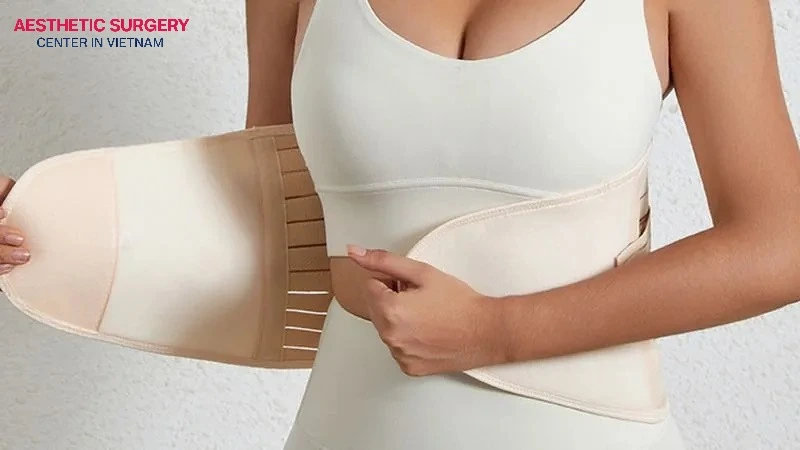
- Adhere to wearing compression garments 24/7: Maintain continuous compression on the dead space beneath the skin to press tissue layers together and prevent recurrent fluid pooling.
- Do not self-treat at home: Avoid applying direct heat, ice packs, or using needles to drain the fluid yourself. All drainage and aspiration procedures must be performed by a specialist in a sterile medical environment.
- Stay hydrated and reduce salt intake: Cut down on dietary sodium to limit tissue water retention, and drink 1.5–2 liters of water daily to support lymphatic clearance.
- Prioritize protein-rich foods and vitamin C: Increase your intake of lean meat, beans, salmon, leafy greens, and citrus fruits to promote collagen synthesis and accelerate wound healing.
- Engage in light movement and avoid strain: Walk gently to encourage blood circulation and lymphatic drainage. Avoid heavy lifting, strenuous workouts, or bending over in ways that put pressure on the treated area.
- Maintain wound hygiene at incision and aspiration sites: Change dressings and sanitize the area using prescribed antiseptic solutions. Keep the site dry and clean to prevent secondary bacterial infection.
- Seek medical attention promptly upon warning signs: Contact your surgeon immediately if you experience escalating pain, intense swelling, redness, fever, or fluid leakage that is foul-smelling or cloudy.
>>> See more: What foods to avoid after liposuction?
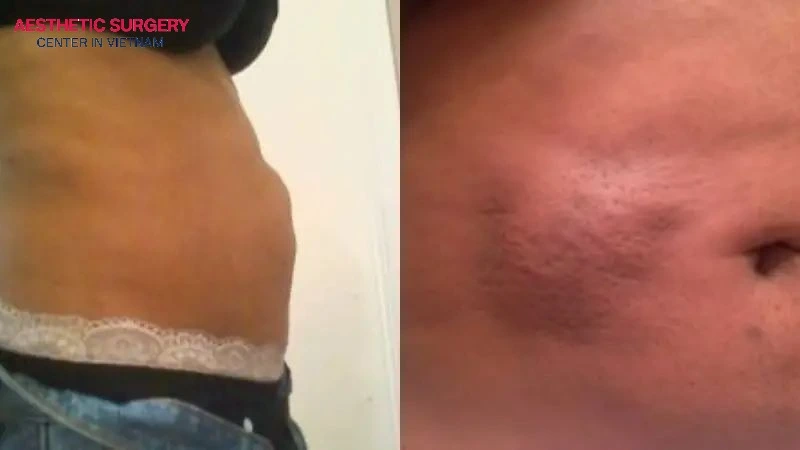
5 Common liposuction seroma symptoms to monitor
To manage issues proactively and prevent complications, monitor these 5 typical liposuction seroma symptoms closely:
Persistent localized swelling
Typical post-surgical edema naturally and steadily subsides after the first 1 to 2 weeks. If you notice a specific area remains abnormally swollen, taut, firm, and shows no sign of diminishing, it often indicates fluid accumulation within the subcutaneous dead space.
Sensation of fluid shifting internally
The hallmark sign of a seroma is a fluid-wave phenomenon directly beneath the skin. When pressing gently or moving around, you may clearly feel liquid sloshing or shifting like gentle waves inside the liposuction pocket.
Clear or pale yellow fluid leakage
At incisions that have not completely sealed, you may observe fluid continually weeping through the dressing. If the discharge is straw-colored, clear, or light pink and odorless, it is serous fluid leaking out due to elevated internal hydrostatic pressure.
Skin changes and persistent discomfort
Prolonged fluid accumulation increases tissue pressure, making the overlying skin look taut, glossy, slightly flushed, and warmer to the touch than adjacent tissues. This is typically accompanied by a prolonged dull, throbbing ache or stinging sensation rather than the normal mild tenderness of healing.
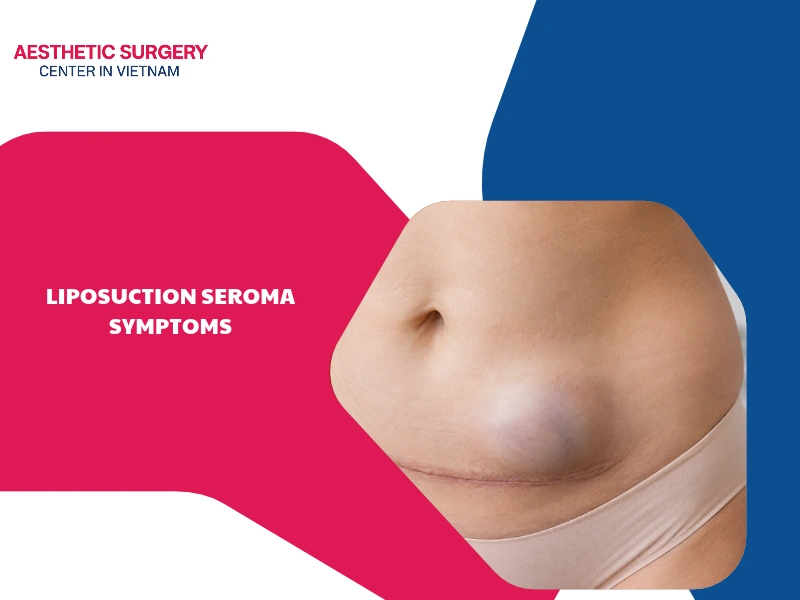
Noticeable bulging near the surgical site
You can often see a distinct, soft bulge or protruding pocket interrupting your body’s smooth contours. This localized swelling after liposuction breaks the smooth results of your procedure and is most noticeable right after removing your compression garment.
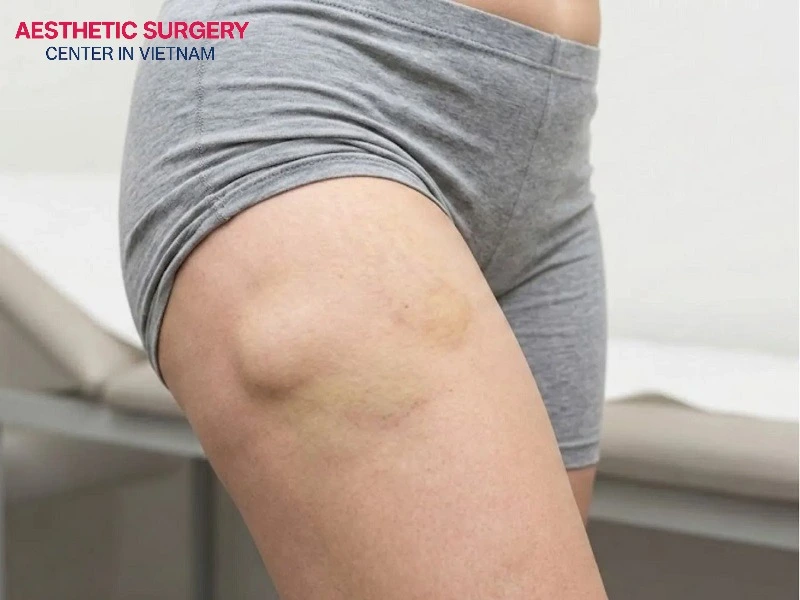
What causes seroma after liposuction?
Serous fluid pooling following liposuction typically stems from surgical trauma, tissue disruption, and related clinical factors. Understanding these causes helps you take effective preventive measures:
Surgical trauma and tissue disruption
The back-and-forth motion of the cannula disrupts small blood vessels and lymphatic channels as it removes adipose tissue. Once the fat volume is evacuated, the resulting dead space allows inflammatory exudate and blood serum to pool faster than the lymphatic system can naturally resorb it.
Individual patient risk factors
Seroma susceptibility also depends on individual factors such as obesity or pre-existing medical conditions that increase vascular permeability. Additionally, non-compliance with compression garments, premature strenuous exercise, or large-volume fat extraction in a single anatomical zone significantly increases the risk.

When to treat a seroma and management protocols
The timing and method of intervention depend on the volume of fluid accumulated, internal tension, and the risk of infection. Depending on your clinical presentation, surgeons typically implement conservative to invasive protocols:
Conservative management and compression therapy
This approach applies to small seroma pockets that do not cause severe pain or excessive tension. The surgeon adjusts your compression garment or applies specialized pressure wraps to provide continuous pressure, closing the subcutaneous dead space and allowing the lymphatic system to naturally resorb the excess fluid.
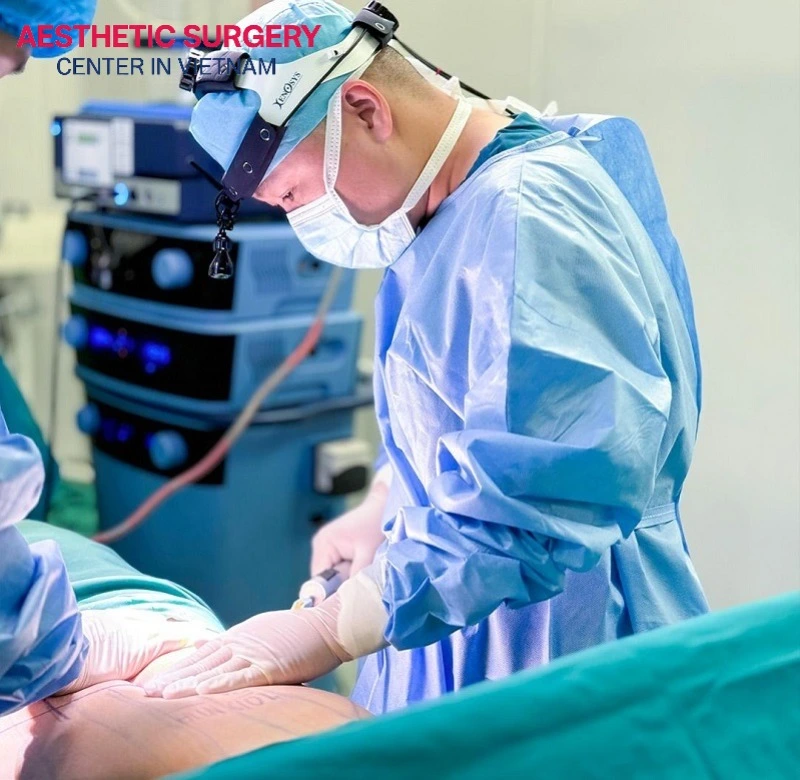
Needle aspiration (medical procedure)
When fluid collections form a distinct, sizable pocket, the surgeon performs an in-office needle aspiration using a sterile fine-gauge needle. This minimally invasive procedure quickly relieves pressure and pain. Following complete fluid evacuation, the area is sanitized and tightly compressed to prevent fluid from reforming.
Surgical intervention for complex cases
For chronic, recalcitrant seromas that have developed a thick fibrous capsule (pseudobursa) or show signs of secondary infection with abscess formation, surgical intervention is necessary. The surgeon reopens the incision to excise the fibrous capsule, debride the infected tissue, place an active closed-suction drain, and approximate the dead space to restore a smooth skin surface.
Frequently asked questions about seromas
How soon after surgery do liposuction seroma symptoms appear?
Liposuction seroma symptoms usually become most evident between post-operative days 7 and 14, particularly after surgical drains are removed or when patients decrease the wear time of their compression garments.
How do you differentiate a seroma from normal post-operative swelling?
Normal surgical edema is diffuse, symmetric, and gradually decreases over time. A seroma presents as a localized, soft, fluctuant pocket that exhibits a distinct fluid-wave sensation when palpated.
When should you contact your plastic surgeon immediately?
Contact your surgeon right away if you develop rapidly expanding swelling, severe pain, localized skin redness and warmth accompanied by fever, or wound drainage that becomes cloudy and foul-smelling.
A seroma is manageable when identified and treated properly in its early stages. Monitoring for liposuction seroma symptoms and adhering strictly to post-operative guidelines will help ensure your recovery remains smooth and results in the toned, refined contours you desire. If you experience any suspicious symptoms, consult your surgical team promptly for safe evaluation and targeted treatment.
>>> See more: What are common side effects during liposuction recovery?














Comment on the post