


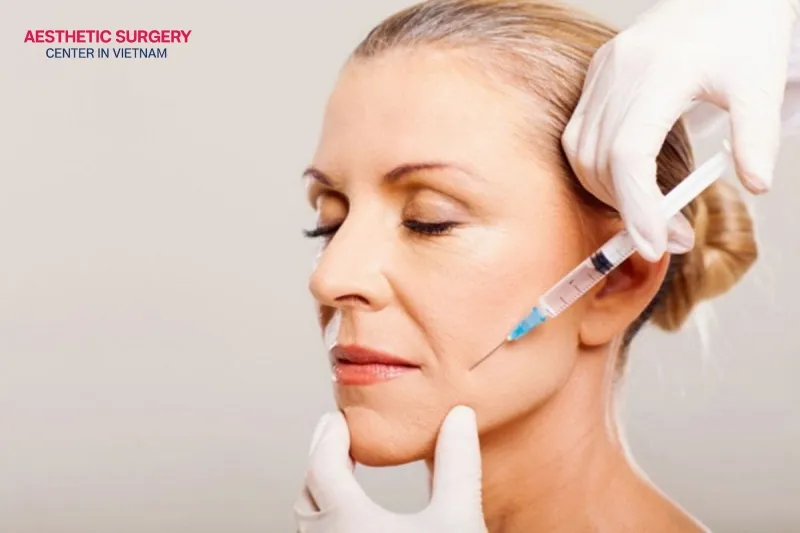
After botox injections, proper aftercare plays an important role. One common question many clients ask is: “Can you drink alcohol after botox and what happens if you do?” Although a cocktail may sound tempting, alcohol can directly affect the recovery process. Let’s explore this topic in the article below.
Can you drink alcohol after botox?
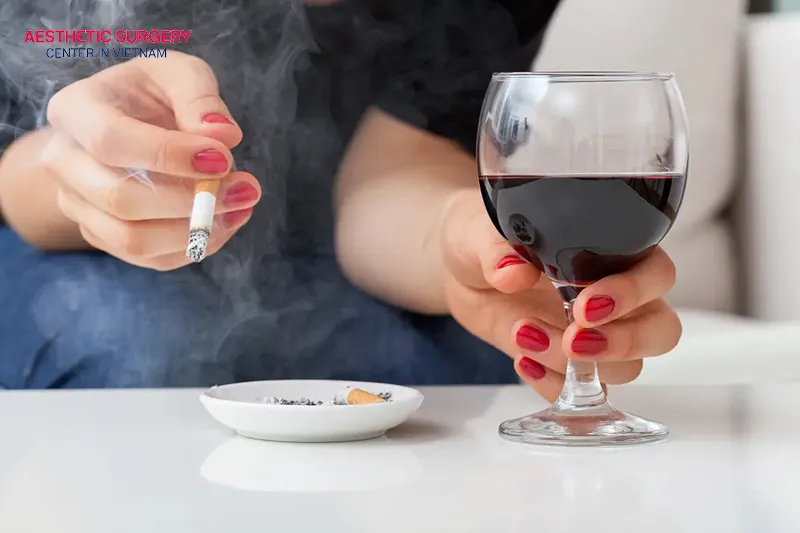
The answer is no. Alcohol does not neutralize Botulinum toxin, but it can negatively affect the healing process. It may increase the risk of swelling and bruising, prolong recovery time, thin the blood, cause skin dehydration, and slow down healing.
In addition, drinking alcohol after botox may accidentally cause the toxin to spread to nearby muscles if you rub or massage your face while feeling excited or sleepy. This may lead to unwanted side effects such as uneven facial muscles or droopy eye after botox.
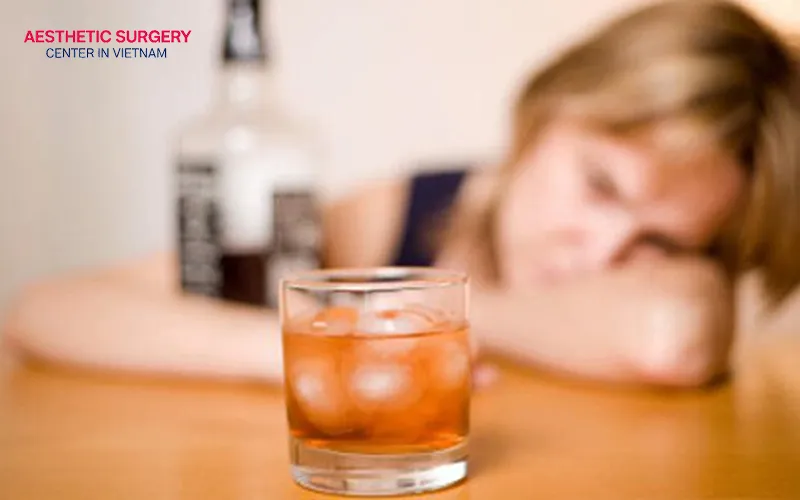
Why you should avoid alcohol after botox?
After botox injections, avoiding alcohol is not just common advice but an important aftercare rule. Alcohol interferes with the body’s natural healing process and can make inflammatory reactions more complicated.
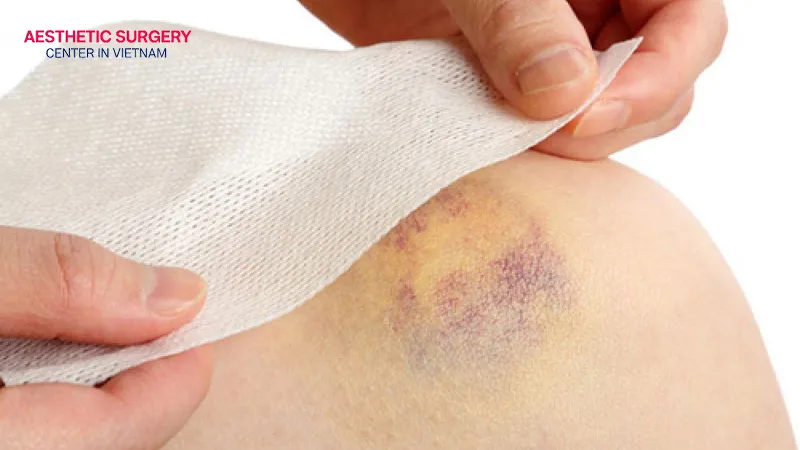
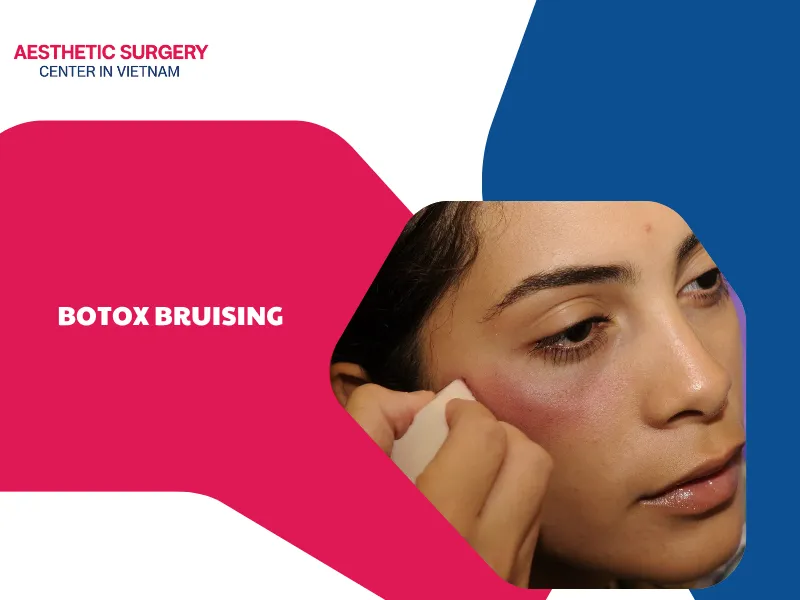
Increased bruising and swelling
Alcohol is a systemic vasodilator. It causes blood vessels to expand and significantly increases blood flow to the surface of the skin. When the capillaries at the injection site are still sensitive, this increase in blood pressure can easily lead to leakage from the vessels, creating visible bruising.
Higher risk of swelling
Besides causing vasodilation, alcohol can also lead to fluid retention in body tissues, which results in localized swelling. After botox injections, the skin around the injection point already has a mild inflammatory response as part of the healing process. Consuming alcohol can worsen swelling, making the face appear heavier and less naturally defined.
Slower healing process
Cell recovery requires an environment rich in moisture and nutrients, but alcohol is a strong dehydrating agent. When the body becomes dehydrated, the regeneration ability at the tiny needle puncture points is reduced, causing these small wounds to take longer to close.
This not only extends the recovery time but also slows the stabilization process of botulinum toxin within the muscles.
Potential for poor results
The primary goal of using botox for wrinkles is to relax specific muscle groups to soften facial lines with precision. However, alcohol may alter muscle sensitivity and affect how the body absorbs the active ingredient. In some cases, excessive inflammation or swelling caused by alcohol may distort the treated area, leading to results that are less refined and not as ideal as expected.
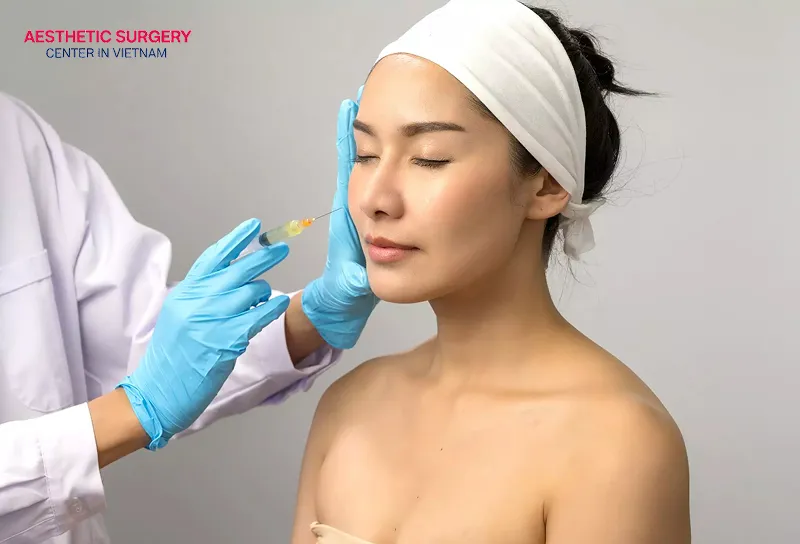
Increased risk of side effects
Drinking alcohol often causes drowsiness or reduced control of behavior. This may lead you to accidentally touch, scratch, or rub your face. This action is extremely risky because it may cause botox to spread to nearby muscle groups. As a result, serious botox side effects such as drooping eyelids or uneven eyebrows may occur, affecting both muscle function and aesthetic results.
What happens if you drink alcohol after botox?
Accidentally consuming alcohol right after leaving the aesthetic clinic may trigger a series of unwanted physiological reactions. These effects may not only appear immediately but can also influence the longevity of botox results over time.
Short-term consequences of botox and alcohol
Drinking alcohol immediately after the procedure may lead to several immediate physiological reactions, including:
- Widespread bruising: Alcohol dilates blood vessels and thins the blood. Small needle puncture points may bleed more under the skin, leading to darker and more widespread bruising.
- Increased swelling: Alcohol can cause fluid retention. This makes the injected area and nearby facial areas appear swollen and heavy, reducing the refined look right after treatment.
- Risk of botox migration: Being intoxicated or drowsy from alcohol may cause you to accidentally rub or press on your face while sleeping. This may cause botox to move to other muscle groups.
- Longer skin recovery time: Alcohol dehydrates the body. This slows the closure of small injection points and makes the skin more sensitive, which extends the recovery period.
- Difficulty monitoring complications: Symptoms such as facial flushing or dizziness caused by alcohol may hide or be mistaken for real allergic reactions to botox. This makes diagnosis and timely treatment more difficult.
Long-term implications of botox and alcohol
Besides immediate reactions, the combination of botox and alcohol may also silently affect how long the results last. These effects may not appear immediately but can influence your satisfaction after a few weeks or months.
- Shorter duration of results: Alcohol causes dehydration and increases metabolic activity. Wrinkles may appear again sooner, which means you may need your next botox injection earlier than the normal schedule.
- Loss of natural skin radiance: Due to the dehydrating effect of alcohol, the skin in the treated area may appear dull and less vibrant.
- Aesthetic distortion from muscle imbalance: If drinking alcohol leads to migration of the active ingredient in the first few days, the muscles may be suppressed unevenly. Over time, this may create facial asymmetry until the botox completely wears off.
- Reduced collagen production: Alcohol interferes with the body’s protein synthesis process. In the injected areas, reduced collagen may cause the skin to lose its natural elasticity.
- Higher long-term beauty costs: Because the effects may fade sooner and there may be a higher chance of needing corrective injections due to migration or swelling, the total cost of maintaining results may become significantly higher than the standard treatment process.
How long after botox can you drink alcohol?
The ideal time to drink alcohol again is after 24 to 48 hours following your botox treatment. This period is considered the “golden window” for the injection points on the skin to fully close and for the Botulinum Toxin to stabilize within the target muscle groups without migrating.
Waiting patiently also allows the vascular system to return to its normal state. At the same time, it helps minimize the risk of bruising or swelling, ensuring the most refined and long-lasting aesthetic results.
What to drink instead after botox?
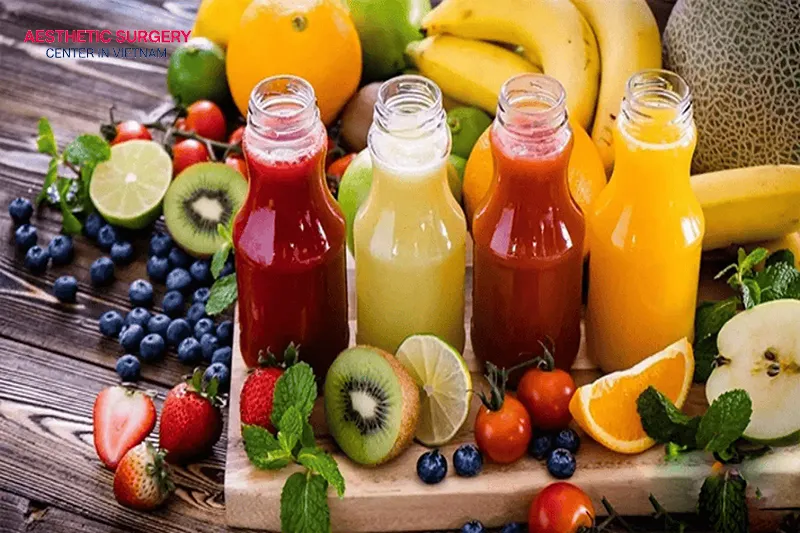
Instead of alcoholic beverages that cause vasodilation and dehydration, you should choose drinks that help soothe the body and support cellular recovery. Below are some ideal alternatives to protect your aesthetic results.
Water – The top priority for recovery
Water is the most important factor for maintaining cellular hydration and supporting the body’s natural metabolism. After botox injections, drinking about 2 to 2.5 liters of water per day helps keep the skin plump and supports stable blood circulation without putting pressure on blood vessels like alcoholic drinks.
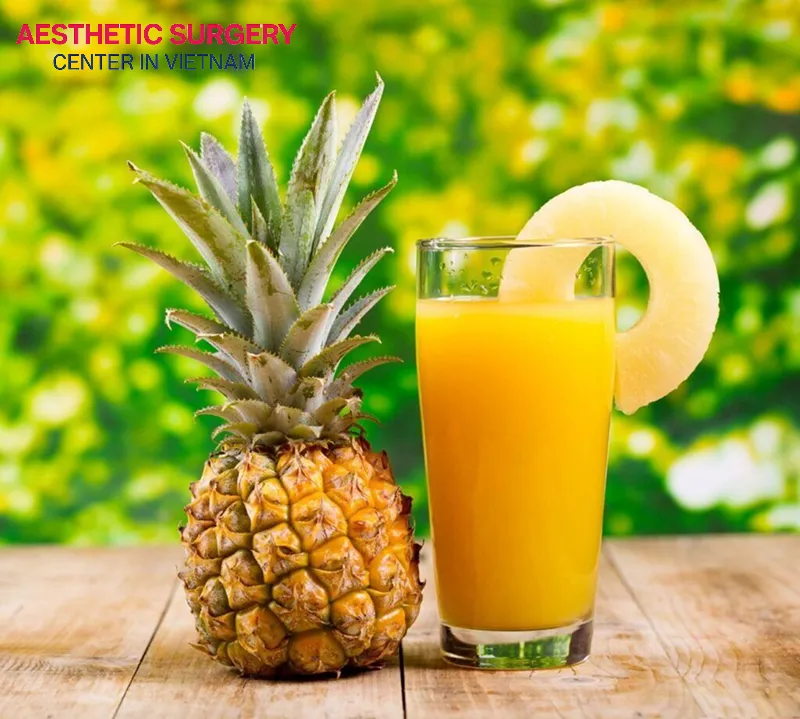
Pineapple juice – The “Enemy” of bruising
Pineapple contains a high amount of bromelain, a natural enzyme with strong anti-inflammatory properties. Drinking pineapple juice before and after filler or botox treatments can help reduce swelling and allow bruises to fade more quickly.
Fresh coconut water – Natural electrolyte balance
Coconut water is rich in natural electrolytes that help cleanse the body and maintain stable blood pressure. Unlike alcohol, which causes dehydration and vasodilation, coconut water helps soothe mild inflammatory responses from within. Its cooling and gentle properties help you feel relaxed while supporting the skin in maintaining good elasticity during the first days after injections.
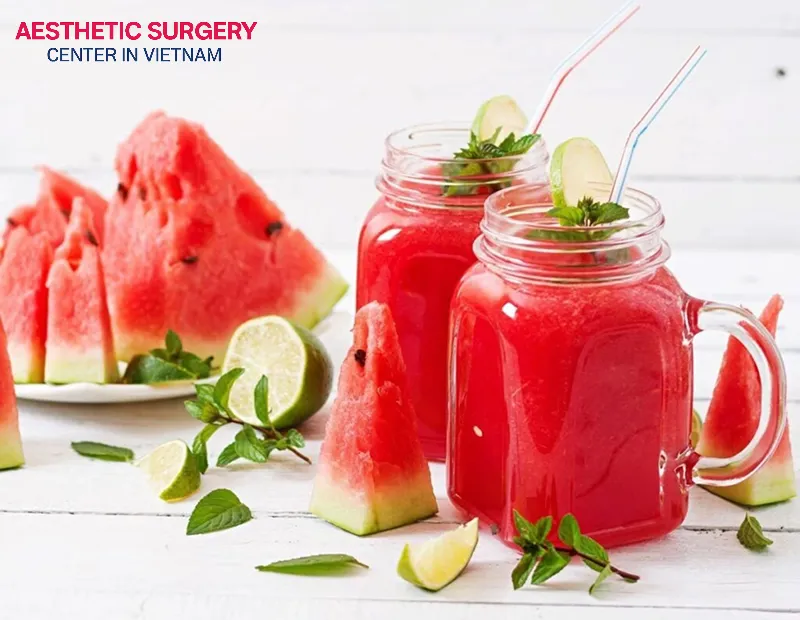
Watermelon juice – Hydration and skin soothing
Watermelon contains about 92% water and is rich in lycopene, a powerful antioxidant that helps protect skin cells. Drinking watermelon juice not only helps cool the body but also provides essential vitamins such as Vitamin A and Vitamin C. This supports tissue regeneration at the injection points, helping the skin surface become smoother and reducing the tingling sensation after the procedure.
Chamomile tea – Relax the nervous system
If you are looking for a relaxing alternative to an evening cocktail, chamomile tea is an ideal choice. This tea is caffeine-free and helps calm the nervous system while naturally reducing muscle tension. Keeping your mind relaxed and getting deep sleep after botox injections can help the body recover faster and prevent unintentional facial movements caused by stress.
Berry smoothies – Strengthen the immune system
Fruits such as strawberries, blueberries, and raspberries are rich in antioxidants and Vitamin C. These nutrients play an important role in boosting collagen production and strengthening blood vessel walls. Drinking a berry smoothie can help reduce the risk of under-skin bleeding at the injection sites while giving the face a brighter and more youthful appearance.
In summary, avoiding alcohol after botox for at least 24 to 48 hours is a wise decision to protect your aesthetic results. This short period of patience helps effectively prevent unnecessary bruising and swelling while ensuring the active ingredient delivers its full rejuvenating effect. Prioritize healthy foods and drinks to support your body so your appearance can stabilize and look radiant as soon as possible. Wishing you confidence with a fresh and beautiful look.










Comment on the post