


Following a breast enhancement procedure, many patients wonder: Can you fly after breast augmentation surgery, and will cabin pressure compromise or damage breast implants? In reality, flying safely is entirely achievable provided you allow sufficient recovery time and strictly follow medical protocols. This comprehensive guide answers these concerns and outlines vital recommendations to help you confidently prepare for your upcoming journey.
When is it safe to fly after breast augmentation?
Most board-certified plastic surgeons advise waiting at least 1 to 2 weeks following surgery before boarding a flight. During this critical early phase, your body demands maximal rest to reduce tissue edema, stabilize surgical incisions, and minimize the risk of blood clot formation caused by prolonged immobility.
Rest assured that changes in aircraft cabin pressure will not rupture, burst, or damage breast implants, contrary to common urban myths. However, deciding when it is truly safe to travel depends largely on individual healing kinetics as well as flight duration. You must avoid handling heavy luggage independently and obtain explicit medical clearance from your operating surgeon prior to finalizing travel plans.
Potential risks of flying too soon
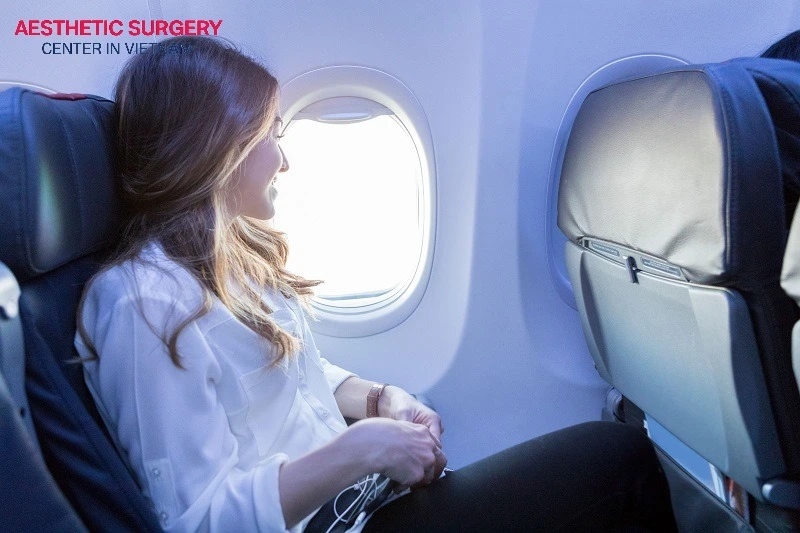
Although post-surgical air travel is feasible, flying before your body has adequately recuperated exposes your health to several significant risks. Consider the following complications if you intend to travel prematurely:
Risk of blood clots and deep vein thrombosis (dvt)
The most severe complication associated with flying shortly after major surgery is venous thromboembolism, particularly Deep Vein Thrombosis (DVT) in the lower extremities. Remaining sedentary in a cramped cabin seat for extended hours impedes venous return. Combined with the body’s natural post-surgical hypercoagulable state, this creates an environment prone to clot formation. If these emboli dislodge and migrate through the bloodstream to the pulmonary vasculature, they can cause a pulmonary embolism—a life-threatening respiratory emergency.
Cabin pressure fluctuations and compromised wound healing
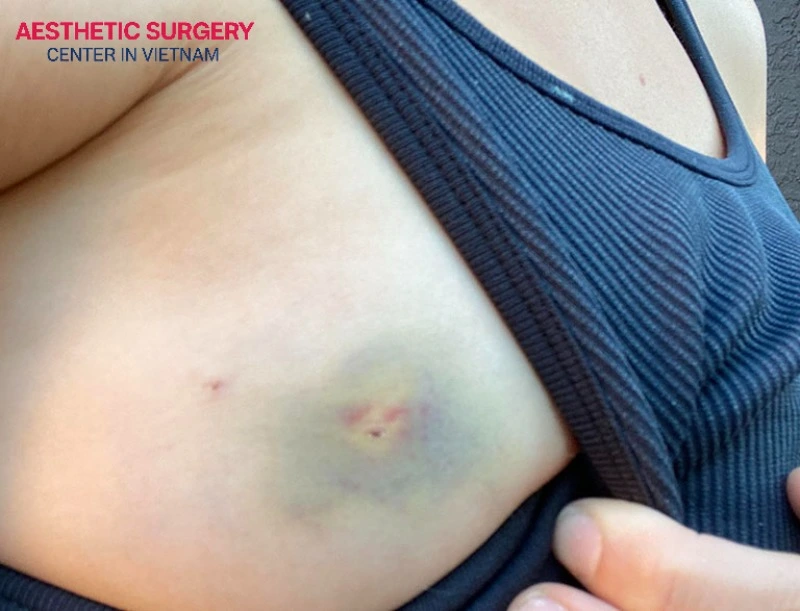
While cabin pressurization cannot compromise the structural integrity of breast implants, atmospheric fluctuations during climb and descent can exacerbate post-surgical edema. Pressure differentials place direct tension on delicate, recently dissected breast pockets and healing parenchymal tissues, inducing heightened tightness, soreness, and discomfort compared to ground level. Elevated swelling not only worsens inflight fatigue but also significantly retards tissue remodeling and natural pocket stabilization.
Hematoma and surgical site infection
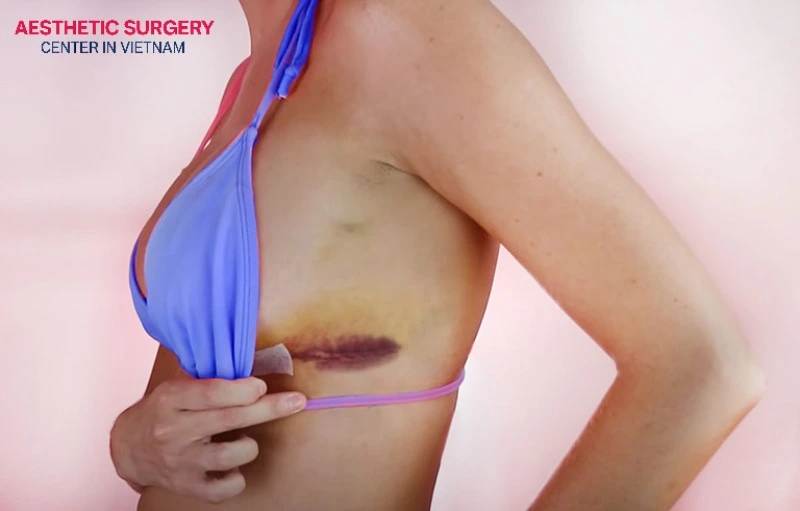
Navigating crowded airport terminals presents risks of accidental blunt trauma or bumping. Furthermore, lifting, pushing, or pulling heavy carry-on luggage exerts sudden stress on the pectoralis major muscles and adjacent incisions, substantially increasing the risk of wound dehiscence or acute internal bleeding (hematoma).
Additionally, the dry, recirculated airflow in a crowded cabin heightens exposure to airborne pathogens. While your immune system remains temporarily suppressed during the acute convalescent phase, open incisions are more susceptible to surgical site infections, which may necessitate emergency intervention abroad and jeopardize your aesthetic result.
Factors influencing your travel timeline
The appropriate window to safely travel by air varies from person to person, determined by individual biological breast augmentation recovery rates along with specific surgical and logistical variables:
Short-haul vs. long-haul flights
Flight duration plays a decisive role in defining post-operative risk profiles. For domestic or short-haul journeys (under 2 to 3 hours), travel may be permissible around the one-week mark if your primary recovery is progressing smoothly. In contrast, for medium- to long-haul international flights exceeding 5 hours, DVT risks rise substantially due to protracted immobility. Under these conditions, surgeons typically mandate waiting at least 2 to 3 weeks before departure.
Implant placement technique and pocket selection
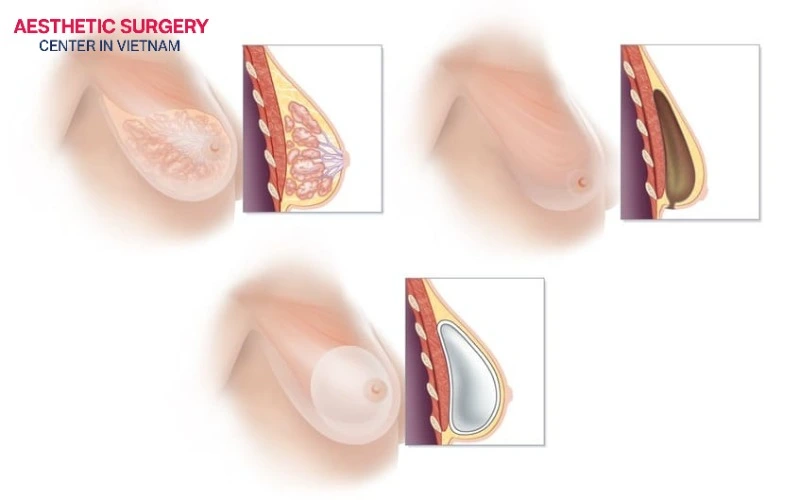
Your recovery timeline is intrinsically tied to surgical technique. Submuscular implant placement involves dissecting underneath the pectoral muscle, which causes greater tissue trauma, muscle spasms, and prolonged swelling compared to subglandular (over-the-muscle) placement. Consequently, submuscular patients require additional recovery downtime before boarding an aircraft.
Moreover, if your procedure involves concomitant mastopexy (breast lift) or particularly large implant volumes, the expanded incision lines and added tissue tension prolong the healing phase, requiring you to delay travel to safeguard aesthetic and functional outcomes.
Essential guidelines for a comfortable flight
Thorough preparation is indispensable to ensure an uneventful flight that will not compromise your surgical outcome. Keep these clinical guidelines in mind throughout your trip:
Medical clearance and necessary documentation
Before booking tickets, an in-person clinical assessment by your surgeon to verify adequate wound healing is non-negotiable. Request an official medical clearance letter or surgical summary from your physician to carry with you. These documents prove invaluable if urgent medical evaluation is required during transit or when navigating airport security screening, facilitating clearance for prescribed prescription analgesics and antibiotics.
Hydration and In-Flight Mobility
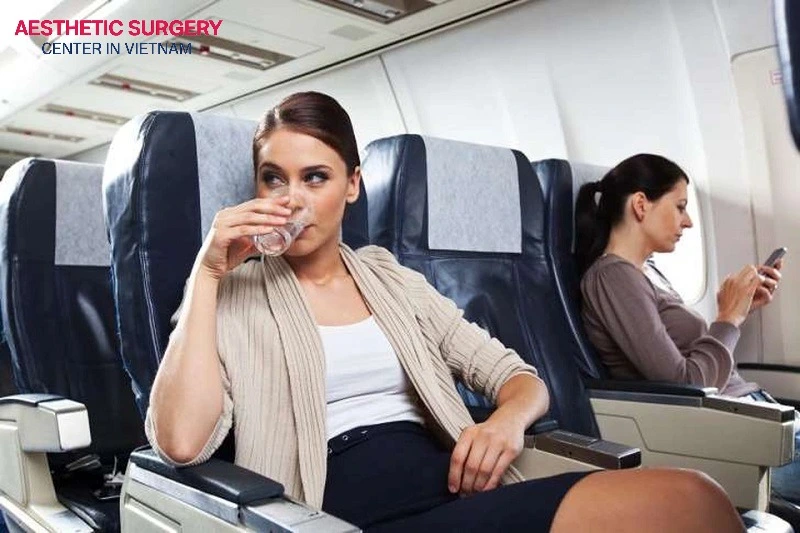
Cabin air exhibits very low relative humidity. Drink copious amounts of plain water throughout your journey to maintain systemic hydration, promote optimal microcirculation, and accelerate tissue repair while strictly avoiding alcohol and caffeinated beverages.
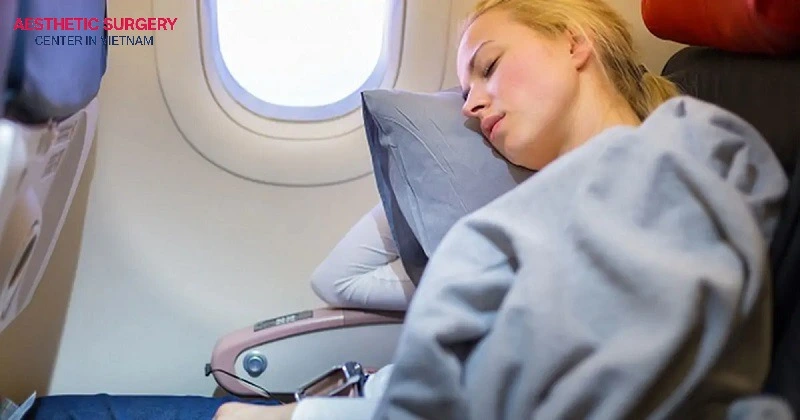
Crucially, to counter DVT formation, perform seated calf-muscle pumps and ankle rotations at regular intervals. Aim to stand up and walk down the cabin aisle every 1 to 2 hours to maintain active peripheral blood flow.
Wearing a post-surgical support bra and seat selection
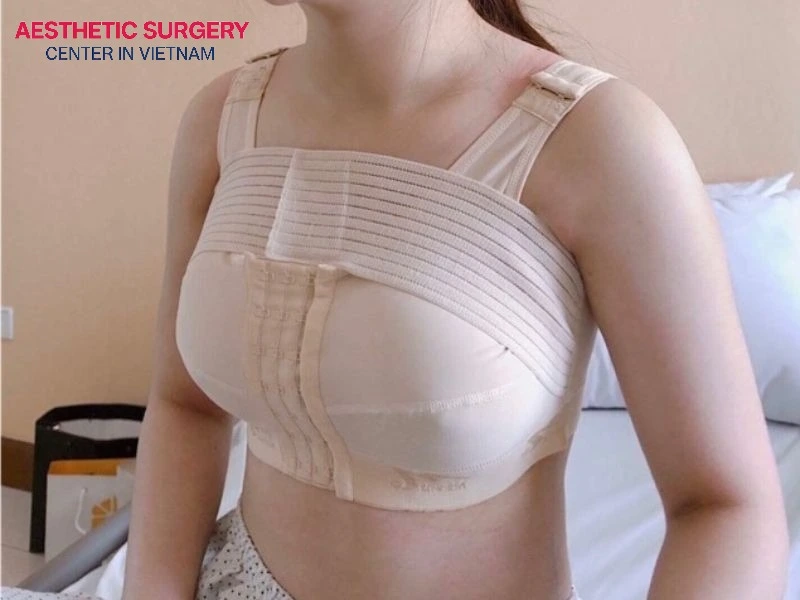
You must continuously wear a dedicated medical compression/support bra during the flight. This garment stabilizes implant positioning, minimizes shearing friction, and dampens mechanical impact during turbulence.
Whenever feasible, reserve an aisle seat to enjoy enhanced legroom and facilitate standing up to stretch or access the lavatory without contorting your torso or disturbing adjacent passengers. Always solicit assistance from airport porters or cabin crew to stow overhead luggage—never stretch overhead or carry heavy bags yourself.
Warning signs to monitor post-flight
Upon landing, your body requires adequate rest to acclimatize. Even after a seemingly smooth journey, vigilant observation of your breasts and systemic health over the ensuing days is essential for early identification of complications:
Symptoms demanding immediate emergency care
Never dismiss acute systemic symptoms. Seek immediate emergency medical care if you experience:
- Sudden onset of shortness of breath or dyspnea
- Sharp pleuritic chest pain
- Hemoptysis (coughing up blood)
- Tachycardia (unexplained rapid heart rate)
These represent pathognomonic warning signs of an acute pulmonary embolism requiring emergent intervention.
At the operative site, watch for sudden, unilateral swelling, pronounced tension or firmness, significant breast asymmetry, or persistent active bleeding and foul-smelling purulent discharge from the incisions. Sustained high fever accompanied by chills, escalating warmth, or spreading perimammary erythema signals severe acute hematoma or progressive infection requiring urgent clinical care.
Action plan in the event of complications
Should you detect any alarming signs, maintain composure: Avoid vigorous self-massage of the breasts and refrain from unprescribed medications or antibiotics. Contact your primary operating breast augmentation surgeon immediately to report precise symptoms and obtain initial clinical instructions.
If traveling internationally or if symptoms progress rapidly, alert travel companions, hotel staff, or call local emergency dispatch to proceed to the nearest accredited emergency department, protecting your health, safety, and aesthetic investment.
Can you fly after breast augmentation surgery? While air travel is entirely permissible, waiting approximately 1 to 2 weeks and obtaining professional clearance is vital to prevent preventable circulatory and surgical complications. Always consult your plastic surgeon before purchasing airline tickets to ensure your journey is safe, comfortable, and complication-free.
>>> See more: Breast augmentation questions









Comment on the post