



Can you lay down after botox? This is a common question for many individuals after undergoing skin rejuvenation treatments. Following proper aftercare instructions is an important factor in ensuring the best aesthetic results. Let’s explore the detailed answer so you can feel more confident while caring for your skin after botox injections.
Can you lay down after botox?
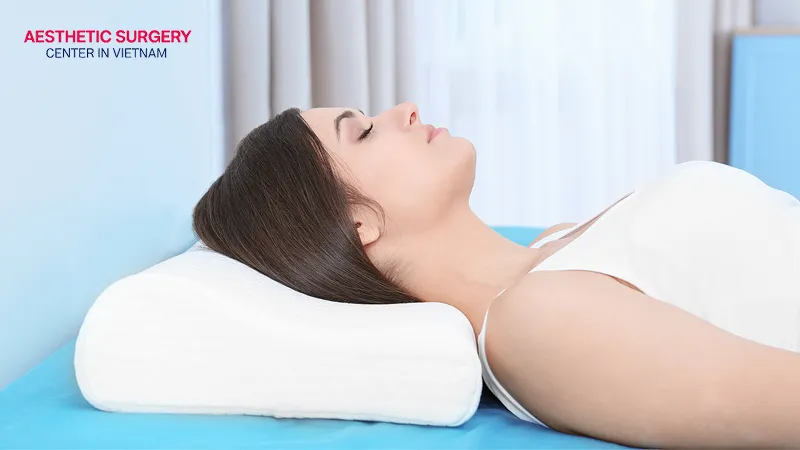
The short answer is that you should not lie down immediately after botox and should keep an upright position during the first few hours. Keeping your head higher than your heart helps ensure the product stays fixed in the targeted muscle groups, which helps optimize the aesthetic results.
Why can’t you lay down after botox?
Understanding why aesthetic experts recommend avoiding lying down right after treatment is the key to achieving optimal results. Lying down too soon can create unwanted physical effects on the product that has just been injected into the muscles.
Gravity and product distribution
Gravity plays an important role in keeping botulinum toxin in the correct target muscles. When you lie down, the direction of gravity changes. The product may spread to nearby areas before it fully settles into the muscle tissue.
This unwanted movement reduces the concentration of the product at the treatment site. As a result, the muscle may not relax completely and the wrinkle-smoothing effect may be reduced.
Uneven results
A balanced facial appearance requires precise distribution of the product at symmetrical injection points. If you lie on your side or stomach, uneven pressure and gravity can cause the botox to move more to one side.
This may lead to facial asymmetry or unnatural expressions. In some cases, wrinkles may only soften in certain areas, which directly affects the overall aesthetic result.
Potential complications
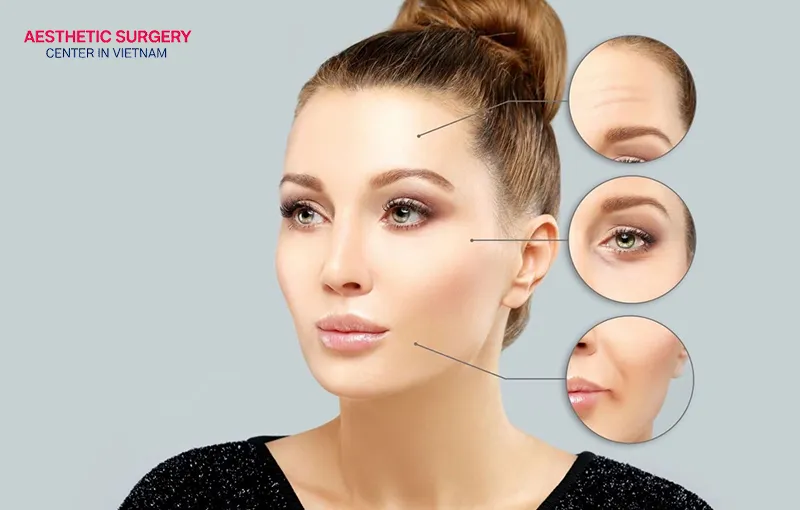
The biggest risk of lying down in the wrong position is medical complications related to toxin migration. When botox spreads to muscles that control eye movement or eyelid lifting, it may cause drooping eyelids, double vision, or unusually raised eyebrows.
These botox side effects not only affect appearance but may also impact visual function. However, they cannot be corrected immediately, and you may need to wait several months for the product to gradually wear off.
Pressure on treated areas
When lying down, the facial skin and soft tissues can easily come into direct contact with the pillow surface. This creates physical pressure on the injection points. The pressure may unintentionally push the product away from its original location before it fully settles.
In addition, friction between the face and the pillowcase can cause irritation. This may increase the risk of swelling or bruising at the injection sites and prolong the recovery process.
Altered blood flow
A horizontal position changes blood circulation and increases blood flow toward the head and face. Increased circulation in the treated area may cause the product to be absorbed or metabolized faster than expected, or push it away from the target area. This may shorten the duration of the aesthetic results and make the treated area more prone to swelling due to changes in blood vessel pressure.

How long after botox can you lie down?
In general, you should keep an upright position for at least 4 to 6 hours after botox injections. This is the “golden period” for botulinum toxin to begin settling and binding to nerve receptors in the target muscles without moving to nearby areas.
However, to ensure maximum safety and the best aesthetic results, experts often give more cautious recommendations:
- After 4 hours: You can start leaning back gently, but you should still keep your head elevated.
- After 24 hours: The muscle system is usually fully stable. You can lie down, sleep, and carry out normal activities without worrying about product migration.
What happens if you lie down too soon?
Lying down too soon may lead to unwanted effects on both appearance and health. Below are the most common issues that may occur:
- Product migration: This is the biggest risk. When gravity suddenly changes direction, botox may spread to nearby muscle groups instead of staying in the exact area where it was injected.
- Drooping eyelids or eyebrow changes: If botox is injected in the forehead or around the eyes and you lie down too soon, the product may spread to the muscles that lift the eyelids. This can cause drooping eyelids or change the shape of the eyebrows, making the face look tired or uneven.
- Reduced treatment effectiveness: When the product spreads too widely, the concentration at the target area may not be strong enough to fully relax the muscle. As a result, botox for wrinkles may not soften as expected.
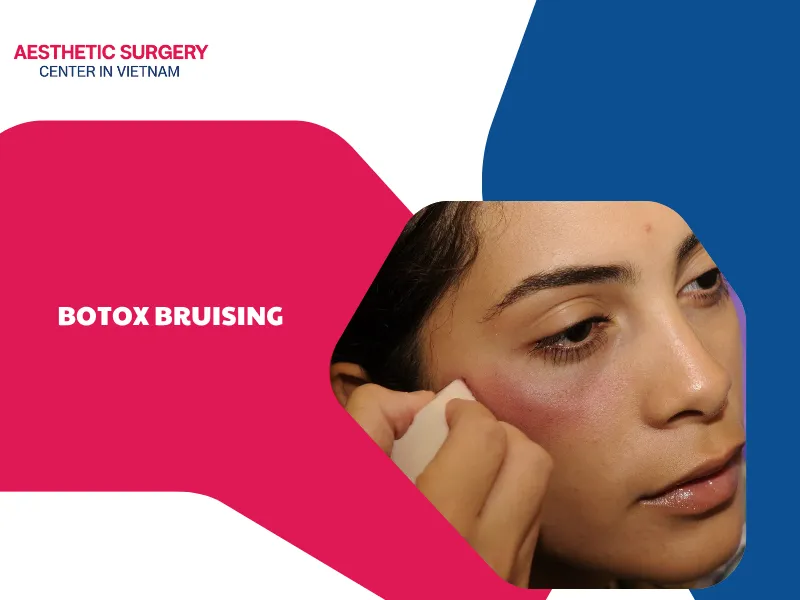
- Increased swelling and bruising: Lying horizontally increases blood flow to the face. Combined with pressure from the pillow, this may cause the injection sites to swell more or develop more noticeable bruising.

Can I sleep after botox?
After botox injections, sleep plays an important role in helping the body recover. However, sleeping position is a key factor that can affect the success of the treatment. Below are detailed guidelines to help you maintain safe sleep and protect your aesthetic results.
Sleep on your back
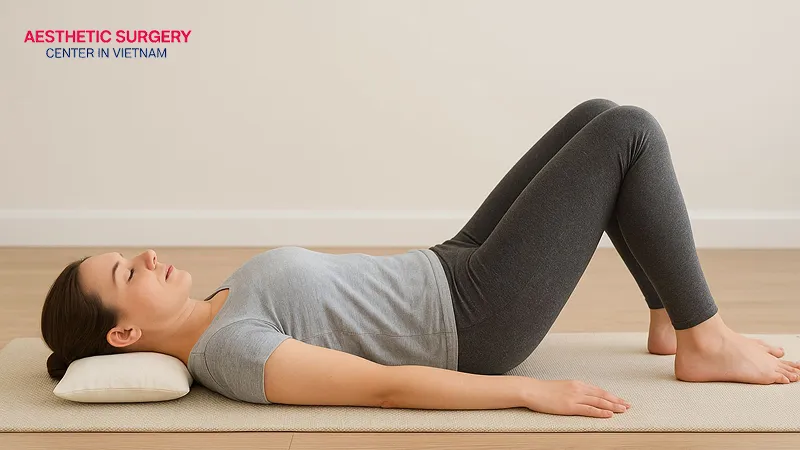
Sleeping on your back is the most ideal position and is strongly recommended by aesthetic experts for at least the first 24 hours after the injection. When you lie on your back, your face does not experience direct pressure from the pillow or mattress. This helps botox stay in the correct target muscles. To prevent turning during sleep, you can place extra pillows on both sides of your body or use a U-shaped pillow to keep your head in a stable central position.
Avoid sleeping on the treated areas
Accidentally sleeping on the treated areas, especially sleeping on your stomach, can cause serious effects on the aesthetic results. Physical pressure from the weight of your head against the pillow may push the product to nearby muscles before it fully settles into the tissue. This may lead to facial asymmetry and increase the risk of swelling or bruising.
Use a silk pillowcase
Although the main goal is to keep your face from touching the pillow, using a silk or satin pillowcase is a smart and thoughtful preparation. Silk has an extremely smooth surface that helps minimize friction if you accidentally turn your face while sleeping deeply. In addition, silk fabric absorbs less moisture and bacteria than cotton, helping keep the injection sites clean and cool.
How long after botox can I sleep on my side?
Many clients who usually sleep on their side often ask when they can return to this favorite position. In general, you should wait at least 24 to 48 hours after the injection before lying fully on your side. This time allows the botulinum toxin to settle deeply and attach firmly to the muscle fibers. Lying on your side too soon may cause the product to shift to one side, which can lead to facial asymmetry or eyelid drooping.

What to do if you accidentally fall asleep?
If you accidentally fall asleep or lie down too soon after botox. Do not panic and think, “I forgot and lay down after getting botox.” The most important thing is to stay calm and follow the steps below to monitor the situation:
- Return to an upright position immediately: As soon as you wake up, sit up or stand up so gravity can help stabilize blood flow and pressure in the facial area. Avoid touching, massaging, or pressing the area that was under pressure because this may cause the product to spread further.
- Watch for unusual signs: Over the next 24 to 48 hours, observe your face carefully in the mirror. Signs to watch for include droopy eye after botox, uneven eyebrows, uneven wrinkle reduction, or difficulty moving facial muscles in areas that were not injected.
- Contact a qualified doctor: If you notice any unusual changes in your appearance or vision, contact your aesthetic clinic immediately. Although botox cannot be “removed,” a doctor may prescribe specialized eye drops or suggest a touch-up plan to rebalance the face once the product has fully settled.

In summary, the question “Can you lay down after botox?” now has a clear answer. You should stay upright for at least the first 4 hours to ensure the best aesthetic results. Strictly following instructions about sleeping positions and daily activities not only helps the product settle in the correct area but also minimizes the risk of unwanted complications. Wishing you a fresh and radiant appearance as desired.















Comment on the post