



Are you experiencing cheekbone reduction surgery numbness in cheeks and wondering when normal sensation will return? Uncertainty about symptoms such as tingling, sharp pain, or numbness can make you feel worried and restless. This article explains the common causes, sensory symptoms, nerve regeneration process, and proper aftercare tips.
Why does numbness occur after cheekbone reduction surgery?
The process of separating soft tissue and reshaping the bone during surgery can stretch or compress sensory nerve fibers. It can also temporarily interrupt nerve signals. These effects can lead to cheekbone reduction surgery numbness in cheeks.
The role of nerve pathways in facial surgery
The face has a complex network of nerves with two separate functions: sensation and movement. In facial surgery, a clear understanding of these nerves helps surgeons operate accurately, preserve natural facial expressions, and reduce postoperative numbness.
- Trigeminal nerve (CN V): This nerve is responsible for sensation throughout the face. During tissue dissection, mild irritation to its branches may cause temporary numbness or reduced sensation in the cheek and upper lip. It does not cause muscle paralysis.
- Facial nerve (CN VII): This nerve controls facial movements such as smiling, squinting, and raising the eyebrows. An experienced surgeon works carefully along the periosteal layer to avoid nerve injury. This helps preserve normal facial movement and natural expressions.
Distinguishing between stunned nerves and nerve damage
Understanding the difference between temporary nerve stunning and nerve damage can help you accurately assess your recovery progress.
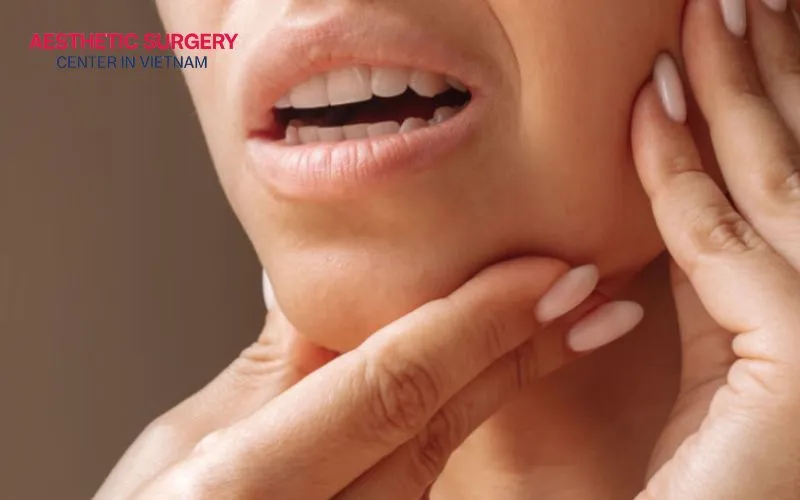
Most cases of numbness after cheekbone reduction surgery are caused by nerve stunning (neurapraxia). Tissue dissection may slightly stretch the nerves. Postoperative swelling can also compress them and temporarily interrupt nerve signals. This can cause numbness and mild tingling without affecting facial muscle movement.
Persistent numbness does not by itself confirm axonotmesis and should be assessed by the surgeon, particularly if it worsens or is accompanied by loss of facial movement. Some small nerve fibers may be disrupted at the surgical site. This condition is usually limited to the treated area. The nerve fibers can gradually regenerate and grow back over time. Recovery from axonotmesis may take several months and can be incomplete, depending on the severity and location of the injury.

What to expect during the recovery process?
The duration of numbness after cheekbone reduction surgery largely depends on the surgical technique, the extent of impact on the surrounding soft tissues, and each individual’s healing response.
Typical timeline for sensation to return
Since nerve fibers regenerate slowly, recovery from cheek numbness after cheekbone reduction surgery occurs gradually. Sensation typically returns from the outer areas toward the center of the cheek and upper lip through the following stages:
| Recovery stage | Symptoms |
| 2–3 weeks | The surgical area may feel numb, heavy, or stiff. This is completely normal due to postoperative swelling and bruising. |
| 3 weeks–3 months | Numbness gradually decreases, but mild tingling may occur as sensory nerve branches begin to regenerate. |
| 3–6 months | Sensation in the cheekbones and midface improves significantly and gradually returns to normal. |
| 6–12 months | Sensation may continue to improve during this period, although mild or persistent sensory changes can remain in some patients. |
Timeline of sensation recovery after cheekbone reduction surgery
Common sensations during nerve healing
During nerve regeneration, you may experience the following sensations:
- Numbness: The cheek, nose, or upper lip may feel numb or have little to no sensation, similar to the feeling after a local anesthetic injection.
- Tingling: A mild pins-and-needles sensation may occur under the skin as nerve signals begin to reconnect.
- Mild shooting pain: Brief, sharp sensations may feel like a mild electric current passing through the area. This may occur during nerve recovery, but persistent, severe, or worsening shooting pain should be reported to the surgeon.
- Increased sensitivity: The facial skin may become sensitive or uncomfortable with light touch, friction, or temperature changes.
- Itching: A tingling or itching sensation deep within the soft tissue may indicate that sensory nerve endings are gradually becoming active again.
Managing numbness and promoting nerve recovery
Although cheek numbness after cheekbone reduction surgery is usually a temporary physiological response, proper aftercare plays an important role in supporting nerve recovery and shortening the recovery period.
Self care tips for sensitive areas
To support nerve regeneration and prevent damage to healing tissues, you should follow a gentle aftercare routine. Avoid strong pressure and sudden temperature changes.
The following precautions can help protect the surgical area during recovery:
- Clean the intraoral incision: Gently rinse your mouth with saline solution or a prescribed antiseptic mouthwash after each meal. Avoid vigorous rinsing or forceful spitting, as this may affect the intraoral sutures.
- Care for external incisions: Keep the sutures near the hairline dry. Gently dab the area with gauze instead of rubbing it. Do not pick at scabs, as this may increase the risk of scarring.
- Apply cold compresses to reduce swelling: If recommended by your surgeon, wrap a cold pack in a soft towel and apply it briefly during the first 48 hours. Use extra caution on numb skin because reduced sensation can make cold injury difficult to detect. Avoid hot compresses during this period because heat can dilate blood vessels and increase swelling.
- Maintain a proper resting position: Keep your head elevated with 2–3 pillows while lying down during the first 2–3 weeks. This helps promote fluid drainage and reduce swelling and pressure on the nerves in the cheek area.
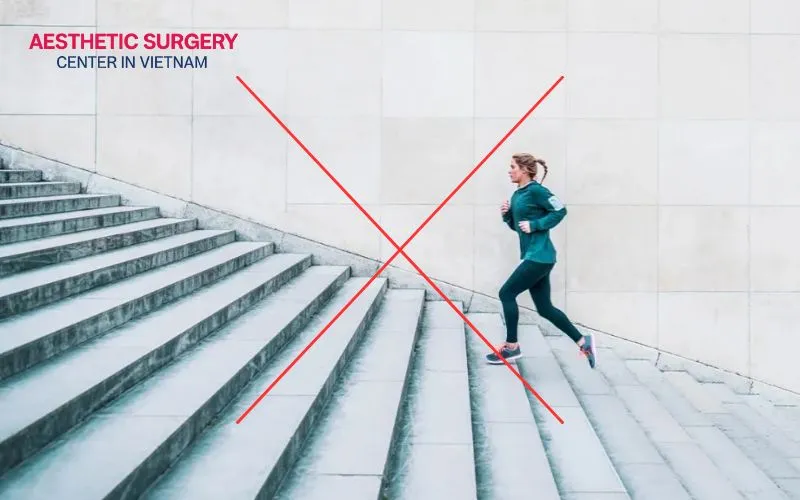
- Limit strenuous activities: Avoid high-intensity exercise during the first 3–4 weeks. This helps prevent sudden increases in blood pressure that may cause bleeding or worsen swelling.
- Protect sensitive soft tissues: Avoid laughing widely or opening your mouth too wide when yawning. Do not sleep on your side with pressure on the cheek. Limit hot foods and drinks to reduce the risk of burns inside the mouth and irritation to the internal incision.
When to contact your surgical team
You should contact your surgical team immediately if you experience any of the following symptoms:
- Sharp pain that gradually worsens several days after surgery and does not improve after taking prescribed pain medication.
- A high fever above 38.5°C, redness or warmth around the surgical area, or foul-smelling pus draining from the incision.
- Sudden and rapidly increasing swelling or facial asymmetry on one side of the face.
- Persistent bleeding from the incision that cannot be controlled.
- Difficulty breathing, swelling that spreads to the throat, or loss of facial muscle movement, such as being unable to close the eyes or developing an uneven mouth.
Frequently asked questions about facial numbness
Below are expert answers to some of the most common qauestions about facial numbness after cheekbone reduction surgery:
Can nerve healing be accelerated?
You cannot force the nerves to recover faster than their natural healing rate. Medical studies have shown that peripheral nerves regenerate at a biological rate of approximately 1 mm per day. However, you can support this natural process, shorten the recovery period, and reduce the risk of complications by following proper aftercare instructions and taking medications as prescribed by your surgeon.
When is numbness considered a serious complication?
Numbness during the first few weeks is usually a normal physiological response caused by soft tissue swelling. However, it may be a warning sign if the numbness becomes worse and is accompanied by facial paralysis. It may also be concerning if there are signs of infection, such as a high fever, severe pain despite medication, or foul-smelling pus draining from the surgical area.
In summary, cheekbone reduction surgery numbness in cheeks is usually caused by temporary nerve stunning and gradually improves through the body’s natural nerve regeneration process. You should patiently monitor signs of sensory recovery and strictly follow your postoperative care instructions. Most importantly, contact your surgeon immediately if you notice any unusual symptoms to protect your health and aesthetic results.
>>> See more: Zygoma reduction surgery recovery tips


















Comment on the post