



Fear of pain during bone surgery makes many individuals hesitate before deciding to undergo cheekbone reduction. Concerns about severe postoperative pain often come from unverified information. In reality, cheekbone reduction surgery pain level is within a tolerable range and can be effectively controlled with proper medical treatment. Discover the detailed recovery timeline and effective pain relief methods below!
Does cheekbone reduction surgery hurt?
According to aesthetic surgery experts, cheekbone reduction surgery does not cause pain during the procedure. You may only experience mild to moderate soreness during the first few days after surgery. Cheekbone reduction surgery pain level typically progresses as follows:
Pain level during the procedure
During the cutting, repositioning, and fixation of the cheekbones, you will not feel any pain or discomfort. This is because you will receive general anesthesia with endotracheal intubation. This type of anesthesia is commonly used for major maxillofacial surgery. Once the anesthetic takes effect, your body becomes fully relaxed and you enter a deep sleep. To ensure safe anesthesia, you need to avoid eating and drinking for about 6–8 hours before surgery as instructed by your surgeon.

Pain level during recovery
After waking up, the pain usually feels more like tightness and soreness rather than severe, sharp pain. This is caused by the body’s natural inflammatory response, soft tissue trauma around the bone, and the healing of the intraoral incision.
Swelling, bruising, cheekbone reduction surgery numbness in cheeks, and difficulty opening the mouth will gradually improve throughout the recovery process:
- Days 1–3: Swelling and pain reach their peak. The cheekbone area may feel heavy and tight, but the discomfort can be easily controlled with prescribed medication.
- Days 4–7: The pain decreases significantly and becomes mild soreness. Jaw stiffness may remain, but it becomes more manageable.
- From the second week onward: The pain almost completely disappears. You may only experience slight numbness or tightness when smiling.
Factors that influence your pain level after surgery
Although it is generally manageable, cheekbone reduction surgery pain level can vary from person to person. Several factors during and after the procedure can affect the level of discomfort.
Surgeon expertise and surgical technique
The surgeon works directly on the bone structure and surrounding soft tissues. Therefore, their expertise plays a key role in the extent of tissue trauma, swelling, and postoperative pain.
- An experienced maxillofacial contouring surgeon can create precise bone cuts and gently separate the periosteum. This helps minimize tissue trauma and the inflammatory response.
- In contrast, a surgeon with limited expertise may use improper or excessive force. This can cause bone fractures or nerve compression, leading to prolonged pain and an increased risk of infection.
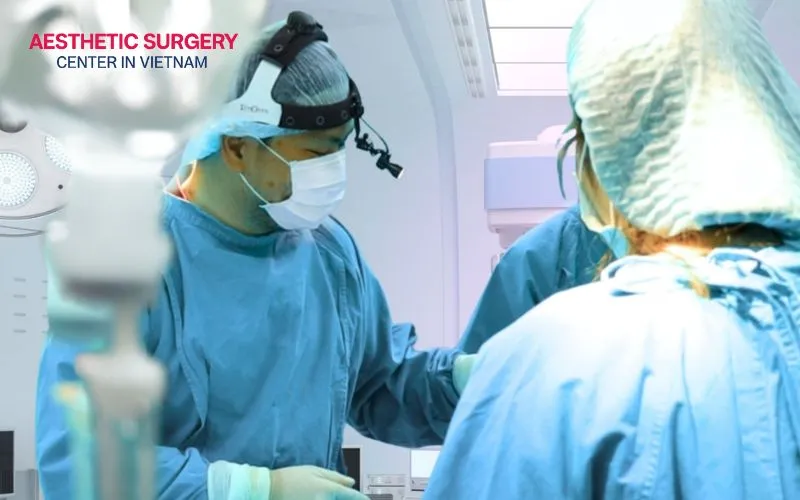
In addition, the surgical technique directly affects the level of pain. Modern techniques may reduce the extent of tissue dissection, lower the risk of nerve injury, and improve the precision of bone cutting. When tissue trauma is minimized, facial swelling is reduced. This helps you experience a more comfortable recovery period.
Individual pain tolerance and postoperative care
Pain tolerance is influenced by individual physical characteristics, age, and psychological state. Younger patients or those who have never undergone surgery may feel more stressed and anxious. This can make the nervous system more sensitive and increase the perception of pain. In contrast, individuals who feel relaxed and mentally prepared often experience a more comfortable postoperative recovery.
Postoperative care also plays an important role in determining the level of swelling and pain. Poor oral hygiene can increase the risk of infection at the intraoral incision. Eating hard foods, sleeping on your side, or returning to strenuous activities too early can place pressure on the plates and screws used to stabilize the bone. This may lead to displacement, torn sutures, and more severe swelling and pain.

How to manage pain after cheekbone reduction?
To effectively manage cheekbone reduction surgery pain level, you should combine prescribed medications with appropriate changes to your daily habits. Below are effective postoperative pain relief methods you can follow:
Prescribed medications and home remedies
Taking medications exactly as prescribed by your surgeon is the most important step in controlling pain and preventing infection. Surgeons usually prescribe a combination of standard pain relievers and anti-inflammatory medications. Do not take any additional pain relievers or anti-inflammatory medications unless they have been approved by your surgeon or anesthesiologist.
You can also use the following supportive measures at home:
- Apply cold compresses properly during the first 48–72 hours to reduce swelling and bruising.
- Stay relaxed to prevent stress from making your nervous system more sensitive to pain.
- Monitor your body’s response closely to detect any unusual symptoms early.

Dietary adjustments and lifestyle tips
Proper nutrition not only supports cell regeneration but also protects the sutures inside the mouth. Therefore, you should minimize pressure on the facial muscles and the healing cheekbone structure during the first 1–2 weeks.
| Foods to increase | Foods to avoid |
| Soft, liquid foods: Cooled porridge, pureed soup, yogurt, pudding, or protein shakes can help reduce chewing activity. | Hard, chewy, or crunchy foods: Nuts, tough meat, and sticky foods can damage the healing area and cause swelling. |
| Protein and vitamin sources: Eggs, soft tofu, steamed fish, and smoothies rich in vitamins A, C, and E, such as avocado and mashed sweet potato, can help reduce inflammation, bruising, and support faster tissue regeneration. | Spicy and salty foods: Spicy seasonings and high-sodium foods can cause fluid retention and prolong facial swelling. |
| Adequate hydration and fiber: Drink 1.5–2 liters of filtered water or electrolyte drinks daily. Combine this with soft leafy vegetables to promote blood circulation and prevent constipation caused by pain medication.
Note: Drink directly from a cup. Do not use a straw, as suction can create pressure and disrupt the sutures. |
Stimulants: Alcohol, beer, and tobacco can weaken the immune system, interfere with bone healing, and increase the risk of infection and complications. |
Summary table of foods to eat and avoid to support recovery and reduce pain after cheekbone reduction surgery
Recommended lifestyle habits:
- Elevate your head while sleeping: Sleep on your back and keep your head elevated at a 30–45 degree angle during the first few days. This helps improve circulation, reduce pressure on the face, and relieve soreness and swelling.
- Engage in light activity: Gentle walking around the room helps improve blood circulation and reduce the risk of blood clots. However, avoid bending your head down, performing high-intensity exercise, or applying strong pressure to the cheekbone area.
When to contact your surgeon about pain after surgery
During recovery, mild soreness and tightness are normal physiological responses. However, if cheekbone reduction surgery pain level suddenly becomes severe or is accompanied by unusual symptoms, it may indicate a serious complication.
Contact your surgeon or surgical facility immediately if you experience any of the following warning signs:
- Severe or suddenly worsening pain: Sharp or throbbing pain develops suddenly and does not improve even after taking the prescribed medication at the correct dose.
- Clear signs of infection: A fever above 38°C, significant cheek swelling, localized warmth, or pus draining from the intraoral incision.
- Rapid swelling and bruising: The face becomes unusually swollen within a short period, with excessive tightness of the skin.
- Persistent vomiting: Continuous nausea or vomiting prevents you from drinking fluids or taking medication. This can lead to dehydration and exhaustion.
- Allergic reaction to medication: Hives, a widespread rash, severe itching, difficulty breathing, or chest tightness.
Overall, cheekbone reduction surgery pain level varies among patients and generally improves progressively during the early recovery period when the procedure is performed correctly and proper aftercare is followed. Understanding the recovery process, staying relaxed, and following your surgeon’s treatment plan can help you recover safely and achieve optimal aesthetic results.
>>> See more: Zygoma reduction surgery recovery tips


















Comment on the post