


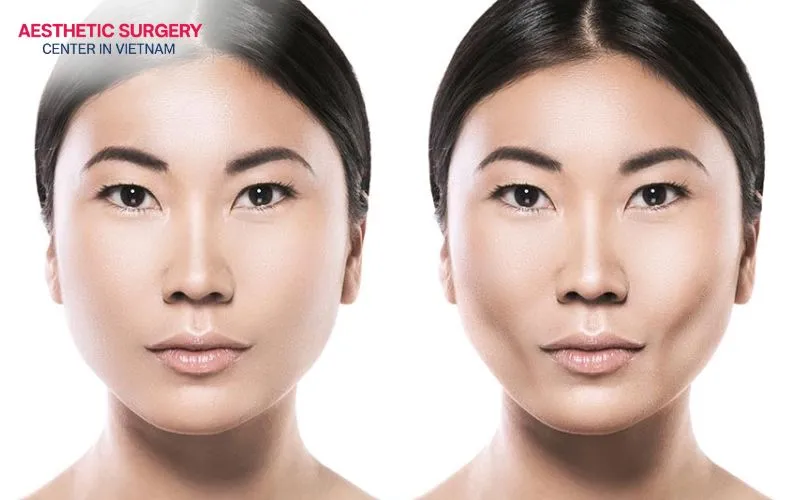
Double chin removal and cheekbone reduction is a combined solution for individuals with high, prominent cheekbones and excess fat under the chin. These concerns can make the midface look wider and reduce jawline definition. They can also make the overall face appear older and less naturally refined. Read the article below to learn more about this medically guided combined surgical contouring procedure!
Understanding facial contouring goals
Facial contouring is an aesthetic solution that improves facial proportions, balance, and overall harmony. It can modify the bone structure, soft tissues, and facial muscles. Techniques such as double chin removal and cheekbone reduction can precisely adjust the cheekbones, jawline, and chin projection. This helps correct congenital concerns or facial asymmetry.
The main goal of this procedure is to remove excess fatty tissue and adjust the height of the cheekbone structure. It also enhances the natural contours of the face. By carefully treating each specific area, the surgeon can create a more defined appearance. The procedure also aims to maintain safety and preserve your unique facial character.
Effective methods for double chin removal
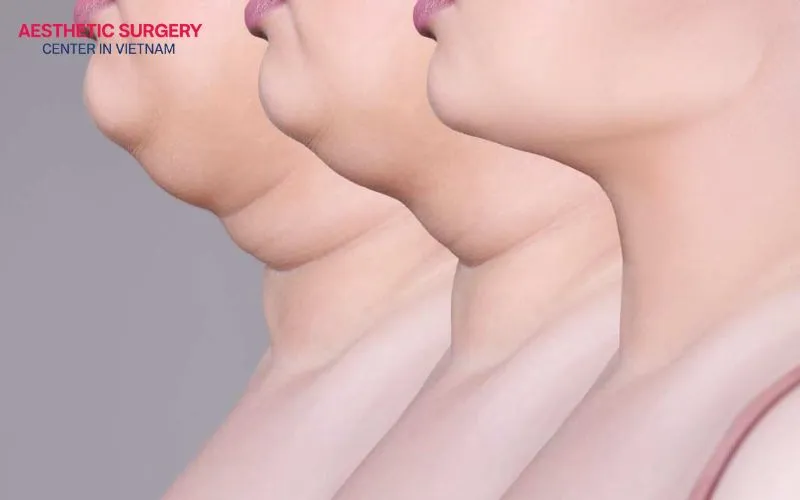
A double chin can develop due to fat accumulation, loose skin, or an underdeveloped jawbone. Depending on the amount of fat and skin elasticity, you can choose a non-surgical treatment or a surgical procedure.
Non-surgical treatments for fat reduction
Non-surgical treatments can improve a mild double chin and offer a quick recovery. The duration of the results varies depending on the treatment method, the patient’s anatomy, and subsequent changes in body weight.
Common options include
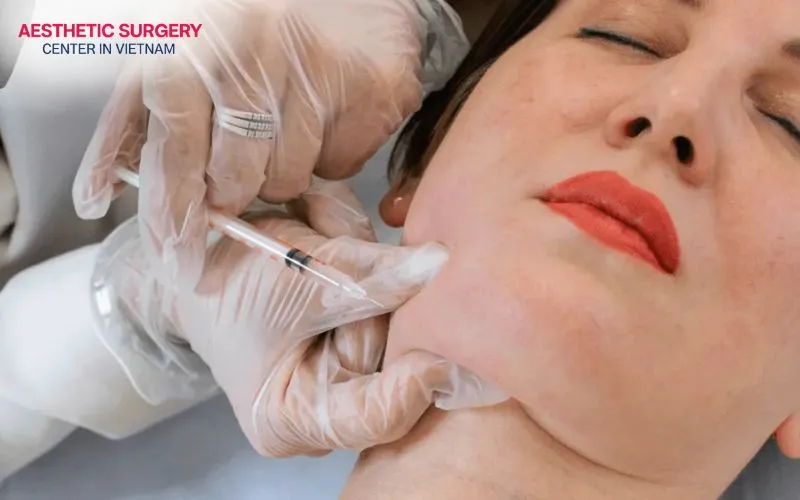
- Kybella injections combined with fillers: Deoxycholic acid destroys excess fat cells under the chin. Filler is then injected to create a more defined jawline.
- CoolSculpting fat freezing: This method uses extremely low temperatures through cryolipolysis to freeze and naturally eliminate fat cells in the chin area.
- Fat-dissolving injections combined with RF or Botox: Selected fat-reduction treatments may be combined with RF-based skin tightening when clinically appropriate. Botox relaxes targeted muscles and does not directly reduce fat or tighten the skin.
Surgical procedures for permanent results
For individuals with significant fat accumulation, severe neck muscle laxity, or a recessed chin, surgery can provide more noticeable and long-lasting results.
The leading double chin contouring techniques include
- Double chin liposuction: Excess fat is removed through a 2–3 mm incision under the chin. This procedure is often combined with cheekbone reduction for comprehensive facial reshaping.
- Neck lift and neck muscle tightening: This technique corrects a double chin associated with loose skin or stretched neck muscle bands.
- Facelift: This procedure repositions sagging tissues and removes excess skin around the lower face and neck. Liposuction may be added when excess fat is also present.
- Chin implant or sliding genioplasty: An implant may be placed, or the chin bone may be cut and repositioned. This increases projection in a recessed or short chin.
Approaches to cheekbone reduction
Cheekbone reduction helps narrow the midface and correct high, prominent, or asymmetrical cheekbones. Depending on the underlying cause, the surgeon may recommend bone contouring surgery or minimally invasive treatments.
Surgical bone contouring techniques
Cheekbone reduction surgery directly reshapes the bone structure. The repositioned bone is then secured with specialized medical plates and screws. The main techniques include.
- L-shaped cheekbone osteotomy: The surgeon makes an L-shaped cut in the zygomatic body and cuts the zygomatic arch. The bone is then moved inward to reduce facial width.
- 3D cheekbone rotation and lifting: The surgeon cuts, rotates, and lifts the bone segment upward. This technique reduces cheekbone prominence while supporting soft tissues and minimizing sagging.
- Zygomatic arch osteotomy: The surgeon cuts or repositions the prominent part of the zygomatic arch. This helps reduce cheekbone projection from the side and three-quarter views.
Minimally invasive alternatives
Minimally invasive treatments may improve the surrounding soft-tissue contours but cannot reduce or reposition the zygomatic bone. They may be considered when facial width is related primarily to soft tissue rather than bone structure.
- Non-surgical soft-tissue contouring: Selected filler or energy-based treatments may modify the surrounding facial contours, but they do not reduce the cheekbone itself.
- FaceTite skin tightening and fat reduction: FaceTite uses radiofrequency (RF) energy to liquefy excess fat, tighten underlying tissues, and stimulate collagen production. This helps firm the cheek area.
- Collagen thread lift: Biocompatible threads are inserted beneath the skin to lift sagging soft tissues around the cheekbones and jawline. This helps create a slimmer facial contour and stimulates skin rejuvenation.
How to choose the right procedure?
Choosing between double chin liposuction, cheekbone reduction, or a combination of both depends on your bone structure, soft tissues, and readiness for recovery.
Assessing your aesthetic goals and anatomy
Every face has a unique underlying structure and requires a targeted treatment approach. The table below compares suitable procedures based on anatomical characteristics:
| Case | Anatomical features and concerns | Treatment area | Level of improvement |
| Cheekbone reduction | Wide and prominent cheekbone structure; the lower face is slim and not bulky. | Midface (zygomatic bone) | Reduces the horizontal width of the midface. |
| Double chin liposuction | Balanced facial bone structure; excess fat accumulates under the chin and blurs the jawline. | Lower face (soft tissue) | Defines the jawline and improves the double chin. |
| Double chin liposuction combined with cheekbone reduction | Both prominent cheekbones and a thick double chin are present; the overall face lacks definition. | Entire midface and lower face | Reshapes overall facial proportions and addresses both concerns in a single surgery. |
>>> See more: Zygoma reduction surgery recovery tips
Evaluating downtime and recovery expectations
Recovery time is a key factor in determining which procedure best fits your lifestyle.
- Level of intervention: Double chin liposuction is a minor surgical procedure that targets soft tissue. It has a shorter procedure time and is less invasive. In contrast, cheekbone reduction is major surgery that directly alters the bone structure. It requires more complex techniques and stricter safety protocols.
- Recovery plan: When each procedure is performed separately, swelling and bruising usually improve quickly after 5–7 days. However, if double chin liposuction and cheekbone reduction are combined, you should prepare for a more extensive recovery process. Swelling and bruising may last 1–3 weeks. You may need to wear a facial compression garment continuously for 2–3 weeks. You should also eat soft foods and avoid strenuous activities for 4–6 weeks to allow the bones and soft tissues to fully stabilize.
Discussing your anatomy and recovery expectations openly with a specialist can help you choose a safe and effective treatment approach.

Safety considerations and recovery tips
Combined double chin liposuction and cheekbone reduction requires proper postoperative care to ensure safety, support healing, and create balanced facial contours.
Important safety considerations and potential complications
- Normal physiological reactions: Swelling, bruising, mild tightness, or temporary numbness around the chin and cheekbones are common after soft tissue manipulation. These symptoms usually improve gradually within a few weeks.
- Medical risks: Potential risks include infection, hematoma, temporary sensory or motor nerve injury, and skin laxity in older patients.
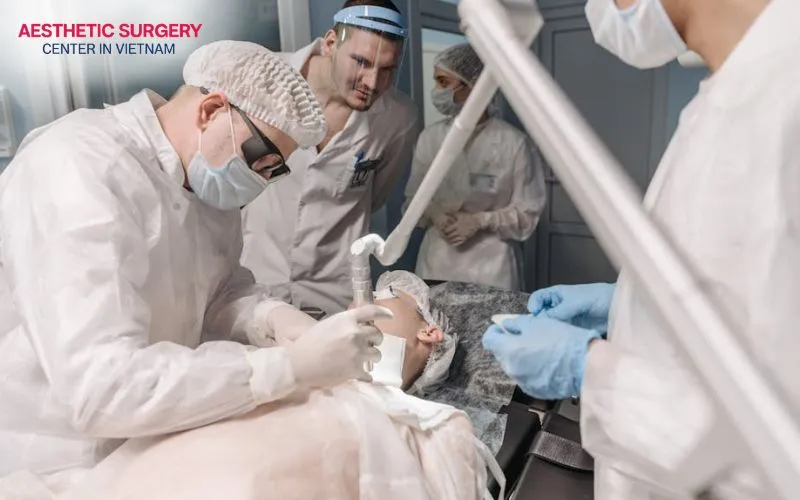
- Safety standards: When undergoing double chin liposuction and cheekbone reduction, you should choose a cosmetic surgery hospital licensed by the Ministry of Health. The facility should have a maxillofacial surgical team, diagnostic imaging services, and anesthesiology and resuscitation support.
Tips for a faster recovery
- Pain management and swelling reduction: Take medications as prescribed by your surgeon to relieve soreness and discomfort. Wear a facial compression garment continuously for the first 2–3 weeks to reduce swelling and bruising.
- Return to daily activities: You can usually return to light office work after 7–10 days. Wait 4–6 weeks before resuming sports or strenuous physical activities to allow your body to fully recover.
- Final results: Facial contours usually settle into their most natural shape within 3–6 months.
Frequently asked questions
Below are answers to common questions that can help ease your concerns before deciding to undergo double chin liposuction and cheekbone reduction:
Are the results permanent?
Double chin liposuction and cheekbone reduction provide long-lasting results. Cheekbone reduction changes the underlying bone structure, while double chin liposuction removes excess fat cells. However, sudden weight gain or aging can cause the remaining fat cells to enlarge, which may lead to the double chin reappearing.
Will I have visible scars?
Cheekbone reduction is commonly performed through intraoral incisions, although some techniques may require small external incisions near the sideburn or ear. For double chin liposuction, the surgeon uses a very small cannula through one or two tiny incisions placed in the natural crease under the chin. These marks gradually fade and blend into the natural skin crease over time.
How painful is the recovery process for double chin removal and cheekbone reduction?
The entire double chin removal and cheekbone reduction procedure is performed under general anesthesia, so you will not feel pain during surgery. After waking from anesthesia, you may experience tightness, soreness, and discomfort around the chin and cheekbones during the first 3–7 days. These symptoms can usually be managed with pain relievers and anti-inflammatory medications prescribed by your surgeon.
Overall, double chin removal and cheekbone reduction address both bone structure and excess soft tissue at the same time. This combination helps narrow the midface and create a slimmer, more defined chin contour while preserving the unique features of your face. Understanding the procedure, being aware of potential medical risks, and following postoperative care instructions can help you feel more confident throughout your recovery and achieve a more refined appearance.
















Comment on the post