


Feeling worried about swelling, bruising, or tightness after facial bone surgery is completely normal. Following the right zygoma reduction surgery recovery tips, along with proper nutrition and medical care, can help you manage pain, shorten recovery time, and prevent complications. Explore the solutions below to achieve a balanced and natural-looking face sooner!
What to expect after zygoma reduction surgery?
Recovery after zygoma reduction is a natural physiological process. During this time, the facial bones and surrounding soft tissues gradually stabilize and reconnect. Understanding how your body responds at each stage can reduce anxiety and help you take better care of yourself after surgery.
Immediate post-operative sensations
Immediately after surgery, the body reacts to bone cutting and tissue dissection. Discomfort usually peaks within the first 12–48 hours and then gradually subsides.
Common symptoms include:
- Pain and tightness: A deep, aching sensation may occur in the cheekbones and temples. It can usually be controlled with oral pain medication prescribed by your surgeon.
- Numbness in the central face: Reduced sensation or tingling may occur in the cheeks, upper lip, and sides of the nose. This happens because the infraorbital nerve may be temporarily stretched.
- Temporomandibular joint stiffness: You may have difficulty opening your mouth or chewing. This can result from swelling of the chewing muscles and pressure from the compression bandage.
- Mild bleeding: Light pink fluid may drain from the nose or intraoral incision during the first 24 hours. A small amount of blood-tinged drainage may occur after surgery, but persistent or heavy bleeding should be reported to the surgeon immediately.

Swelling and bruising timeline
Post-operative swelling and bruising depend on the surgical technique and each person’s individual healing response. They usually peak within the first 48–72 hours, and the results stabilize after 3–6 months.
The detailed recovery timeline is as follows:
- Days 1–3: Swelling reaches its peak. It may spread across the midface, around the eyes, and along the jawline. Bruising changes from red to dark purple due to blood collecting under the skin.
- Days 4–7: Bruising turns green or pale yellow as the body breaks down bilirubin. Swelling stops increasing and gradually subsides from the upper face downward.
- Week 2: Swelling usually decreases noticeably, although the degree of improvement varies among patients. Bruising fades significantly and can be easily covered with light makeup. You can usually return to work and resume light daily activities.
- Weeks 3–4: Swelling decreases significantly, and facial contours become more defined. Jaw movement becomes more flexible as the connective tissues gradually remodel and stabilize.
- Month 1: Most visible swelling may have subsided, although residual swelling can persist. Mild tightness and numbness may remain because the bone is still actively healing and remodeling.
- Months 3–6: The zygomatic bones become firmly connected. Soft tissues adapt closely to the new structure. This restores natural, balanced facial contours and helps prevent midface sagging.

Essential zygoma reduction surgery recovery tips
Strictly following the zygoma reduction surgery recovery tips below can help shorten the duration of swelling and protect your facial contours as much as possible.
Pain management and medication
Depending on the extent of surgery, your overall health, and the facility’s protocol, you may need to stay in the hospital for observation. Your airway and drainage will be monitored during this time. This also allows surgeons to detect a hematoma early. You should focus on resting to avoid putting pressure on your face.
Important tips for pain management and medication use include:
- Take medications as prescribed: Complete the full course of antibiotics, pain relievers, and anti-inflammatory medications. Take them at the correct dose and time.
- Avoid medications that are not prescribed: Do not take medications containing aspirin, ibuprofen, naproxen, or vitamin E during the first 2 weeks. They may thin the blood and increase the risk of prolonged bleeding.
- Report unusual symptoms: If you experience an allergic reaction, rash, or nausea, inform your surgeon immediately so the medication can be changed safely.

Effective ways to reduce swelling
To support lymphatic drainage and reduce swelling more quickly, you can follow these measures:
- Apply cold compresses during the first 72 hours: Gently place a cold gel pack wrapped in clean gauze on the cheeks, temples, and jaw angles for about 15–20 minutes at a time. Wait 1–2 hours between applications. Do not place ice directly on the skin to avoid cold burns or shifting the fixation plate.
- Apply warm compresses from day 4: Warm compresses help dilate blood vessels, improve blood circulation, and promote faster absorption of blood collected under the skin. Keeping your bedroom cool, clean, and well ventilated can also help your body relax and reduce the natural inflammatory response and swelling.
Post-operative diet and nutrition
The bone-cutting area is indirectly affected by forces from the chewing muscles. Therefore, you should minimize mechanical pressure while eating to help the bones heal faster.
- Prioritize soft and liquid foods: Eat thin porridge, soup, milk, pureed foods, and collagen-rich bone broth during the first few weeks.
- Avoid forceful chewing for 3 months: Avoid hard, tough, or crunchy foods such as ice cubes, chewy tendons, hard nuts, and gummy candy. Strong chewing forces can displace bones that have not yet stabilized or damage the titanium fixation plates.
- Avoid stimulants and alcohol: Alcohol, tobacco, and spicy foods can increase blood flow and worsen swelling. They can also stimulate saliva production and increase the risk of infection at the incision inside the mouth.
- Stay well hydrated: Drink 2–2.5 liters of water each day. Get enough vitamins and minerals such as vitamin C and zinc to support your immune system and speed up wound epithelialization.

Oral hygiene and incision care
The surgery uses an intraoral incision combined with a small incision on the scalp or sideburn area. Proper hygiene is a top priority.
For the incision inside the mouth:
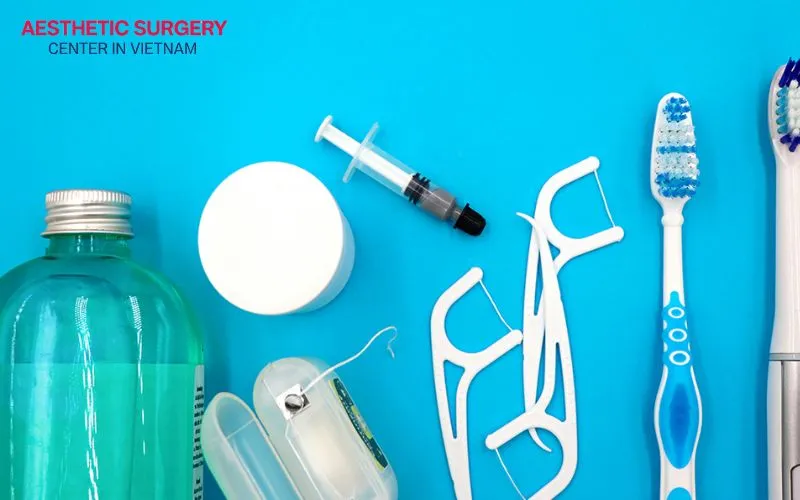
- Rinse your mouth properly: During the first 24 hours, gently rinse your mouth only with 0.9% saline solution. From day 2, you can switch to a specialized solution containing 0.12% chlorhexidine after meals and before bedtime. When rinsing, gently tilt your head to allow the solution to flow over the incision. Do not rinse vigorously because this may tear the sutures.
- Brush your teeth gently: Use an ultra-soft toothbrush to clean the surfaces of the front teeth and lower molars. Avoid touching the incision area inside the oral mucosa during the first 14 days.
For incisions in the sideburn area or in front of the ear:
- Keep the area clean and dry: Clean the incision with a cotton swab soaked in 10% Povidine solution or saline solution. Then apply antibiotic ointment as directed. Avoid getting water on the incision during the first week.
- Have your sutures removed on schedule: If non-absorbable sutures are used in the sideburn area, return for a follow-up visit and have them removed after 7–10 days. Do not scratch or pick at the scab. This can help prevent infection, swelling, and pain.
In summary, consistently following medically recommended zygoma reduction surgery recovery tips can help minimize swelling and bruising, support safe bone healing, and help you achieve slimmer and more balanced facial contours sooner. In addition to proper home care, attend all scheduled follow-up appointments and contact your surgeon if you notice any unusual symptoms. This helps protect both the surgical incision and your overall health.














Comment on the post