



Botox for sweating has become a leading non-surgical solution for effectively managing excessive sweating. If you are looking for a minimally invasive method with quick results, this may be a suitable option. Let’s explore how this treatment works along with its advantages and disadvantages to help you make an informed decision.
How does botox for sweating?
Botox for sweating works by temporarily blocking chemical signals from the nerves that control sweat glands. Normally, when body temperature rises, the nervous system activates eccrine sweat glands to cool the body. However, in individuals with hyperhidrosis, these nerves become overactive even when the body does not need cooling.
Below is the specific mechanism of botox:
- Blocks acetylcholine: When injected into the treatment area, botulinum toxin type A prevents the release of acetylcholine, a key neurotransmitter.
- Interrupts nerve signals: Without acetylcholine, the sweat glands in the treated area cannot receive signals to produce sweat.
- Localized effect: Botox works only in the injected area, such as the armpits, palms, or soles, without affecting the body’s overall temperature regulation in other areas.
The effects usually begin to appear within 3 to 7 days and reach optimal results after about 2 weeks, leaving the skin dry and helping patients feel more confident in daily activities.
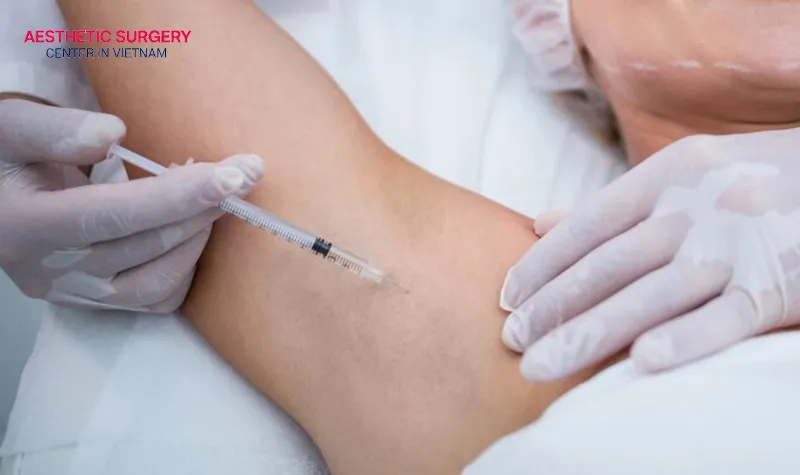
Pros and cons of botox for sweating excessive
Choosing botox for sweating can bring noticeable improvements. However, this method also comes with several important considerations in aesthetic treatment. To make the most informed decision before undergoing the procedure, you should understand both the advantages and disadvantages.
Advantages of botox for treating excessive sweating
- Excellent sweat reduction: This treatment is a “lifesaver” for severe hyperhidrosis cases where deodorants or topical medications are ineffective.
- Minimally invasive with no scarring: Unlike surgical procedures such as sympathectomy, botox injections use ultra-fine needles, require no downtime, and allow patients to return to normal activities immediately.
- High safety level: When performed by a qualified doctor, botox works locally on the sweat glands without affecting the body’s overall sweating or excretory system.
- Improves body odor: By keeping the treated area dry, botox indirectly prevents the growth of odor-causing bacteria, helping you feel more confident when wearing light-colored clothing or during close interactions.
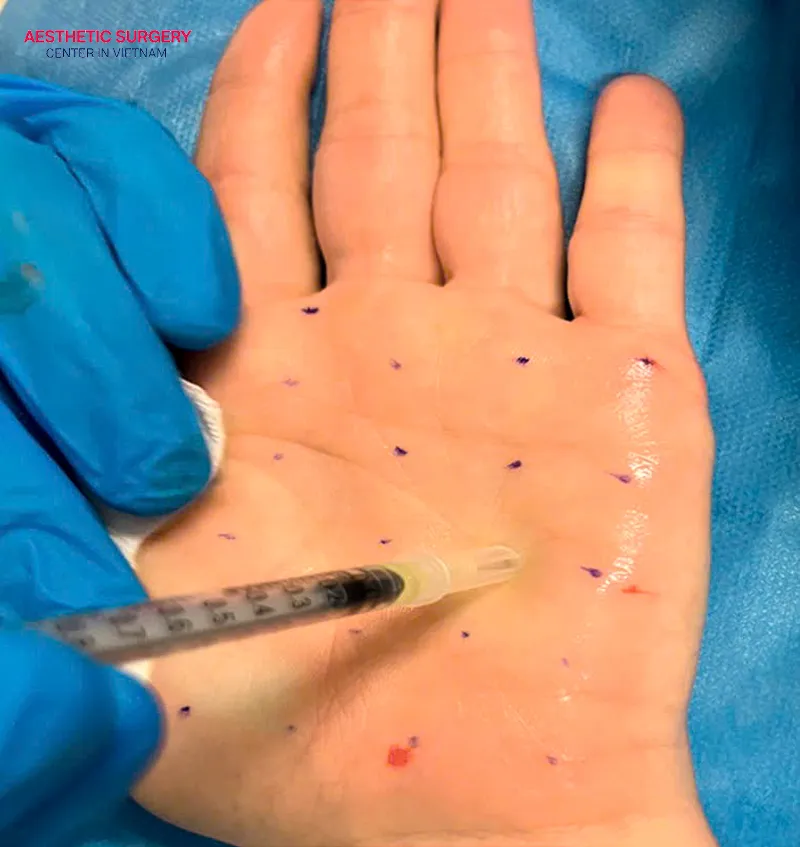
Disadvantages of botox for treating excessive sweating
- Temporary results: Botox is not a permanent solution. After about 6 to 9 months, the nerve endings gradually recover, and you will need repeat injections to maintain the results.
- Ongoing costs: Because the treatment must be repeated several times a year, the total cost of maintaining the results may be higher than some one-time procedures.
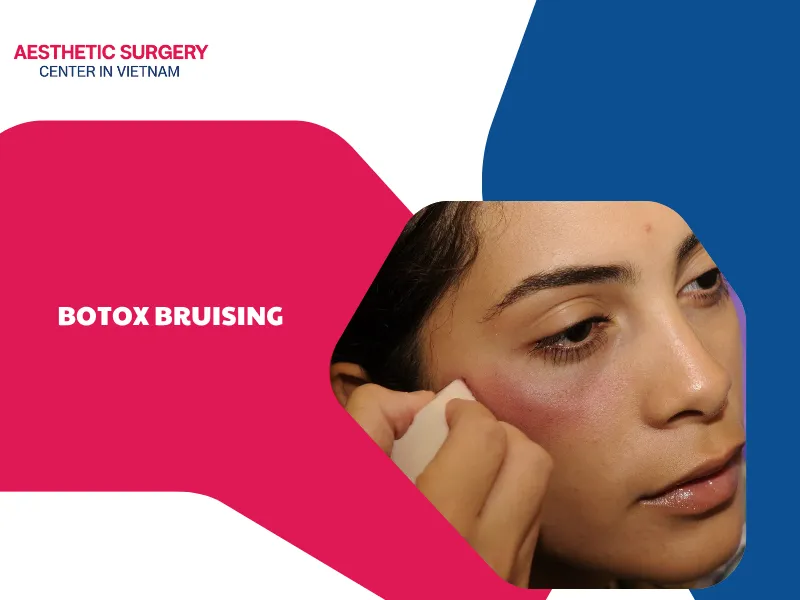
- Rare side effects: In some cases, temporary muscle weakness in the hands or mild bruising at the injection sites may occur as botox side effects. However, these symptoms usually disappear after a few days without further intervention.
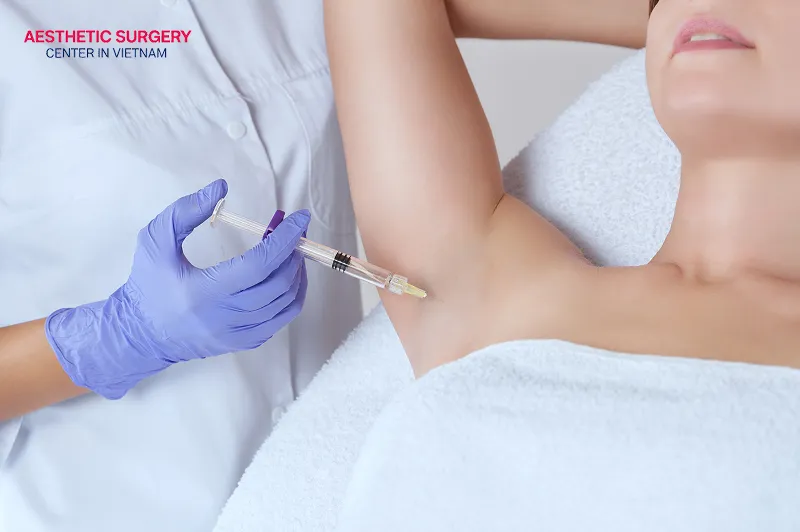
Botox in armpits for sweating
Injecting botox into the armpits to reduce sweating is considered a highly effective solution with fast results.
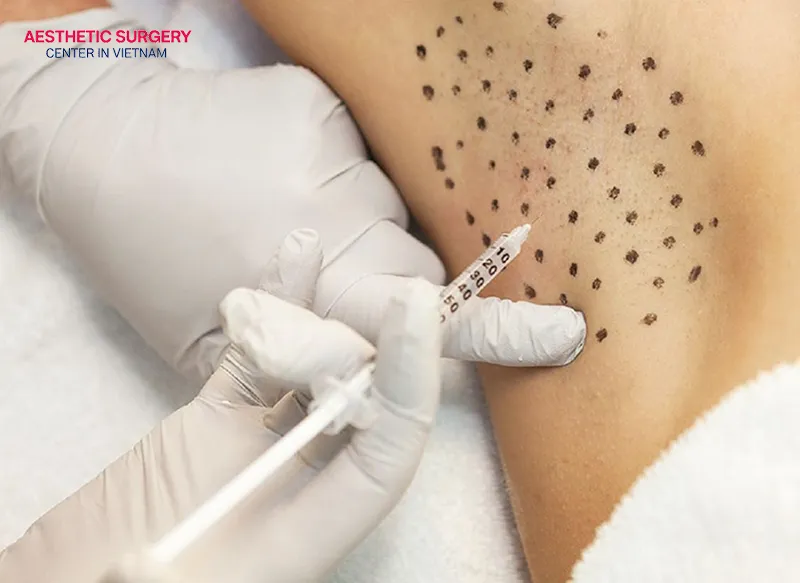
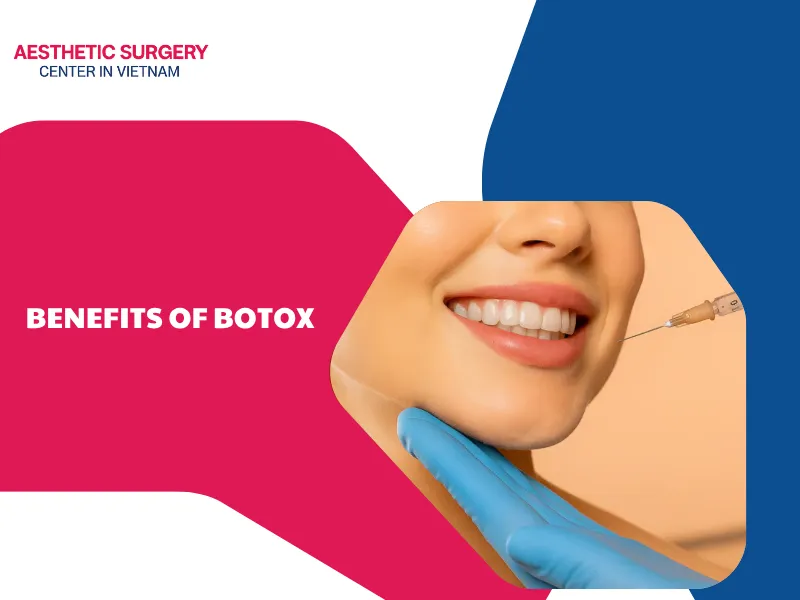
At specialized aesthetic clinics, doctors first identify the areas of excessive sweating using the iodine–starch test. They then use ultra-fine needles to inject a standard amount of botox into the deep dermis layer.
Once released, the active ingredient works like a “barrier,” blocking nerve signals that stimulate the sweat glands in the underarm area. As a result, the armpits remain dry and free from excess moisture. This also helps eliminate the main causes of unpleasant body odor and yellow stains on clothing.
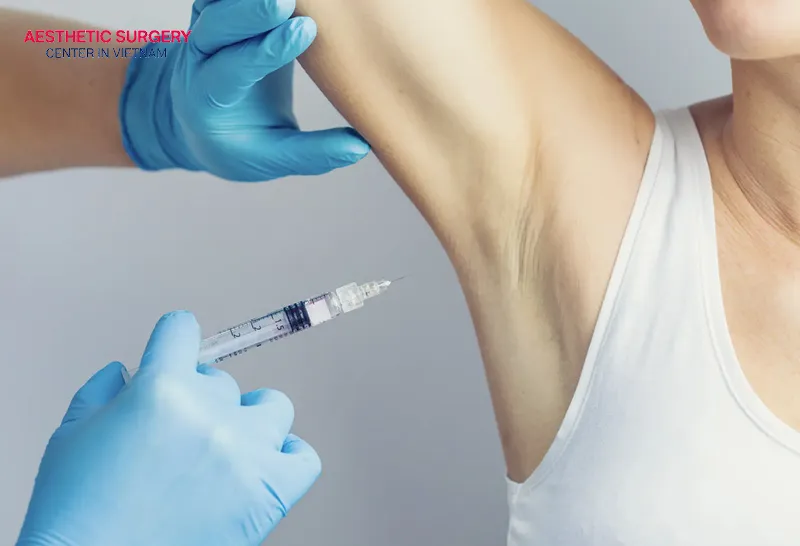
Where is botox used on the body to treat hyperhidrosis?
Besides the armpits, botox for sweating can also be applied to several other areas of the body. Depending on the skin structure and sensitivity of each area, doctors will adjust the botox dosage to achieve optimal results:
- Palms: Botox injections help keep the palms dry, eliminating discomfort and embarrassment caused by sweaty hands.
- Soles of the feet: Excessive foot sweating can cause discomfort when wearing closed shoes, along with odor and skin issues. Botox helps control moisture and keeps the feet dry and fresh.
- Forehead and scalp: For individuals who sweat heavily on the face during stress or physical activity, micro botox injections along the hairline and forehead help maintain a neat appearance and protect makeup from smudging.
- Under the breasts: This sensitive aesthetic area is common in women. Controlling sweat here helps prevent skin irritation, rashes, and keeps the delicate skin smooth and comfortable.
How long does botox to treat excessive sweating last?
In general, the results of botox injections last about 6 to 9 months, depending on each person’s body condition and natural metabolism rate.
Although botox for sweating is not permanent, it can maintain long-lasting dryness. This helps you avoid concerns about body odor and uncomfortable moisture.
Below is the typical timeline you can expect:
- 3–7 days: You will start to notice a clear reduction in sweating in the treated area.
- After 2 weeks: Botox reaches its optimal effect. The sweat glands are almost completely “blocked,” leaving the skin dry.
- 6–9 months: The sweat-reducing effect remains stable during this period.
- 9–12 months: Nerve signals gradually recover, and sweating may begin to return, but usually at a lower level than before treatment.
Therefore, to maintain continuous dryness, it is recommended to repeat the treatment about 1–2 times per year.
Botox for sweating provides immediate dryness and confidence without surgery. Although the results are temporary, this method has a high safety profile and a quick procedure. Feel confident choosing botox for sweat to improve your quality of life today.
>>> See more: How long botox last?











Comment on the post