



In the journey to rejuvenate your appearance, the most common question is not only “Where should botox be injected?” but also “How many units of botox do you need?”. The correct dosage is the key to achieving a natural look and avoiding a stiff or frozen face. Depending on your anatomy and personal aesthetic goals, each treatment area requires a different amount. Let’s explore the recommended dosage for each treatment area below.
How many units of botox do you need? Understanding measure
Determining the correct number of botox units is not simply about cost. It is also a key factor that determines the success of a cosmetic treatment. A proper dosage helps relax wrinkle-causing muscles while maintaining natural facial expressions. This prevents the face from looking frozen or expressionless.
On the other hand, using too little botox may lead to unclear results and the effect may fade quickly. Meanwhile, excessive dosage can cause unwanted side effects such as drooping eyelids or muscle imbalance.
In general, a full treatment may range from 20 to 100 units, depending on the size of the treatment area and the strength of the muscles. However, there is no universal number for everyone. Each facial area — from the fine lines around the eyes to the stronger chewing muscles in the jaw — has a unique anatomical structure. Therefore, each area requires a specific dosage and injection technique to achieve the best results.
What factors determine your botox dosage?
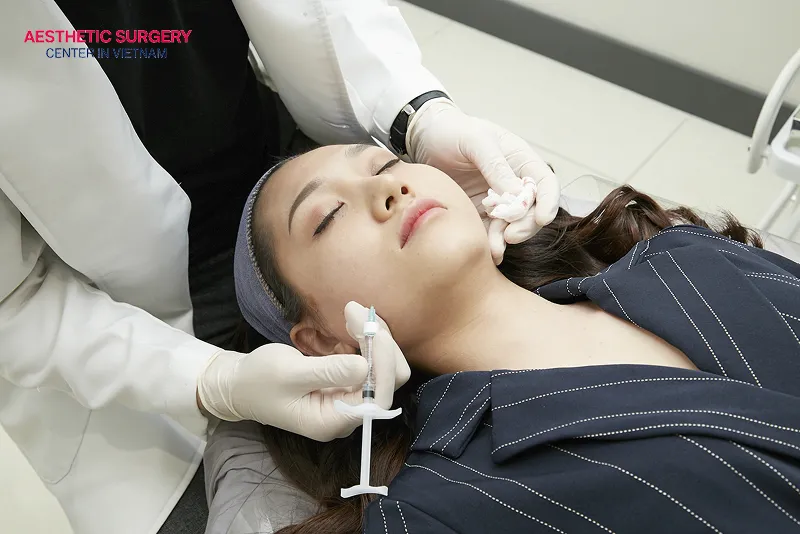
Determining the botox dosage does not follow a fixed formula for everyone. To achieve the most natural and precise results, aesthetic specialists usually rely on the following four key factors.
Muscle strength and size
This is the most important factor. Areas with large and strong muscles, such as the masseter muscles in the jaw or the frown muscles, require more botox units to fully relax the muscles.
In contrast, areas with thinner and more delicate muscles, such as around the eyes (crow’s feet), only require a small amount to achieve rejuvenation results.
Gender and anatomical structure
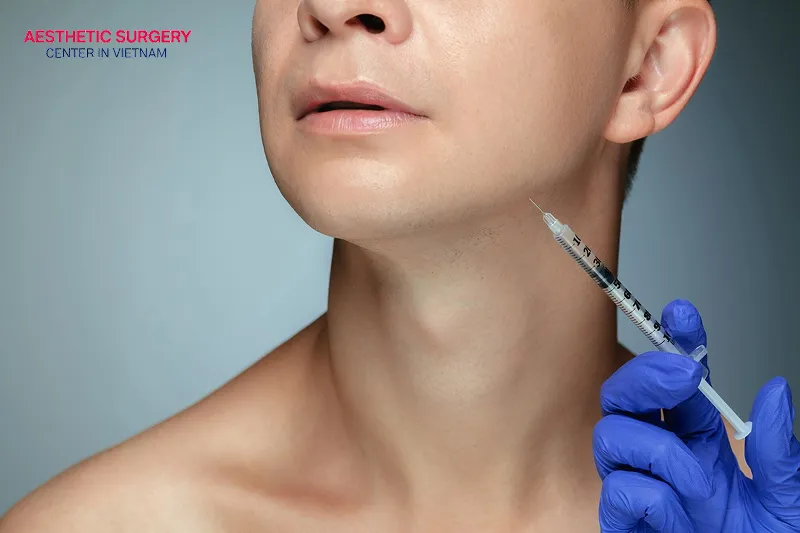
In general, men have thicker and stronger facial muscles than women. Therefore, the botox for men is usually about 1.5 to 2 times higher for the same treatment area to effectively reduce muscle contraction.
Wrinkle depth and aesthetic goals
- Dynamic wrinkles: These appear only when facial muscles move. They usually require a moderate Botox dosage to soften the lines.
- Static wrinkles: These remain visible even when the face is relaxed. They often require a higher dosage or may need to be combined with other treatments. In addition, depending on whether you want to completely remove wrinkles or simply make your face look more relaxed, the doctor will adjust the number of units accordingly.
Injection frequency and metabolism rate
Each person metabolizes botox at a different rate. If you exercise frequently or have a fast metabolism, botox may wear off sooner. Individuals who receive regular injections often need fewer units in later sessions because the muscles have been “trained” to relax.
How many units in a syringe of botox?
In reality, there is no fixed concept of “how many units in syringe of botox” because botox is not packaged as a ready-to-use liquid in a syringe.
Before treatment, doctors perform a dilution process by mixing the botox powder with saline solution. Therefore, the concentration of botox in the syringe depends on the dilution ratio used by each doctor or clinic.
This means the same volume of liquid may contain different amounts of botox depending on how it is diluted. For transparency in dosage and cost, instead of asking “how many syringes are used,” you should always ask the doctor: “How many total botox units will be injected?” This is the most accurate number that reflects your treatment plan.
How many units of botox?
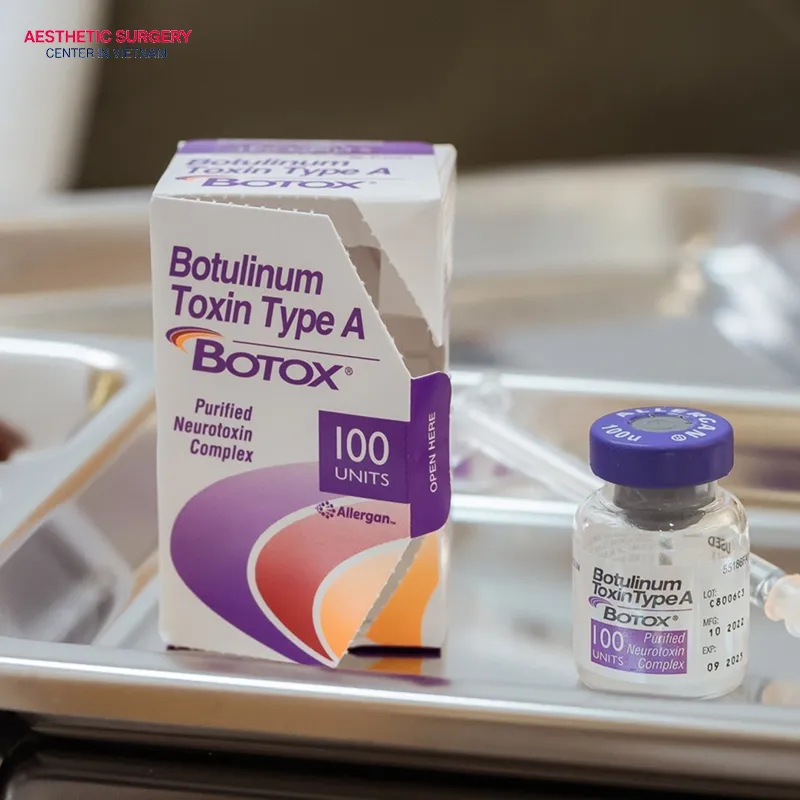
Manufacturers supply botox in a freeze-dried powder form in sealed vials with a fixed number of units. When you visit a clinic, this is the doctor’s “supply stock”:
- 50 units vial: Usually used for small treatments or a single treatment area.
- 100 units vial: This is the most common standard used in most aesthetic clinics.
Each doctor may use a different dilution ratio. The same volume of liquid in a syringe may contain different numbers of units. Knowing exactly how many units of botox helps you compare prices more transparently and ensures safety, avoiding overdosing or insufficient dosing that may not produce visible results.
How many units of botox for each area?
Each facial area requires a specific botox dosage to achieve the perfect balance between aesthetic results and natural facial expression. Below is the standard medical reference dosage for the most common treatment areas.
How many units of botox for the forehead?
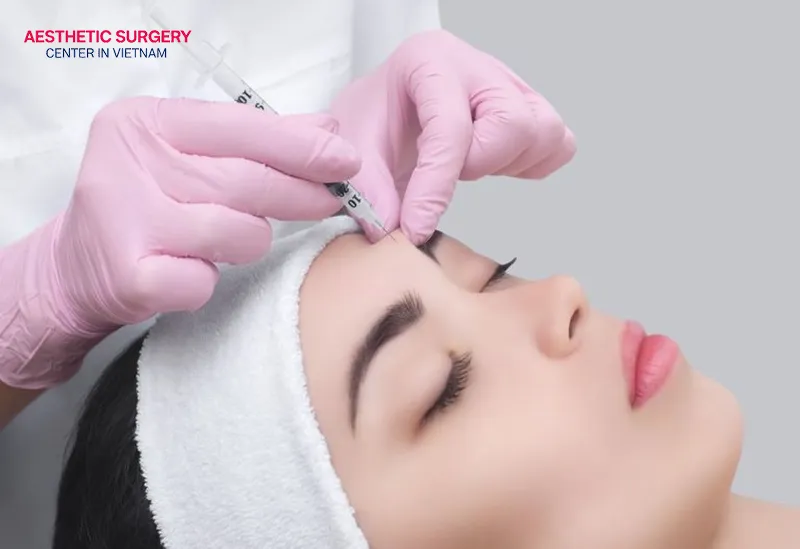
The forehead is where horizontal lines commonly appear due to raising the eyebrows or making surprised expressions. In most cases, specialists use about 10 to 20 units of botox for this area. A moderate dosage can smooth the lines and create a more youthful and relaxed appearance. Doctors often prefer a gentle, distributed injection technique to maintain natural eyebrow movement.
How many units of botox for crow’s feet?
The wrinkles between the eyebrows (often called the “11 lines”) form due to frequent frowning or intense concentration. This area has relatively strong and thick muscles, so the required dosage usually ranges from 15 to 25 units.
The goal is to relax the muscles that cause the lines, helping remove the tired, worried, or angry appearance. Because the muscles in this area are strong, using the correct dosage not only softens deep lines but also helps prevent them from becoming permanent static botox for wrinkles.
How many units of botox for masseter reduction?
Masseter botox for jaw slimming is extremely popular in Asia. Since the jaw muscle is one of the strongest muscles in the body, the dosage here is significantly higher, usually 20 to 30 units per side of the jw. aBotox temporarily weakens the chewing muscle, allowing it to gradually shrink over time. This helps create a slimmer and softer facial contour. Results are usually noticeable after about 4 weeks, when the muscle begins to reduce in size.
How many units of botox for lip flip?
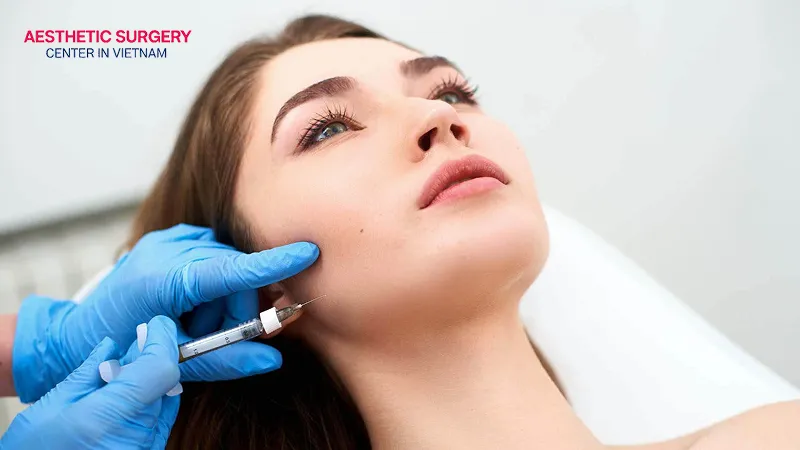
The dosage used is extremely small, usually about 2 to 4 units for the upper lip. A small amount of botox relaxes the muscles along the lip border, allowing the upper lip to gently roll outward. This is an ideal option for individuals. The botox lip flip technique is a delicate procedure that enhances the upper lip line and creates the appearance of fuller lips without using filler. Because the muscles around the mouth are very sensitive and directly affect eating and speaking.
How many units of botox for jowls?
The chin area often develops an “orange peel” texture or sagging due to overactive chin muscles. To smooth this area and create a more refined and defined chin, doctors usually recommend about 4 to 10 units of botox.
When the chin muscles relax, the soft tissue becomes smoother. This helps reduce uneven dimples and prevents the chin from pulling upward when speaking.
Potential side effects and risks inject too much
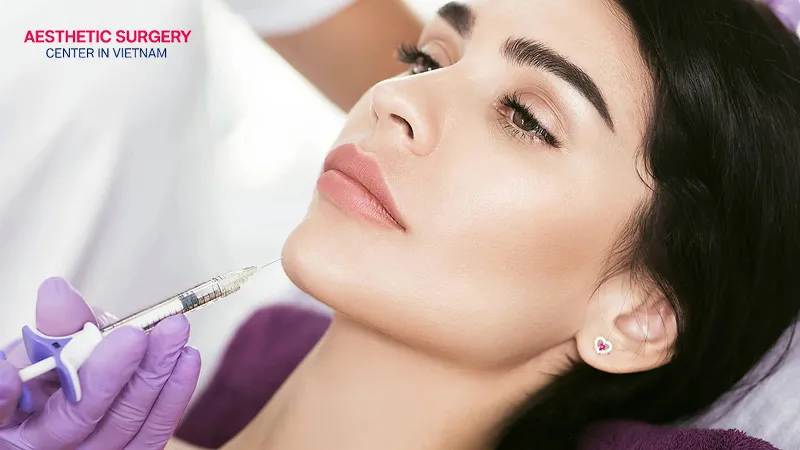
Although botox is a safe cosmetic treatment when performed by a qualified specialist, injecting too much or using improper technique can lead to unwanted consequences. When an excessive number of units is injected into small facial muscles, the biggest risk is a “frozen face,” where natural facial expressions are reduced or lost.
In more serious cases, botox may spread to nearby muscles. This can cause drooping eyelids, raised or uneven eyebrows, or an unbalanced smile.
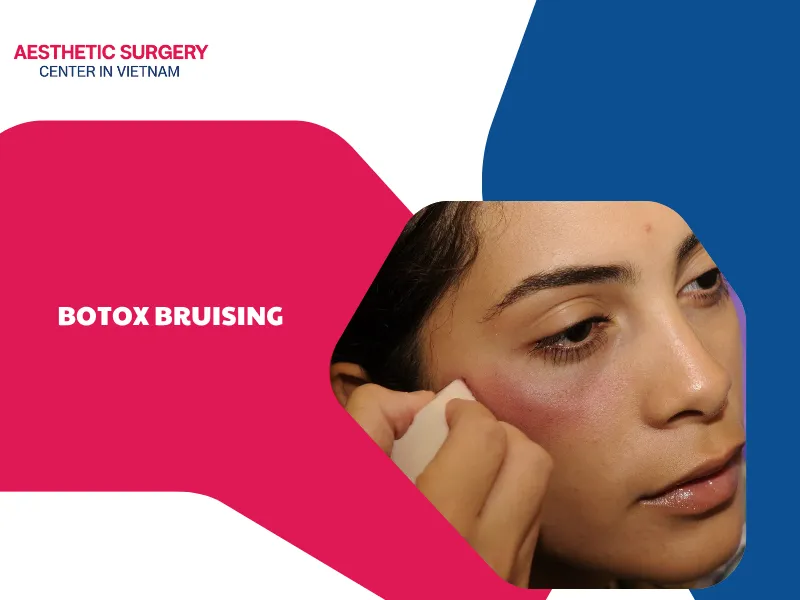
In addition, common botox side effects such as bruising, mild swelling, or headaches usually disappear after a few days.However, if too much botox is injected into sensitive areas like around the mouth or neck, you may temporarily experience difficulty eating or speaking.
To ensure maximum safety, the most important factor is not finding the cheapest price. Instead, you should choose a highly skilled doctor who can determine the correct and appropriate dosage.
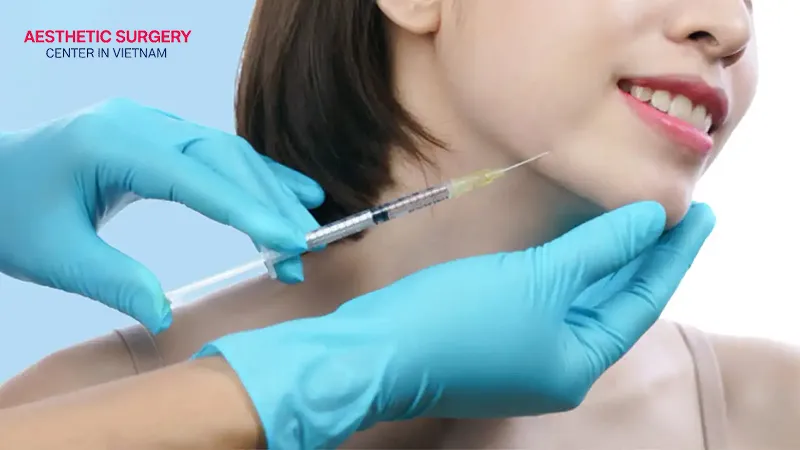
“How many units of Botox do you need?” is a personalized question with no single answer. The ideal dosage depends entirely on your muscle structure, wrinkle depth, and individual aesthetic goals. Instead of searching for a general number, prioritize choosing reputable clinics and experienced doctors to receive accurate professional consultation. Contact a specialist today to get a personalized treatment plan.
>>> See more: Botox in Vietnam















Comment on the post