



How often do you have to do botox? This is one of the top questions for beauty enthusiasts when starting their skin rejuvenation journey. To maintain a radiant appearance, scheduling follow-up injections and understanding the factors that affect the longevity of the treatment are very important. Learn more about the injection frequency and whether you need to maintain this treatment regularly in the following article.
How often do you have to do botox?
Typically, a single treatment maintains results for about 3 to 4 months. This means that to maintain your appearance and prevent dynamic wrinkles from forming again, you should schedule botox injections about 3 to 4 times per year.
However, this number is not fixed for everyone. Injection frequency depends on many factors. Therefore, do not worry about how often you have to do botox in a rigid way. Listen to advice from specialists to create a personalized treatment plan that ensures the most natural and long-lasting beauty.

How botox works?
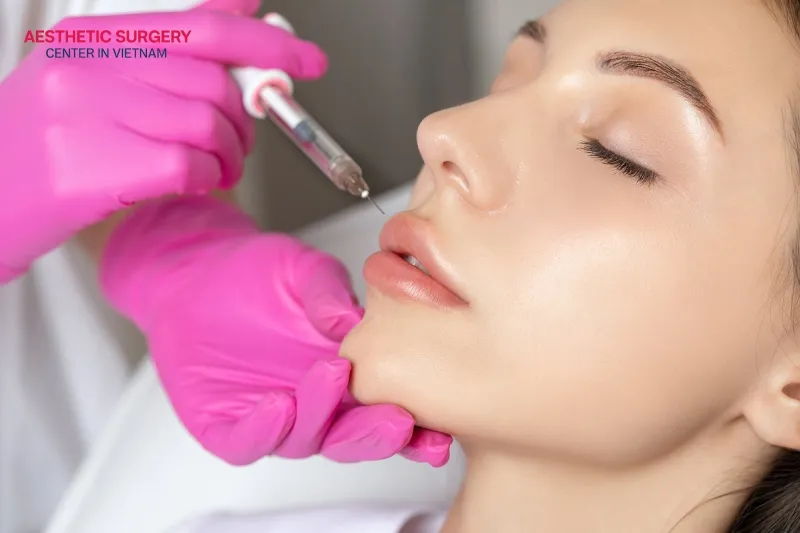
Botox, in essence, is a purified protein that temporarily blocks nerve signals to muscles. When injected into areas such as the forehead or crow’s feet, this substance relaxes overactive muscle groups, which are responsible for dynamic wrinkles when smiling or frowning.
This process occurs naturally and gradually, usually reaching optimal results after about 7 to 14 days. However, because the body can regenerate and restore nerve connections, the effects of botox cannot last forever.
When nerve fibers begin sending signals again, the muscles return to normal activity and wrinkles gradually reappear. This continuous metabolic process makes determining how often you have to do botox a key factor in maintaining a youthful appearance without losing natural facial expressions.

Scheduling repeat botox sessions
When discussing how often you have to do botox with your doctor, you should consider setting a regular schedule of about every 3 to 4 months.
Maintaining consistent intervals not only helps preserve a youthful appearance smoothly but may also reduce the dosage needed in future treatments. Do not wait until botox completely wears off before scheduling your next appointment.
Factors that affect how long your botox treatment lasts
Understanding the factors that affect botox longevity will help answer how often you have to do botox for your specific case.
- First, body response and metabolism rate play a key role. Individuals with active lifestyles or intense workouts tend to break down botox faster than usual.
- The size and strength of the treated muscle groups also have a significant impact. Strong muscles such as the masseter or forehead muscles often require more frequent treatments compared to smaller muscle areas.
- Injection technique and the number of units used are also key factors that determine how long the results last.
- External factors such as excessive sun exposure or improper skincare habits can also reduce the longevity of the treatment and potential for undesirable botox side effects.

What botox injections really do and why frequency matters?
Botox is not simply a wrinkle removal method. It is a mechanical adjustment therapy that helps the face appear more refined and youthful. By relaxing overactive muscle groups, botox helps prevent the formation of deep wrinkles.
Because of this “prevention is better than treatment” ability, determining how often you have to do botox becomes extremely important for protecting the skin structure in the long term.
Injection frequency plays a key role. If the interval between treatments is too long, the muscles will regain their full strength, causing wrinkles to return as before. In contrast, maintaining a proper schedule helps the muscle groups gradually weaken in a controlled way. This can extend the effectiveness between treatment sessions.

Do you have to keep getting botox if you get it once?
The short answer is no, it is not required. However, it depends entirely on your aesthetic goals. If you decide to stop after the first treatment, your facial muscles will gradually regain their full movement and wrinkles will return to their original state. Stopping injections will not make your skin more wrinkled. It simply allows your face to return to the natural aging process. However, once individuals become used to a more youthful appearance, many choose to repeat the treatment to extend the prevention of aging signs.
Instead of seeing this as a mandatory commitment, consider it part of a regular skincare routine. You should consult with a specialist regularly to adjust the treatment plan according to changes in your face over time.
What happens after 20 years of botox?
Using botox for a long period, such as 20 years, is an interesting topic in the aesthetic field. Looking back at this long journey, the results often bring positive changes to skin structure, but they also require careful adjustments from the doctor.
Below is what may happen to your face after two decades of maintaining this treatment:
- Beneficial “muscle weakening”: When muscles are not used frequently for 20 years, they tend to become thinner and weaker. At that point, you may need fewer botox units, and the interval between injections can be longer while still maintaining rejuvenation results.
- Changes in facial muscle balance: Over time, muscle groups that are not affected by botox may become more active to compensate for the resting muscles. This may lead to slight changes in the way you express facial emotions.
- Natural aging still occurs: Botox for wrinkles, but it cannot stop the natural aging process. You may still notice changes in skin elasticity and facial bone structure. At this stage, botox is often combined with other treatments such as fillers or lifting procedures to maintain an overall youthful appearance.
- Natural aging still occurs: Botox treats wrinkles, but it cannot stop the natural aging process over time. You will still notice changes in skin elasticity and facial bone structure. At this stage, botox is often combined with other treatments such as filler or lifting procedures to maintain an overall appearance.

How often do you have to do botox? The answer lies in understanding your body and your personal aesthetic goals. Although the average interval is 3–4 months, maintaining regular treatments helps facial muscles stay rejuvenated in a more sustainable way. Consult with a specialist to create an optimal plan that helps you stay confident with a radiant appearance. Wishing you a fresh look and long-lasting youthful beauty.
















Comment on the post