


The nose sits at the center of the face and contributes up to 80% of facial beauty. However, a common feature of many Asians is a flat nose bridge and wide nostrils, which can make the face look less refined and lack depth. To correct this concern, flat nose rhinoplasty is an ideal solution to transform your appearance and help you feel more confident in communication and daily life. So what are the benefits of low bridge nose correction? How much does it cost? Let’s explore the details in this article.
Rhinoplasty for a flat nose
Flat nose rhinoplasty is a procedure that uses implant materials such as silicone implants, autologous cartilage, or a combination of both. The surgeon will perform dissection and reshaping to raise the nasal bridge. In many cases, the tip and nostrils can also be adjusted to create a more balanced and refined overall look.
More than just increasing height, low bridge nose correction helps the face look more proportionate, defined, and three-dimensional from every angle. It also helps patients overcome insecurity about their original appearance.
Popular flat nose rhinoplasty methods today:
- Implant rhinoplasty: Uses materials such as silicone or Surgiform to enhance the nasal bridge only.
- Cartilage graft rhinoplasty: Combines an implant to raise the bridge and autologous cartilage to protect the nasal tip and reduce redness or thinning.
- Structural rhinoplasty: A full reshaping approach that improves the bridge, tip, and columella. It is suitable for flat noses with wide nostrils or a short upturned nasal tip.
What causes a flat nose?
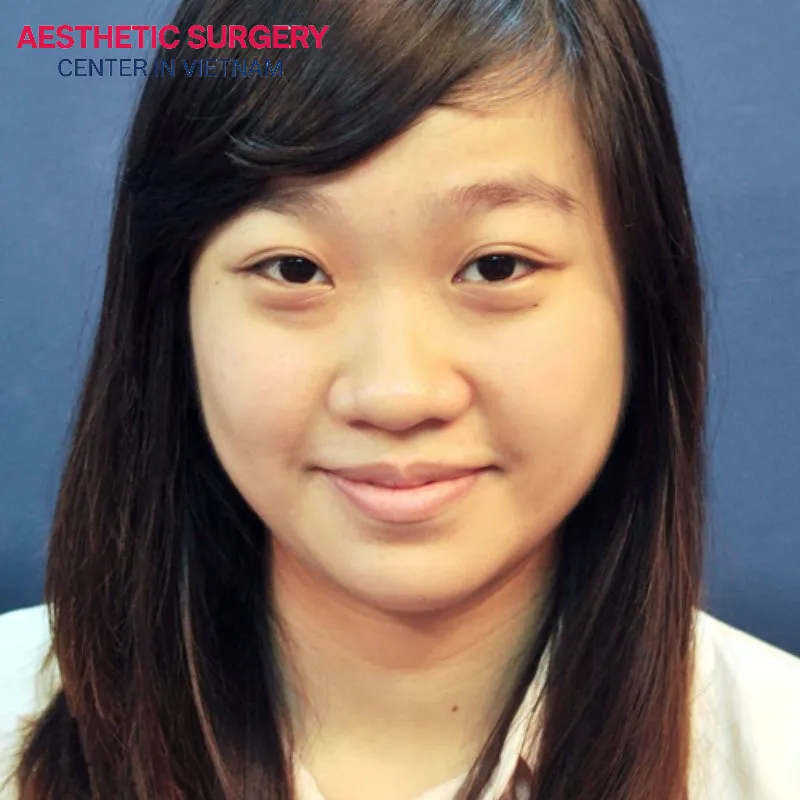
A flat nose can come from different factors, from genetics to external influences during development. Below are the main causes of a flat nose:
Genetic factors
Genetics is the most common cause that determines your nose shape. According to anthropometric studies, Asians in general and Vietnamese individuals in particular often have inherited features such as a low nasal bridge, thick nasal tip soft tissue, and wide nostrils. If one of your parents has a flat nose, there is a high chance you may inherit this feature, because facial bone structure is shaped by DNA.
Lifestyle habits and misconceptions
Many individuals believe that childhood habits such as pinching the nose, rubbing the nose, or sleeping face down can make the nose flatter. In reality, while strong pressure on cartilage when bones are not yet stable may cause minor changes, lifestyle habits mainly affect the natural development of soft tissue. However, the belief that “rubbing the nose can make it higher” has no scientific basis to completely change the naturally low nasal bridge structure.
Injuries and external impact
Another cause of a flat, upturned, or crooked nose is unexpected trauma. Strong impacts from sports injuries, traffic accidents, or falls can fracture the nasal bone or damage the septal cartilage. If it is not treated and reshaped in time, the nose structure may collapse during healing. This reduces the natural height of the nasal bridge and makes the nose look flatter than before.
Complications from failed rhinoplasty
In some cases, a flat nose is the result of unsafe cosmetic procedures or improper post-operative care. Poor-quality implants, overly deep dissection that leads to capsular contracture, or infection that causes tissue shrinkage can make the nasal bridge sink and become deformed over time. This is a common reason why many individuals need revision rhinoplasty structural to correct a flat nose caused by complications.
Benefits of flat nose surgery
Flat nose rhinoplasty is not only a physical change. It also brings positive value in terms of confidence and facial harmony. Below are key benefits:
Improve appearance and facial balance
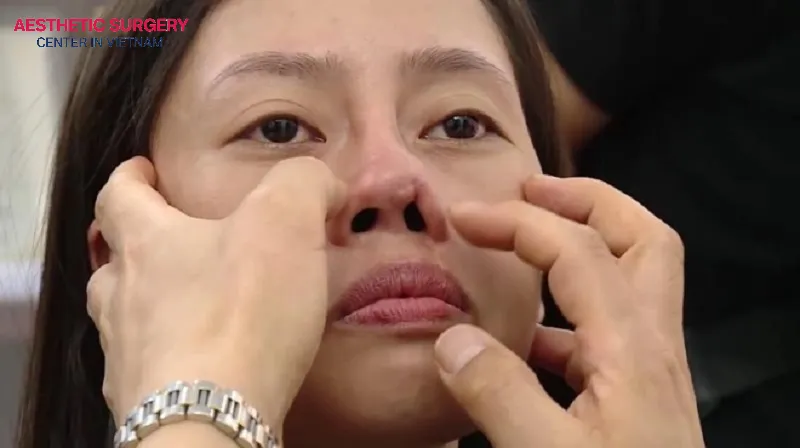
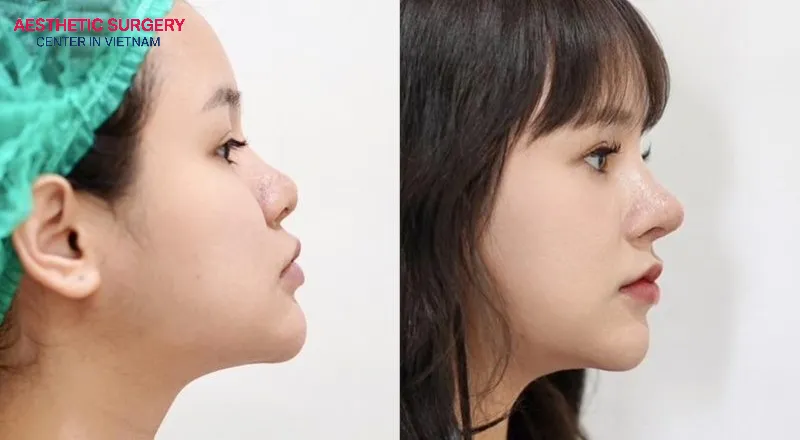
The main benefit of flat nose rhinoplasty is correcting common concerns such as a flat nose, a dorsal hump, a bulbous tip, or wide nostrils. A higher and more refined nasal bridge that matches the facial features helps create a clear focal point, making the face look sharper and more elegant. Especially for Asians, flat nose surgery can create a “smaller face” effect, making the overall look more balanced and luxurious from both the front and side views.
Boost confidence and mental well-being
A new appearance often comes with positive psychological changes. When you feel satisfied with your look, you become more confident in communication and open up more opportunities in work and life. Insecurity about a low or short nose can make many individuals feel uncomfortable in crowds or when taking photos. That is why cosmetic surgery can help relieve mental pressure and bring a more optimistic mindset.
Improve breathing function in some cases
Although the main goal is usually aesthetic improvement, some techniques such as structural rhinoplasty can also correct a deviated septum or other internal structural issues. Restoring the nose to a proper medical structure not only enhances the nose shape but can also improve airflow. It may reduce symptoms such as chronic nasal congestion or breathing difficulty caused by congenital deformities or trauma.

A positive change in face reading (Physiognomy)
According to folk beliefs and feng shui, the nose is considered the “Wealth Palace.” A nose with a high, straight bridge, a rounded tip, and well-shaped nostrils is often seen as a symbol of good luck, career success, and financial prosperity. Many individuals choose flat nose rhinoplasty with the hope of “changing their fortune,” making the face look brighter and attracting more positive energy.
How flat nose rhinoplasty works?
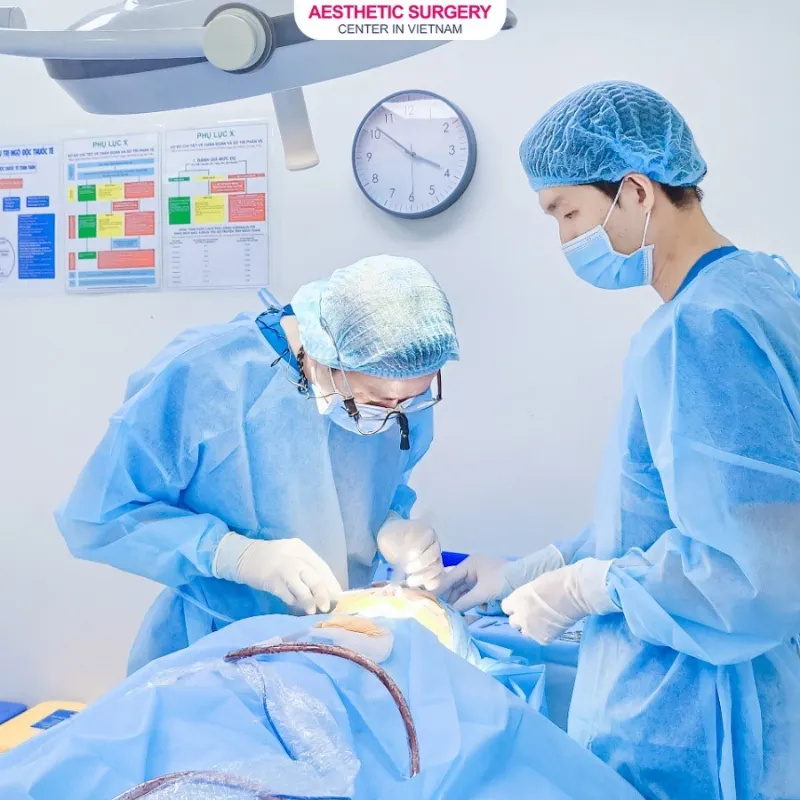
Flat nose rhinoplasty is a procedure that restructures the nose and adds height to create a new nose shape. The process is usually done through the following steps:
Step 1. Consultation and proportion planning
Before surgery, the surgeon checks the nasal bone structure and the elasticity of the nasal skin. Because a flat nose often comes with thin skin or a short nasal tip, the surgeon must measure and plan the ideal height carefully. This helps the nose match the forehead and chin, and avoids over-correction that may cause tightness or skin thinning at the tip.
Step 2. Anaesthesia and nasal dissection
The surgeon performs local anaesthesia to ensure you do not feel pain. Then, a small incision is made, usually at the columella or inside the nostril, to access the nasal bone and cartilage. From there, the surgeon creates a suitable pocket between the nasal bone and the skin to place the implant material.
Step 3. Implant placement and nasal bridge shaping
This is the most important step in transforming a flat nose into a higher nose bridge. The surgeon uses an implant such as silicone or Surgiform, carefully carved to fit the nasal bridge. With modern methods such as cartilage-covered rhinoplasty or structural rhinoplasty, the surgeon may also use autologous cartilage to wrap and extend the nasal tip, creating a more rounded and natural-looking tip.
Step 4. Closure and nose stabilisation
After adjusting the nasal bridge to ensure it is balanced and not deviated, the surgeon closes the incision using specialised aesthetic sutures. Finally, a medical splint is applied to stabilise the new nose shape. This helps the tissues and cartilage stay in place and prevents shifting during the early recovery period.
How much does flat nose surgery cost?
The cost of flat nose rhinoplasty is often affected by factors such as the surgical method, cartilage material, clinic, and surgeon’s expertise. In general, low bridge nose correction prices range from 15 to 120 million VND. Below is the latest updated price list for 2026 for your reference:
| Nose augmentation method | Technical characteristics | Estimated cost (VND) |
| Artificial implant rhinoplasty | Only elevates the nasal bridge using Silicone or Softxil implants. | 15,000,000 – 30,000,000 |
| Autologous cartilage-wrapped implant rhinoplasty | Uses an artificial implant for bridge augmentation + wraps the nasal tip with ear cartilage. | 25,000,000 – 45,000,000 |
| Structural rhinoplasty | Full reconstruction (nasal bridge, tip, and columella). | 40,000,000 – 75,000,000 |
| Costal cartilage rhinoplasty | Uses autologous rib cartilage to build the nasal framework. | 80,000,000 – 120,000,000+ |
| Nanoform/Surgiform implant rhinoplasty | Uses premium artificial implants with high durability and strong adherence. | 50,000,000 – 90,000,000 |
Recovery after flat nose rhinoplasty
Recovery time after flat nose rhinoplasty is usually divided into clear stages. Depending on your healing ability and the surgical technique, the typical recovery timeline includes:
Standard recovery stages
- Days 1–3: This is the stage when the nose is swollen and may have mild bruising around the eyes. You will need to wear a splint to stabilise the nose shape.
- Days 7–10: The surgeon removes the splint and stitches. Swelling is reduced by about 70–80%. The nose shape becomes more visible but may still look slightly stiff.
- Weeks 2–4: Bruising fades completely and the nose looks more natural. You can return to light daily activities.
- Months 3–6: This is when the nose reaches its most final shape. Internal tissues fully bond with the cartilage. The nasal tip becomes softer and looks natural, like a real nose.
Flat nose rhinoplasty address in Vietnam
Choosing a cosmetic clinic to improve a flat nose is an important decision. It requires careful consideration of both reputation and surgical technique. Aesthetic Surgery Center In VietNam is one of the leading aesthetic systems in Vietnam, trusted by many patients for flat nose rhinoplasty thanks to the following advantages:
- Aesthetic Surgery Center in VietNam stands out with modern methods that effectively correct flat nose concerns and short nasal tips, such as structural rhinoplasty and 8D super structural rhinoplasty. These techniques help create the most beautiful and natural nose shape for each client.
- The center uses high-biocompatibility cartilage materials to minimise the risk of rejection or implant visibility.
- The team of surgeons at Aesthetic Surgery Center In VietNam has strong medical expertise and extensive experience in treating typical Vietnamese nose shapes such as flat noses. The surgeon designs the nose based on golden facial proportions to ensure the new nose looks harmonious and not overdone or stiff.
- The operating room and surgical process meet strict Ministry of Health standards, helping reduce infection risks.
- Advanced equipment is used to support diagnosis and ensure precise surgery down to every millimetre.
- patients receive dedicated support staff for cleaning guidance, bandage changes, and close monitoring during the healing and shaping process.
- The brand provides clear warranty policies for rhinoplasty services, ensuring long-term peace of mind.
- Every month, Aesthetic Surgery Center In VietNam offers attractive promotions to help patients save on costs.
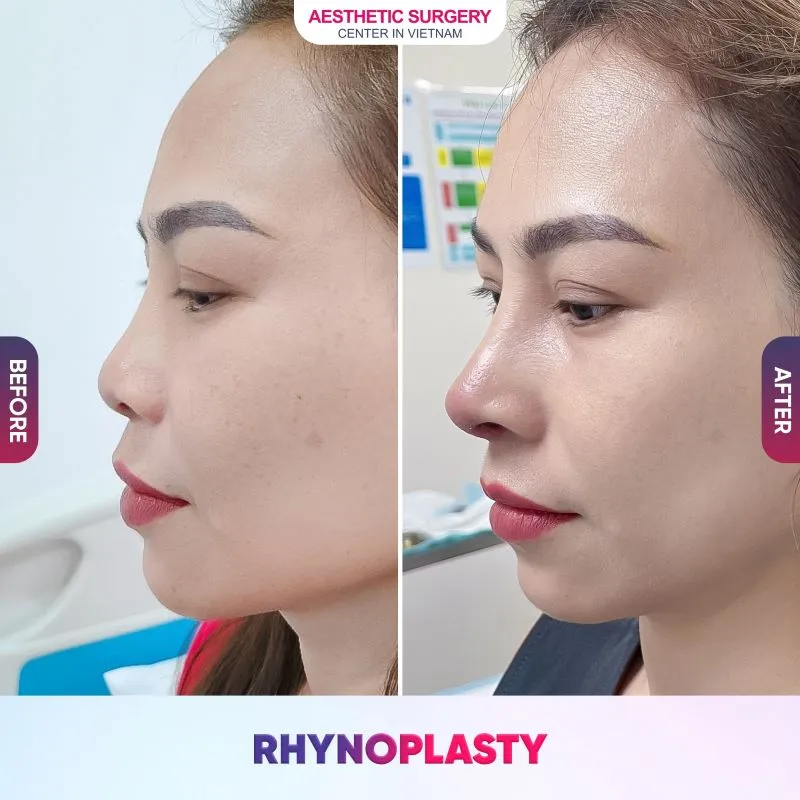
With the advantages above, if you are looking for rhinoplasty clinic in Vietnam for low bridge nose correction, you can consider rhinoplasty services at Aesthetic Surgery Center.
After reviewing the key information about flat nose rhinoplasty, it is clear that this procedure can help individuals with a flat nose quickly correct imperfections and achieve a new nose shape that looks more harmonious and balanced with the face. Most importantly, you should choose a reputable aesthetic clinic to avoid unwanted risks.

















Comment on the post