



A beautiful nose is not only about the height of the nasal bridge. It also depends on the harmony of the nasal tip and nostrils. However, many Asians have a round, bulky nasal tip and wide nostrils, which can make the face look less refined and reduce confidence. That is why reduction rhinoplasty has become a perfect solution, helping refine these concerns to achieve the most natural and sharp-looking beauty. So what is small rhinoplasty? How is it performed? What is the cost? All will be explained in this article.
What is a reduction rhinoplasty?
Reduction rhinoplasty is a cosmetic procedure that focuses on the nasal tip and nostrils. It removes excess soft tissue or cartilage to create a smaller nose shape that looks slimmer and more harmonious with the face.
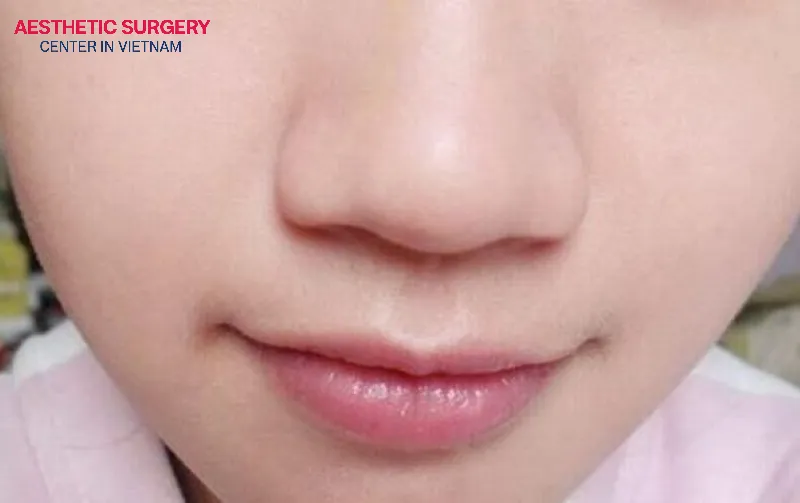
This procedure is especially effective for individuals with a round, large nasal tip, wide nostrils, flared nostrils, or uneven nostril shape. Depending on each concern, the surgeon may perform nostril reduction, alar base reduction, or nasal tip cartilage reshaping to create a neat, natural “lemon-seed” nostril shape. This is usually a minor surgery with minimal invasion, but it requires high precision to ensure balance and avoid visible scars.
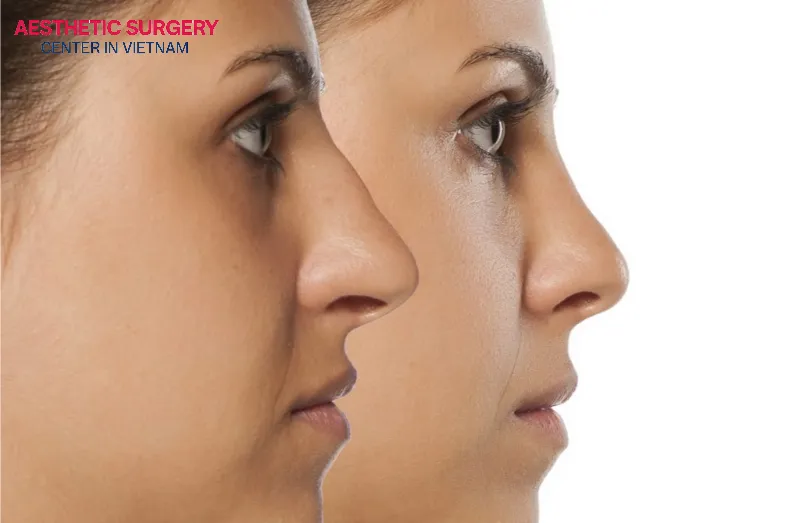
The best candidates for a nose reduction
Reduction rhinoplasty is not only about making the nose smaller. It also helps balance overall facial proportions. Below are the ideal candidates who may consider rhinoplasty for a small nose to achieve the best results:
- Individuals with a large, bulky nasal tip that looks too big compared to the nasal bridge.
- Individuals with wide, thick, flared nostrils that spread outward when smiling or even at rest.
- Individuals with large, round, horizontal nostrils, or uneven and asymmetrical nostrils.
- Individuals with a naturally high nasal bridge but an overall large nose shape.
- Individuals who want to improve physiognomy and attract good fortune.
How a reduction rhinoplasty is performed?
The reduction rhinoplasty procedure is a careful combination of dissection and reshaping techniques, depending on whether the concern is in the nasal tip or the nostrils. To better understand how nose reduction surgery works, you can review the steps below:
Step 1: Examination and consultation
The surgeon will assess your nose to identify whether the large nose appearance is caused by soft tissue, tip cartilage, or wide nostrils. Then, the surgeon will measure and mark the areas that need correction to ensure balanced results after surgery.
Step 2: Disinfection and local anesthesia
To help you feel comfortable throughout the procedure, the surgeon will disinfect the nose area and apply local anesthesia.
Step 3: Nose reduction surgery
The surgeon will perform dissection to treat the main cause of a large nose. If the issue comes from loose tip cartilage, the surgeon may trim the cartilage or stitch and reshape the cartilage structure. If the issue is excess soft tissue, fat and extra tissue will be removed to create a slimmer nasal tip.
For the nostrils, the surgeon may use an internal alar cinching technique with hidden stitches inside the nostrils, or remove a small amount of tissue at the alar-facial groove to reduce the width of the nostrils.
Step 4: Suturing and aftercare instructions
Finally, the surgeon will close the incision with ultra-fine cosmetic sutures. The suture line is usually hidden in the natural fold of the nostrils or inside the nostrils to avoid visible scarring. After that, the surgeon will guide the patient on proper aftercare and restrictions at home to support faster recovery and achieve the best final nose shape.

How much will a small rhinoplasty surgery cost?
The cost of reduction rhinoplasty surgery can vary widely, depending on the nose condition, surgical technique, and the reputation of the clinic. For smaller nostrils rhinoplasty (alar reduction), the price usually ranges from 6,000,000 VND to 15,000,000 VND. Meanwhile, small rhinoplasty for a large nasal tip requires more advanced techniques, so the cost is often higher, ranging from 12,000,000 VND to 30,000,000 VND.
Risks of a nose reduction surgery
Although reduction rhinoplasty is considered a minor procedure, like any invasive treatment, it still carries certain risks if it is not performed in a sterile environment or by an inexperienced surgeon. Below are some possible risks:
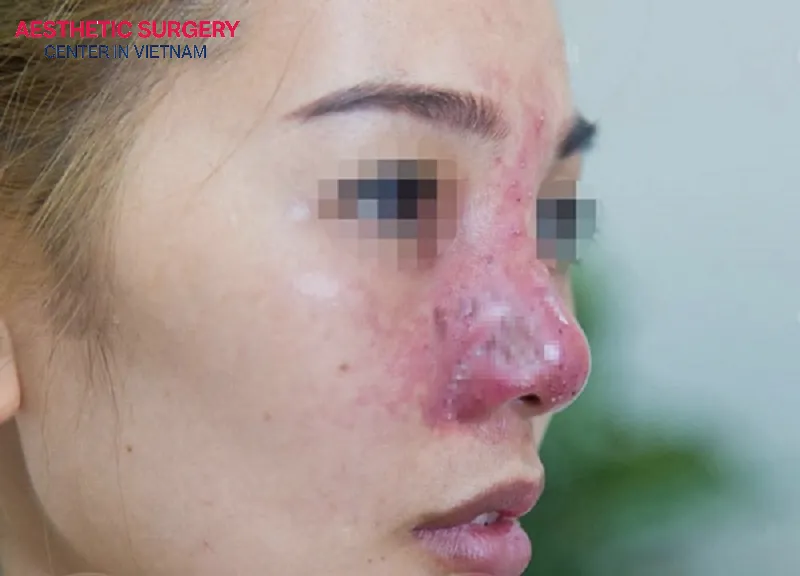
Infection and prolonged swelling: This is the most common risk if hygiene before and after surgery is not properly ensured. Bacteria may enter the incision, causing redness, pain, discharge, or pus. In some cases, if not treated promptly with antibiotics, infection can lead to tissue necrosis or nasal deformity.
Keloid scars or poor scarring: Scarring is a major concern for many individuals, especially with smaller nostrils rhinoplasty performed through external alar base incisions. If the surgeon does not stitch carefully, uses unsuitable sutures, or if the patient is prone to keloid scars and does not follow proper aftercare, the incision may leave visible marks and reduce the natural aesthetic of the face.
Asymmetry or an overly narrowed nose: This usually happens when the surgeon miscalculates proportions or removes too much tissue and cartilage. Such errors often lead to the need for a rhinoplasty for uneven nostrils, asymmetrical alar wings, or even an overly pinched nasal tip that affects breathing. Revision rhinoplasty after excessive tissue removal is often more complex and much more expensive than the first surgery.
Breathing problems: This may occur if small rhinoplasty changes the internal nasal valve structure. When supporting cartilage becomes weakened or overly tightened, the airway may narrow, leading to chronic nasal congestion or shortness of breath during intense activity. This is why choosing a surgeon who understands both aesthetics and nasal anatomy is extremely important.
Post surgical side effects
After a reduction rhinoplasty, your body will have natural reactions to heal itself. These side effects are usually temporary and will go away after a short time if you follow proper aftercare.
Swelling and bruising: This is the most common side effect. The nose and nearby areas such as the under-eye area or cheekbones may swell and develop bruising. This usually peaks within the first 48 hours and gradually improves after about 5–7 days.
Pain and tightness: When the anesthesia wears off, you may feel mild aching or tightness around the nasal tip and nostrils. However, this discomfort is usually mild, tolerable for most individuals, and can be well controlled with pain medication prescribed by your surgeon.
Nasal congestion or light drainage: Due to irritation of the nasal lining and internal swelling, you may feel stuffy and have difficulty breathing through your nose in the first few days. The incision may also release a small amount of pinkish fluid. This is normal, and you only need to gently clean it using a cotton swab.
Temporary numbness or loss of sensation: Because the sensory nerve endings in the nasal skin may be mildly affected during dissection, you may feel numbness or stiffness in the nasal tip, with reduced sensation when touched. This reaction will gradually improve as the nerves reconnect, usually taking about 1–3 months.
Itching at the wound site: When new skin starts forming around day 5 to day 10, you may feel mild itching along the stitches on the nostrils or nasal tip. This is a good sign that healing is progressing. However, you should not scratch or rub the area strongly to avoid injury or shifting the nose structure.

Rhinoplasty recovery time
Recovery after a reduction rhinoplasty is usually faster because it does not involve much work on the nasal bones. The typical recovery timeline includes:
- 1–3 days: The nose will be swollen and may have mild bruising. You may feel some tightness, but it is completely manageable.
- 5–7 days: This is the most important time for stitch removal. The incision is closed, swelling decreases by about 70–80%, and you can return to normal daily activities and work.
- 2 weeks: Any bruising (if present) usually fades completely. The nose starts to stabilize, the tip becomes less stiff, and the result looks more natural.
- 1–3 months: The nose fully recovers. Internal tissues become stable, and any scar on the nostrils (if present) gradually fades and becomes almost unnoticeable.
Reduction rhinoplasty address in Vietnam
Choosing the right clinic for a nose reduction rhinoplasty greatly affects the final aesthetic result. Therefore, you should be careful when selecting a cosmetic facility. Always choose a place that meets key criteria such as legal licensing, skilled surgeons, a medically standardized procedure, and modern technology. Among many options, you can choose Aesthetic Surgery Center in Vietnam for a nose rhinoplasty for small nose.
Here, the nose tip and nostril reduction procedure is performed in a sterile environment that meets the standards of the Ministry of Health, helping minimize the risk of infection and shorten swelling time. In addition, the experienced and highly qualified surgeons at Aesthetic Surgery Center In Vietnam perform precise dissection techniques to remove excess tissue or refine cartilage delicately without going too deep. This ensures the nose remains harmonious, natural-looking, and free from visible scarring after surgery.
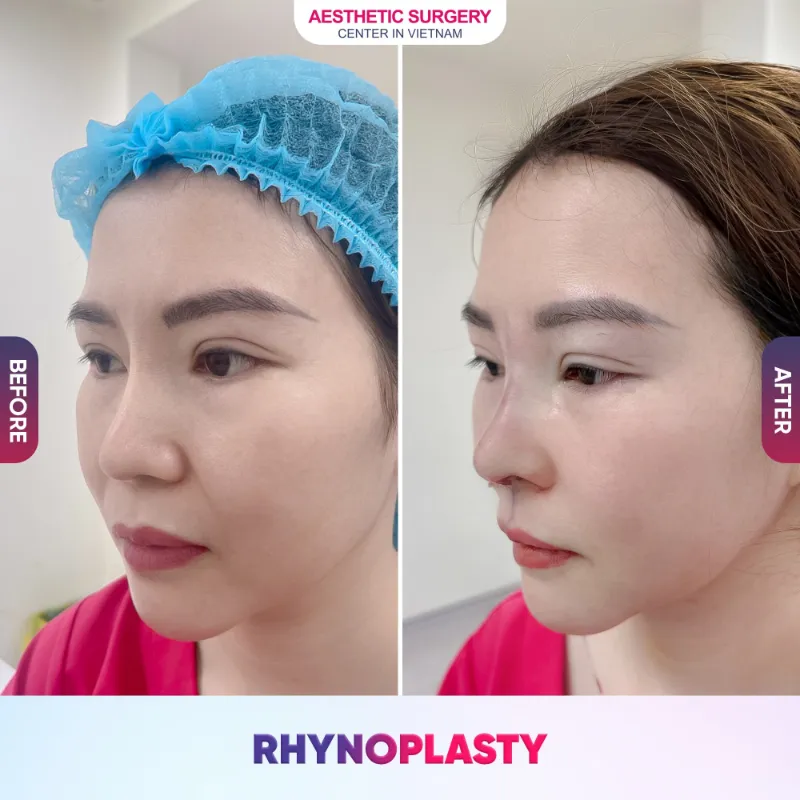
Furthermore, clients benefit from dedicated 1-on-1 post-operative care and a transparent warranty policy, ensuring sustainable aesthetic results and long-term safety. With these outstanding features, you can confidently choose nose reduction surgery at Aesthetic Surgery Center In Vietnam.
We hope the information above has provided you with a clearer understanding of the reduction rhinoplasty surgery method. Possessing a slim, harmonious nose not only refines your facial features but also significantly boosts your daily confidence. However, to achieve the most perfect and safest aesthetic results, please prioritize reputable aesthetic facilities with highly skilled surgeons and standardized procedures. Do not hesitate to invest time in a direct consultation and thoroughly research post-operative care to maintain your beauty over time.
>>> See more: Rhinoplasty clinic in Vietnam


















Comment on the post