


Cleft lip and palate often leave complex nasal deformities. These include a short columella, drooping nasal wings, and a deviated septum. These issues affect appearance and breathing function. Modern cleft palate rhinoplasty was developed as an effective solution. It helps fully reconstruct the nasal structure. It restores balance and a natural look to the patient’s face. So, what is cleft rhinoplasty? How is it performed, and how much does it cost? Let’s explore these questions in this article.
What is cleft rhinoplasty?
According to specialists, cleft lip and palate is a condition involving a gap between the oral cavity and the nasal cavity. It occurs due to insufficient tissue in the mouth and palate. These tissues fail to fuse normally during development. This condition is often caused by genetic factors or environmental influences during pregnancy. With advances in modern aesthetic technology, this deformity can now be corrected through rhinoplasty cleft palate.
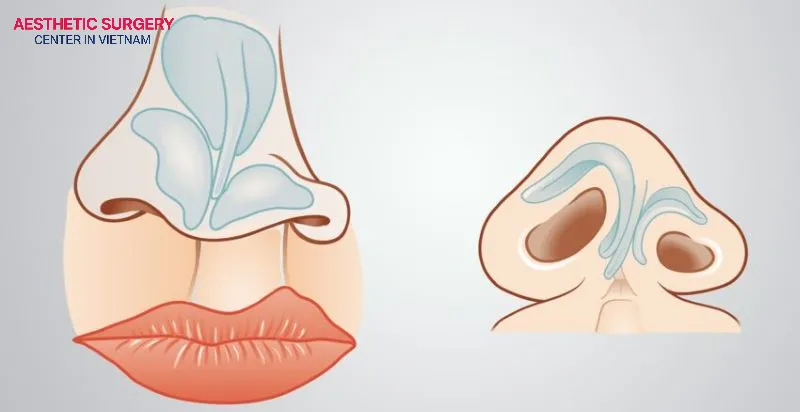
Unlike conventional cosmetic rhinoplasty, this procedure focuses on fully reconstructing the collapsed nasal base, correcting a deviated septum, lengthening the columella, straightening the nasal bridge, and reshaping nasal wings that are deformed or wide. While it shares some structural reconstruction goals with ethnic rhinoplasty, such as reinforcing the nasal tip and building up a flat bridge, cleft surgery is significantly more complex due to the presence of severe scar tissue and underlying skeletal gaps. Surgeons often prioritize autologous materials such as rib cartilage or ear cartilage to augment areas with tissue deficiency. This approach provides stable nasal support and achieves optimal balance with the overall facial structure.
Cleft rhinoplasty is not only an aesthetic advancement. It also carries deep humanitarian value. The procedure helps patients improve breathing function and regain confidence in social communication.
>>> See more: Rhinoplasty for saddle nose
What are the benefits of cleft rhinoplasty?
Cleft lip rhinoplasty offers many benefits for patients. It goes beyond appearance improvement and has positive effects on physical health and mental well-being. Below are the key benefits of this procedure:
Restore facial balance and aesthetics
The most significant benefit of cleft lip rhinoplasty is the reconstruction of a nose that has been severely deformed by cleft lip sequelae. The surgery corrects a deviated septum, elevates the nasal bridge, lengthens the columella, and performs rhinoplasty for uneven nostrils that are wide or drooping. This intervention creates a more harmonious and natural facial appearance. It removes visible signs of congenital deformities that previous lip repair surgeries could not fully address.
In addition, the use of autologous materials such as rib cartilage ensures high compatibility and long-term stability. This helps patients achieve a durable nasal shape over time. Facial features become more balanced, without being pulled to one side. The result is a refreshed appearance that builds confidence from the very first impression.
Improve respiratory function and ear, nose, and throat health
In patients with cleft lip and palate, nasal structures are often deformed. This can narrow the airway or cause severe septal deviation. These issues lead to chronic nasal congestion and difficulty breathing through the nose. Reconstructive surgery helps remove obstructions and reposition the septum to the midline. As a result, airflow becomes smoother and breathing improves. This also significantly enhances sleep quality and overall respiratory health.
In addition, reshaping the nasal base and nasal vault helps reduce related conditions. These include sinusitis, allergic rhinitis, and middle ear problems commonly seen in cleft palate patients. When proper breathing function is restored, overall health and physical well-being improve noticeably.
Relieve psychological stress and improve quality of life
For individuals living with this condition, insecurity about appearance is often the greatest barrier to communication and career development. A successful surgery not only corrects facial deformities but also helps heal long-lasting psychological trauma. When patients no longer face curious or stigmatizing looks, they become more open and confident. They are more willing to engage in social activities and embrace new opportunities in life.
Positive changes in appearance create strong emotional motivation. This helps patients overcome feelings of inferiority and improve personal relationships. This is the most meaningful humanitarian value of cleft lip rhinoplasty. It can significantly improve quality of life and psychosocial well-being.

Who is a candidate for cleft rhinoplasty?
Cleft lip rhinoplasty is an advanced surgical technique. It is usually indicated for patients who have completed basic lip and palate repair but still have nasal deformities. Suitable candidates include:
- Individuals with residual nasal deformities after cleft lip repair, such as drooping nasal wings, a short or deviated columella, uneven nostrils, or a deviated septum.
- Individuals born with cleft lip or cleft palate who have never undergone nasal correction.
- Individuals who have reached skeletal maturity. This is usually from age 16 for females and 18 for males. At this stage, facial bones and nasal cartilage are fully developed and suitable for surgery.
- Individuals in good overall health with stable mental condition, and without serious chronic diseases such as cardiovascular disease, severe diabetes, or bleeding disorders.
- Individuals who have breathing difficulties, frequent nasal congestion, or shortness of breath caused by septal deviation or a narrowed nasal airway.

How is cleft rhinoplasty performed?
Cleft lip rhinoplasty is much more complex than standard rhinoplasty. The surgeon must address three factors at the same time. These include the bony framework, cartilage structure, and soft tissue affected by scar contracture. Before surgery, patients should understand the procedure through the following steps:
Step 1: Examination, 3D simulation, and consultation
The surgeon uses Cone Beam CT scans to assess septal deviation, nasal base bone deficiency, and skin thickness. Preoperative simulation helps patients visualize the expected changes. It also allows the surgeon to accurately calculate the amount of autologous cartilage needed.
Step 2: General anesthesia and autologous cartilage harvest
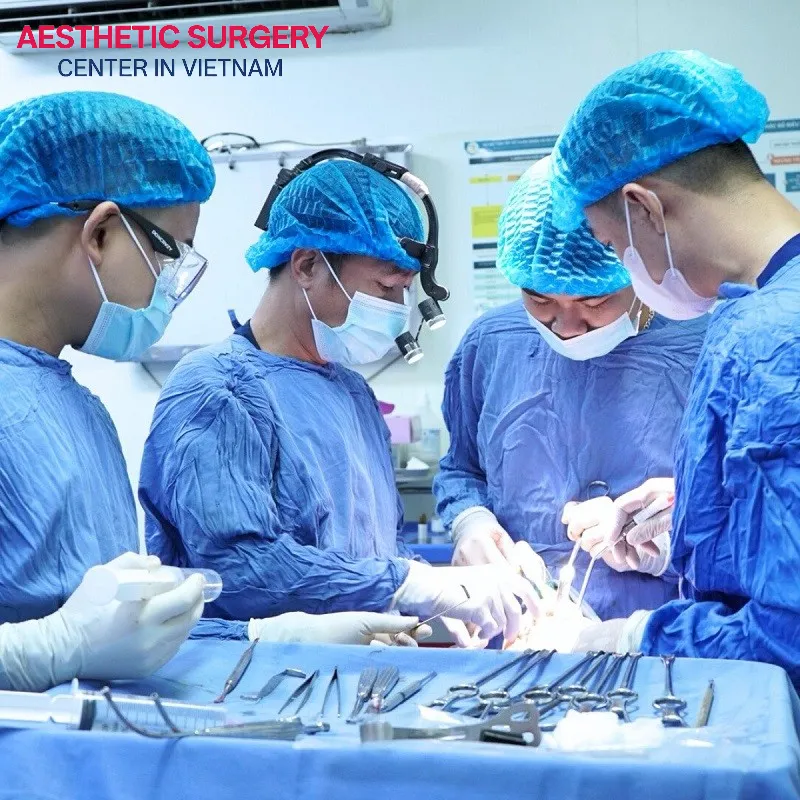
Due to its complexity, the surgery usually lasts 3 to 5 hours under general endotracheal anesthesia. Surgeons often harvest rib cartilage, usually from the sixth or seventh rib. This provides sufficient material to build a strong columella and augment the deficient nasal base.
Step 3: Dissection and scar release
The surgeon performs an open incision, commonly an inverted V incision at the columella. The nasal skin is fully separated from the existing cartilage framework. Fibrotic scar bands that pull the nasal wings and columella downward are released. Without proper scar release, the nose may retract again after surgery.
Step 4: Nasal reconstruction
Next, the septum is repositioned to the center to improve airflow. Rib cartilage is then grafted to form a strong support structure that lengthens and elevates the nasal tip. The surgeon lifts the drooping nasal wings and adjusts symmetry between the cleft side and the normal side. Crushed rib cartilage or cartilage grafts are used to fill depressions at the base of the nasal wings.
The incision is closed with ultra-fine cosmetic sutures to minimize new scarring. Two small nasal drains are placed, and a specialized splint is applied to stabilize the new nasal shape. This helps the cartilage grafts adhere securely in their new position.
How much does cleft rhinoplasty cost?
According to surveys at reputable hospitals and aesthetic centers, the cost of cleft lip rhinoplasty currently ranges from 40 to 220 million VND. This wide price range depends on factors such as the severity of the nasal condition, the materials used, and the facility where the procedure is performed. However, this is a highly complex surgery, so patients should avoid choosing low-cost options or believing exaggerated advertising claims, as these can carry significant risks. It is recommended to seek treatment at major hospitals such as Oral and Maxillofacial Hospitals or the National Children’s Hospital, where patients can receive thorough examinations, professional consultations, and comprehensive correction of the condition.
Cleft rhinoplasty recovery
Compared to standard rhinoplasty, recovery after cleft lip rhinoplasty takes longer because existing scar tissue needs time to adapt. Understanding the rhinoplasty swelling stages is essential for managing expectations during this journey. Below are the typical recovery phases
Stage 1: First 3–7 days
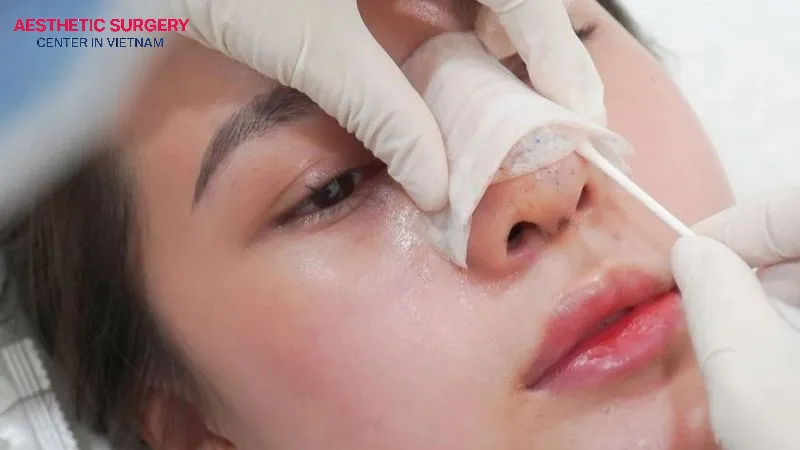
This is the most sensitive period. Swelling or mild bruising may appear around the nose, eyes, and upper lip. Patients must wear a nasal splint and have small drainage tubes placed in the nostrils. These help maintain the new nasal shape and allow excess fluid to drain. Tightness and discomfort are common. Taking prescribed medication and applying cold compresses around the nose are very important to reduce swelling.
Stage 2: 7–14 days after surgery
After about one week, the surgeon removes the splint and sutures. Swelling decreases by around 60–70%. The nasal shape becomes clearer but may still look firm and slightly rough. Soft tissues begin to heal during this stage. Patients should clean the incision daily with saline solution to prevent infection. Avoid strong pressure on the nose and do not sleep face down.
Stage 3: First 1–3 months
During this period, the nose gradually refines. The contours become softer and more natural. Surgical scars fade from pink to a normal skin tone. Numbness at the nasal tip also gradually improves. However, the internal cartilage structure is still stabilizing. Patients should maintain a healthy diet and avoid foods that may cause raised scars, such as water spinach or beef, to ensure optimal aesthetic results.
Stage 4: After 6 months to 1 year
This stage marks full stabilization of the surgery. The cartilage grafts fully integrate with the body and form a strong, unified structure. The nasal tip gains natural flexibility. Most cleft lip sequelae are effectively corrected, resulting in a harmonious appearance and stable long-term breathing function.
Patients only need to attend regular follow-up visits as scheduled to check the final stability of the nasal structure.
Where to get cleft palate rhinoplasty in Vietnam
In Vietnam, rhinoplasty for cleft lip and cleft palate sequelae is a highly complex procedure. It requires medical facilities with strong expertise in reconstructive and aesthetic surgery. Below is a reputable address you can consider:
Aesthetic Surgery Center In Vietnam
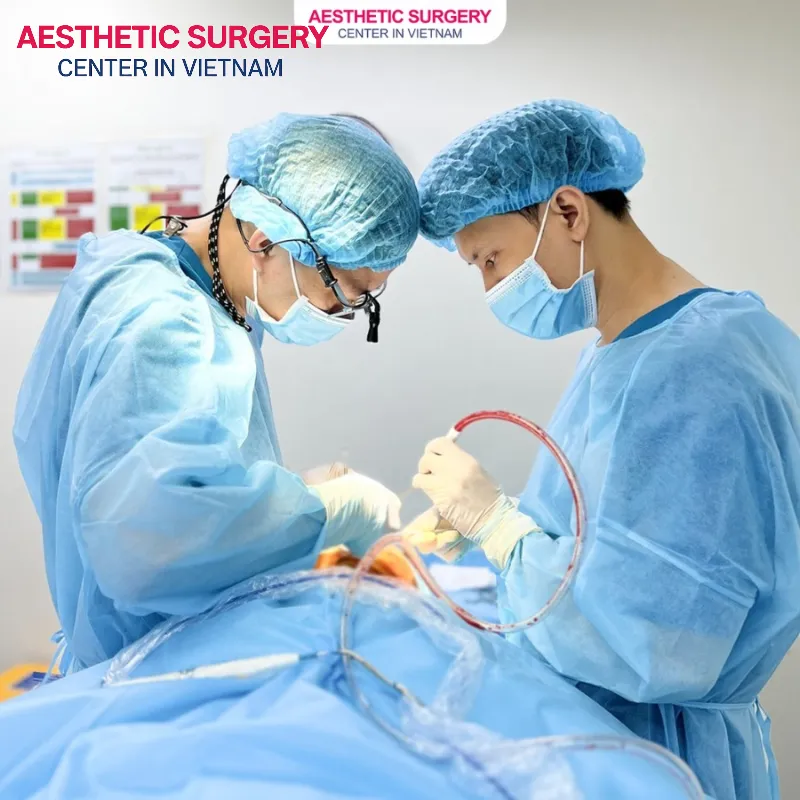
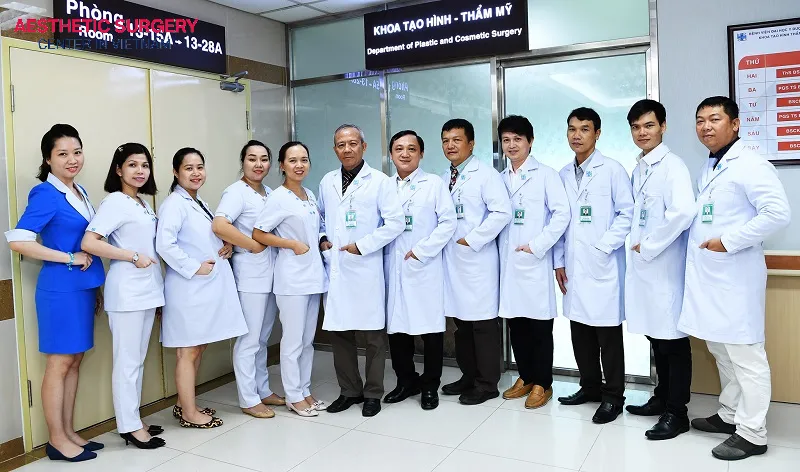
This is one of the reputable aesthetic systems in Vietnam, well known for nasal reconstruction services for congenital deformities. The center applies advanced reconstructive rhinoplasty techniques. These methods effectively correct drooping nasal wings, a short columella, and a depressed nasal base commonly seen in cleft palate patients. With a team of experienced surgeons, Aesthetic Surgery Center in Vietnam prioritizes the use of autologous materials such as rib cartilage to ensure high compatibility and long-lasting results. The center is equipped with modern imaging simulation technology, allowing patients to preview expected outcomes. The surgical process follows strict medical standards.
In addition, this brand offers various attractive promotions that help reduce treatment costs, making it a popular choice among many female patients. For in-depth consultation, you can contact the hotline (+84) 916 189 447. The Aesthetic Surgery Center in Vietnam team will provide detailed guidance and support.
National Hospital of Odonto-Stomatology
This is a leading center for treating congenital maxillofacial deformities in Vietnam. The hospital focuses on both functional and aesthetic factors. The doctors here have very deep expertise in the bone and muscle structure of cleft palate patients. The costs are reasonable and there are regular international cooperation programs to support surgical treatment for patients.
108 Central Military Hospital
108 Central Military Hospital is one of the most trusted centers for reconstructive surgery in Northern Vietnam. It is staffed by highly skilled specialists and military surgeons. The hospital is equipped with modern operating rooms and professional postoperative care protocols, ensuring maximum safety for major surgeries requiring general anesthesia.
Department of Plastic and Reconstructive Surgery – University Medical Center Ho Chi Minh City
This department combines scientific research with clinical practice, ensuring that the latest techniques are consistently applied. In addition, its thorough and multidisciplinary examination process integrates oral and maxillofacial surgery with aesthetic surgery. This approach helps achieve optimal nasal reconstruction results that are highly harmonious with the jaw and lip structure.
A sincere recommendation is to schedule in-person consultations at least two different facilities before making a decision. This allows surgeons to perform CT scans and evaluate the severity of scar tissue stiffness. For cleft palate cases, choosing a center with strong expertise in rib cartilage rhinoplasty is the safest option and offers the most optimal aesthetic results.
>>> See more: Rhinoplasty clinic in Vietnam
Cleft lip and palate rhinoplasty before and after
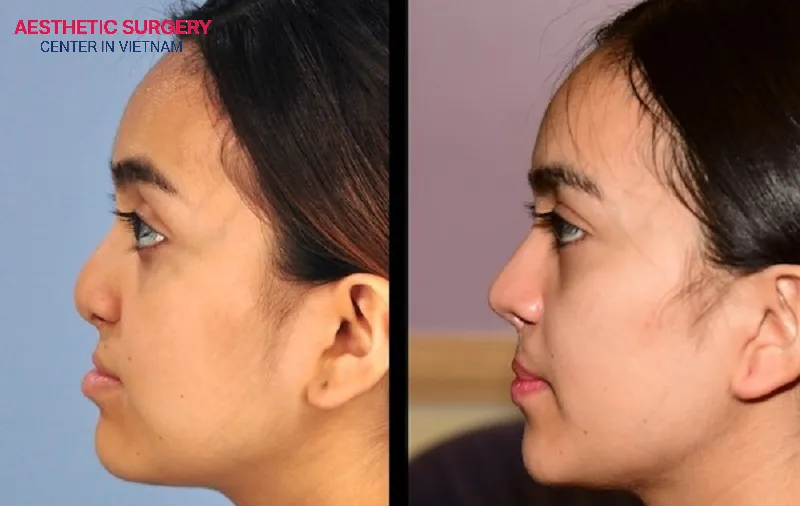
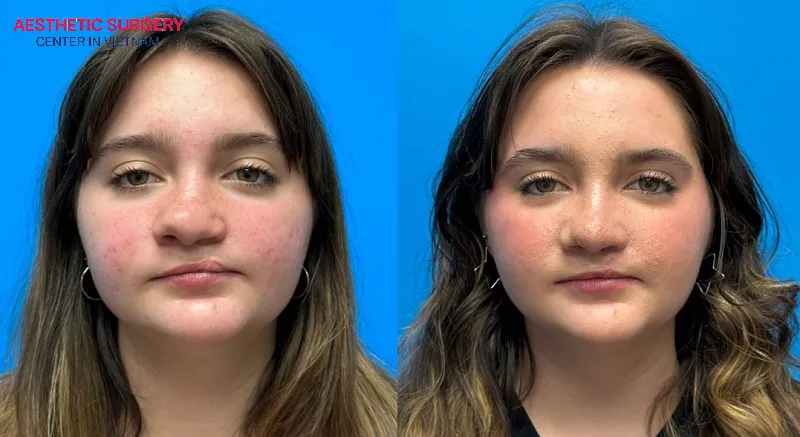
Below are some images of patients who successfully underwent cleft lip and cleft palate rhinoplasty. The surgery corrected most nasal deformities and delivered a remarkable improvement in facial appearance.
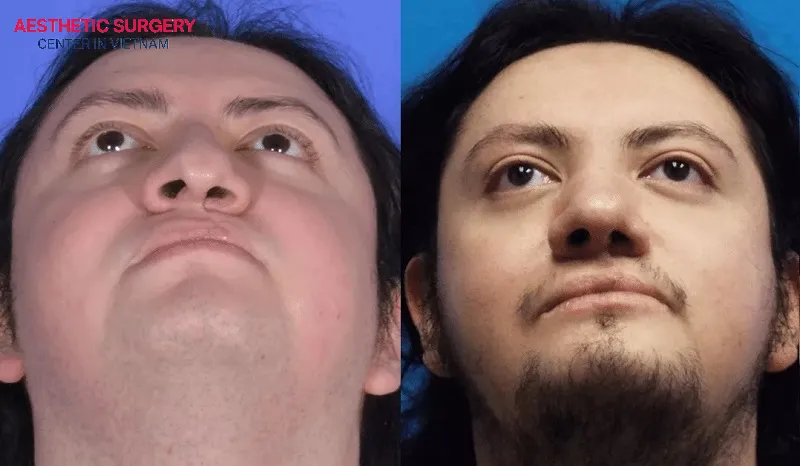

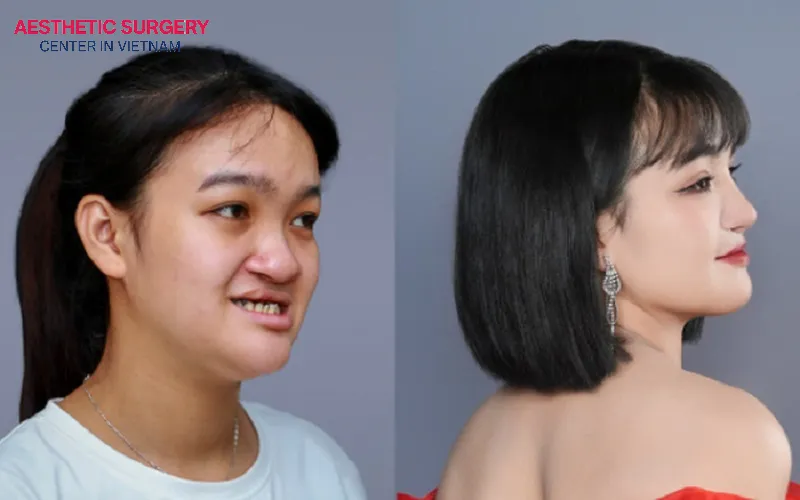
Based on the information shared about cleft rhinoplasty, this condition can be effectively corrected and helps both women and men significantly enhance their appearance. However, this is a complex surgery that must be performed at reputable aesthetic hospitals with highly skilled surgeons. Patients should avoid choosing low-cost services, as misleading cheap advertisements can lead to serious risks and unwanted outcomes.


















Comment on the post