



A vertical facelift is becoming the gold standard in modern cosmetic surgery thanks to its ability to restore deep facial structures. This technique not only improves sagging skin but also preserves natural facial expressions, helping you achieve a younger appearance quickly. If you are still unsure whether a vertical facelift is the right choice for you, read the following article to make the most suitable decision.
What is a vertical restore facelift?
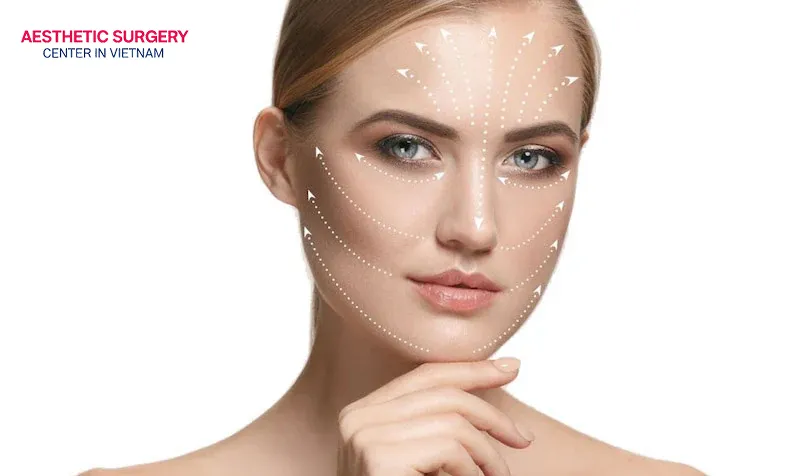
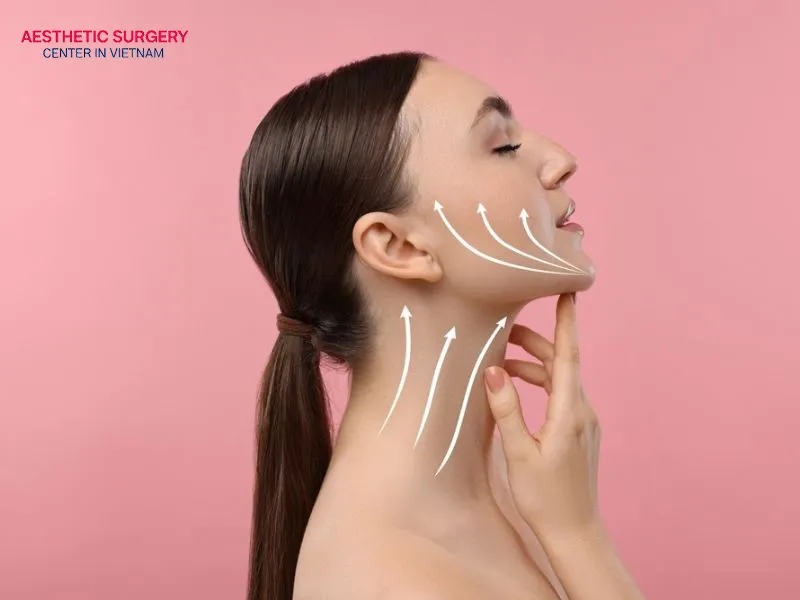
A vertical facelift is an advanced cosmetic technique that focuses on lifting sagging facial tissues in an upward vertical direction. Unlike traditional facelift methods that pull the skin toward the ears, this technique repositions the deeper SMAS layers beneath the skin.
Thanks to this approach, the face can avoid the overly tight or distorted mouth appearance often seen with older facelift methods. This aesthetic solution helps restore a defined jawline and soften smile lines in the most natural way. As a result, it is considered an ideal option for those who want comprehensive facial rejuvenation while maintaining their unique facial character.
Benefits of deep plane vertical facelift
A deep plane vertical facelift offers significant advantages compared to traditional facelift techniques. Instead of only targeting the skin surface, this method focuses on repositioning the soft tissue structure from within. As a result, patients can achieve noticeable improvements while still maintaining natural facial softness. Below are the key benefits this technique can bring to your appearance:
- Natural rejuvenation: Lifting facial tissues in an upward vertical direction creates a more youthful and refreshed appearance without causing an overly tight look.
- Long-lasting results: By working on the deeper SMAS layer, the results often last longer than facelift methods that only address the outer skin.
- Softens wrinkles and folds: This technique is especially effective for reducing nasolabial folds and improving sagging along the jawline.
- Minimal visible scarring: Carefully planned incisions help conceal facelift scar effectively, allowing patients to feel more confident after the procedure.
- Faster recovery: Modern surgical techniques help minimize swelling and bruising, allowing patients to return to their daily routines more quickly.
The perfect combination of advanced technology and surgical expertise helps you achieve a brighter and more youthful appearance. You can feel firmer and more elastic skin soon after completing the facelift procedure.

Who is a candidate for a vertical facelift?
This technique is not suitable for everyone and is mainly recommended for individuals who need more advanced facial restructuring. In most cases, surgeons will recommend this procedure based on the degree of facial aging and each patient’s actual skin condition.
- Individuals with moderate to severe aging: Individuals experiencing noticeable facial sagging caused by aging and gravity.
- Patients with poor jawline definition: Those who want to improve a heavy jawline, double chin, or sagging lower face that affects facial balance.
- Individuals with deep nasolabial folds: This technique is especially effective for individuals looking to soften deep folds around the middle of the face naturally.
- Individuals in good overall health: Candidates should have stable health conditions and no serious chronic illnesses to support a smoother recovery process.
If signs of aging are affecting your confidence, this may be the right solution for you. Consult with a qualified specialist to properly evaluate your skin condition before making a decision.
What is the procedure like for a vertical vector facelift?
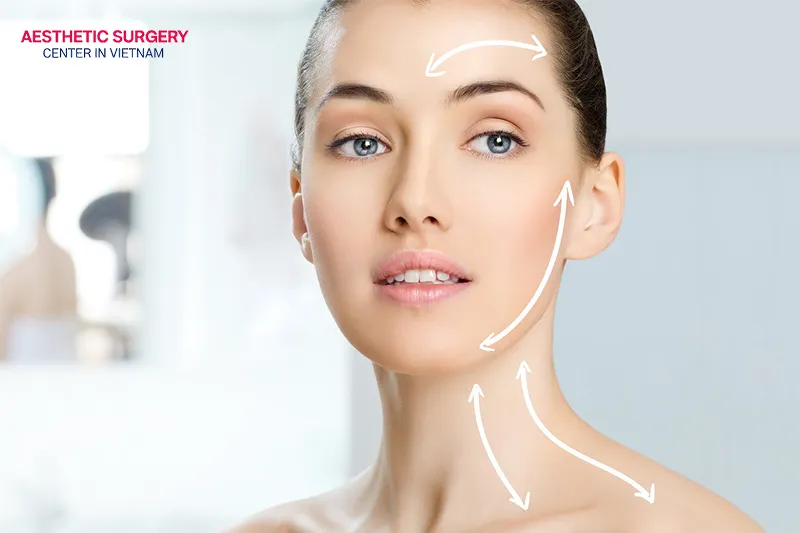
The deep plane vertical facelift procedure is performed according to strict medical standards to ensure the highest level of precision. To achieve optimal facial rejuvenation results, specialists usually follow these professional steps:
- Step 1: Consultation and evaluation: The surgeon examines the face, evaluates skin laxity, and identifies the areas that require correction.
- Step 2: Disinfection and anesthesia: The treatment area is carefully cleaned, and local anesthesia or sedation is administered to keep the patient comfortable throughout the procedure.
- Step 3: Creating the incision: A small incision is made, usually along the hairline, to help conceal surgical marks naturally.
- Step 4: Tissue release and lifting: The surgeon works directly on the SMAS layer, repositioning the soft tissues upward in a vertical direction to restore a youthful facial structure.
- Step 5: Removing excess skin: After securing the lifted tissues, excess skin is carefully removed to create a smoother and firmer appearance.
- Step 6: Closing the incision: The incision is closed with specialized cosmetic sutures to minimize visible scarring after healing.
How much does a vertical facelift cost?
The cost of a vertical facelift in Vietnam typically ranges from USD 5,000 to USD 15,000 for each advanced surgical procedure. The price can vary significantly depending on the surgeon’s expertise, the reputation of the hospital, and the patient’s actual degree of facial aging.
In addition, post-operative care services or the combination of multiple supportive techniques may also affect the total treatment cost. This is considered a worthwhile investment for achieving long-lasting and safe facial rejuvenation results.
What is the recovery like for a vertical vector facelift?
Understanding the facelift recovery process is important because it helps patients arrange their schedules and feel more prepared for the body’s natural healing responses. Below are the key recovery stages you should know to achieve the best aesthetic results:
- First 24 to 48 hours: Mild swelling or bruising may appear around the treated areas, but these symptoms usually improve quickly.
- 7 days after surgery: The surgeon typically removes the sutures and checks the stability of the repositioned facial tissues.
- Week 2 to week 4: Most swelling and bruising gradually disappear, allowing the face to look more refined and natural.
- After 3 to 6 months: The connective tissues become fully stable, and the rejuvenated facial contours reach their final long-lasting results.
Following your surgeon’s instructions carefully during recovery is essential for maintaining beautiful and lasting outcomes. You should rest properly and avoid strong pressure or impact on the face to support a smooth healing process.
Traditional facelift vs. vertical facelift
Choosing between these two techniques depends on each patient’s facial structure and aesthetic goals. While the traditional facelift has been widely used for many years, the modern vertical facelift offers significant improvements in lifting direction and overall results. Below is a detailed comparison to help you better understand the differences before making a decision:
| Features | Traditional facelift | Vertical facelift |
| Lifting direction | Pulls the skin sideways toward the ears | Repositions tissues upward in a vertical direction. |
| Results | Tight skin that may appear stiff. | Youthful and softer facial appearance. |
| Natural appearance | May cause distortion around the mouth. | Preserves natural facial expressions. |
| Treatment area | Mainly targets the surface skin. | Works deeply on the SMAS layer. |
| Surgical scars | Longer incisions around the ears. | Shorter incisions with better scar concealment. |
If you only want to improve skin tightness around the cheeks and neck, a traditional facelift may be suitable. However, if facial sagging is mainly caused by gravity and you want more natural-looking results, a vertical facelift is considered the better option.
Is vertical facelift surgery painful?
Many patients worry about pain, but this procedure is generally gentle and safe. Before surgery, the surgeon will use local anesthesia or sedation to keep you relaxed and comfortable throughout the treatment. After the procedure, you may experience mild tightness or discomfort, but these symptoms are usually well controlled with prescribed pain medication.
In addition, surgeons often prioritize minimally invasive techniques to reduce trauma to the surrounding soft tissues as much as possible. Because of this, you can feel more confident undergoing the procedure without excessive concern about pain or discomfort.
Will my vertical facelift leave scars?
A vertical facelift is designed to minimize visible surgical marks through highly refined scar-concealment techniques. The small incisions are carefully placed along the hairline or within the natural folds around the ears.
Thanks to these discreet locations, scars gradually fade over time and are difficult to notice with the naked eye. In addition, specialized cosmetic sutures help the healing process remain smooth and aesthetically pleasing. As a result, you can confidently achieve a younger appearance without worrying about obvious scarring.
A vertical facelift is considered an ideal solution for restoring youthful beauty in a natural and long-lasting way. With the combination of advanced techniques and international medical standards, you can feel completely confident with your refreshed appearance. Contact us today for a detailed consultation with a qualified specialist.

















Comment on the post