



The top of the head, commonly referred to as the crown area, is often the region most severely affected by hereditary hair loss or aging, making one appear older than their actual age. However, this area also features a unique scalp structure and the most complex hair growth patterns (the whorl). Today, a crown hair transplant has become the optimal solution for restoring hair density, requiring sophisticated techniques to ensure natural-looking coverage. This article will help you gain a deeper understanding of this procedure.
What is a crown hair transplant?
A crown hair transplant is a specialized aesthetic technique aimed at restoring hair density in the vertex and crown areas of the scalp. Because the scalp in the crown region is typically thinner, subject to higher skin tension, and features a complex whorl growth pattern, this procedure requires a high level of surgical expertise. The physician must meticulously place hair follicles or synthetic fibers at precise angles to achieve optimal coverage and a natural-looking result.
Depending on the individual’s condition, patients can choose a hair transplant using their own follicles for long-lasting results, or synthetic hair implantation for an immediate solution. This procedure helps restore a youthful appearance and eliminates the self-consciousness associated with a balding crown.
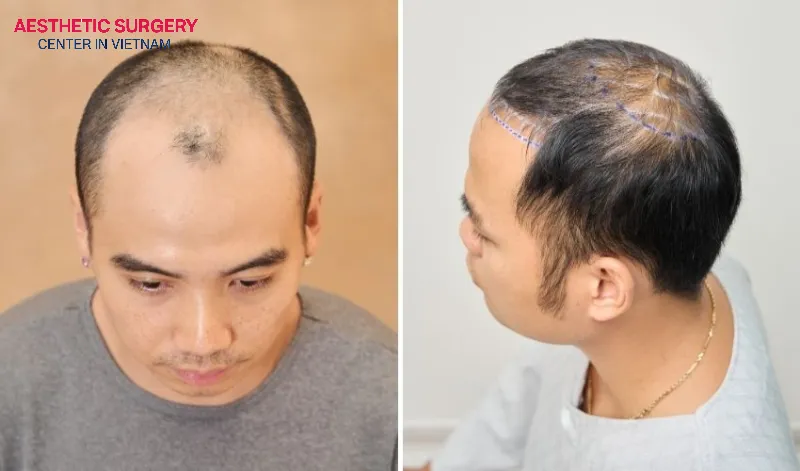
Who is the ideal candidate for a crown hair transplant?
Identifying the right candidate is the first and most crucial step in ensuring the success rate of the procedure. Specifically, the following cases achieve the most optimal aesthetic results when undergoing a hair transplant crown:
- Individuals with thinning at the vertex (Crown area): Men or women experiencing pattern hair loss where the crown is sparse and the scalp is visible, while the surrounding hair remains stable.
- Individuals with qualified donor hair: For autologous hair transplantation, candidates must have a sufficient supply of healthy hair follicles and good density at the back of the head (the donor site) to be extracted and moved to the crown.
- Individuals with stabilized hair loss: Those who have passed the acute phase of hair loss. Performing a transplant while hair is still shedding rapidly can lead to an unbalanced or patchy look in the future.
- Individuals in good overall health: Candidates should not have underlying blood disorders, cardiovascular issues, or active scalp inflammations.
- Individuals seeking realistic density improvement: Those looking for a natural-looking solution to cover the crown area that follows the body’s biological growth direction.
- Individuals who have failed medical treatments: Those who have tried topical or oral medications without seeing effective hair regrowth in the crown region.
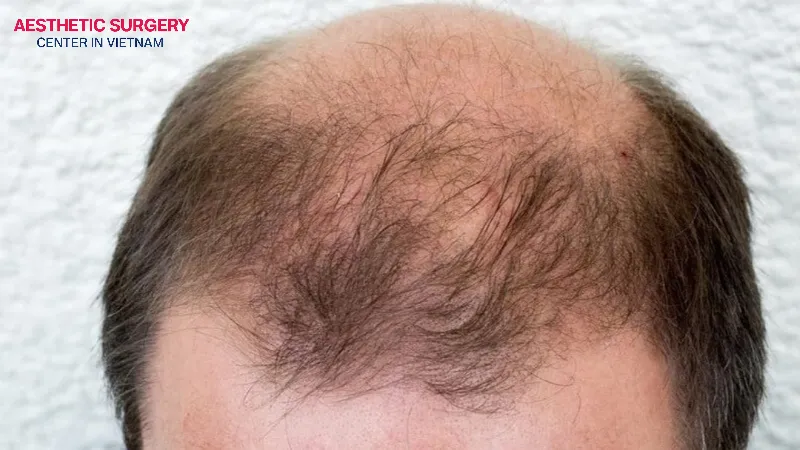
Benefits of hair transplant crown
A crown hair transplant offers numerous advantages for those seeking to restore their hair, specifically:
Restoring hair density at the aesthetic “blind spot”
The crown is often difficult to see yourself, yet it is the most noticeable area to others when viewed from behind or above. A crown hair transplant fills in exposed scalp areas, recreating a thick hair density that blends seamlessly with the surrounding sections, ensuring your hair looks perfect from every angle.
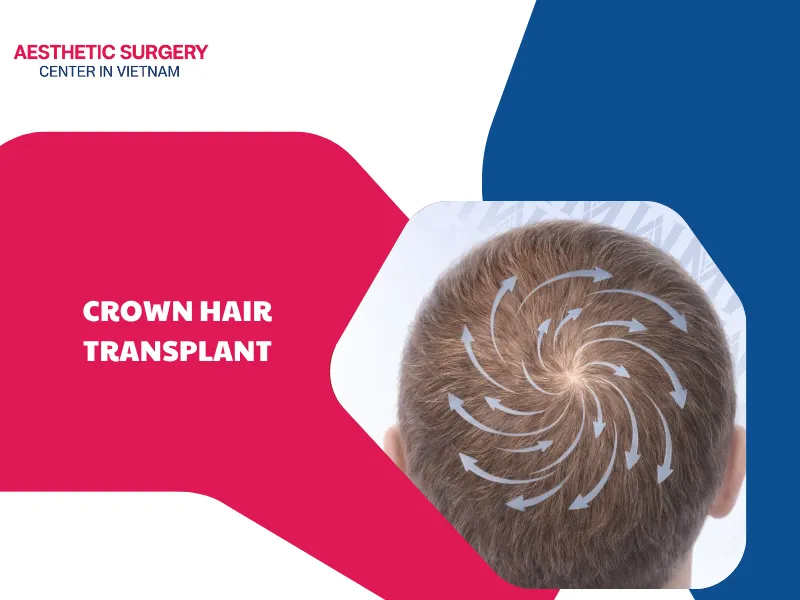
Reshaping the natural hair swirl (whorl)
Modern transplantation techniques allow surgeons to meticulously arrange hair follicles according to the original growth direction and shape of your natural whorl. Replicating this precise direction not only makes the hair look as if it were never surgically enhanced but also makes daily grooming and styling much easier.
Optimal and permanent coverage
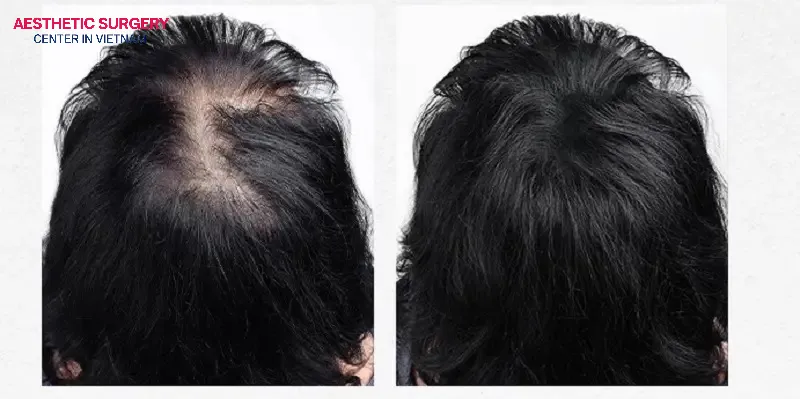
Unlike hair fibers or hairpieces, which are merely temporary fixes, a hair transplant crown provides long-lasting results. Once the transplanted follicles take root, they grow stably and hair transplant permanent, offering realistic coverage that won’t be compromised by water, sweat, or strong winds.
Rejuvenating a youthful and polished appearance
A balding or thinning crown is often a telltale sign of aging or premature hair loss. By restoring lost volume, this method effectively “hacks” your age, delivering a youthful, vibrant look. It helps individuals regain absolute confidence in both their professional lives and social interactions.
How is a crown hair transplant performed?
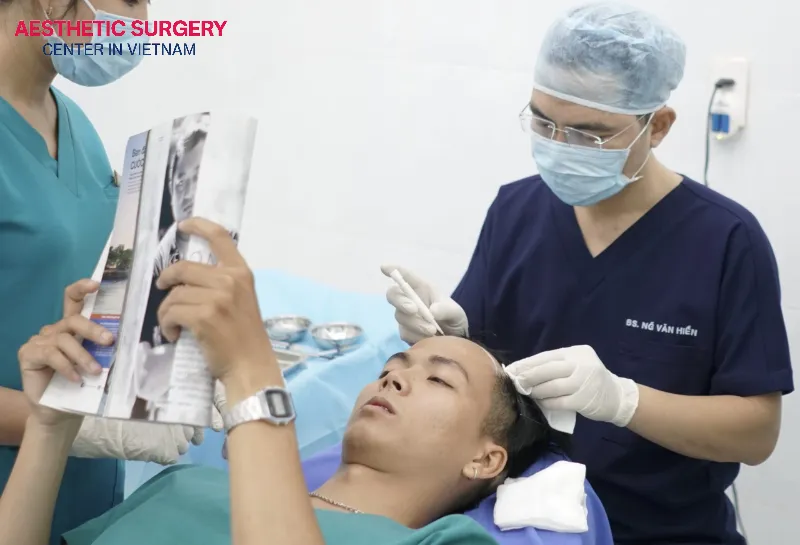
The crown hair transplant procedure is a highly meticulous technique that ensures hair follicles grow in alignment with the natural whorl pattern. Below are the fundamental steps of the process:
Step 1: Examination and whorl design
The surgeon examines the hair density in the donor area and determines the total surface area requiring coverage on the crown. This is the most critical stage; the surgeon must sketch the shape of the hair whorl, identifying the focal point and the direction of hair flow to harmonize with the patient’s skull structure and existing hair.
Step 2: Extracting hair follicles (for autologous transplants)
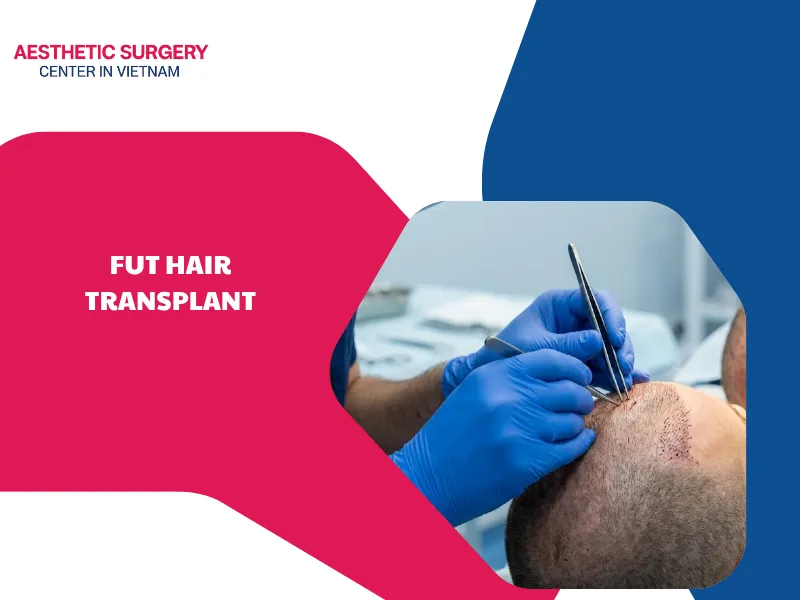
After applying local anesthesia to the donor area (typically the back of the head), the surgeon uses specialized microsurgical equipment to extract individual healthy follicles. These follicles are placed in a special culture medium to maintain viability, while technicians categorize them into single or multiple-hair grafts to prepare for varying density levels across the crown.
Step 3: Creating incisions and directing growth
In the crown area, the surgeon creates microscopic incisions using a specialized implantation pen. Unlike the frontal hairline, incisions on the crown must strictly follow a “fan-like” or “spiral” rule. The angle of the needle must be constantly adjusted to ensure that as the hair grows, it rotates according to the natural whorl, preventing hair from growing straight up or in the wrong direction.
Step 4: Implanting follicles into the crown
The surgeon skillfully inserts the prepared follicles into the newly created incisions. Generally, the strongest follicles are prioritized for the center of the whorl to provide maximum coverage, gradually radiating outward. This process requires intense focus to ensure follicles are placed at the correct depth for optimal nutrient absorption from the scalp.
Step 5: Post-procedure care and monitoring
Once completed, the crown area is cleaned and lightly bandaged to protect the newly transplanted follicles. The patient is provided with instructions for specialized hair washing and the use of growth-supporting medications.
How much does a crown hair transplant cost?
The cost of a crown hair transplant is currently not fixed; it primarily depends on the size of the bald area and the number of hair follicles required to achieve the desired coverage. Generally, market prices range from 30 million to over 100 million VND per procedure.
The reason this cost is often slightly higher than a hairline transplant is that the technique for reconstructing the crown’s “swirl” pattern requires meticulous detail and longer execution time to ensure natural growth directions. Additionally, prices vary based on the technology you choose; for instance, traditional FUE techniques are usually more affordable than HAT technology or advanced microsurgery methods that optimize hair density.
Finally, the reputation of the treating physician and the quality of service at individual clinics are also factors that influence the price of a crown hair transplant.
How long will the results of a hair transplant crown last?
The results of a crown hair transplant are considered sustainable and can last almost a lifetime if you use an autologous hair transplant method (using your own hair).
Since the hair follicles are harvested from a donor area—which is biologically resistant to hair-loss hormones—they retain their healthy characteristics and continue their natural growth cycle once moved to the crown.
However, to maintain optimal aesthetics over the years, it is important to note that natural aging and the thinning of original hair surrounding the transplanted area can still occur. Therefore, maintaining a good scalp care routine and undergoing periodic check-ups will help ensure your hair remains thick and harmonious.
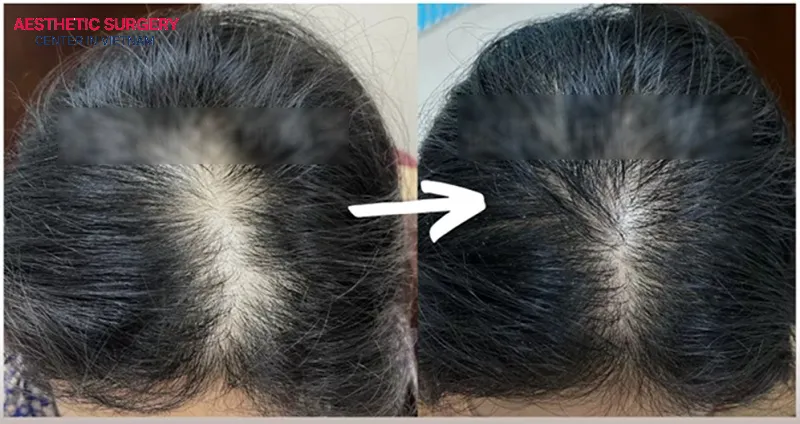
Success rate of crown hair transplant
The success rate of a crown hair transplant is currently very high, typically ranging from 90% to 95% when performed at reputable medical facilities. This figure reflects the survival rate of the hair follicles specifically, their ability to take root in the scalp and continue their natural growth cycle to produce new hair.
However, “success” in a hair transplant crown isn’t just about whether the hair grows; it also depends on specific technical factors such as:
- Aesthetic coverage: Achieving natural-looking density.
- Hair whorl direction: Mimicking the natural spiral pattern of the crown.
- Blood flow: Ensuring the scalp can nourish the new grafts.
- Post-operative care: Following recovery protocols strictly.
In summary, with the support of modern microsurgical equipment, you can certainly expect positive results. To achieve the highest success rate, a professional consultation to evaluate the quality of your donor follicles is an essential preparatory step.
Recovery timeline for crown hair transplant
The hair transplant recovery process after a crown hair transplant follows a natural progression and requires a certain level of patience. Below are the key milestones you should keep in mind:
Phase 1: Days 7 – 10 | Soft tissue recovery
This is when the scalp begins to heal the micro-wounds created during the site making and follicle implantation process. During the first 2–3 days, you may experience mild swelling or redness around the crown and forehead. After about a week, the tiny hair transplant scabs surrounding the hair shafts will dry up and begin to flake off naturally. This is the most critical stage for the hair follicles to take root, so it is essential to avoid any physical impact on the crown area.
Phase 2: Weeks 2 – 4 | “Shock loss” period
A completely normal phenomenon that most patients experience is temporary hair shedding after the procedure. The transplanted hair shafts will fall out, but there is no need to worry—the follicles remain securely anchored beneath the scalp. This is a transitional step to prepare for a new, stronger growth cycle.
Phase 3: Months 3 – 6 | Hair regrowth begins
From the third month onward, new hair strands will start to emerge from the scalp. Initially, the hair may appear thin and fine, but over time, it will become sturdier and thicker. At this stage, the natural direction of the hair whorl on the crown will gradually become more defined.
Phase 4: Months 9 – 12 | Final results
This milestone marks full recovery. The hair in the crown area reaches a stable length and density, blending perfectly with the surrounding natural hair. You can comfortably trim, style, and feel confident with your new appearance.
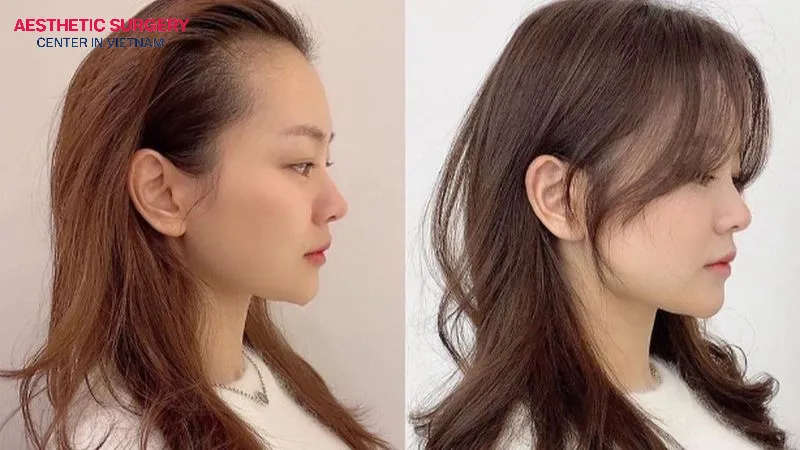
Hopefully, the information above has answered your questions about crown hair transplant. A youthful appearance with thick, vibrant hair is completely within reach if you choose the right method and a reputable clinic. If you have any further questions about the procedure or cost, please don’t hesitate to contact us for prompt assistance. We wish you soon to have the hair you desire and regain your absolute confidence!













Comment on the post