



During puberty and adolescence, changes in physical appearance can directly affect a teenager’s confidence and emotional well-being. A nose with noticeable imperfections can create many challenges in daily life. For this reason, teen rhinoplasty has become a topic of growing interest for both teenagers and their parents. So, what is teenage rhinoplasty? How much does it cost? Find the detailed answers in this article.
What is teenage rhinoplasty?
Teenage rhinoplasty is a cosmetic procedure that reshapes the nose, changes its size, corrects a nasal hump, or improves breathing function for patients under the age of 18. This procedure requires strict eligibility criteria regarding the timing of surgery. The nasal bones and cartilage must be fully developed before the procedure can be performed.
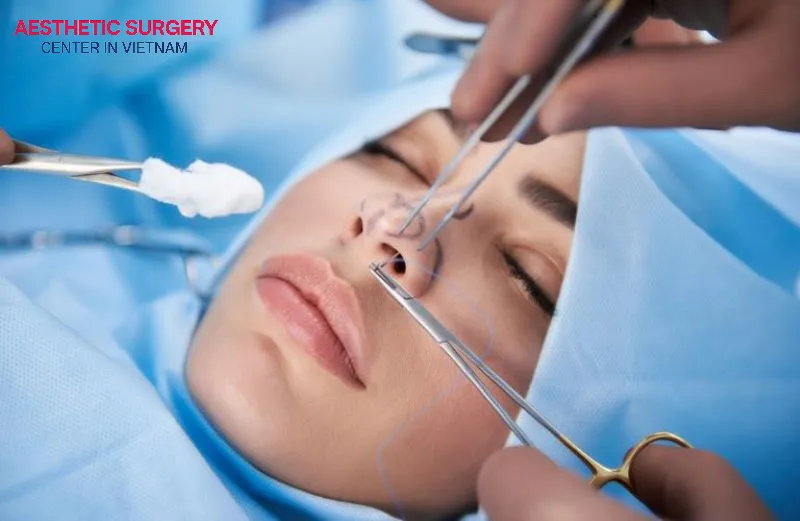
On the other hand, teenage rhinoplasty is not only used to correct cosmetic imperfections and help teenagers overcome low self-esteem. It also plays an important role in nasal reconstruction after trauma, treating congenital defects, or correcting a deviated septum to improve breathing function.
Because teenagers are still developing physically, emotionally, and psychologically, rhinoplasty at this stage requires legal consent from parents, psychological readiness from the teenager, and strict medical approval from a plastic surgeon.
What are the benefits of teenage rhinoplasty surgery?
From both medical and psychological perspectives, teenage rhinoplasty can provide significant cosmetic and functional benefits, including:
- Improves confidence and emotional well-being: Helps teenagers overcome self-consciousness about their appearance, communicate more confidently, and reduce the risk of being teased or bullied at school.
- Restores breathing function: Corrects nasal obstruction, breathing difficulties, or snoring caused by a deviated septum or other structural nasal abnormalities.
- Reconstructs the nose after injury: Restores the shape and structure of a nose that has been fractured or deformed due to accidents or sports injuries.
- Treats congenital nasal defects: Corrects nasal deformities present at birth, most commonly those associated with cleft lip and cleft palate.
- Improves facial balance: Corrects significant cosmetic concerns and creates better facial harmony as teenagers transition into adulthood.
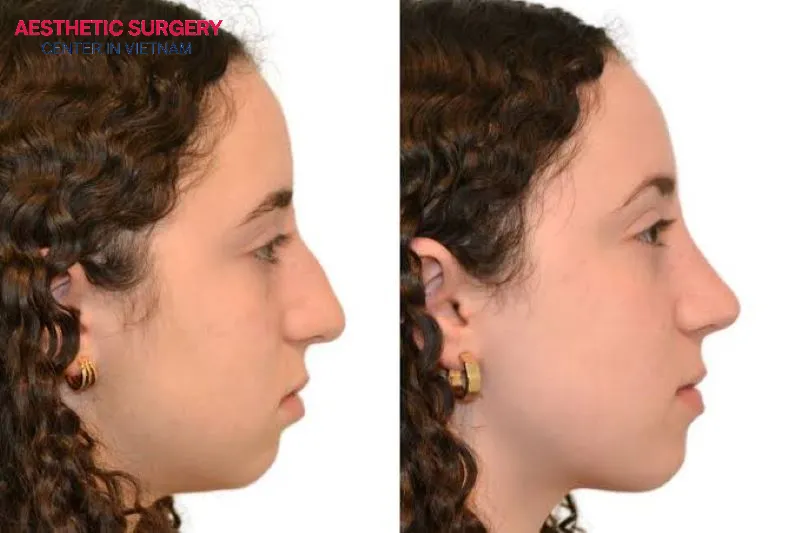
Best age for adolescent nose job
In fact, there is no fixed age that is considered the best for teenage rhinoplasty. However, plastic surgeons recommend that the nose should be fully developed before surgery. The recommended age is as follows:
- For girls: Rhinoplasty should only be considered from the age of 15–16, as the nose is typically fully developed by this stage.
- For boys: The jawbone and nasal cartilage generally take longer to reach full development and stability. Therefore, the recommended age for rhinoplasty is 16–17 years old.
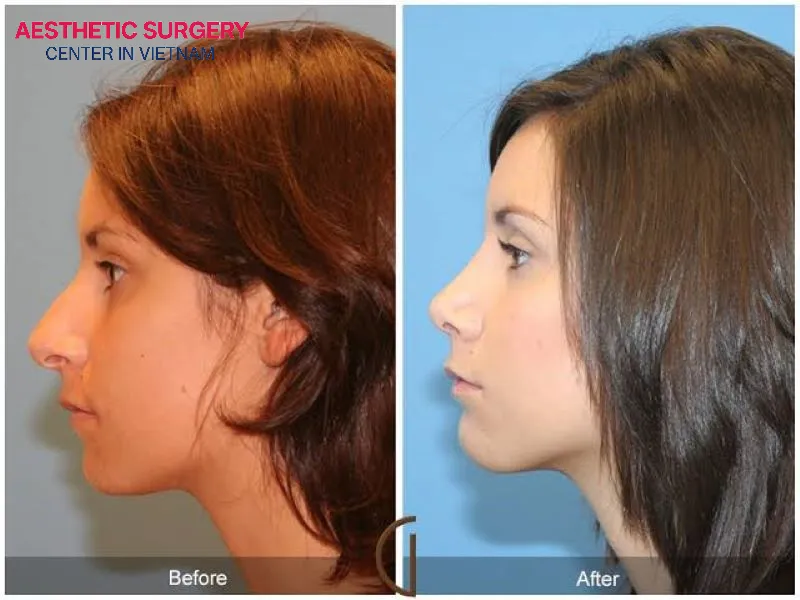
Exceptions: Even if a teenager has not reached the recommended age, a surgeon may recommend earlier rhinoplasty in medically necessary cases. These include severe nasal trauma with major structural damage, congenital nasal deformities, or a severely deviated septum that significantly impairs breathing and threatens overall health. A thorough examination and consultation with a surgeon are required to determine whether early surgery is appropriate.
What is the difference between teenage rhinoplasty and adult rhinoplasty?
Although both procedures aim to improve the appearance or function of the nose, teenage rhinoplasty and adult rhinoplasty differ significantly in terms of medical considerations, psychological factors, and legal requirements.
| Criteria | Teenagers | Adults |
| Surgical structure and technique | Because the nasal cartilage and bones may still have active growth centers that have not fully matured, surgeons must use highly conservative techniques. Tissue dissection and manipulation require extreme precision to avoid damaging these growth centers, reducing the risk of nasal deviation or deformities as the teenager continues to grow. | The nasal bones and cartilage are fully developed and stable. Surgeons can safely perform more advanced and complex procedures, such as structural rhinoplasty or revision rhinoplasty, without concerns about future growth-related changes. |
| Psychological maturity and aesthetic expectations | Teenagers are often emotionally sensitive and easily influenced by peer pressure, social media, or short-lived beauty trends. Surgeons must carefully assess whether the desire for rhinoplasty is based on genuine personal needs. | Adults usually have a clearer understanding of their personal identity, realistic expectations, and a better understanding of aesthetic surgery. Their decision is generally made independently to improve self-confidence. |
| Legal requirements and consent | Written consent from a parent or legal guardian is required for all patients under the age of 18. | Individuals aged 18 and older are legally capable of making their own decisions and signing surgical consent forms. |
| Recovery process | One advantage of being younger is a faster rate of cell regeneration and physical healing. However, teenagers are often less cautious. Therefore, the postoperative recovery period requires close supervision and guidance from parents to ensure the best aesthetic outcome is not compromised. | Healing generally occurs at a normal rate, but adults are typically more self-aware and disciplined when following postoperative care instructions and maintaining proper wound hygiene. . |
How much does teenage rhinoplasty cost?
The cost of teenage rhinoplasty is not priced separately from adult rhinoplasty. Instead, it depends on the severity of the nasal concerns, the surgical technique, and the type of cartilage graft used. At reputable aesthetic hospitals and specialty clinics, the cost of basic rhinoplasty procedures with minimal correction typically ranges from 15,000,000 VND to 30,000,000 VND.
However, if a teenager requires complex structural rhinoplasty to correct congenital deformities, reconstruct the nose after trauma, repair a deviated septum, or uses premium biocompatible cartilage grafts, the cost may range from 40,000,000 VND to over 90,000,000 VND.
Common concerns with teenage rhinoplasty
Below are the most common concerns raised by parents and medical professionals when considering rhinoplasty for teenagers:
- Effects on bone and cartilage development: The biggest concern is that surgery performed before facial growth is complete may interfere with growth centers, leading to nasal deformities or changes in nose shape as the teenager continues to develop.
- Psychological maturity: Teenagers may make impulsive decisions due to peer pressure or social media influence. This can result in unrealistic expectations and a greater risk of postoperative regret.
- Unnatural aesthetic results: Excessive augmentation or overcorrection may disrupt the natural facial balance, creating a stiff-looking nose or obvious signs of cosmetic surgery instead of a natural appearance that suits the teenager’s age.
- Rhinoplasty recovery compliance: Teenagers are often more active, making it harder to follow recovery instructions. Early sports participation, accidental impacts, or poor aftercare can negatively affect healing and the final surgical outcome.
- Medical risks: Like any surgical procedure, rhinoplasty carries potential risks, including allergic reactions to anesthesia, infection, or graft rejection, especially in a body that is still developing.

Recovery time after teenage rhinoplasty
The recovery process after teenage rhinoplasty generally follows a timeline similar to that of adults. However, teenagers often heal faster because of their stronger natural ability to regenerate tissue.
In most cases, swelling and rhinoplasty bruising improve significantly within the first 1 to 2 weeks, and the nasal splint is usually removed after about 7 days. However, the time required for the nose to settle into its final shape and for the internal structures to fully heal depends largely on the surgical technique used.
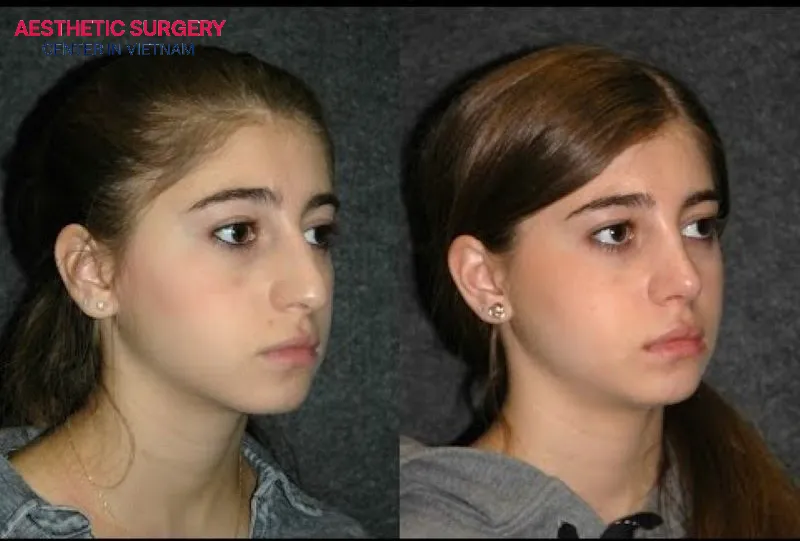
To achieve the best aesthetic outcome and reduce the risk of the nose shifting due to accidental impact, proper postoperative care is essential. Teenagers must carefully follow all aftercare instructions, keep the surgical site clean, and avoid strenuous physical activities and contact sports for at least 1–2 months. Close supervision and support from parents are also important throughout the recovery period.
In summary, teenage rhinoplasty can have a significant impact on both the physical and emotional well-being of young patients. The ultimate goal is to enhance the nose while preserving a natural appearance and maintaining overall facial harmony. Achieving this outcome requires strong parental support, realistic expectations, and expert guidance from a qualified plastic surgeon, helping teenagers feel more confident while staying true to their natural features.


















Comment on the post