



Macromastia not only causes an unbalanced appearance but also places significant pressure on the musculoskeletal system. Appropriate medical interventions can effectively relieve chronic pain and significantly improve mental well-being. Discover the specialized procedure performed by experienced professionals for breast reduction for macromastia diagnosis.
Understanding macromastia and its symptoms
Macromastia is a medical condition characterized by excessive growth of breast tissue, fat, and connective tissue. This causes the breasts to become disproportionately large compared with the rest of the body. The condition not only causes inconvenience in daily activities but can also affect physical and mental health. Early recognition of clinical symptoms plays an important role in determining timely medical treatment.
Physical symptoms of breast hypertrophy
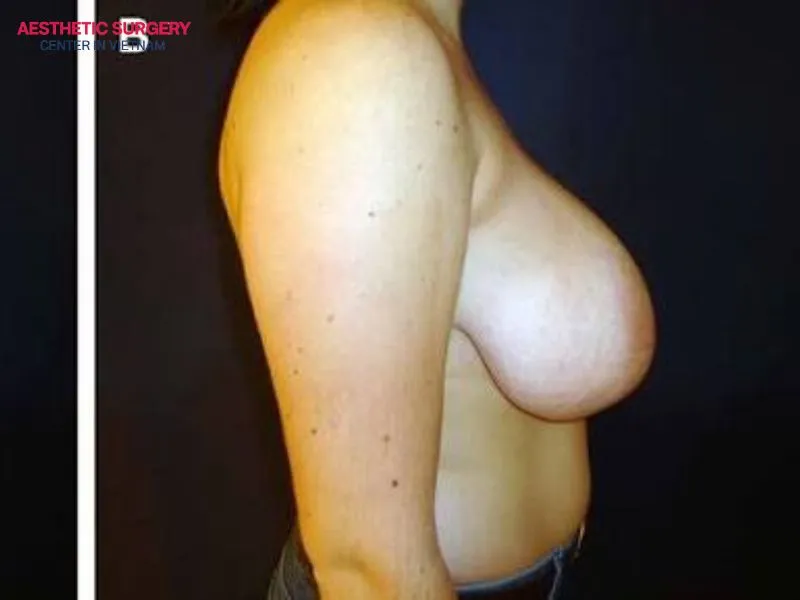
Individuals with macromastia often experience pain and discomfort in the neck, shoulders, upper back, and lower back because the body’s center of gravity is pulled forward. This occurs because the spine must compensate for the excessive weight at the front of the chest. As a result, the trapezius and spinal erector muscles become strained.
Deep shoulder grooves can also develop because bra straps must support excessive weight. This can cause localized compression of nerves and blood vessels. In addition, the skin folds under the breasts often remain moist and experience prolonged friction. This can lead to skin irritation, intertrigo, or recurrent fungal infections.
Psychological and emotional impacts
In addition to physical discomfort, women with macromastia may also experience significant psychological pressure in social life. Excessively large breasts can make them feel self-conscious about their appearance. They may gradually withdraw from social activities or workplace interactions. Attention and unwanted stares from others can further increase psychological stress. This may even lead to symptoms of mild depression or social anxiety. Quality-of-life studies show that body satisfaction among individuals with this condition is often very low before receiving appropriate medical treatment.
How is macromastia diagnosed?
Diagnosing macromastia requires a thorough examination by a specialist. The purpose is to distinguish cosmetic concerns from genuine medical needs. This comprehensive assessment helps surgeons develop an individualized treatment plan. The goal is to achieve optimal results for each specific case.
Clinical evaluation and breast measurement
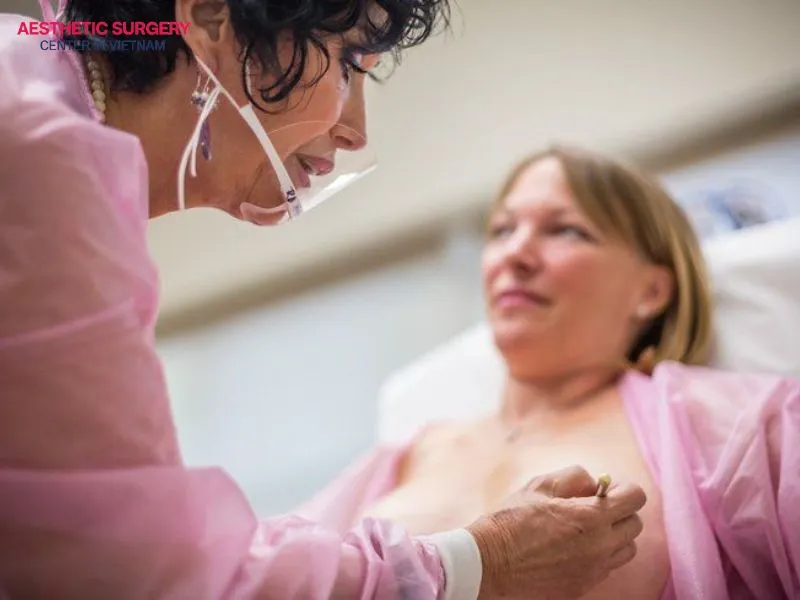
The clinical assessment includes detailed measurements of breast size, breast tissue volume, and its proportion to body surface area. The specialist carefully reviews the patient’s history of chronic pain, skin problems, and mobility limitations caused by macromastia. The examination also evaluates breast sagging and the position of the nipple-areola complex in relation to the inframammary fold. This helps determine the severity of breast enlargement. These measurements are compared with standard medical classification systems to assess the severity of the condition. Surgeons may also perform a breast ultrasound or mammogram and carefully review the results. This helps rule out other breast conditions before planning an aesthetic procedure.
Diagnostic criteria for insurance coverage
Healthcare organizations and insurance companies require medical documentation that clearly shows symptoms of neck, shoulder, and back pain lasting for at least one year. The estimated weight of breast tissue to be removed must meet the required threshold for the procedure to be classified as medical treatment rather than cosmetic surgery. Diagnostic criteria are often based on the standard Schnur scale. The weight of breast tissue to be removed must exceed the 22nd percentile threshold based on the patient’s body surface area. In addition, chronic skin conditions that do not respond to conventional medical treatment may also be required to complete the medical and financial documentation needed for insurance coverage.
Breast reduction for macromastia diagnosis as the primary treatment
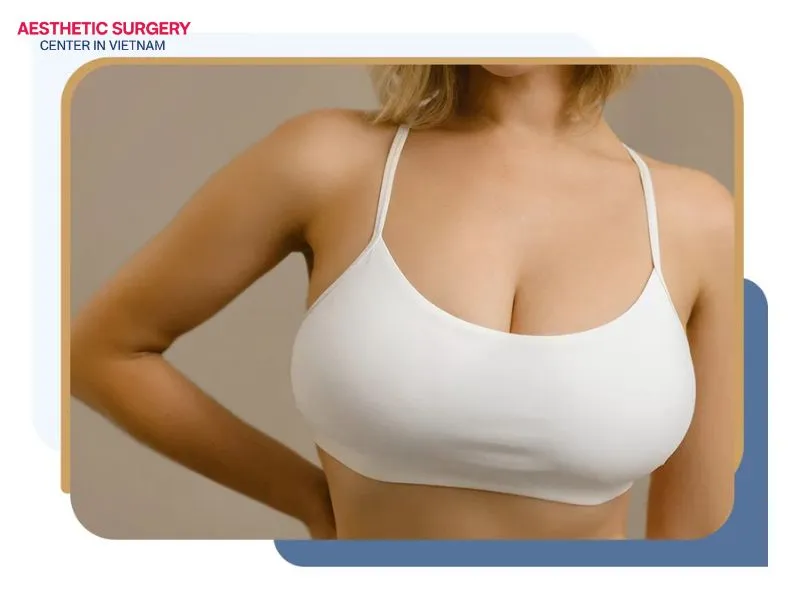
Breast reduction surgery is considered the primary treatment for relieving physical symptoms and improving quality of life. The goal of this procedure is not only to reduce breast volume but also to reshape the breasts so they are balanced and proportional to the woman’s overall body shape.
Surgical techniques for reduction mammoplasty
Modern breast reduction techniques vary depending on each person’s anatomy and the severity of macromastia. The inferior pedicle technique combined with an inverted-T incision is one of the most common methods. It offers a high level of safety and helps maintain a good blood supply to the nipple-areola complex.
Surgeons may also use the superior pedicle technique or a vertical incision depending on the degree of breast sagging and the amount of tissue that needs to be removed. The average weight of breast tissue removed during surgery usually ranges from about 2 to 2.5 kg for both breasts, depending on the patient’s individual condition. The procedure requires careful and precise incisions to minimize a visible breast reduction scar and maintain the long-term appearance of the breasts.
Benefits of breast reduction surgery
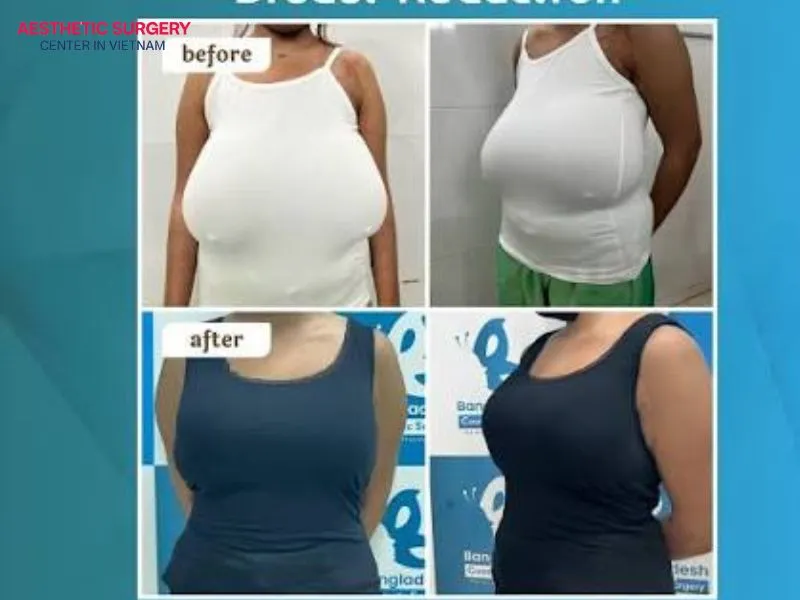
Breast reduction surgery can bring significant improvements to a patient’s physical and mental well-being. Pain in the neck, shoulders, and back can decrease noticeably after the initial breast reduction recovery time once the excess weight has been reduced. Mobility, participation in sports, and daily activities can also improve significantly, helping patients regain their confidence.
Non-surgical management options for breast hypertrophy
Before deciding to undergo surgery, some patients may use temporary management methods to relieve symptoms. However, it is important to understand that non-surgical options only help manage symptoms. They cannot fully address the underlying cause of macromastia.
Physical therapy and lifestyle adjustments
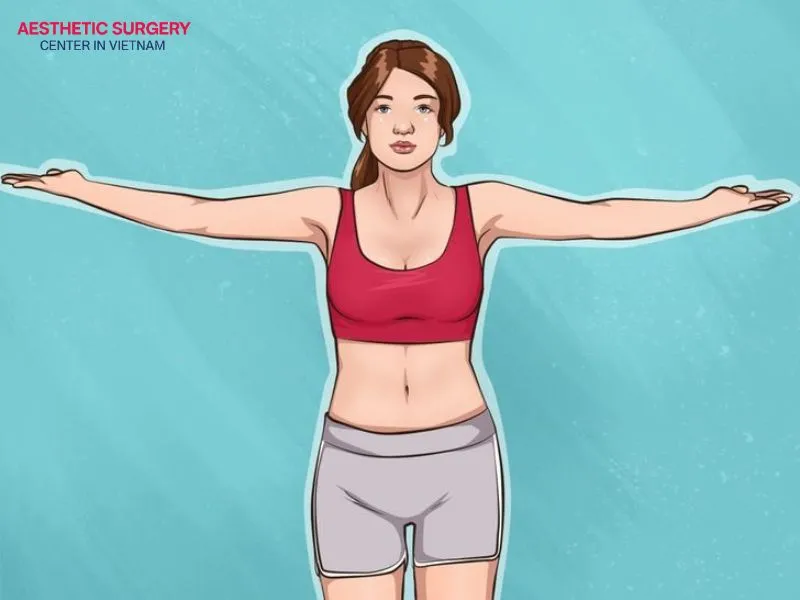
Physical therapy can help reduce muscle tension and upper back pain in individuals with macromastia. Exercises that strengthen the back, neck, and shoulder muscles can improve posture and reduce pressure on the spine.
In addition, adjusting the diet and maintaining a healthy weight can help limit fat accumulation in the breast area. This may help prevent the condition from becoming more severe. Patients are also encouraged to perform gentle stretching exercises every day to maintain flexibility and support musculoskeletal health.
Supportive garments and pain management
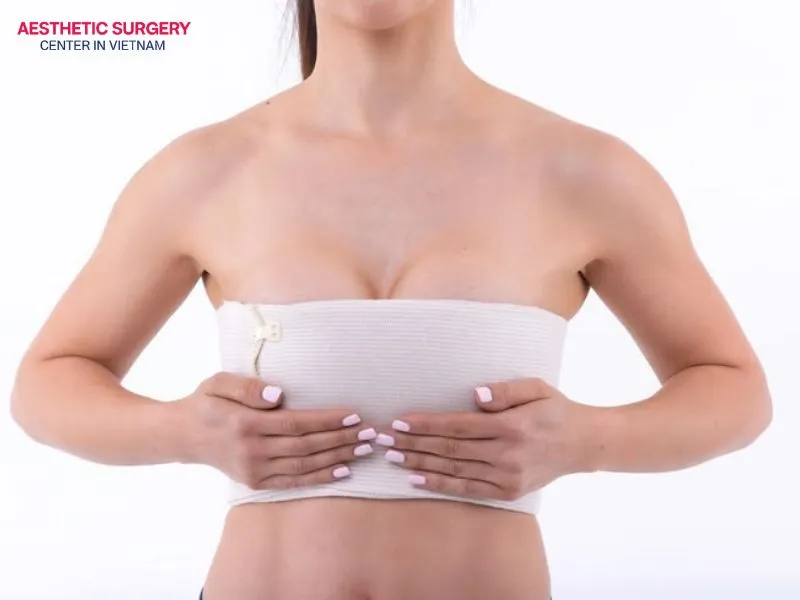
Choosing and wearing specialized supportive garments is a practical way to reduce pressure on the shoulders and spine. Medical support bras with wide straps, soft padding, and designs that distribute weight evenly can provide better support for the breasts. These garments help prevent bra straps from leaving deep marks on the skin. They also reduce friction that can irritate the skin beneath the breast folds. Patients can also use moisturizers or medical body powder to help prevent intertrigo caused by prolonged moisture.
Frequently asked questions about macromastia breast reduction
Learning about and mentally preparing for breast reduction surgery often comes with many concerns. Answering these questions in detail helps patients better understand the treatment process and feel more confident when working with the medical team throughout postoperative care.
Is breast reduction surgery permanent?
Breast reduction surgery provides long-lasting results, although the outcome may change slightly over time. Factors such as weight changes, pregnancy, breastfeeding, and natural skin aging can affect breast volume and firmness over the years. However, most of the breast tissue permanently removed during surgery will not grow back. This helps patients maintain a smaller breast size and a more balanced body shape over the long term.

Does breast reduction affect breastfeeding?
The ability to breastfeed after breast reduction surgery largely depends on the surgical technique used by the surgeon. Modern techniques such as the inferior pedicle technique are designed to protect the milk ducts, blood vessels, and nerves around the nipple-areola complex. However, a small number of women may still experience reduced milk production or difficulty breastfeeding due to changes in the internal anatomy. Therefore, patients who plan to have children in the future should discuss this carefully with a specialist to choose the most suitable surgical technique.
As discussed above, evaluating breast reduction for macromastia diagnosis and treatment can help address both physical and psychological health concerns. However, this process requires a thorough assessment by a highly qualified medical team to achieve optimal results. Contact Aesthetic Surgery Center in Vietnam today for advice on a suitable and safe treatment plan for macromastia.
















Comment on the post