



After a hair transplant, the scalp becomes extremely sensitive and vulnerable. Choosing the right shampoo is crucial; an unsuitable product can trigger scalp irritation, folliculitis, or even cause newly transplanted hair grafts to dislodge. So, what is the best shampoo after hair transplant that provides antibacterial protection while soothing post-op wounds? This article covers everything you need to know.
Why is choosing the best shampoo after hair transplant is essential?
Selecting the right shampoo after a hair transplant is vital because it directly dictates the graft survival rate. During the first few weeks, the recipient area bears thousands of micro-incisions, leaving it highly susceptible to inflammation and infection. Harsh cleansing agents like sulfates or synthetic fragrances can easily irritate the skin, cause peeling, and dislodge fragile follicles before they have firmly anchored.
Choosing a specialized, mild shampoo with a balanced pH protects these new grafts. It gently lifts away excess sebum and dried blood crusts, delivers antibacterial benefits to relieve itching, and provides optimal hydration to promote microvascular proliferation for strong, healthy root development.
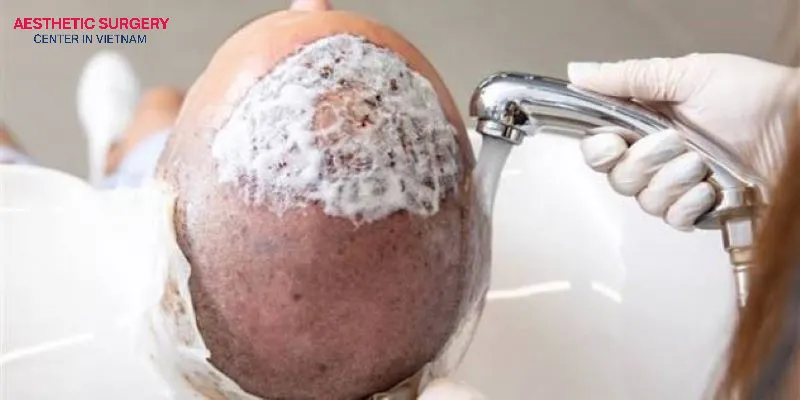
Key ingredients to seek and avoid in post-transplant shampoos
A product’s ingredient list is the true indicator of whether it is safe for newly grafted follicles. To support healing and prevent graft rejection, keep the following beneficial and harmful components in mind:
Beneficial ingredients that promote scalp recovery
- Vitamin B5 (Panthenol): Delivers deep hydration, calms stinging sensations, and supports epidermal cell regeneration around the roots.
- Biotin & peptides: Strengthen keratin structures and promote microcapillary circulation to help hair follicles anchor firmly.
- Tea tree & chamomile extracts: Offer natural antimicrobial protection, provide mild anti-inflammatory benefits, and prevent folliculitis.
- Niacinamide: Balances sebum production, reinforces the scalp barrier, and reduces erythema (redness).
- Aloe vera extract: Provides cooling hydration and softens dried crusts to promote natural, gentle shedding.
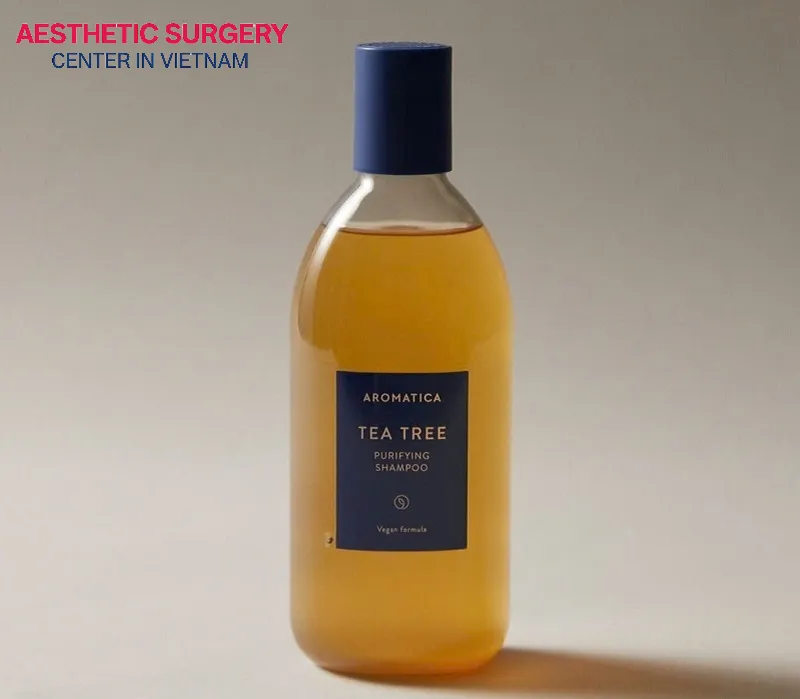
Harmful ingredients to avoid completely
- Sulfates (SLS, SLES): Aggressive surfactants that strip natural oils, induce severe dryness, and dislodge vulnerable grafts.
- Parabens & synthetic preservatives: Common triggers for allergic irritation and localized inflammation around micro-wounds.
- Synthetic fragrances & artificial dyes: Frequent culprits of contact dermatitis and irritation on sensitized scalp tissue.
- Silicones: Tend to clog pores around the recipient area, impairing cellular respiration and graft metabolism.
- Drying alcohol (denatured alcohol): Causes rapid moisture loss, severe stinging, and delayed wound re-epithelialization.
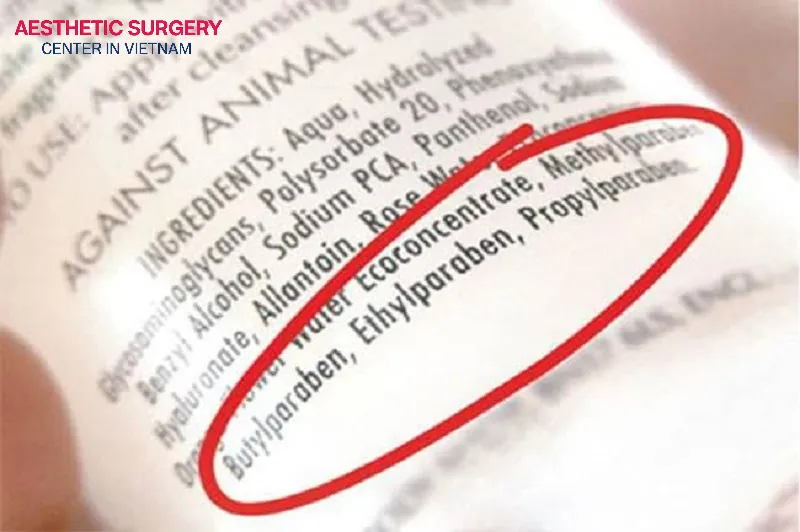
The best post-op hair transplant shampoo categories
Matching your cleansing products to each phase of graft healing optimizes root anchoring and stimulates new growth. Here are the three main shampoo categories most recommended by specialists:
Gentle baby shampoos for the initial recovery phase
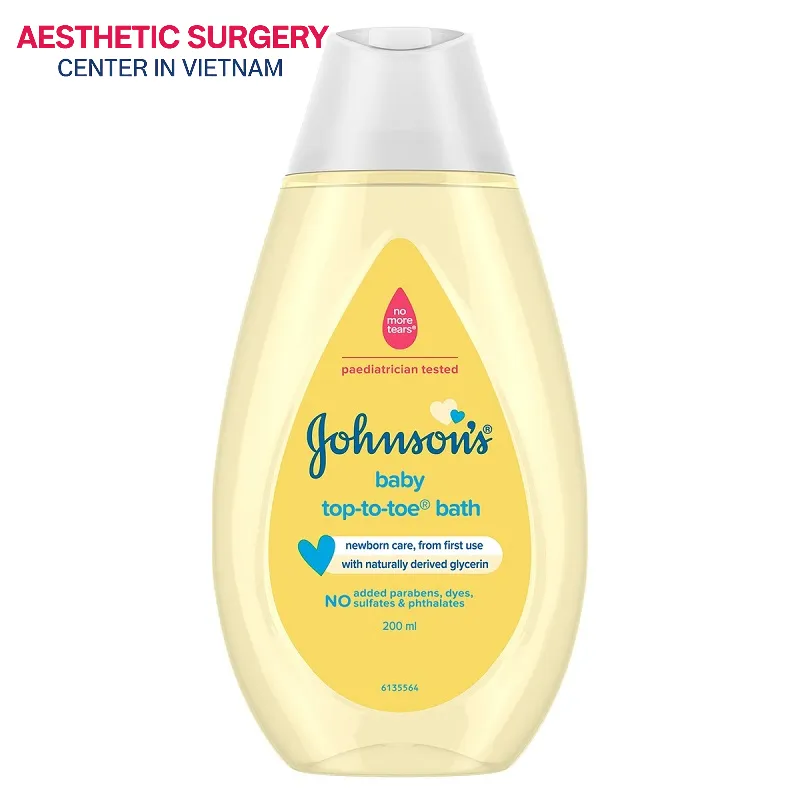
During the first 10 to 14 days post-procedure, the scalp still has minute wounds, and the newly implanted grafts remain loose. During this stage, gentle baby shampoos such as Sebamed Baby or Johnson’s Baby are widely recommended. These products cleanse sebum and exudate without causing burning sensations or disturbing newly settled follicles.
Specialized post-transplant medical shampoos
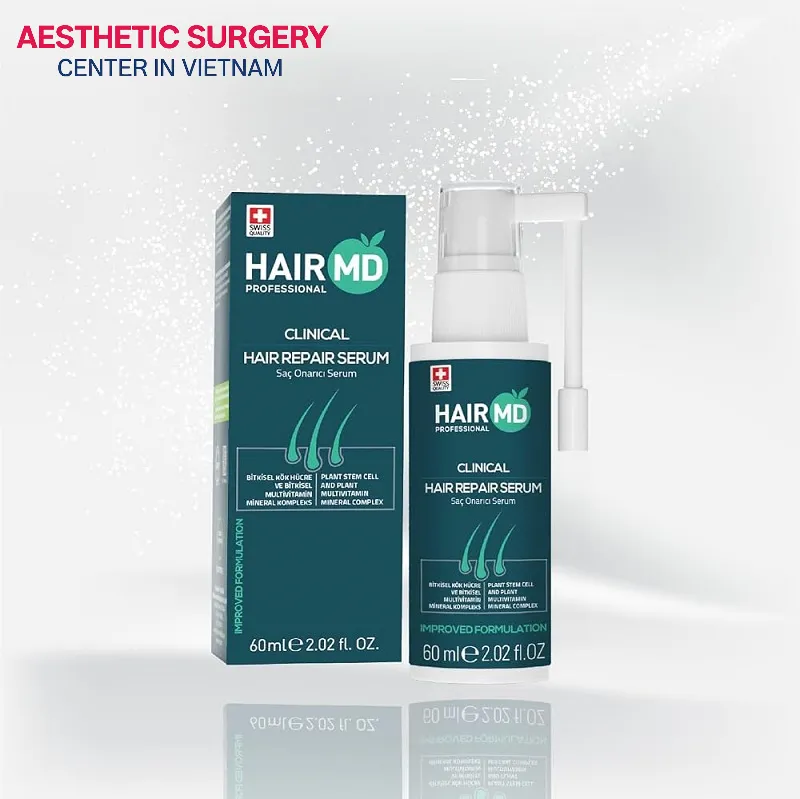
Once the micro-incisions close—typically from weeks 2 to 3 onward—you can transition to specialized clinical post-op formulas such as HairMD Transplant Clinic, Revita, or Foligain. These shampoos contain calibrated concentrations of active compounds like copper tripeptides, plant stem cells, and saw palmetto extract to inhibit follicle-shrinking DHT and support deep tissue integration.
Organic products enriched with aloe vera and keratin
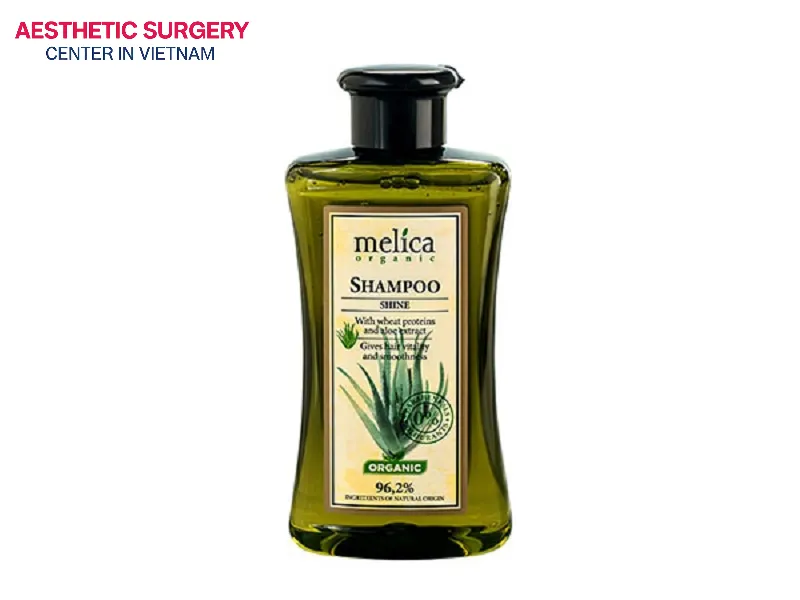
As healing stabilizes, switching to vegan organic shampoos rich in natural aloe vera and hydrolyzed keratin is ideal. Pure aloe vera extract and keratin deeply hydrate the skin, soften lingering scabs, quickly relieve itching, and fortify hair strands to minimize breakage during the temporary shock-loss shedding phase.
How to wash your hair safely after a transplant?
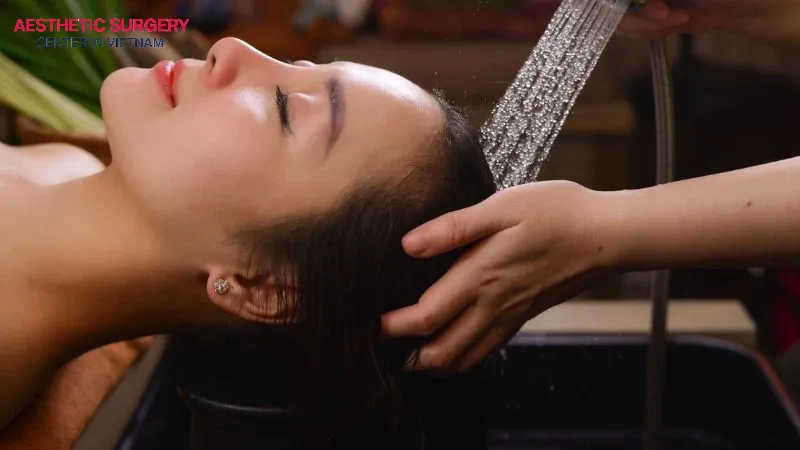
Choosing the best shampoo after hair transplant must be paired with proper medical washing techniques to protect grafts from dislodging. Follow these step-by-step instructions across each hair transplant recovery stage:
Washing guidelines for the first few days (days 1 to 3)
- Fill a fine-mist spray bottle with lukewarm water (30–35°C) and gently mist the hair. Never direct a high-pressure shower stream onto the recipient area.
- Dispense a small amount of gentle shampoo into your palms and work it into a rich lather before touching your head.
- Using the soft pads of your fingertips, gently dab the foam onto the recipient and donor areas without rubbing, massaging, or circular friction.
- Pour water slowly from a cup over the crown of your head to let the foam rinse away naturally; repeat until clean.
- Gently pat the area with sterile medical gauze or soft paper towels to absorb excess moisture, and let it air-dry in a well-ventilated room. Never use a hairdryer.
Washing guidelines for days 4 to 10
- Apply a thin layer of specialized softening lotion or panthenol foam prescribed by your clinic onto the recipient area, letting it sit for 15 to 30 minutes to soften dried scabs.
- Mist with lukewarm water to rinse away the softening lotion before shampooing.
- Lather your specialized shampoo, apply the foam to the scalp, and use gentle vertical press-and-release motions with your finger pads to clear oil and residue.
- Use a gentle, low-pressure water stream to rinse away all foam without exerting mechanical force on the roots.
- Pat dry with a soft towel. If using a hairdryer, set it strictly to the cool-air mode and hold it at least 30 cm away from the scalp.
Washing guidelines after day 10
- Soak the scalp with warm water or apply moisturizing lotion for approximately 20 minutes before washing to loosen remaining crusts.
- Lather the shampoo and use your finger pads to perform gentle circular massages to encourage scabs to slough off naturally. Never pick or scratch at scabs with your fingernails.
- You may now rinse under a showerhead with low-to-moderate water pressure, angling the flow to wash away residual foam and loose scabs smoothly.
- Pat dry with a clean towel; a hairdryer on the cool setting can be used to keep the scalp fresh and breathable.
Frequently asked questions about post-transplant hair care
When can I return to using my regular shampoo?
You should wait approximately 1 month before resuming standard hair shampoos, once the transplanted follicles are firmly anchored and the scalp has fully healed. Even then, prioritize gentle formulas and avoid overly harsh surfactants or heavy artificial perfumes.
Are shampoos containing biotin or caffeine safe to use?
Yes, both ingredients are safe and beneficial when introduced from week 3 or month 2 onward to stimulate microcirculation and nourish hair roots. Always inspect the ingredient list to ensure the formula does not contain irritating sulfates or parabens.
Can using the wrong shampoo permanently ruin transplanted hair grafts?
Yes. During the first two weeks, follicles have not yet established stable vascular and tissue connections. Shampoos with harsh chemicals or unbalanced pH levels can trigger chemical burns, folliculitis, and premature graft dislodgement, leading to irreversible graft loss.
Finding the best shampoo after hair transplant and following a proper cleansing routine safeguards fragile follicles from trauma, infection, and premature loss. Adhering to these clinical care steps will protect your investment and support dense, healthy hair growth.
>>> See more: When can i wash my hair after a hair transplant?









Comment on the post