



When undergoing breast augmentation, in addition to selecting the ideal profile and volume, evaluating smooth vs textured breast implants safety is an essential consideration that women should investigate thoroughly before surgery. Each surface shell type possesses distinct anatomical and mechanical characteristics that directly influence bodily biocompatibility and the longevity of aesthetic results. To help mitigate avoidable risks and achieve your desired aesthetic goals with confidence, this article provides a detailed analysis of the safety profiles of today’s two primary implant surface options.
Understanding the differences between smooth and textured breast implants
The most defining distinction between these two implants lies in the outer shell surface:
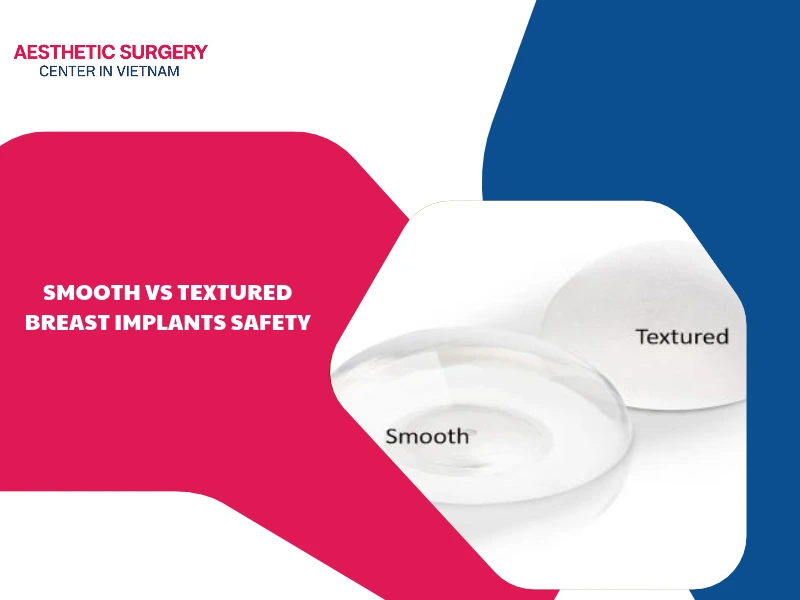
- Smooth breast implants feature a relatively slick, low-friction exterior that allows slight natural movement within the surgical pocket. The vast majority of smooth implants are round, though specific dimensional properties vary by design and manufacturer.
- Textured breast implants feature a surface engineered with micro- or macro-roughness to enhance mechanical adherence to surrounding soft tissue. This feature was historically developed to stabilize the device and prevent rotation, especially in anatomically shaped (teardrop) designs.
However, “textured implants” represent a broad spectrum. The degree of texturing, surface topography, manufacturing techniques, and material properties vary significantly across brands. Therefore, not all textured devices should be evaluated as an identical group.
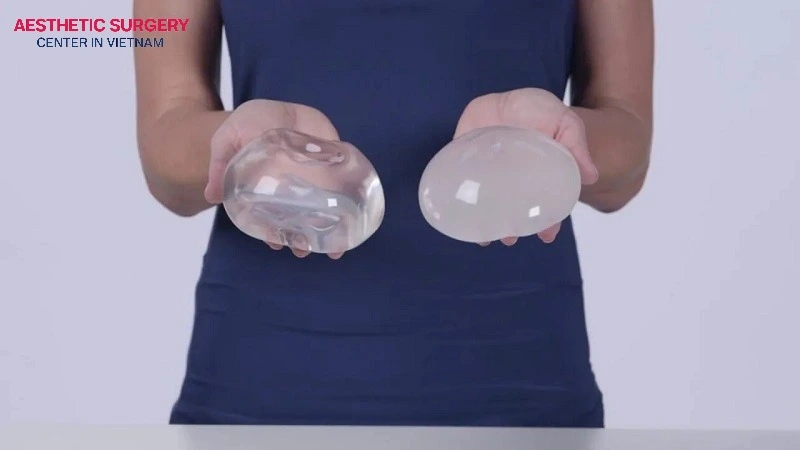
| Evaluation Criteria | Smooth Breast Implants | Textured Breast Implants |
| Surface Profile | Soft, smooth, thinner shell, low friction | Roughened, with micro- or macro-texturing |
| Pocket Mobility | Can move naturally within the pocket | Tends to adhere to surrounding tissue; more fixed |
| Common Implant Shapes | Predominantly round | Often anatomical (teardrop) to prevent rotation |
| Dynamic Movement | Moves fluidly with body position (lying, standing) | Retains shape stability; shifts less with posture changes |
| Incision Size | Requires smaller incisions due to shell compressibility | Requires slightly larger incisions for insertion |
| BIA-ALCL Risk | Substantially lower compared to textured implants | Clearer epidemiological and pathophysiological link |
| Capsular Contracture | Dependent on multiple variables, not solely the surface | Historically reported lower rates in specific historical approaches |
| Current Clinical Usage | Widely used across diverse indications | Requires careful review of specific surface classification and safety records |
The FDA emphasizes that selecting an implant must account for multiple variables—including dimensions, fill material, shell surface, pocket placement, and patient goals—rather than relying solely on the binary labels of “smooth” or “textured.”
Safety profiles and the risk of BIA-ALCL
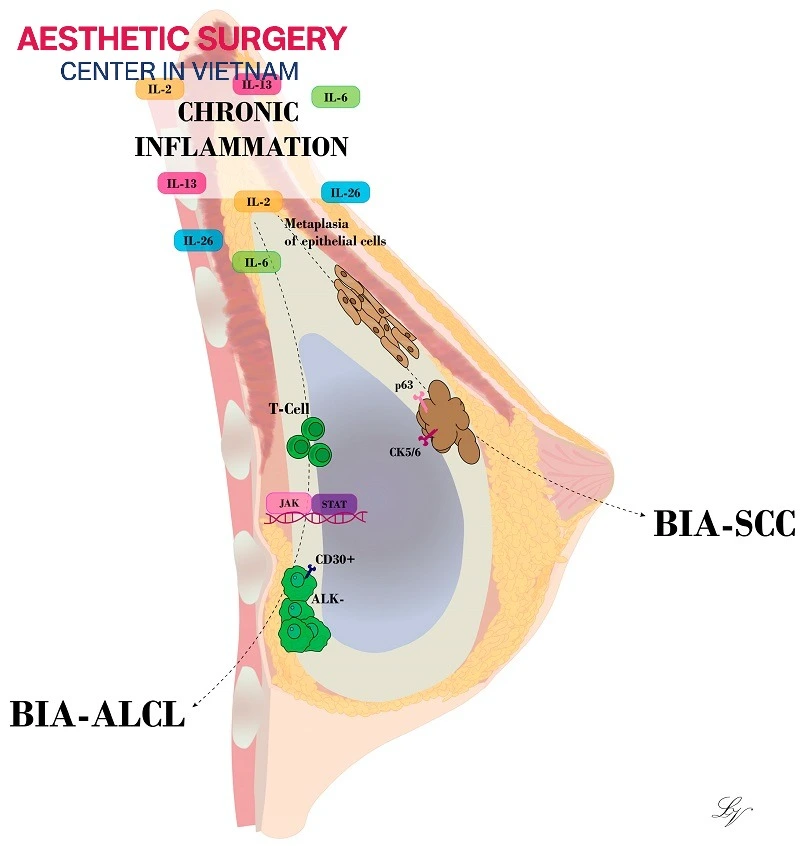
Evaluating smooth vs textured breast implants safety places Breast Implant-Associated Anaplastic Large Cell Lymphoma (BIA-ALCL) at the center of the discussion. Available clinical evidence shows that BIA-ALCL occurs significantly more often in patients with textured implants or textured tissue expanders. However, the precise degree of risk is not uniform across all textured implants; it varies by surface roughness category, manufacturer, and prior implant history.
What is BIA-ALCL?
BIA-ALCL stands for Breast Implant-Associated Anaplastic Large Cell Lymphoma. It is not a form of breast tissue cancer (such as ductal or lobular carcinoma). Instead, BIA-ALCL is a rare type of T-cell non-Hodgkin lymphoma of the immune system, typically found within the late periprosthetic fluid (seroma) or fibrous scar capsule surrounding the implant. In rare instances, the disease can invade locally beyond the capsule or spread to regional lymph nodes.
Warning signs requiring clinical assessment include:
- Unilateral, abnormal swelling occurring years after implantation.
- Delayed periprosthetic fluid accumulation (late seroma).
- A palpable mass or localized hardness adjacent to the implant.
- Persistent localized pain, hardening of the breast, or sudden visible distortion.
- Regional axillary lymphadenopathy or unexplained changes.
Symptoms generally manifest long after surgical incisions have healed, frequently presenting years post-operatively. If abnormal signs arise, patients must seek medical evaluation with breast imaging (such as ultrasound or MRI) and analysis of surrounding fluid or capsule tissue if indicated.
Why are smooth implants often considered safer?
When evaluated specifically with respect to BIA-ALCL risk, smooth breast implants present a substantially more favorable safety profile. The FDA has confirmed a significantly higher risk of BIA-ALCL with textured surfaces compared to smooth surfaces. Regulatory bodies advise that all individuals considering or living with breast implants be thoroughly counseled on risks, warning symptoms, and surveillance recommendations.
In medical device reports (MDRs) compiled by the FDA, the clear majority of BIA-ALCL cases where surface texturing was documented involved textured devices. Among the minority of reports referencing smooth implants, many involved patients with a prior history of textured implants or lacked comprehensive device histories. The FDA notes that these MDRs reflect incident reporting rather than definitive epidemiological incidence rates in the general population.
Thus, based on available evidence, smooth breast implants carry a drastically lower risk of BIA-ALCL compared to textured options. However, this does not mean all surgical breast augmentation risks are eliminated.
Beyond BIA-ALCL, patients with smooth implants may still develop standard complications, such as capsular contracture, infection, seroma, hematoma, malposition, visible rippling, implant deflation/rupture, or the need for revision surgery. Furthermore, breast implants are not lifetime devices and will likely require exchange or removal over a patient’s lifetime.

Evaluating the risk of capsular contracture
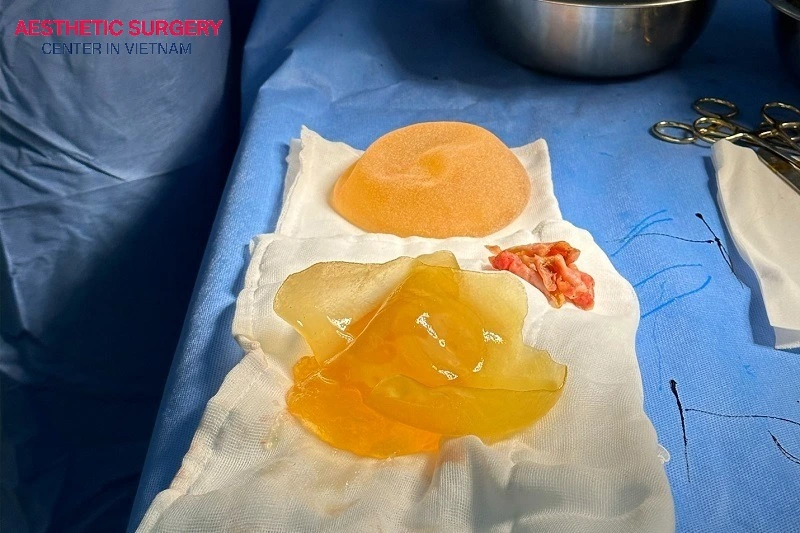
Capsular contracture occurs when the natural physiological scar tissue capsule surrounding an implant becomes pathologically thick, constricting the device. This can cause the breast to feel hard, ache, and appear deformed or displaced.
Historically, textured shells were engineered partly to disrupt linear collagen alignment in scar tissue and reduce the incidence of capsular contracture. Several earlier trials, particularly with subglandular (prepectoral) placement, noted lower contracture rates with textured implants than with smooth ones.
Modern clinical data reveal a far more nuanced picture. A 2025 meta-analysis noted that textured implants were associated with lower capsular contracture rates in specific sub-cohorts, while also confirming that pocket placement plays a major role, with submuscular positioning demonstrating lower contracture rates relative to certain prepectoral techniques.
Conversely, a comprehensive 2026 meta-analysis covering 35,052 implants demonstrated that after stratifying for surgical pocket location and excluding historic or overlapping datasets, differences in capsular contracture rates between smooth and textured implants were not statistically significant. This analysis also noted lower post-operative infection rates in the smooth implant cohort, although investigators noted the majority of data remains derived from observational studies.
Therefore, it is clinically inaccurate to assert that textured implants universally protect against capsular contracture, or that smooth implants inherently cause it. Real-world contracture risk depends on multiple surgical and patient factors:
- Anatomical pocket location and dissection technique.
- Tissue-to-implant sizing compatibility.
- Prevention of hematoma, seroma, or subclinical bacterial biofilm contamination.
- Quality and thickness of the soft-tissue coverage.
- Prior history of breast surgery or localized radiation therapy.
- Adherence to sterile operative protocols (such as 14-point surgical safety plans) and breast augmentation recovery care.
- Individual biological wound-healing and scarring predispositions.
Key factors influencing implant selection
Choosing the most suitable breast implant requires an individualized clinical assessment. To balance safety and aesthetics, plastic surgeons evaluate three core variables:
Body frame and soft-tissue thickness
Anatomical baseline parameters—including chest wall dimensions, volume of native glandular tissue, and skin-envelope thickness—dictate the ideal implant profile and dimensions. For patients with slender builds, narrow chests, or thin soft-tissue pinch measurements, surgeons often prefer smooth implants with moderate projection placed under the muscle to minimize visible shell edges or palpability. Conversely, a broad ribcage with robust soft-tissue coverage can accommodate larger footprint implants to harmonize with the patient’s natural proportions.
Aesthetic goals
Your aesthetic expectations serve as the blueprint for the surgical plan. If you desire pronounced upper-pole fullness and a high-cleavage profile, a round, higher-profile implant is often suitable. Conversely, if your preference is an understated, natural slope with a subtle, cascading lower pole, the surgeon will calibrate volume and choose a cohesive silicone gel designed to follow the natural contours of the body.
Surgical pocket placement
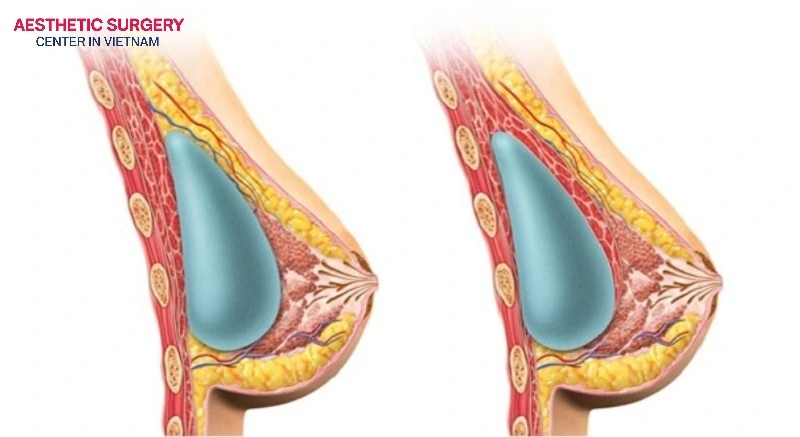
Placing the implant submuscularly (under the pectoralis major, or Dual Plane) versus subglandularly (prepectoral) significantly alters surface requirements:
- Submuscular placement: The thick overlying muscle acts as an anatomical cushion, providing coverage that conceals implant edges and softens transitions. This allows for the safe and predictable use of smooth implants across diverse body types.
- Subglandular placement: Because the implant rests directly below breast tissue, it requires adequate natural tissue thickness to avoid edge visibility. Lightweight devices and high-cohesivity gel configurations are often prioritized to maintain long-term tissue support and limit premature ptosis from gravitational descent.
Modern alternatives and surgical advancements
Evolving clinical data surrounding BIA-ALCL have led modern aesthetic surgery to critically evaluate shell texturing and emphasize transparent, informed consent. Current innovations include:
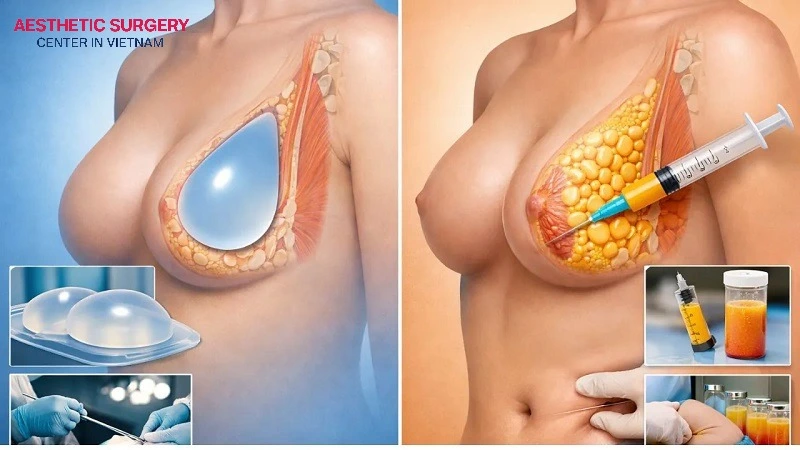
- Smooth Implants with Highly Cohesive Silicone Gel: Modern devices utilize advanced silicone elastomers with varied viscoelastic and form-stable properties, allowing surgeons to match anatomy and desired fullness using smooth shells without resorting to aggressive macro-texturing.
- Autologous Fat Grafting: Fat is harvested from donor sites (such as the thighs or abdomen), processed, and grafted into the breasts. While this avoids synthetic materials entirely, volume expansion per session is limited and a portion of injected fat resorbs. Several sessions may be needed to achieve target volumes.
- Hybrid (Composite) Augmentation: This approach pairs an implant for base projection with autologous fat transfer to refine upper-pole transitions, camouflage margins, and soften cleavages.
- Tissue-Based Surgical Planning: Rather than relying on predetermined sizes, surgeons use standardized measurements (such as base diameter, skin stretch, and parenchymal thickness) to select an implant that fits the existing tissue envelope.
- Refined Operative Protocols: Precise surgical pocket dissection, atraumatic handling, strict hemostasis, the use of insertion sleeves (Keller Funnel), and sterile antibiotic irrigation reduce bacterial biofilm inoculation. These practices contribute just as significantly to long-term safety as the implant surface itself.
Despite ongoing engineering advancements, no implant device is completely risk-free. The FDA highlights that breast implants are not lifetime devices; the lifetime probability of secondary revision, explantation, or exchange increases over time.
Consulting your plastic surgeon for an individualized decision
Comparing smooth vs textured breast implants safety is the foundational step in your decision-making process. The final surgical plan should always follow an in-person clinical examination, anatomic measurements, and open risk-benefit discussions.
During your pre-operative consultation, consider asking:
- Is the proposed implant smooth or textured?
- What is the specific surface classification and manufacturing history of this device?
- Why is this surface profile optimal for my chest anatomy and soft-tissue envelope?
- Can I review the device identification label, warranty information, and manufacturer safety data?
- How is the risk of BIA-ALCL evaluated for this device?
- Which pocket plane is recommended for my frame, and what are its trade-offs?
- What are my individualized risks of edge palpability, rippling, or capsular contracture?
Following surgery, retain your device identification card, serial numbers, lot codes, and operative records. Regulatory agencies, including the FDA, recommend that patients remain observant of any physical changes in their breasts and promptly seek clinical evaluation if they experience persistent swelling, palpable masses, pain, or sudden structural asymmetry.
When evaluating smooth vs textured breast implants safety, smooth implants offer a clear, documented advantage regarding lower BIA-ALCL risk. However, comprehensive safety depends on device manufacturing quality, anatomical suitability, correct pocket plane selection, meticulous surgical execution, and long-term surveillance. A thorough clinical consultation ensures you choose an approach tailored to your medical safety and personal aesthetic expectations.
>>> See more: Breast augmentation incision types










Comment on the post