


Achieving a full, feminine bustline is a profound milestone on the journey of gender affirmation. Today, modern plastic surgery has turned breast augmentation for transgender women into a safe, reliable procedure with exceptional aesthetic outcomes. Choosing the right technique, implant type, and specialized surgeon not only shapes physical beauty but also safeguards long-term health. Below is a detailed look into the techniques, procedure, and recovery required to prepare for this transformative step.
What is breast augmentation for transgender women?
Breast augmentation for transgender women is a specialized surgical procedure designed to create a fuller, natural-looking feminine breast contour for male-to-female (MTF) transgender individuals. Unlike cisgender female anatomy, the MTF chest wall typically features a wider ribcage, thinner soft tissue coverage, and minimal native glandular tissue. Breast augmentation surgeon therefore use precise dissection strategies most commonly placing the implant beneath the pectoralis major muscle to achieve adequate projection, smooth transitions, and natural cleavage.
This surgery does more than soften masculine chest contours; it serves as vital gender-affirming medical care, alleviating gender dysphoria and fostering physical congruence and self-confidence.
Surgical techniques and methods
Modern plastic surgery provides tailored options adapted to unique anatomical needs. The two primary techniques utilized in MTF breast augmentation include:
Breast augmentation with implants
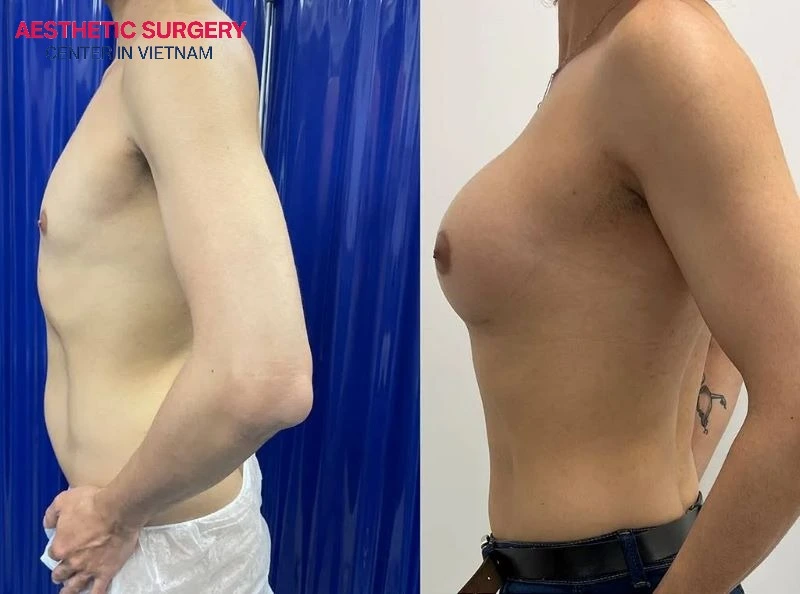
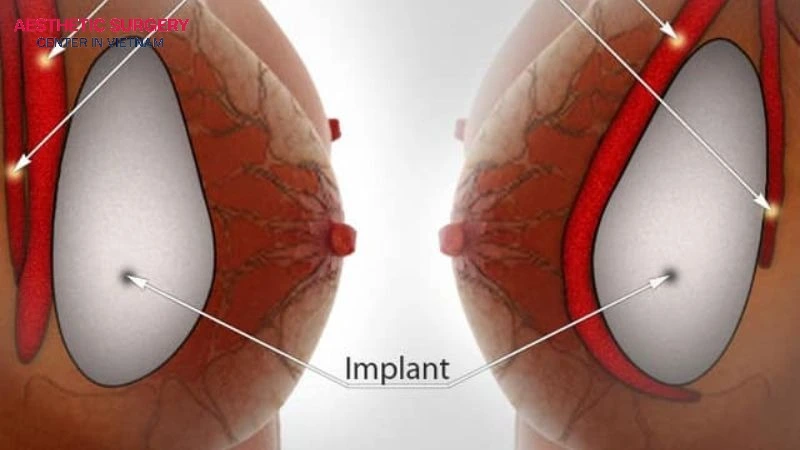
This is the most common approach, delivering a noticeable change in size and shape in a single procedure. The surgeon creates a discreet incision (typically in the inframammary fold, axilla, or periareolar margin) to insert the implant.
Given the wider ribcage and thinner native tissue coverage typical in transgender women, submuscular (or Dual Plane) placement is preferred. This positioning provides maximum tissue coverage over the implant, hides implant edges, reduces visibility or rippling, and supports natural-looking cleavage.
Implant type (cohesive silicone gel vs. saline), shape (round vs. anatomical/teardrop breast augmentation), and profile projection are customized to match chest dimensions and body frame.
Autologous fat transfer: A natural alternative
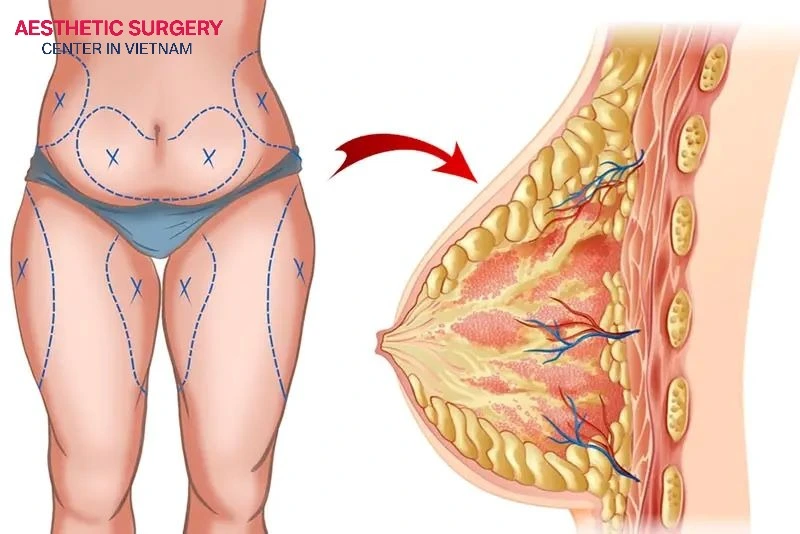
For individuals seeking subtle volume enhancement without synthetic materials, autologous fat grafting offers a 100% natural alternative. Fat is harvested via liposuction from donor areas such as the abdomen, thighs, or flanks, purified via centrifugation, and grafted into the breast tissue.
Because native chest tissue is often tight and thin, fat grafting alone may not provide dramatic volume increases in a single session. Clinically, fat transfer is frequently combined with implants (hybrid breast augmentation) to camouflage edges, soften transitions, and fill medial hollows for a more natural contour.
Candidacy and preoperative preparation
Rigorous screening and physical preparation are critical to ensure surgical safety and optimize outcomes.
Who is a good candidate?
Ideal candidates should:
- Be at least 18 years old.
- Be in good general health without unmanaged systemic conditions (e.g., cardiovascular disease, uncontrolled diabetes, or coagulopathies).
- Have documented confirmation of gender dysphoria from a qualified mental health or medical professional.
- Have stable psychological health and realistic expectations regarding surgical results.
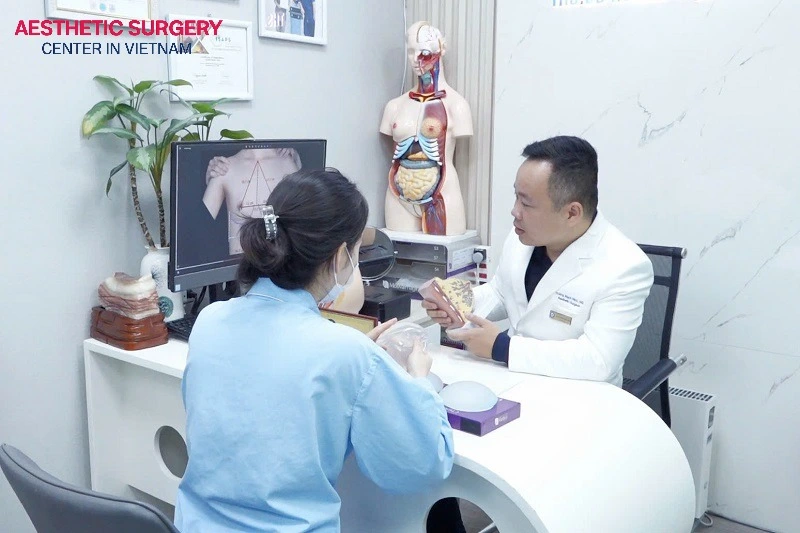
Thorough medical evaluations minimize anesthetic and breast augmentation risks, ensuring patient safety throughout the process.
Hormone replacement therapy (hrt) and timing
Surgical timing relies heavily on the patient’s endocrine regimen.
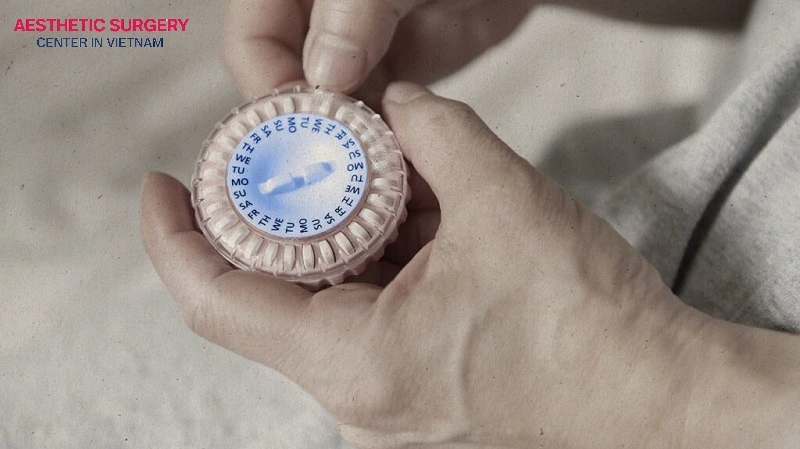
The World Professional Association for Transgender Health (WPATH) recommends maintaining continuous gender-affirming hormone therapy (estrogen and anti-androgens) for at least 12 months prior to breast augmentation.
HRT maximizes native glandular and adipose development while enhancing the elasticity of the overlying skin envelope. This biological priming facilitates pocket dissection, allows for optimal implant sizing, and produces softer, more natural results.
The surgical procedure and recovery timeline
Strict surgical and post-operative protocols are necessary to achieve optimal cosmetic and functional results.
Intraoperative overview
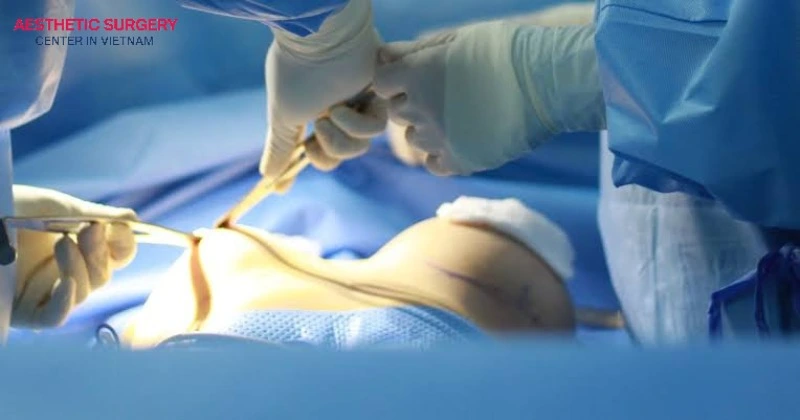
The procedure typically takes 60 to 90 minutes under general breast augmentation anesthesia. The surgeon makes a precise incision to dissect an implant pocket. For transgender anatomy, subpectoral or Dual Plane positioning is generally selected to secure the implant beneath muscular coverage, reduce edge palpability, and achieve balanced upper-pole projection. The incisions are then closed in multiple layers using fine cosmetic sutures.
Post-operative care and recovery milestones
Post-operative compliance directly affects final aesthetic outcomes during breast augmentation recovery:
- Days 1–3: Strict rest, take prescribed medications (analgesics, antibiotics, anti-inflammatories) on schedule. Keep dressing sites clean and dry.
- Weeks 1–2: Wear a medical-grade compression surgical bra 24/7 to control edema and maintain implant positioning. Avoid raising arms above shoulder level or lifting heavy loads. Avoid foods or substances that impair wound healing or worsen inflammation.
- Weeks 2–4: Light daily activities and desk work may resume. Continue using the surgical bra. When cleared by the surgeon, gentle breast massage exercises may begin to encourage tissue compliance and reduce capsular contracture risks.
- Months 3–6: Swelling subsides, implants settle into their natural position, and tissues soften. Normal athletic activities can be resumed. Attend all scheduled follow-up visits to monitor implant status.
Risks, results, and long-term considerations
Understanding procedural risks and long-term maintenance helps safeguard overall health and surgical results.
Potential risks and complications
As with any major surgical procedure, potential risks include infection, hematoma, seroma, and temporary or permanent alterations in nipple sensation.
In transgender patients, thinner soft-tissue envelopes and firm skin can increase the risk of implant palpability or visible rippling. Capsular contracture remains an important consideration requiring routine monitoring. Working with a skilled, board-certified plastic surgeon and following post-operative protocols minimizes these risks.
Aesthetic outcomes and psychological impact
Once swelling resolves and implants settle (typically between 3 to 6 months), the chest takes on a softer, natural drape with defined contours. Beyond physical changes, successful gender-affirming surgery significantly reduces gender dysphoria and supports emotional well-being and confidence.
Long-term maintenance and surveillance
Breast implants are not lifetime devices; they generally have a lifespan of 10 to 15 years and may eventually require revision or exchange. Regular monitoring through ultrasound or MRI is recommended to check implant integrity.
Furthermore, because transgender women on estrogen develop glandular breast tissue, routine breast cancer screening should be integrated into long-term preventive healthcare according to established clinical guidelines.
Frequently asked questions
Which incision site is best for transgender women?
The inframammary fold (IMF) incision is the most widely utilized approach. It offers direct visualization for precise pocket dissection, meticulous hemostasis, and accurate submuscular placement – crucial factors when working with wider chest anatomy. The resulting scar conceals within the natural lower breast crease, helping to minimize visible breast augmentation scars. Transaxillary incisions are an alternative for patients seeking to avoid scars on the breast itself.
Which implant type delivers the most natural look for transgender patients?
Because the baseline chest wall often features less subcutaneous fat and firmer pectoral muscles, cohesive silicone gel implants with moderate or moderate-plus profiles are frequently recommended over ultra-high profiles to avoid an unnatural, rounded “step-off” appearance. Highly cohesive silicone mimics the density and movement of natural breast tissue.
Is hormone therapy continued after breast augmentation?
Yes. Breast augmentation alters physical contour, but it does not replace endocrine function. Patients must continue their hormone regimens as directed by their endocrinologist to preserve other secondary sex characteristics, maintain bone mineral density, and support healthy metabolic distribution.
Breast augmentation for transgender women serves as an essential surgical component of the gender-affirmation process, aligning physical form with gender identity. Achieving safe, lasting, and aesthetically harmonious results requires partnering with a qualified, experienced plastic surgeon and adhering strictly to clinical preparation and aftercare protocols.








Comment on the post